
 Birthday
 Hydrangeas
In Ukrainian tradition, herbs and flowers were not only folk remedies, a matter best left to a doctor today, but also an important part of festivals. They decorated homes, were woven into wreaths and carried to church to be blessed. Here are the plants that accompanied the summer folk calendar and which customs live on.
A meadow mood in a bouquet: flower baskets and chrysanthemums.
.png)
A summer calendar of herbs
- Green Holidays (Trinity). Houses were decorated with maple and linden branches, and floors strewn with calamus, lovage and mint, filling the home with a fresh scent.
- Ivana Kupala. Girls wove wreaths of wildflowers and herbs and floated them on the water; the night is linked with the legend of the fern flower, which does not exist in nature.
- Makoviy. In early August people bless makoviychyky, bouquets of poppy heads, mint, cornflowers, calendula and marigolds.
- Apple Spas. Apples, pears, honey and flowers are blessed, after which, by custom, the new harvest may be eaten.
- Second Feast of the Mother of God. In mid-August bouquets of herbs and late summer flowers are carried to church; in western Ukraine the day is called “Herbal Mother of God”.
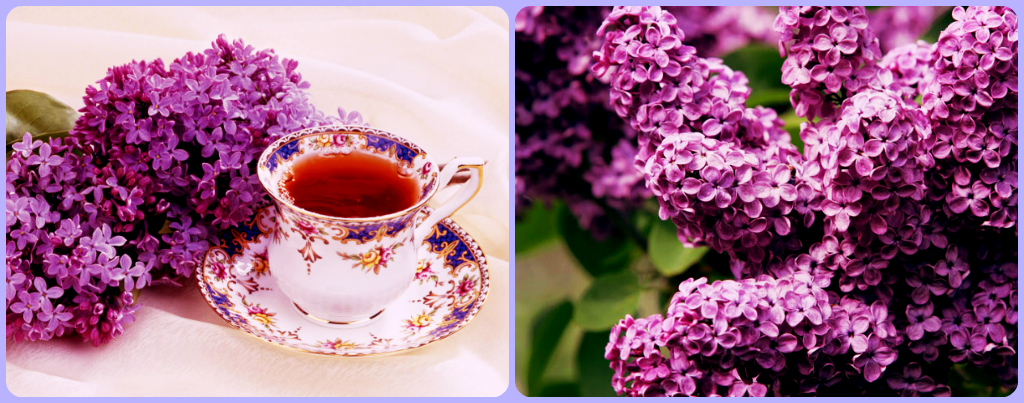
Plants of the Ukrainian wreath
In a traditional wreath every flower had a meaning: periwinkle for life and faithfulness, marigolds for memory of home, mallows and poppies for beauty and youth, ears of wheat for prosperity. Such wreaths are woven again today for Kupala and festivals.
Please note: this article is about cultural traditions. Use herbs for treatment only after consulting a doctor.
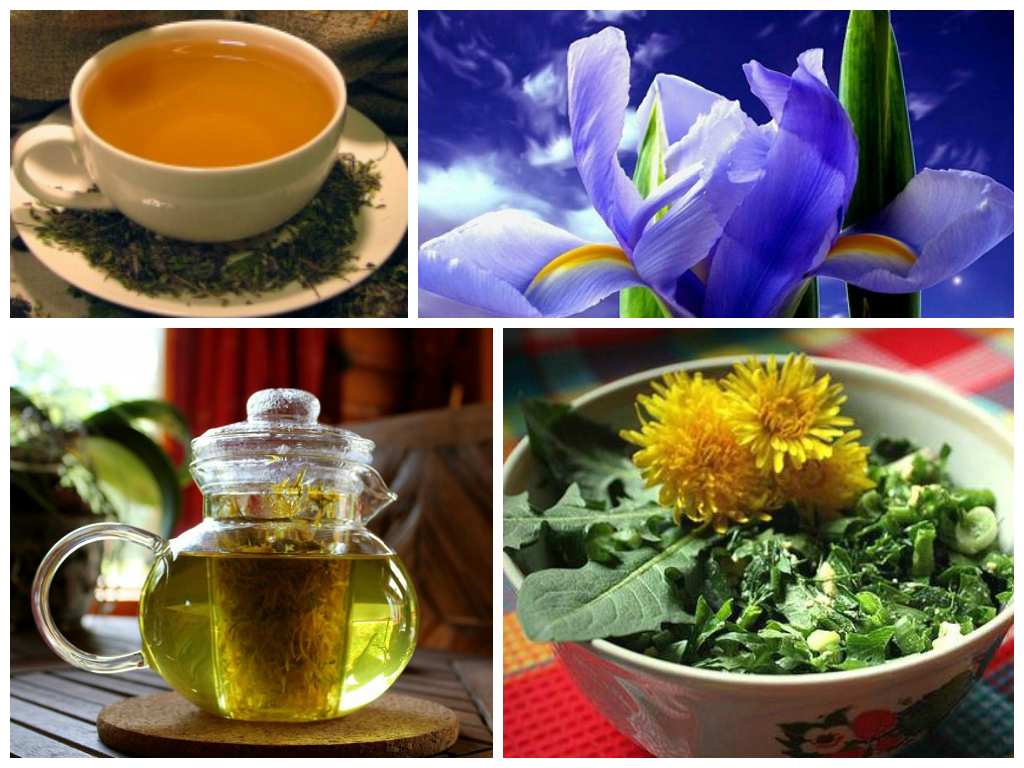
For flower symbolism in poetry, see flowers in Ukrainian poetry and song.
FAQ
What is a makoviychyk?
A bouquet of poppy, mint, cornflowers and other herbs and flowers blessed at Makoviy in early August.
Does the fern flower exist?
No. Ferns reproduce by spores and never flower; the fern flower remains a beautiful Kupala legend.
View full-size photo
Author: Maria Svitlovir
Graduated from Taras Shevchenko National University of Kyiv, Institute of Biology and Medicine (2001). BSc in Biology, MSc in Horticulture. Writes about plants, works at a garden centre selecting and repotting plants, and contributes to plant reference guides.