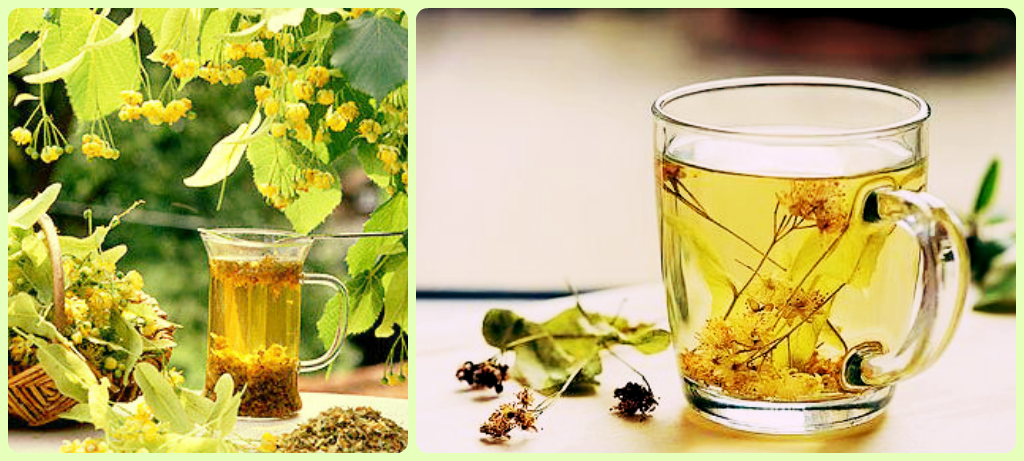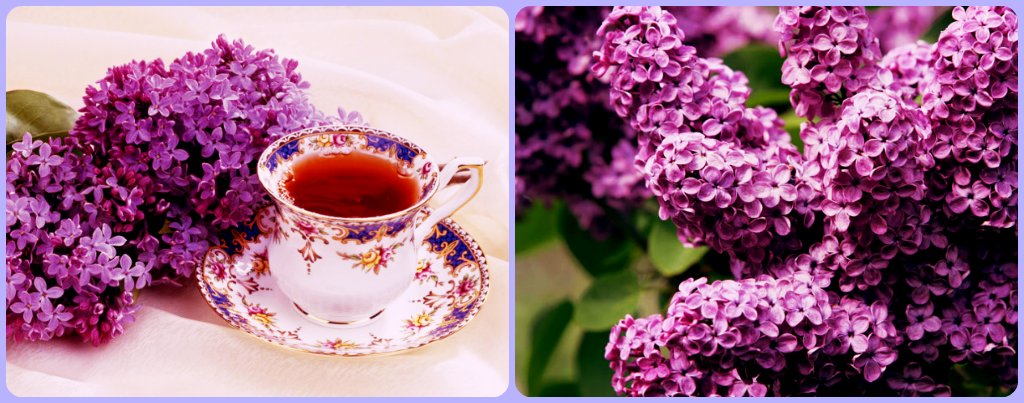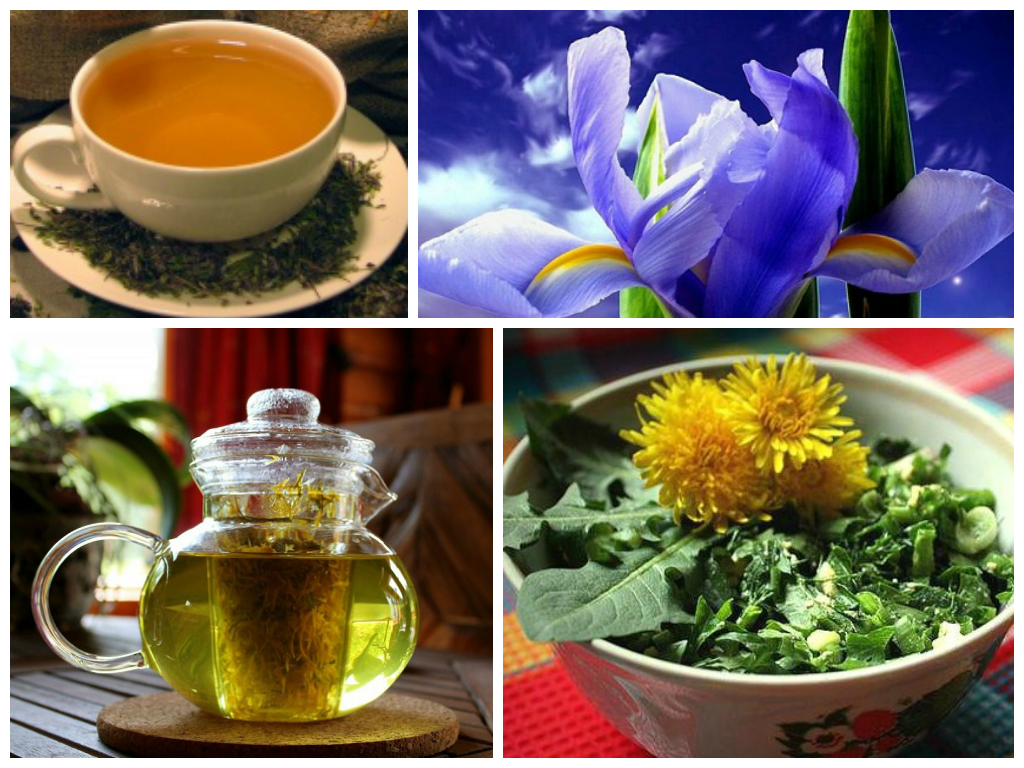
In Ukrainian tradition, herbs and flowers were not only folk remedies, a matter best left to a doctor today, but also an important part of festivals. They decorated homes, were woven into wreaths and carried to church to be blessed. Here are the plants that accompanied the summer folk calendar and which customs live on.
A meadow mood in a bouquet: flower baskets and chrysanthemums.
In a traditional wreath every flower had a meaning: periwinkle for life and faithfulness, marigolds for memory of home, mallows and poppies for beauty and youth, ears of wheat for prosperity. Such wreaths are woven again today for Kupala and festivals.
Please note: this article is about cultural traditions. Use herbs for treatment only after consulting a doctor.
For flower symbolism in poetry, see flowers in Ukrainian poetry and song.
A bouquet of poppy, mint, cornflowers and other herbs and flowers blessed at Makoviy in early August.
No. Ferns reproduce by spores and never flower; the fern flower remains a beautiful Kupala legend.

Author: Maria Svitlovir
Graduated from Taras Shevchenko National University of Kyiv, Institute of Biology and Medicine (2001). BSc in Biology, MSc in Horticulture. Writes about plants, works at a garden centre selecting and repotting plants, and contributes to plant reference guides.
© Kyiv 2026 UFL Flower Shop

Trademark UFL №191476 is used under license of the rights holder.
All rights reserved. Any use of materials without a link to the site is prohibited.


 Birthday
 Hydrangeas