
 Birthday
 Hydrangeas
Flowers seem like the easiest subject to photograph: they don't move, they are beautiful on their own and always at hand. Yet in photos a bouquet often looks flat, the colours unnatural and the background distracting. Our flower photography tips used to be split across two articles; now they are in one guide: how to choose light, background and angle, where to focus, how to shoot on a smartphone, and how to take a bouquet photo worth sending or sharing.
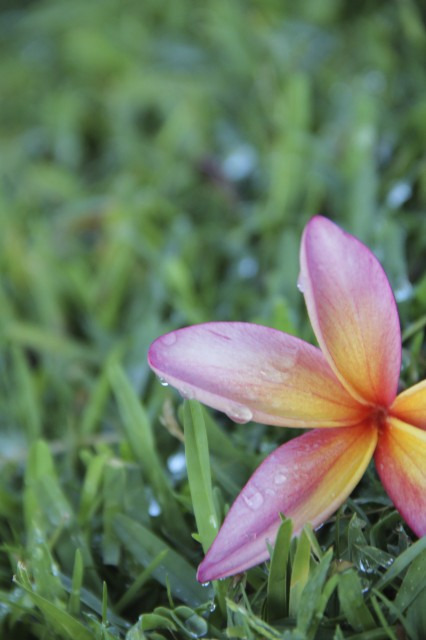
Light comes first
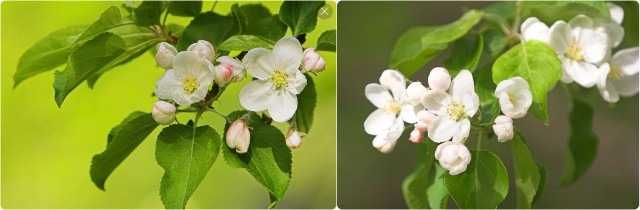
The best time to photograph flowers outdoors is early morning and evening, when the sun is low and the light is soft and warm. At midday, direct sun creates harsh shadows and burns out pale petals. An overcast day is a gift for photographers: clouds act as a huge diffuser, giving rich, even colours.
Try backlighting, with the sun or a window behind the flower. Thin petals of tulips, poppies and roses glow from within, adding depth to the photo. Indoors, shoot by a window rather than under a ceiling light, and switch off overhead lights so you don't mix different colour temperatures.
Background and composition
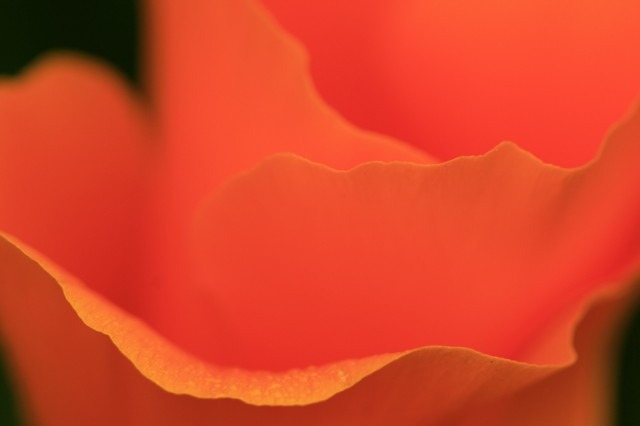
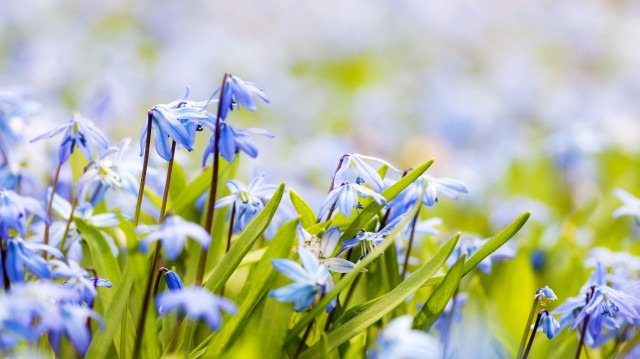
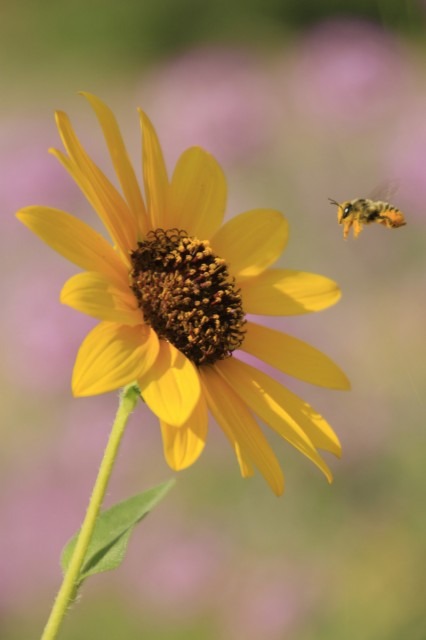
A simple background makes the flower the hero. A plain wall, a sheet of card, fabric or the sky all work. For a bright flower choose a contrasting background: yellow on blue, red on green, white on dark. If the background isn't ideal, blur it: open the aperture to f/2.8–5.6 or use your phone's portrait mode.
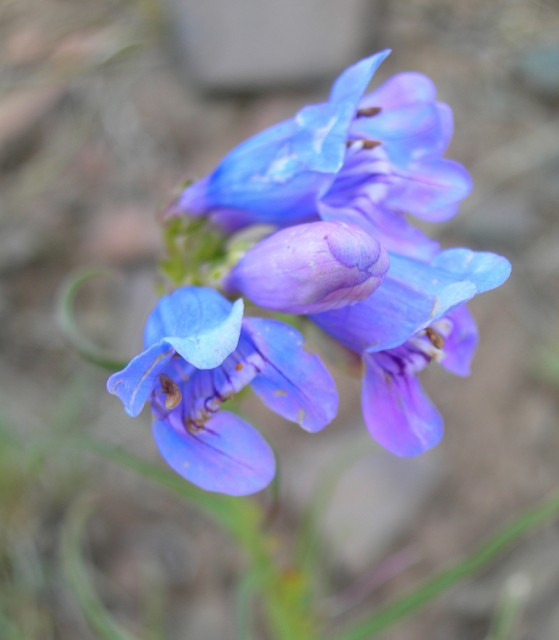
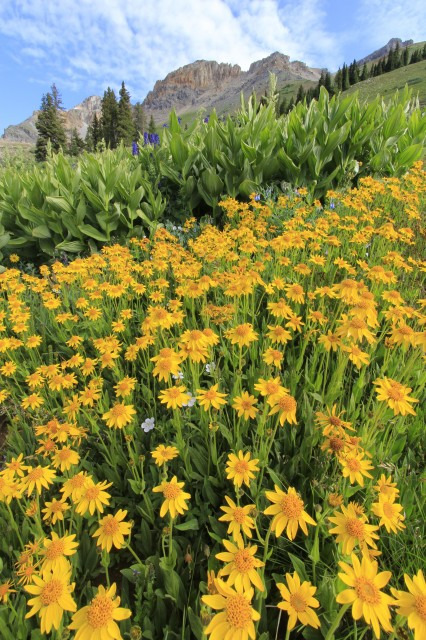
Don't place the flower dead centre — the rule of thirds makes a photo livelier. Leave some breathing room around the subject, and in group arrangements use odd numbers: three or five flowers look more balanced than two or four.
Angle and focus
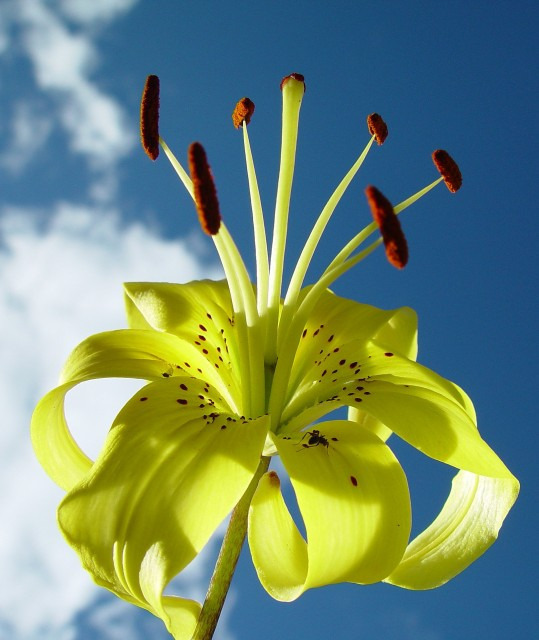
- At flower level. Get down to the flower's height rather than shooting down from standing height: it looks more three-dimensional and natural.
- From above (flat lay). For arrangements, bouquets on a table and round flowers such as daisies, sunflowers and gerberas.
- Close-up. Stamens, dew drops and petal texture — details we don't notice with the naked eye.
Focus on the point nearest the lens: the stamens, the flower's centre or the edge of the front petal. In close-ups the depth of field is very shallow, so even slight movement throws off focus — hold your breath or use a tripod.
Shooting on a smartphone
- Tap the screen where you want focus and lower the exposure slightly so pale petals aren't overexposed.
- Don't use digital zoom — move closer instead. Use macro mode for details if your phone has it.
- Shoot in portrait mode to blur the background.
- Wipe the lens: fingerprints make the image look hazy.
- Go easy on filters: they distort flower colours.
Dew drops and other tricks
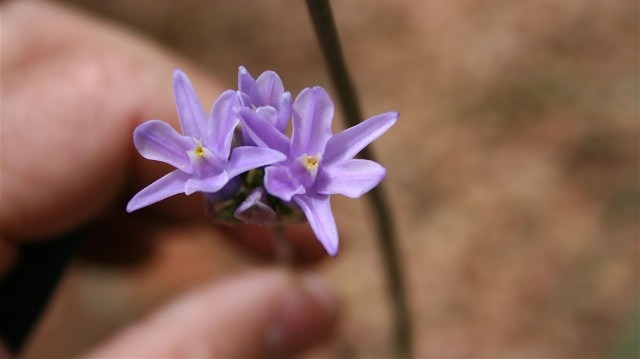
It's easy to create "dew" yourself: mist the flower with a spray bottle. Adding a little glycerine to the water keeps the drops round so they don't run off. Showing scale and a story makes an interesting shot — a flower in a hand, a bouquet on a table beside a cup, a vase by the window.
How to photograph a bouquet you're giving
Stand the bouquet by a window against a light background, remove clutter from the frame and shoot at flower level and slightly from above. Take several shots — the whole bouquet, a detail and the bouquet in hand. They look great on social media and preserve the memory long after the flowers fade.
Respect nature
When shooting in fields or flower beds, don't trample the flowers or pick them for a shot. In nature reserves such as the Valley of Narcissi, leaving the paths is forbidden. For the most beautiful flower destinations, see flower valleys of the world.
Frequently asked questions
What time of day is best for photographing flowers?
Morning and evening in soft light, or on an overcast day.
How do I blur the background in a flower photo?
Open the aperture (f/2.8–5.6), get closer to the flower and move it away from the background, or use portrait mode on your phone.
How do I photograph dew drops?
Mist the flower with water containing a little glycerine and shoot close up, focusing on the drops.
Why do flower colours look wrong in photos?
Mixed lighting and automatic white balance. Shoot in daylight and avoid strong filters.

View full-size photo
Author: Maria Svitlovir
Graduated from Taras Shevchenko National University of Kyiv, Institute of Biology and Medicine (2001). BSc in Biology, MSc in Horticulture. Writes about plants, works at a garden centre selecting and repotting plants, and contributes to plant reference guides.


