
 Birthday
 Hydrangeas
Many countries have a flower that has become their calling card: the tulip means the Netherlands, cherry blossom means Japan, the lotus means India. Yet not all of these emblems are set in law — some were adopted by decree or public vote, others are simply tradition. Here are national flowers from around the world with short stories, noting which are official and which are not.
Official or traditional: what's the difference
- An official national flower is adopted by law, decree or government decision — for example golden wattle in Australia (1988), the rose in the USA (1986) and the dahlia in Mexico (1963).
- A traditional emblem was never formally adopted but everyone knows it: the tulip in the Netherlands, edelweiss in Switzerland and Austria, chrysanthemum and cherry blossom in Japan.
Flowers often appear in coats of arms too — see our article on flowers in heraldry.
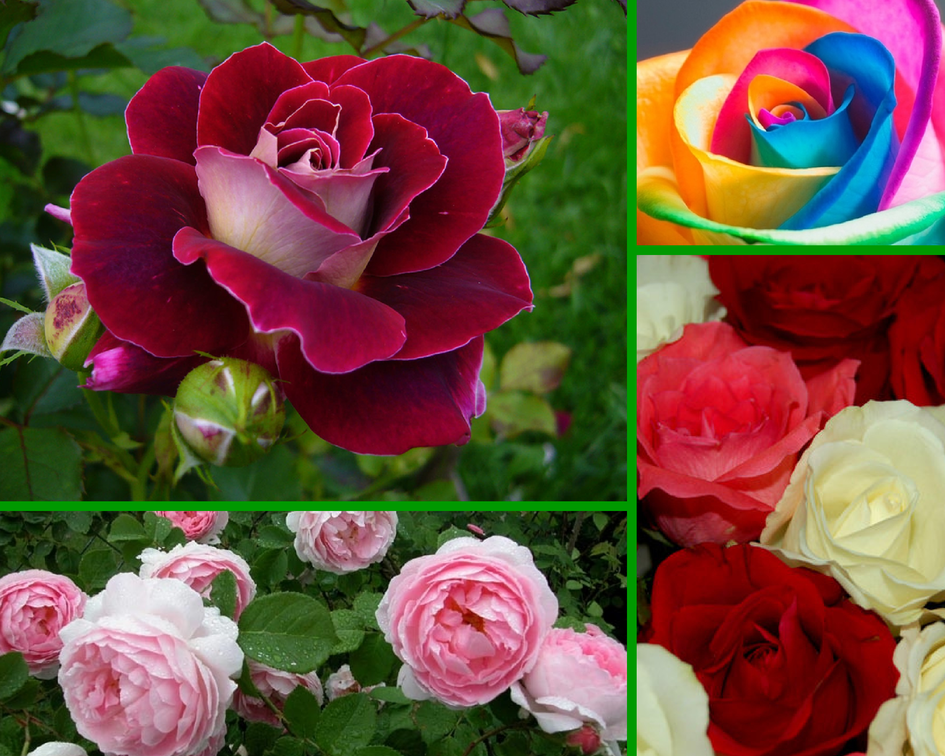
Europe
- England — rose. The Tudor rose united the red rose of Lancaster and the white rose of York after the Wars of the Roses (15th century).
- Scotland — thistle, Wales — daffodil, Ireland — shamrock (the clover linked to Saint Patrick).
- Netherlands — tulip. It has no official status, but the country lived through "tulip mania" in the 17th century and is still the world's largest bulb exporter. For flower capitals see flower cities of Europe.
- France — iris. The stylised lily (fleur-de-lis) was the emblem of French kings for centuries; botanists believe its model may have been the iris.
- Germany — cornflower (unofficial), Finland — lily of the valley (chosen by vote in 1967), Switzerland and Austria — edelweiss (unofficial).
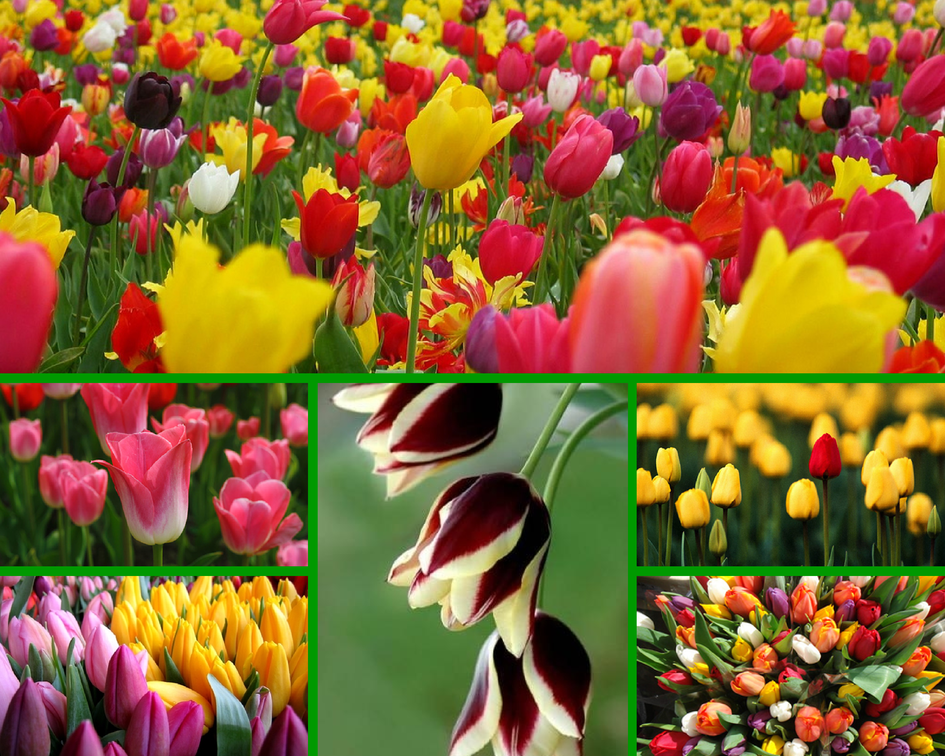
Asia
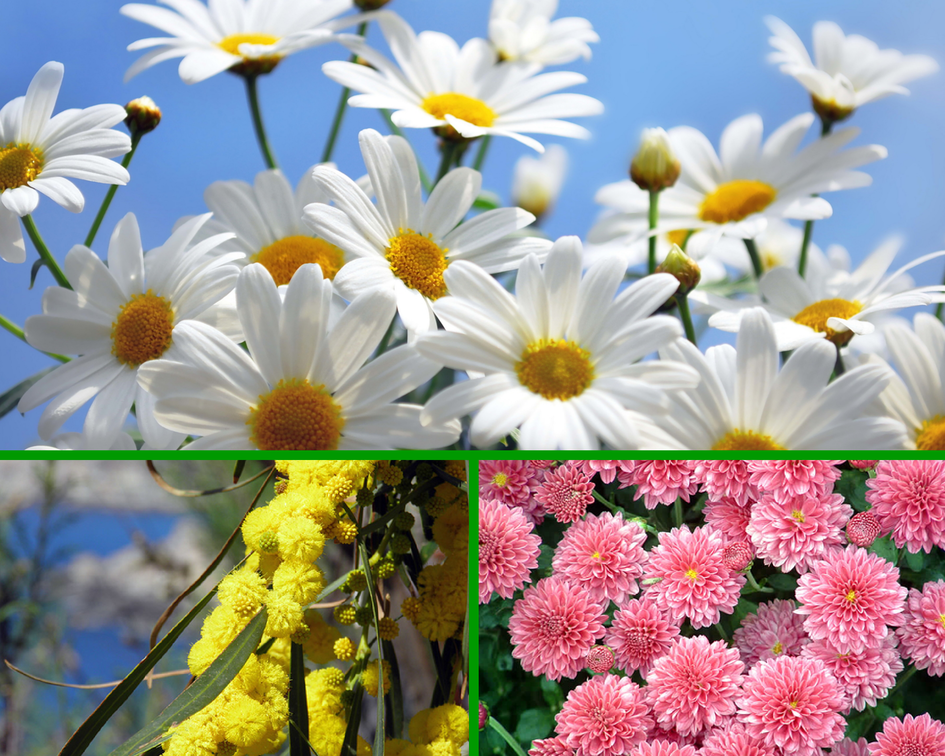
- Japan — chrysanthemum and cherry blossom. There is no law on a national flower, but the chrysanthemum is on the Imperial Seal and cherry blossom season is the country's great spring celebration.
- India — lotus. A flower that rises from mud yet stays clean, the lotus symbolises purity in Hinduism and Buddhism.
- South Korea — rose of Sharon (mugunghwa). Its name is often translated as "eternal flower", and it appears on the national emblem.
- Malaysia — hibiscus (since 1960), Singapore — Vanda Miss Joaquim orchid (since 1981), Thailand — golden shower tree (Cassia fistula).
- China has no official national flower; the peony and the plum blossom are most often named.
The Americas, Africa and Oceania
- USA — rose, adopted in 1986.
- Canada has no official national flower: the main plant emblem is the maple leaf, and each province has its own floral emblem.
- Mexico — dahlia, native to Mexico and declared the national flower in 1963.
- Brazil — yellow ipê, since 1961; its bloom is a vivid sign of the end of the dry season.
- Argentina — ceibo (Erythrina) with red flowers.
- South Africa — king protea, the largest protea; the national cricket team is named the Proteas after it.
- Australia — golden wattle, official since 1988; National Wattle Day is 1 September.
What is Ukraine's flower?
Ukraine has no officially adopted national flower. Its best-known plant symbols are the sunflower (Ukraine is one of the world's largest sunflower producers), kalyna (guelder rose) and mallow. Since 2014 the red poppy has been the symbol of remembrance for the victims of the Second World War, and later also for Ukraine's fallen defenders.
FAQ
Why can one country have two flowers?
When the emblem is unofficial, different traditions coexist — like chrysanthemum and cherry blossom in Japan.
Is it a good idea to give a national flower to a foreign guest?
Yes, it is a thoughtful gesture. But check cultural nuances: in several European countries chrysanthemums are associated with cemeteries.

View full-size photo
Author: Maria Svitlovir
Graduated from Taras Shevchenko National University of Kyiv, Institute of Biology and Medicine (2001). BSc in Biology, MSc in Horticulture. Writes about plants, works at a garden centre selecting and repotting plants, and contributes to plant reference guides.