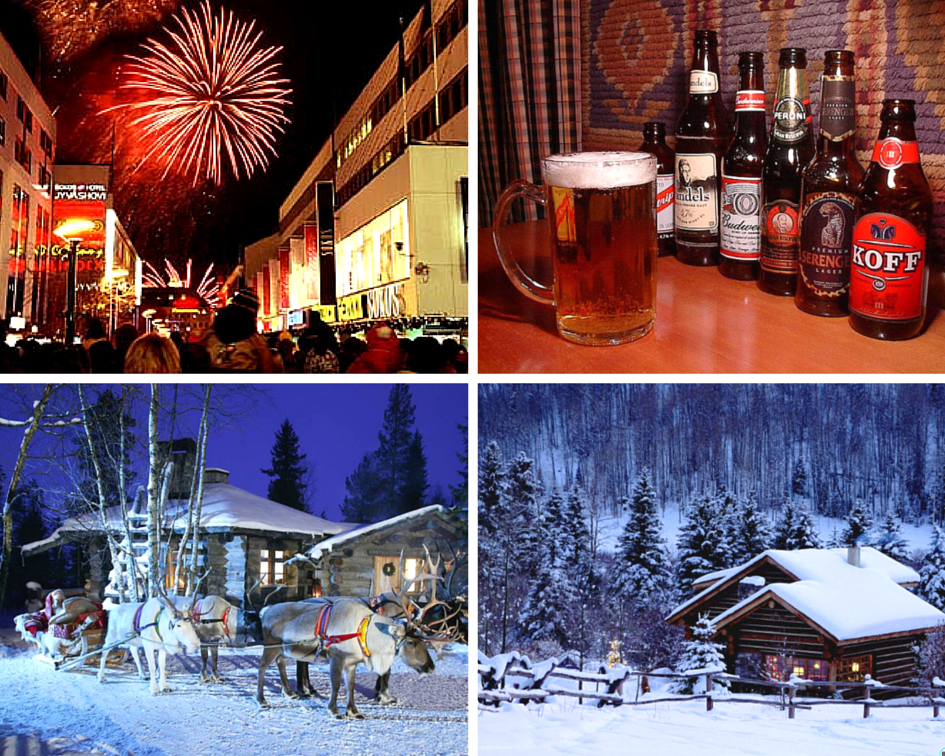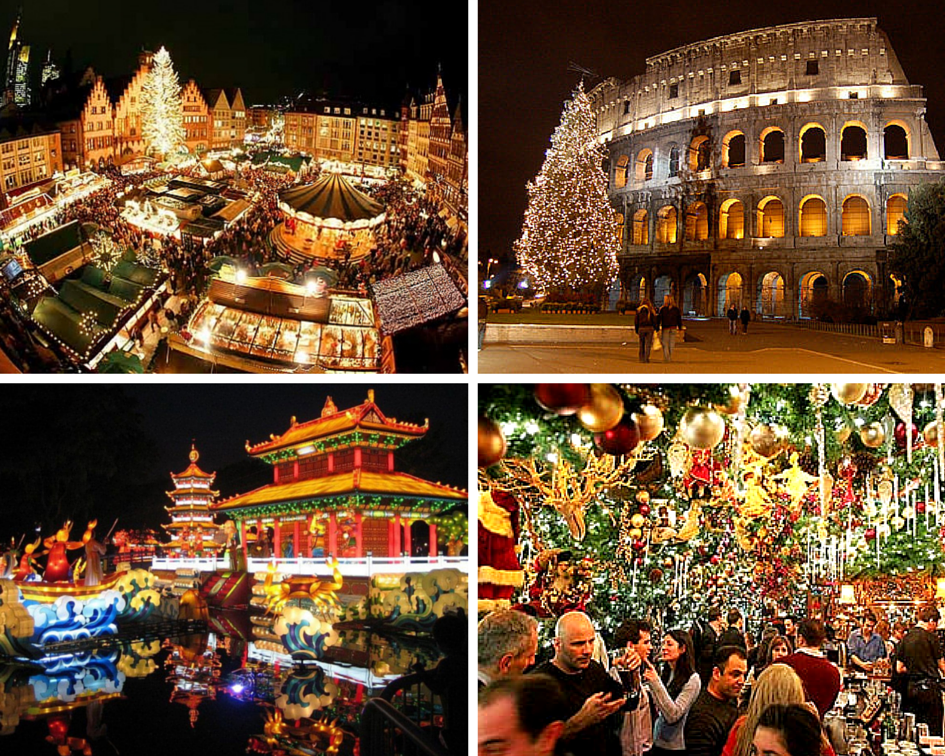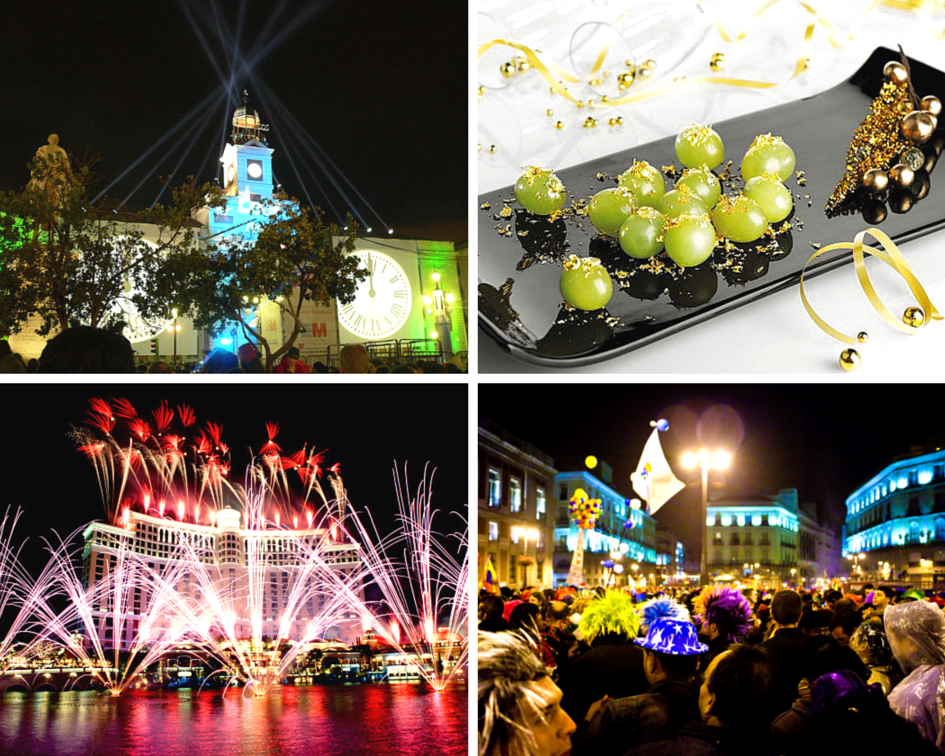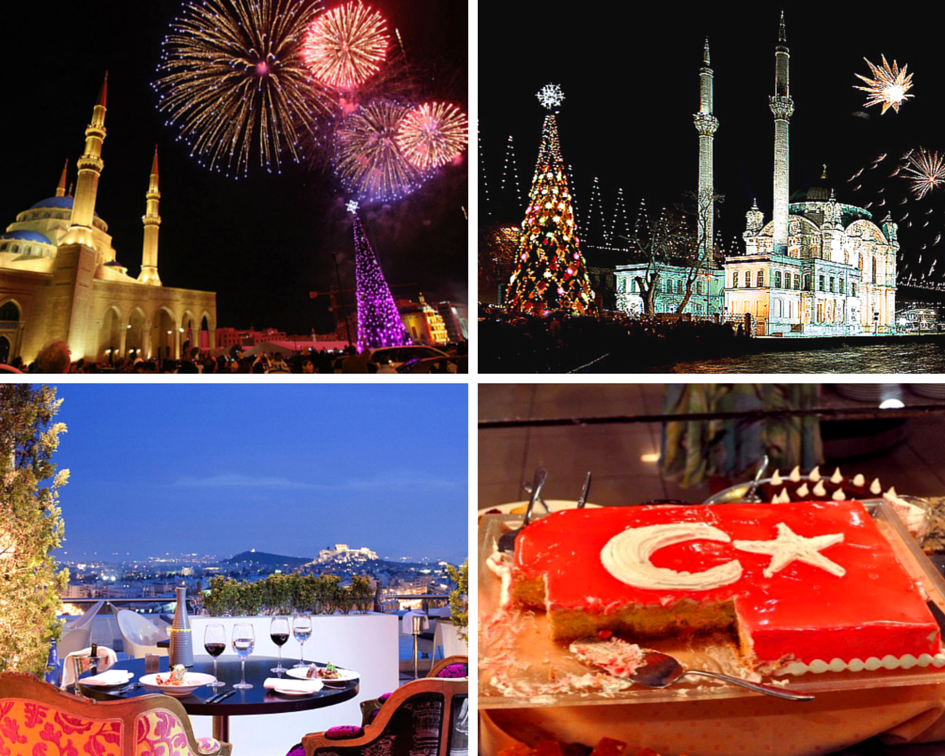
New Year is celebrated almost everywhere, but each country does it its own way: eating grapes to the midnight chimes, smashing plates for luck or jumping over ocean waves. Here are the most interesting New Year traditions around the world, Ukrainian customs, and the plants and flowers linked to the holiday.
Festive bouquets and arrangements are available among our flower baskets and flower boxes.
Since the Orthodox Church of Ukraine and the UGCC moved to the Revised Julian calendar in 2023, Generous Eve (Malanka) falls on 31 December and St Basil's Day with its "sowing" custom on 1 January. In the evening carollers sing shchedrivky — the most famous, "Shchedryk", became the global hit Carol of the Bells — and in the morning children scatter grain in relatives' homes, wishing them a good harvest and prosperity. Read the story of the melody in Shchedryk — the Ukrainian carol that conquered the world.
Many countries have a midnight wish ritual: write it on paper and burn it, eat a grape for each chime, or make a wish as the clock strikes. The most effective, though, is to set a goal for the year and take the first step in January.
Under the Revised Julian calendar, on 31 December; the sowing custom is on 1 January.
One for each chime at midnight — for luck in every month of the new year.
It follows the lunar calendar, falling between late January and mid-February; the date changes every year.

Author: Maria Svitlovir
Graduated from Taras Shevchenko National University of Kyiv, Institute of Biology and Medicine (2001). BSc in Biology, MSc in Horticulture. Writes about plants, works at a garden centre selecting and repotting plants, and contributes to plant reference guides.
© Kyiv 2026 UFL Flower Shop

Trademark UFL №191476 is used under license of the rights holder.
All rights reserved. Any use of materials without a link to the site is prohibited.

 Birthday
 Hydrangeas