
 Birthday
 Hydrangeas
Orchids are no longer exotic: potted phalaenopsis are sold in every flower shop and considered one of the best living gifts, flowering for months. Yet after the first bloom many orchids "freeze" for years or die from overwatering. We have gathered everything you need in one guide: how to choose a healthy plant, how to water it and where to keep it, how to repot it, why an orchid won't flower and how to make it send up a new spike.

Which orchids are sold for the home
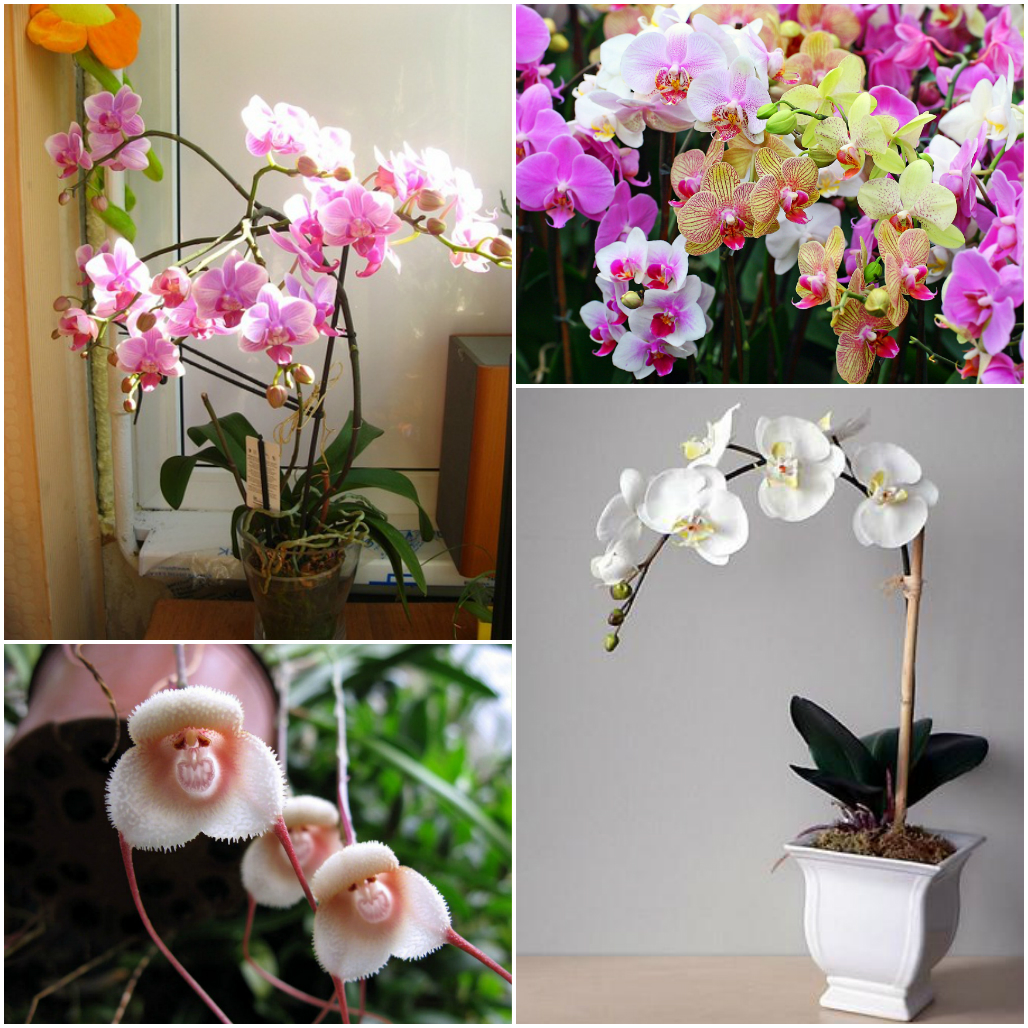
The most common in shops is phalaenopsis, the moth orchid: it copes with indoor conditions better than others and flowers for 2–4 months. Dendrobiums, Cambria hybrids, oncidiums and cymbidiums are sold less often and have their own light and temperature needs. Mini phalaenopsis, 15–25 cm tall, are cared for in the same way but watered more often, as their small pots dry out faster. For more on orchid diversity, see types of orchids.
How to choose an orchid in a shop
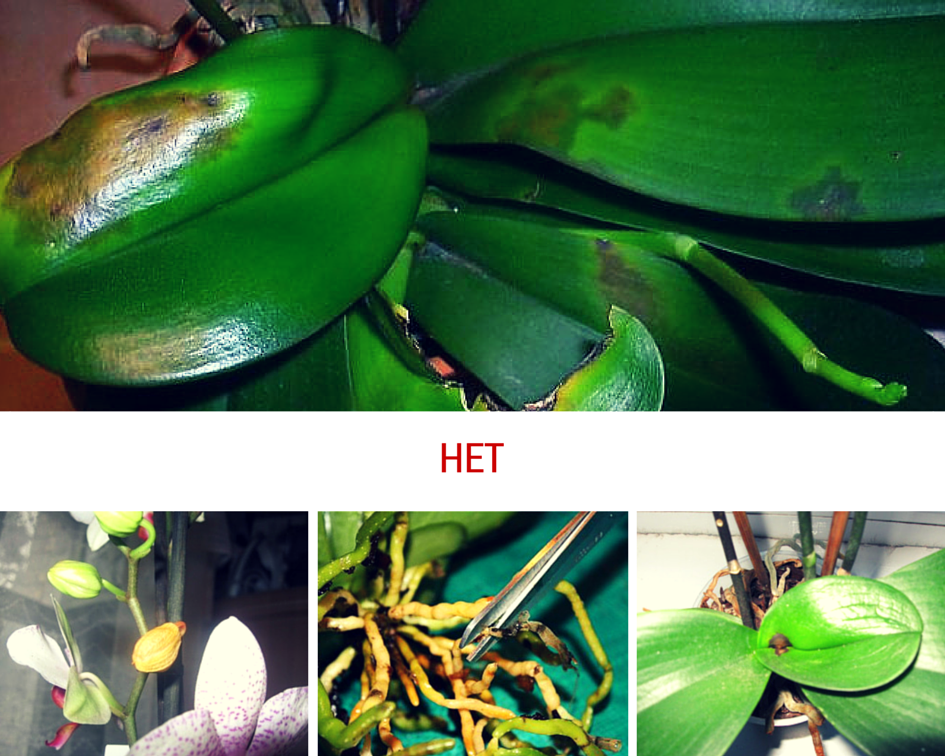
- Roots. Seen through a clear pot, the roots should be firm and silvery or green. Brown, mushy roots mean rot.
- Leaves. Firm, glossy, with no spots, dents or sticky residue.
- Flower spike. Choose a plant with some flowers open and some still in bud so the display lasts longer.
- Stability. The plant should not wobble in the pot — a sign the roots are healthy.
Care: light, watering, temperature
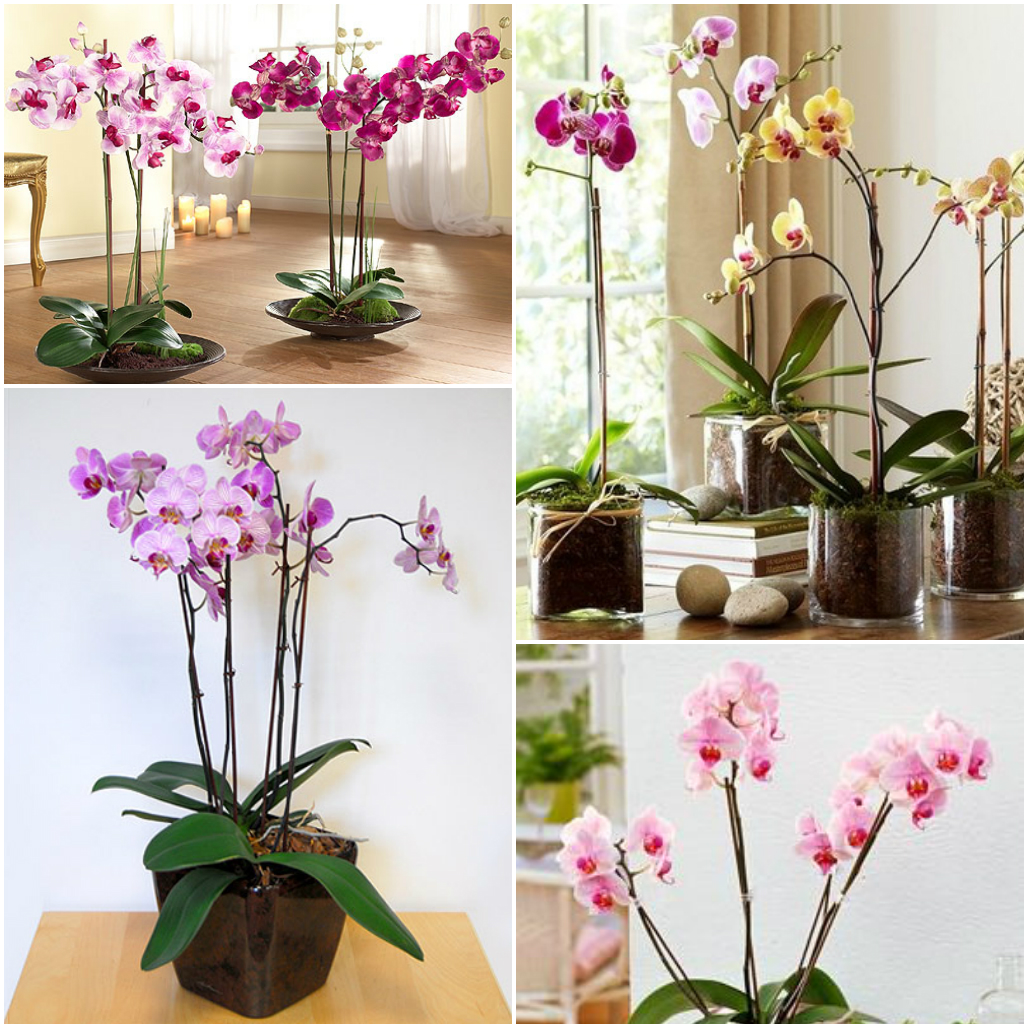
- Light. Bright but indirect, ideally an east- or west-facing window. Direct midday sun scorches the leaves.
- Watering. The most reliable method is soaking: stand the pot in lukewarm, settled water for 10–15 minutes, then let it drain completely. Water when the roots turn silvery — usually every 7–10 days in summer and less often in winter. Don't leave water in the leaf axils.
- Humidity. Orchids like humid air: place a tray of wet expanded clay nearby and keep the plant away from radiators.
- Feeding. Every 2–3 weeks with orchid fertiliser at half strength during active growth.
Repotting
.png)
Repot an orchid every 2–3 years after flowering, or sooner if the bark has broken down and the roots are rotting. Use a special pine-bark mix, sometimes with sphagnum moss, and a clear pot with holes — it lets you monitor the roots, and phalaenopsis roots also photosynthesise. Remove old dry or rotten roots with sterile scissors, let the cuts dry, and don't water for the first few days after repotting.
Why an orchid won't flower

- Too little light — the most common reason, especially in winter.
- No temperature drop. To start a flower spike, phalaenopsis needs several weeks of nights 3–5 °C cooler than the days. A cool windowsill in autumn helps.
- Too much nitrogen fertiliser — the plant grows leaves instead of flowers.
- Too young a plant — keikis and seedlings flower once they have 3–5 mature leaves.
- Stress — frequent moves or repotting while in bud.

What to do with the spike after flowering
.jpg)
When the last flowers drop, phalaenopsis gives you two options. If the spike stays green, you can cut it back above the second or third dormant node, which often produces a side branch with new buds. If the spike turns yellow and dries, cut it off at the base. Sometimes a node produces a keiki — a baby plant with leaves and roots — which can be separated and potted once its roots reach 3–5 cm.

Common problems
- Lower leaves yellowing — natural ageing, one leaf at a time; if several yellow at once, suspect overwatering or root rot.
- Wrinkled, limp leaves — the roots lack water or have died.
- Bud drop — draughts, overheating, ripe fruit nearby or a sudden move.
- Sticky drops on leaves — sometimes natural nectar, but possibly a sign of pests: inspect the plant.
Safety and gifting
.jpg)
Phalaenopsis is not considered toxic to cats and dogs, making it a good choice for homes with pets. A flowering orchid in a pot is a lovely gift for anyone who likes long-lasting plants. If you need cut flowers instead, orchids look superb in bouquets — see our orchid bouquet guide.
Frequently asked questions
How often should I water an orchid?
When the roots are silvery and the bark is dry — usually every 7–10 days in summer and every 10–14 days in winter.
How long does a phalaenopsis flower?
Usually 2–4 months, and with good care it blooms once or twice a year.
Should I cut the spike after flowering?
If it has dried, yes — at the base. If it is green, you can cut it back above the second or third node.
Why are the roots growing out of the pot?
That's normal: epiphytes have aerial roots. Don't cut or bury them.

View full-size photo
Author: Maria Svitlovir
Graduated from Taras Shevchenko National University of Kyiv, Institute of Biology and Medicine (2001). BSc in Biology, MSc in Horticulture. Writes about plants, works at a garden centre selecting and repotting plants, and contributes to plant reference guides.