
 Birthday
 Hydrangeas
An ethno bouquet is an arrangement in which the flowers, plants and decor instantly evoke a particular culture. In Ukraine the most popular is the Ukrainian-style bouquet: wheat ears, sunflowers, wildflowers, guelder-rose berries and ribbons with folk ornament. Here are the plants considered folk symbols, how to make an ethno bouquet yourself and how to adapt the idea to other cultures.
The base for an ethno bouquet — chrysanthemums or spray roses — can be ordered with delivery in Kyiv.
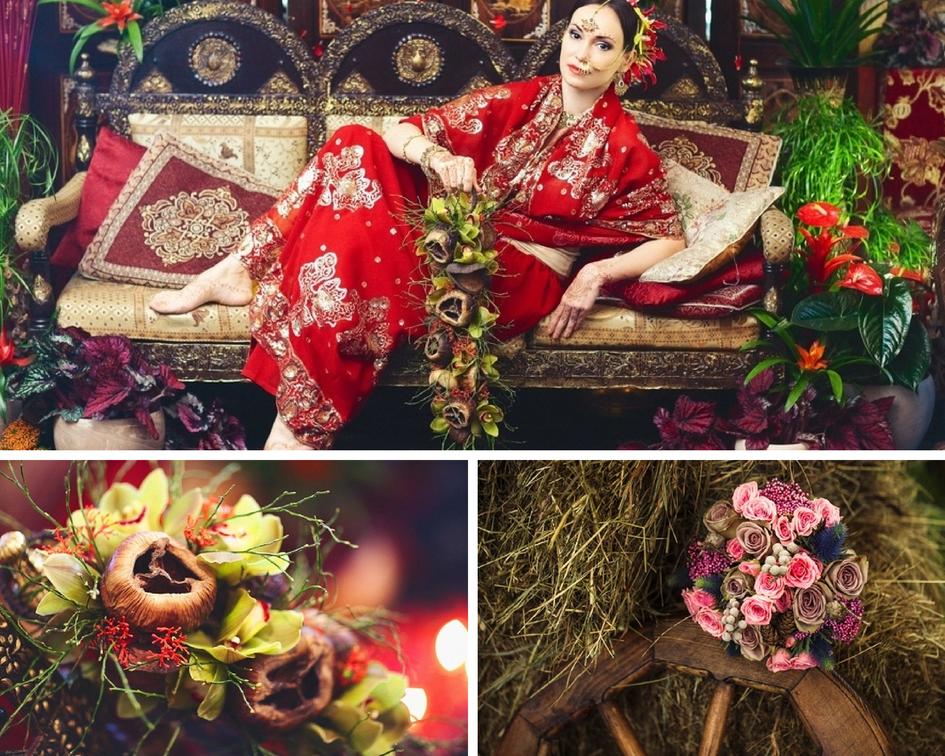
What an ethno bouquet is
An ethno bouquet relies on recognisable associations: a country's or region's symbolic plants, national colours, traditional materials and ornaments. The key is not to copy state symbols literally but to convey a mood: a Ukrainian bouquet means a warm "meadow" palette, grasses and a natural, relaxed shape.
Ukrainian symbolic plants
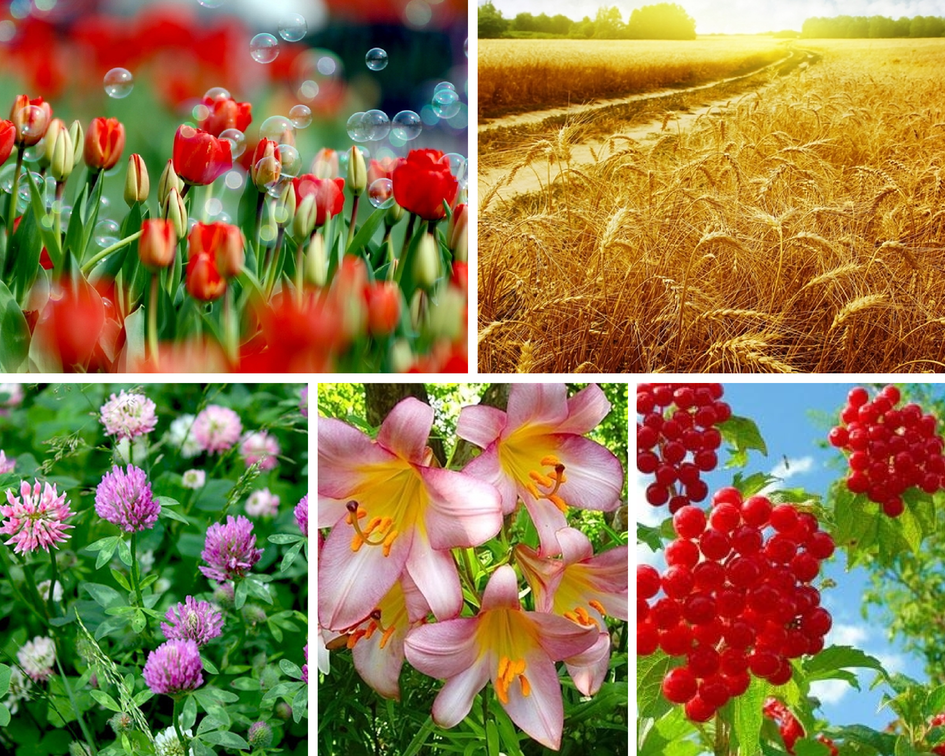
Many plants feature in Ukrainian songs, rituals and embroidery. These are the easiest to use in a bouquet:
Cornflowers, daisies, poppies, lavender, thyme, flax and dried flowers also fit well. In Ukraine the red poppy has also become a symbol of remembrance for the fallen, so a bouquet of poppies alone should suit the occasion.
How to make an ethno bouquet
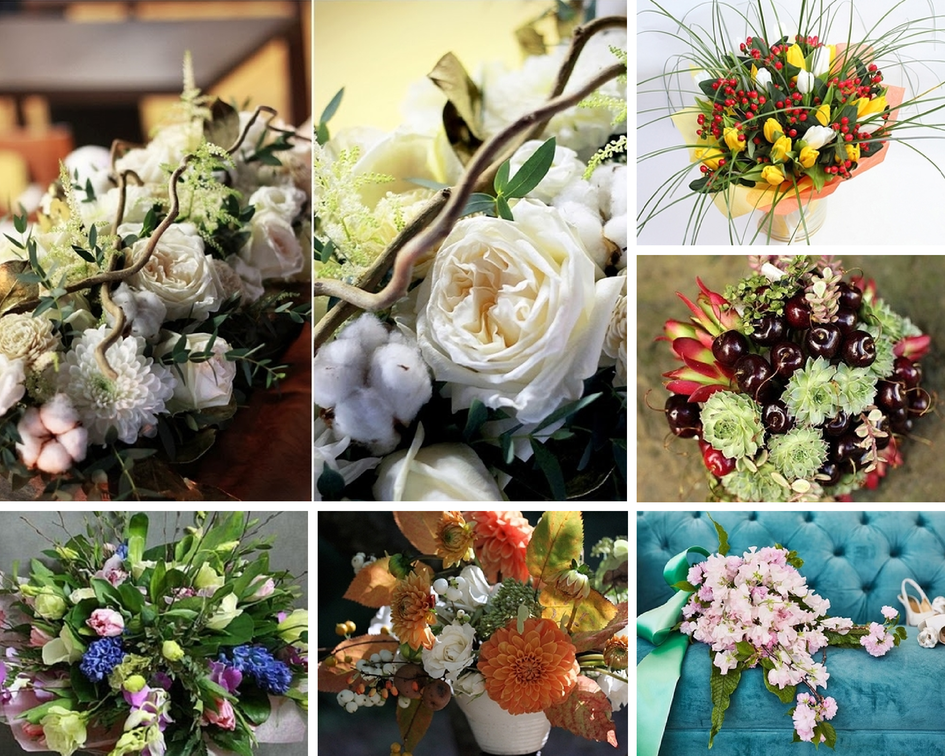
- Choose a palette. Blue and yellow (sunflowers, delphinium, cornflowers, statice), warm harvest tones (yellow and orange chrysanthemums, marigolds, wheat) or red and white like embroidery (red roses or carnations, white daisies, guelder rose).
- Prepare the base. 3–5 large flowers: sunflowers, spray roses, chrysanthemums. They need clean water and a fresh angled cut.
- Add meadow accents. Daisies, cornflowers, lavender, lisianthus — in small groups so the bouquet looks freshly picked.
- Add grasses and berries. Wheat or oat ears around the edge and 2–3 stems of guelder rose or rowan for a bright accent.
- Spiral the stems. Lay the stems in a spiral in one direction, tie with twine and cut to one length.
- Finish. Instead of cellophane, use linen, kraft paper or burlap; tie with an ornamental ribbon, red thread or a strip of embroidered fabric.
Making the bouquet last
- Sunflowers drink a lot — change the water daily and keep it topped up.
- Poppies and hollyhocks fade quickly once cut; poppy stems ooze latex, so briefly sear the stem ends or dip them in hot water for a few seconds.
- Wheat ears and dried flowers do not need water: you can remove and keep them after the fresh flowers fade.
- Keep the bouquet away from radiators and direct sun.
When to give an ethno bouquet
A Ukrainian ethno bouquet suits Independence Day and Constitution Day, Vyshyvanka Day (the third Thursday of May), an ethno-style wedding, teachers and family celebrations. For weddings, softer versions work well: white roses and daisies with wheat and periwinkle.
Ethno bouquets from other cultures
The same approach works for any country: find its symbolic plant and match the national palette. Ireland — shamrock and greenery; the Netherlands — tulips; Japan — cherry blossom branches or chrysanthemums; Scotland — thistle and heather; France — irises and lilies (the heraldic fleur-de-lis is often seen as a stylised iris). Read more in our article on flowers in heraldry.
FAQ
Which flowers are the most "Ukrainian"?
Sunflowers, hollyhocks, marigolds (chornobryvtsi), poppies, cornflowers and daisies, and among plants — guelder rose (kalyna), wheat and periwinkle.
Can I use guelder rose in winter?
Fresh berry stems are available from late summer to late autumn. In winter use dried or faux stems, or replace them with Hypericum berries.
What should I tie an ethno bouquet with?
An ornamental ribbon, linen cord, red thread or a strip of embroidered fabric. Kraft or linen wrapping also suits the style.

View full-size photo
Author: Maria Svitlovir
Graduated from Taras Shevchenko National University of Kyiv, Institute of Biology and Medicine (2001). BSc in Biology, MSc in Horticulture. Writes about plants, works at a garden centre selecting and repotting plants, and contributes to plant reference guides.