
 Birthday
 Hydrangeas
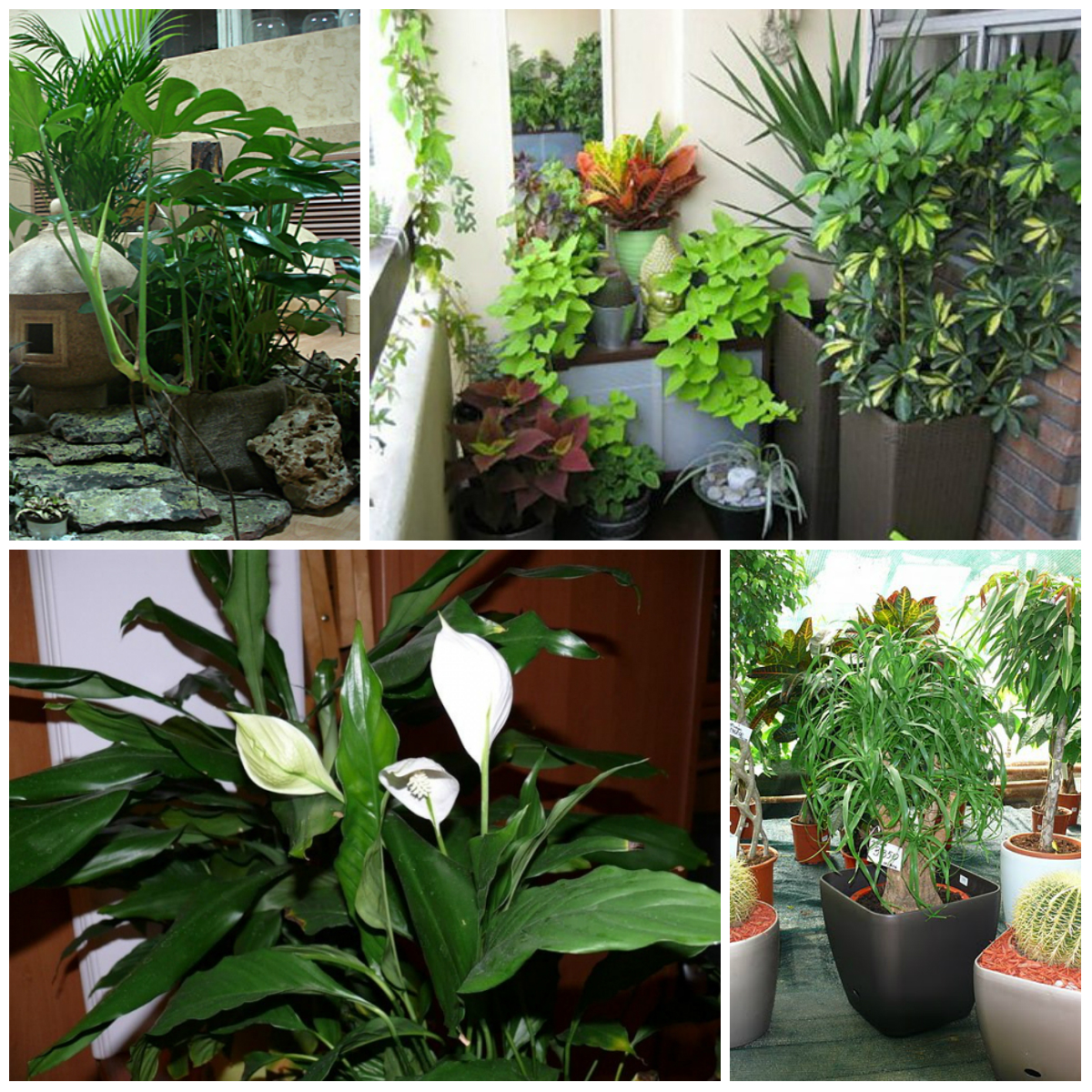
This article was prepared with the support of UFL flower delivery. Houseplants make a home cosier and livelier, but when choosing them we usually think about looks, size, flowers and ease of care. Yet some plants can cause allergies or skin irritation. It's individual: most people never react, but allergy sufferers, families with young children and pet owners should know which plants to handle with care.
Symptoms of a plant allergy
- runny or blocked nose, sneezing;
- watery, red, itchy eyes;
- scratchy throat, coughing;
- skin rash, hives, itching or redness where the plant touched you;
- in people with asthma — asthma attacks.
It's important to tell a true allergy from irritation: the caustic sap of euphorbias or dieffenbachia burns anyone's skin and mucous membranes, while an allergy only affects sensitised people.
Why plants cause reactions
Houseplants most likely to cause allergies
| Plant | Why it's a risk |
|---|---|
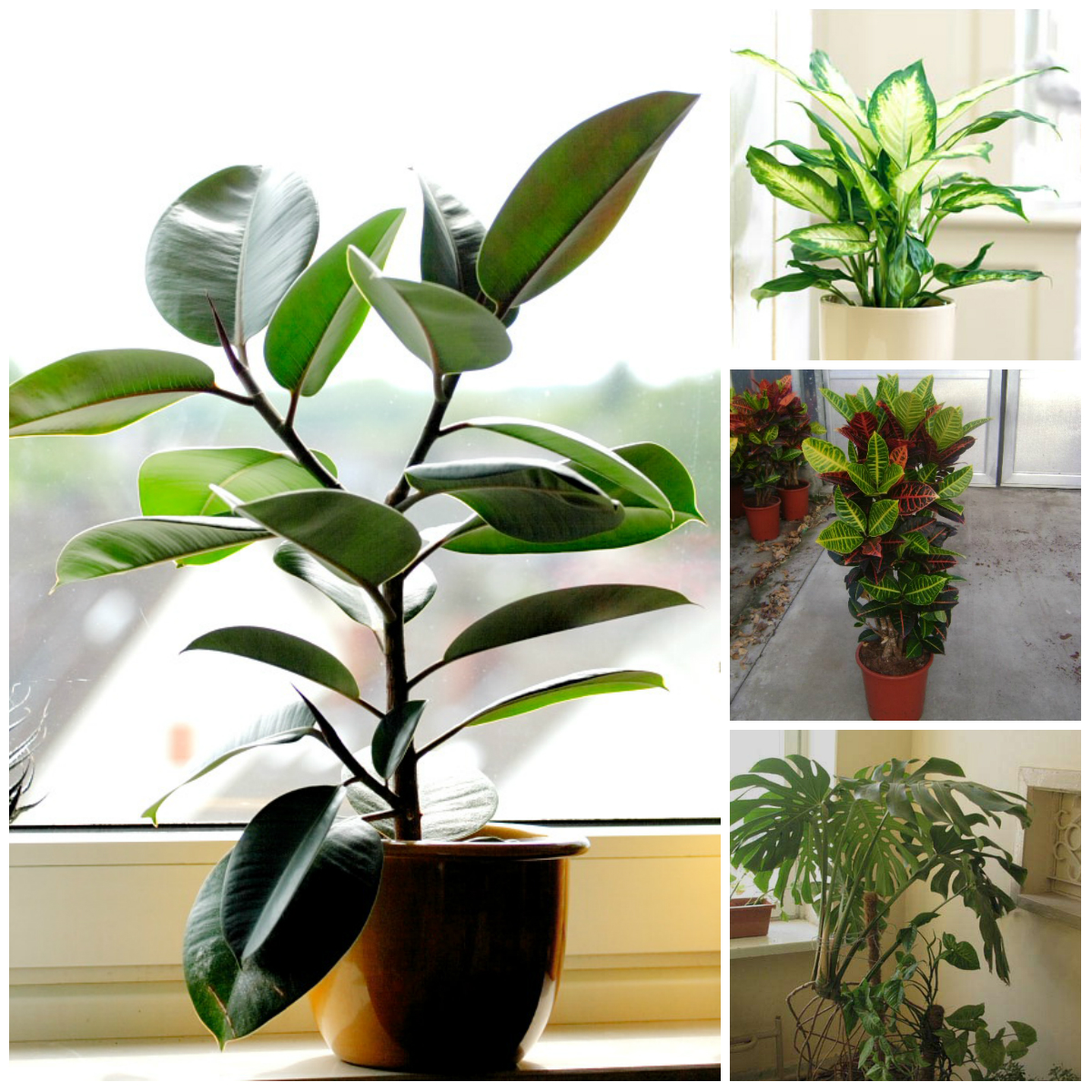
| Weeping fig (Ficus benjamina) | One of the best-known indoor allergens: proteins from its sap settle on the leaves and become airborne with dust. It can cause rhinitis and asthma, and may cross-react with latex. |
| Euphorbias: poinsettia, crown of thorns, croton, chenille plant | Milky sap irritates skin and eyes; people allergic to latex may react. |
| Primula obconica | Its compound primin is a classic cause of contact dermatitis in gardeners. |
| Pelargonium (geranium) | Essential oils in the leaves can cause headaches, rhinitis and contact dermatitis. |
| Chrysanthemum | Sesquiterpene lactones cause contact dermatitis in florists and gardeners. |
| Hyacinths, tulips, daffodils | Bulb sap irritates the skin — known as "tulip fingers". |
| Lilies, gardenia, jasmine, tuberose | Strong scent and lily pollen trigger headaches and rhinitis in sensitive people. |
| Ferns | Spores ripen under the fronds, spread around the room and can cause allergic rhinitis. |
| Dieffenbachia, aglaonema, monstera | Calcium oxalate crystals in the sap burn skin and mucous membranes and cause severe swelling if chewed. |
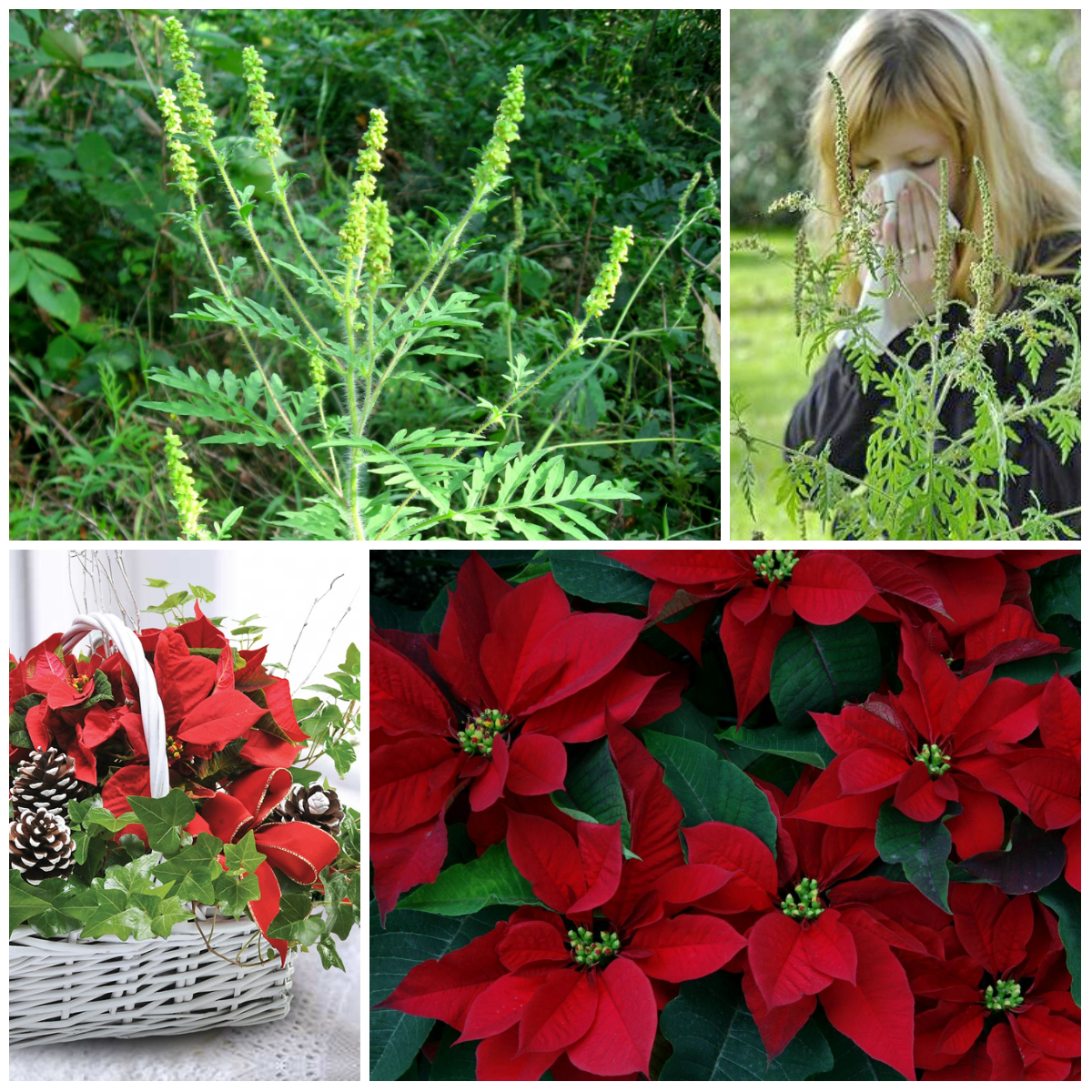
The strongest plant allergens — pollen from ragweed, birch, pine and meadow grasses such as fescue, meadow grass and timothy — grow outdoors, but they easily get inside through open windows and on clothing.
Plants to choose if you have allergies
No plant is completely hypoallergenic, but the fewest problems usually come from plants with no strong scent, no pollen and no caustic sap:
- snake plant, spider plant, ZZ plant;
- calatheas and marantas;
- peperomias and pileas;
- cacti and most succulents (except euphorbias);
- phalaenopsis orchids.
How to reduce the risk
- Wear gloves when repotting and pruning, especially euphorbias, dieffenbachia and bulbs. Don't touch your eyes or mouth and wash your hands afterwards.
- Wipe the leaves with a damp cloth every 1–2 weeks — dust and allergens settle on them.
- Don't overwater: mould grows in constantly wet compost, and its spores are a common hidden allergen. You can top-dress the pot with clay pebbles or decorative stones.
- Keep fragrant flowers out of the bedroom, especially lilies and hyacinths.
- Place plants with toxic sap out of reach of children and pets.
FAQ
Can you be allergic to flowers in a bouquet?
Yes — most often to lilies, chrysanthemums, mimosa and strongly scented flowers. People with allergies are better off with roses, tulips, orchids, hydrangeas or pollen-free bouquets (lily stamens can be removed).
Isn't a ficus a safe, air-purifying plant?
Plants add a little humidity, but the weeping fig is one of the most common indoor allergens.
What should I do if euphorbia sap gets in my eye?
Rinse the eye immediately with plenty of clean water and see a doctor.
UFL's florists can help you choose plants and bouquets suitable for allergy sufferers — see our houseplants section.

View full-size photo
Author: Maria Svitlovir
Graduated from Taras Shevchenko National University of Kyiv, Institute of Biology and Medicine (2001). BSc in Biology, MSc in Horticulture. Writes about plants, works at a garden centre selecting and repotting plants, and contributes to plant reference guides.