
 Birthday
 Hydrangeas
This article was prepared with the support of UFL flower delivery. The name Plectranthus comes from the Greek for “spur” and “flower”, hence spurflower. Its aromatic leaves earned it the nickname “houseplant mint” in Ukraine, and its popularity in Scandinavia the name Swedish ivy. It is fast-growing and almost indestructible: it forgives missed waterings, roots easily and turns into a lush bush or trailing cascade in one season.
About the plant
Plectranthus is a genus of perennials and subshrubs in the mint family (Lamiaceae), related to mint, basil and coleus. It includes several hundred species from tropical and subtropical Africa, Asia and Australia; after a recent revision botanists moved some of them to Coleus, though the old names persist in shops.
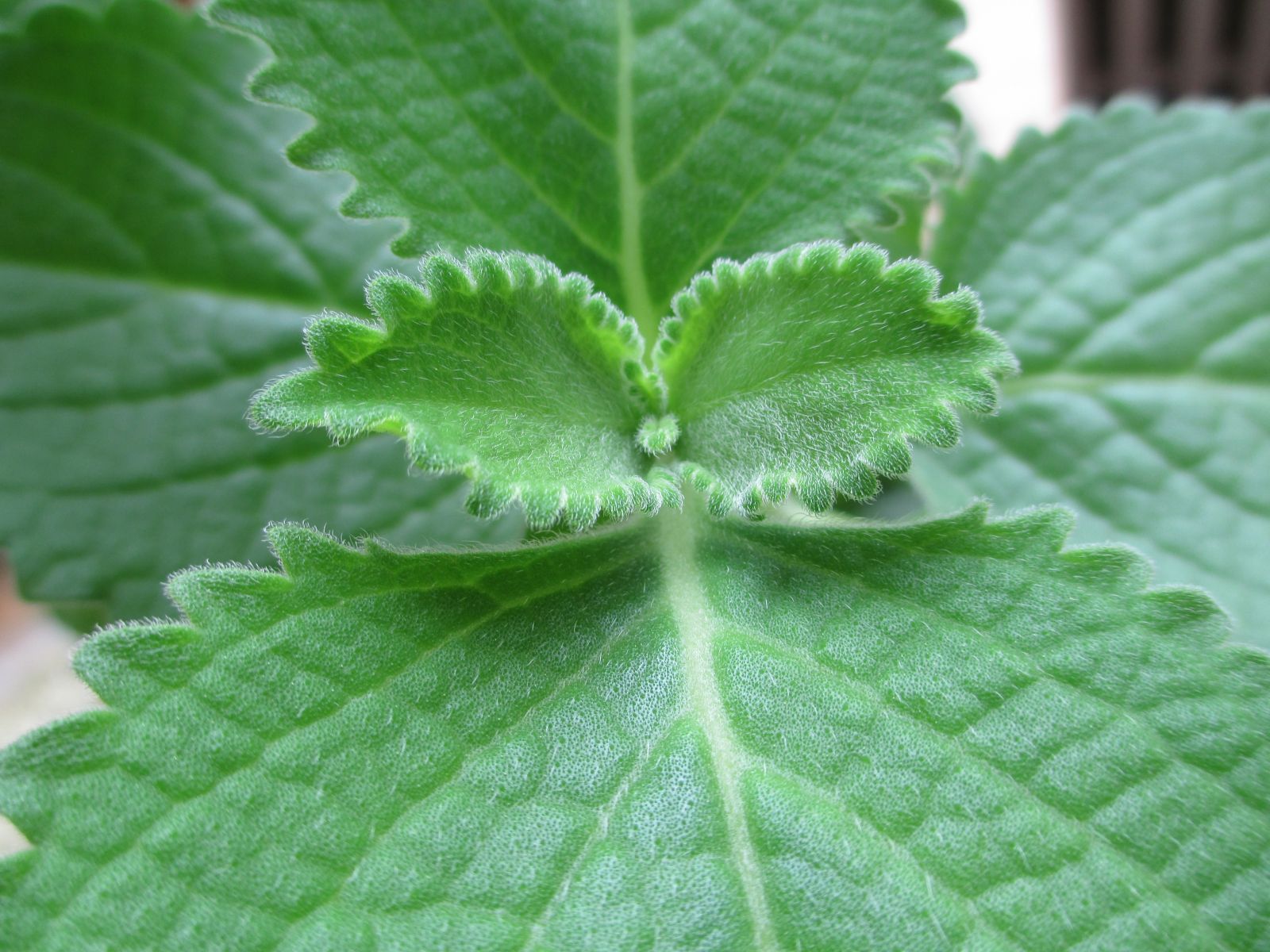
Stems are square, upright or trailing; leaves are opposite, often hairy, toothed and scented — from minty and camphor-like to spicy. The small two-lipped flowers are white, lilac or blue in spikes at the shoot tips, each with a small spur at the base — the “spur” of the name.
Types of plectranthus
Variegated plectranthus (P. forsteri ‘Marginatus’) is the most common: an upright bush with large, hairy, white-edged leaves, good in pots and summer planters.
Moth plant (P. fruticosus) grows to 1 m and has strongly scented leaves that moths dislike. In Scandinavia it was traditionally kept on windowsills as a symbol of domestic well-being.
Swedish ivy (P. verticillatus, P. australis) is a trailing plant with round, glossy, almost scentless leaves — ideal for hanging baskets.
Silver-veined plectranthus (P. oertendahlii) trails too, with bronze-green leaves, silvery veins and purple undersides, and a light camphor scent.
Cuban oregano (Coleus amboinicus), also called Indian borage, has thick, fleshy, hairy leaves with a strong spicy aroma. It is the only popular species used in cooking.
Mona Lavender is a hybrid with dark glossy leaves, purple undersides and long-lasting lilac flower spikes from autumn to spring — great for a balcony or bright windowsill.
You may also find P. ernstii, with a swollen bonsai-like base, and the silvery felted P. argentatus for summer beds and containers.
Plectranthus care
| Factor | Spring — summer | Autumn — winter |
|---|---|---|
| Light | Bright indirect, east or west window; balcony in part shade in summer | Brightest window or grow light |
| Temperature | 18–25 °C | 12–16 °C, not below 10 °C |
| Watering | Regular, when the top 1 cm is dry | Moderate, every 7–10 days |
| Feeding | Every 2 weeks with a balanced fertiliser | None, or monthly under grow lights |
Light and position
Plectranthus loves light, but harsh midday sun scorches the leaves, which fade, curl and dry. In low light the stems stretch and variegated forms lose their pattern. From mid-May to late September the pot can go on a balcony, terrace or into the garden in part shade, sheltered from strong wind. It is tropical and won’t survive frost.
Watering and humidity
With fibrous roots and large leaves, plectranthus drinks a lot in summer. Water with settled, room-temperature water when the top layer is dry and empty the saucer — standing water is the main cause of rot. Misting refreshes it in hot weather, but hairy-leaved species prefer a tray of wet pebbles. Water less in winter, especially in a cool room.
Soil and feeding
Any loose all-purpose potting mix with neutral to slightly acidic pH (6–7) and added perlite works. Feed every two weeks from spring to late summer with a foliage-plant fertiliser, alternating mineral and organic. Stop feeding in winter unless under grow lights.
Pruning and pinching
Plectranthus grows fast and becomes bare at the base. In spring cut long stems back by a third to a half, and pinch the tips during the season for a fuller plant. On foliage types, flower buds are often removed so the plant doesn’t waste energy; Mona Lavender, on the other hand, is grown for its flowers and pruned after blooming.
Repotting
Repot young plants every spring and mature ones every 2–3 years when roots fill the pot, moving the root ball into a pot 2–3 cm wider over 2–3 cm of drainage. After buying, let the plant settle for 1–2 weeks, then move it from transport peat into proper potting mix. Because plectranthus ages quickly, it is often easier to replace an old plant with a young one from cuttings every 2–3 years.
Propagation
It is one of the easiest plants to propagate.
- Take 7–10 cm tip cuttings with 3–4 pairs of leaves and remove the lower leaves.
- Stand them in a glass of water or insert directly into light, moist potting mix. Roots appear in 7–14 days.
- Plant 3–5 rooted cuttings per pot for a full bush within a couple of months.
Large plants can also be divided at spring repotting, making sure each piece has roots and several shoots.
Pests and problems
| Problem | Signs | What to do |
|---|---|---|
| Spider mites | Pale speckles, fine webbing, especially in dry air | Warm shower, raise humidity, miticide. |
| Aphids, whitefly | Colonies of small insects, sticky leaves | Soapy water; insecticide for heavy infestations. |
| Scale, mealybugs | Brown bumps or white fluff in leaf axils | Remove with an alcohol-dipped swab, systemic insecticide. |
| Powdery mildew | Whitish coating in cool, damp conditions | Remove affected leaves, ventilate, fungicide. |
| Root rot | Wilting in wet soil, dark roots | Root healthy tips, discard the old plant. |
| Yellowing, dropping leaves | Cold, overwatering or an old plant | Adjust watering, move somewhere warmer, renew from cuttings. |
| Pale, curling leaves | Direct sun | Give some shade. |
Plectranthus in the kitchen and home
Only Cuban oregano (Coleus amboinicus) is considered edible. In Caribbean, Indian and Southeast Asian cooking its fleshy leaves go into meat dishes, beans, soups and marinades; the flavour is like oregano and thyme combined. Use it sparingly, as a herb.
Other species are not used in cooking. Moth plant leaves are placed in wardrobes to deter moths, and dried leaves in scented sachets.
Meaning and folklore
In Scandinavia plectranthus has long been “Swedish ivy”, a plant of domestic comfort that stood on almost every windowsill. Folk beliefs link it with luck and prosperity, so it is given as a housewarming gift, to colleagues and to people starting a business. It is an easy gift — even a beginner can grow a lush plant. More green gifts are in our houseplants with delivery in Kyiv section.
FAQ
How is plectranthus different from mint?
Both are in the mint family, but plectranthus has a different scent, larger hairy leaves and no frost tolerance. True mint is grown in the garden, plectranthus indoors.
Is plectranthus toxic to cats?
No serious poisonings are recorded for popular species, but the sap of some can irritate skin and mucous membranes, and eating a lot of leaves may upset a pet’s stomach. Keep it out of reach.
Why is my plectranthus leggy?
Too little light or too much warmth in winter. Move it closer to the window, pinch the tips and renew it from cuttings.
Can I plant it in the garden?
Yes, for summer, in part shade after the last frost. In autumn bring it back indoors or root cuttings to overwinter.

View full-size photo
Author: Maria Svitlovir
Graduated from Taras Shevchenko National University of Kyiv, Institute of Biology and Medicine (2001). BSc in Biology, MSc in Horticulture. Writes about plants, works at a garden centre selecting and repotting plants, and contributes to plant reference guides.