
 Birthday
 Hydrangeas
Since ancient times people have looked for foods and scents to kindle passion: oysters, chocolate, honey, spices, incense. Modern science is sceptical about “aphrodisiacs”: there is no convincing evidence that any food directly boosts desire. But a delicious dinner, a pleasant scent and flowers really do set the mood — and in romance that is what matters. Let’s separate myth from what works.

What science says
The word comes from Aphrodite, the Greek goddess of love. Many foods earned their reputation through their shape, rarity or price rather than their chemistry. As long ago as 1989 the US FDA concluded that there was no scientific evidence that over-the-counter “aphrodisiac” products work. There are a few studies, for example on saffron, but they are small. What is well established is that desire depends on health, rest, mood and the relationship. If low libido persists, talk to a doctor — it can be linked to health conditions or medication.
Foods with a reputation
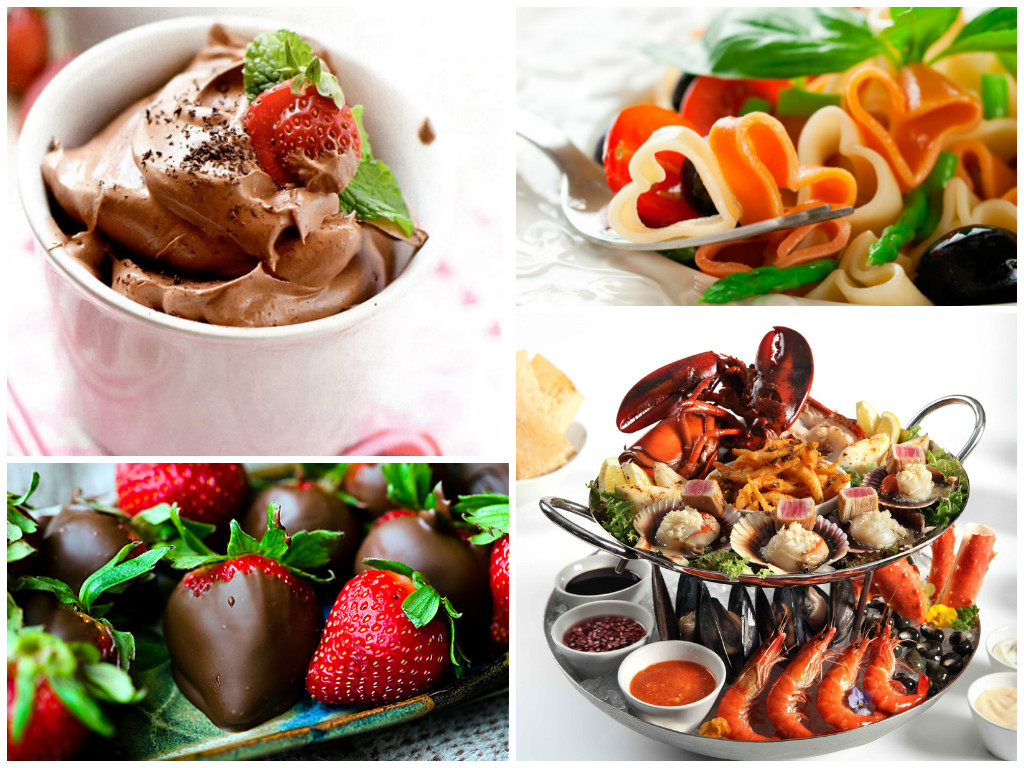
- Oysters and seafood — the legendary symbol of passion. They are rich in zinc, which matters for health, but have no instant effect.
- Chocolate — a source of pleasure; the substances dubbed “love chemicals” are present only in tiny amounts.
- Strawberries, pomegranate, figs, avocado — beautiful, juicy and perfect for romantic presentation.
- Honey, nuts, sesame — traditional “energy” foods in many cuisines.
The best “aphrodisiac” on this list is the process itself: cooking together, serving the meal beautifully and not overeating.
Spices
.jpg)
Cinnamon, vanilla, nutmeg, cardamom, ginger, saffron and chilli add warmth and aroma. Spicy, fragrant food heightens the senses and feels festive. Just consider your partner’s tastes — a dish that is too hot will spoil the evening faster than it helps.
Scents and essential oils
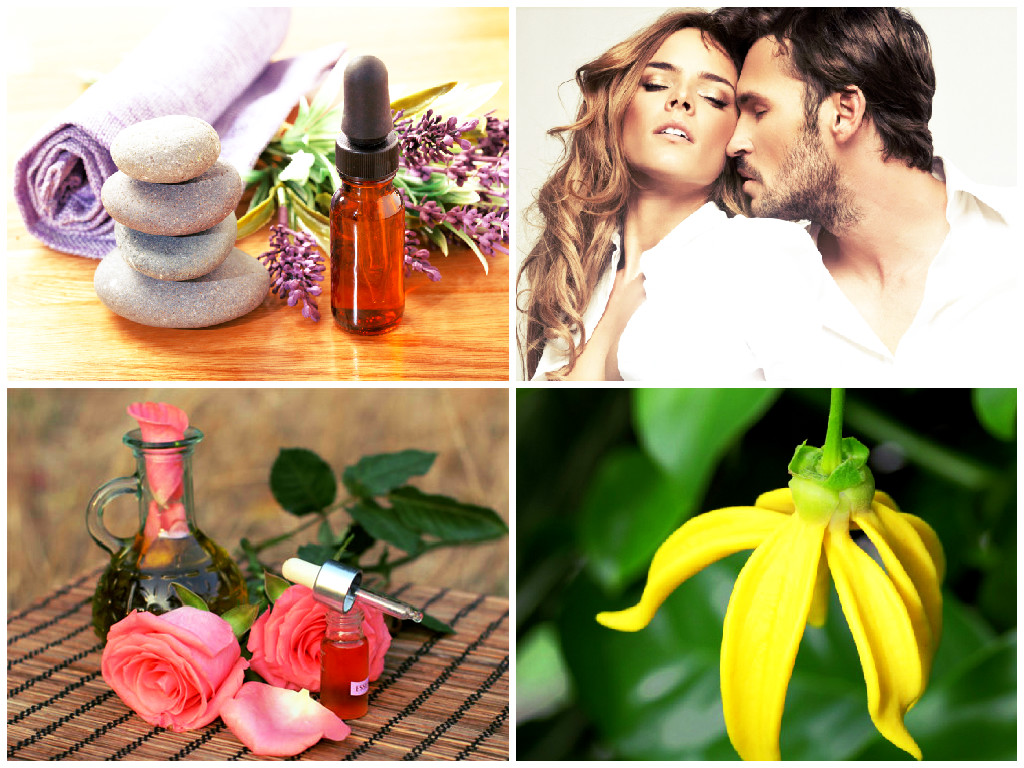
Smell is closely tied to emotions and memories. Rose, jasmine, ylang-ylang, sandalwood, vanilla and bergamot are popular for a romantic atmosphere. “Pheromone” perfumes are marketing: human pheromones have not been scientifically shown to work.
- Use essential oils in an oil burner or diffuser, a few drops at a time; never swallow them.
- For a bath, first mix 3–5 drops with an emulsifier (milk, salt, shower gel); never apply undiluted oils to the skin.
- Some oils are dangerous for cats and dogs, and candles should never be left unattended.
Flowers — the surest option
Fresh flowers are guaranteed to lift the mood and make an occasion feel special. A bouquet of red roses, fragrant peonies or jasmine on the table will do more than any “magic” spice. Find a bouquet for a romantic dinner in rose delivery in Kyiv, and read about flower meanings in the language of flowers.
FAQ
Do real aphrodisiacs exist?
There is no reliable evidence that any food directly increases desire. Atmosphere, rest, mood and attention to each other are what work.
Which scents are considered romantic?
Rose, jasmine, ylang-ylang, sandalwood, vanilla and bergamot — choose one you both like.
When should I see a doctor?
If reduced desire lasts a long time or worries you, it is worth consulting a specialist.
This article is for general information and does not replace medical advice.

View full-size photo
Author: Maria Svitlovir
Graduated from Taras Shevchenko National University of Kyiv, Institute of Biology and Medicine (2001). BSc in Biology, MSc in Horticulture. Writes about plants, works at a garden centre selecting and repotting plants, and contributes to plant reference guides.