
 Birthday
 Hydrangeas
The cactus seems like the most familiar houseplant: prickly, undemanding, hardly needing water. Yet behind the pot on your windowsill is one of the most unusual plant families on Earth. Cacti include forest epiphytes, plants as tall as a six-storey building and species whose fruit you can buy in the supermarket. Here are some interesting facts about cacti — and a look at popular myths.
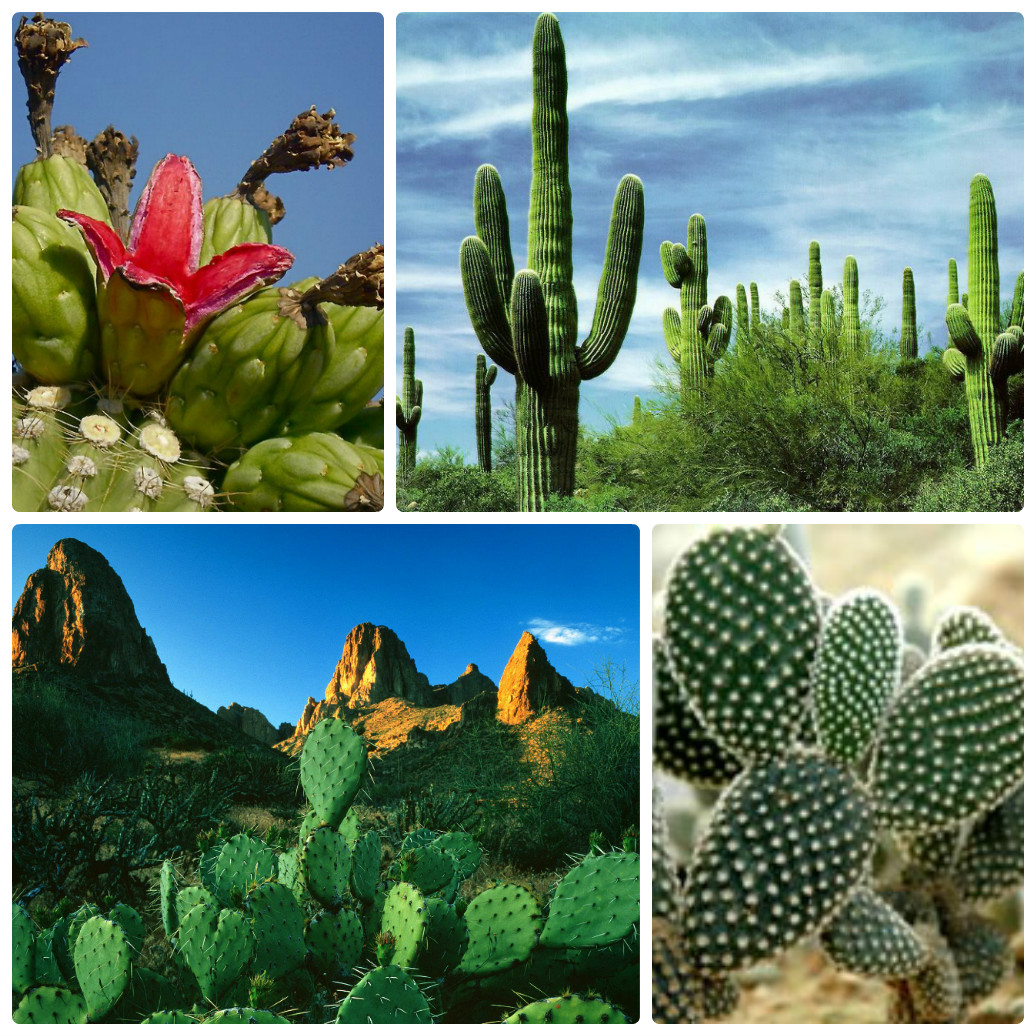
What cacti are
The cactus family (Cactaceae) is a family of flowering plants in the order Caryophyllales. It includes about 1,800 species, and almost all of them are native to North and South America. The one notable exception is the mistletoe cactus (Rhipsalis baccifera), which also grows in tropical Africa, Madagascar and Sri Lanka. All other cacti found today in the Mediterranean, Africa or Australia were introduced by people.
The word "cactus" comes from the Ancient Greek κάκτος, a name for a spiny, artichoke-like plant. Carl Linnaeus used it for a genus, and it later passed to the whole family.
12 interesting facts about cacti
1. Spines are modified leaves
Most cacti have no ordinary leaves. The green stem does their job, while the spines are leaves turned into protective needles. They deter animals, cast shade and help collect dew.
2. The key feature of a cactus is the areole
Euphorbias and other succulents can be spiny too, so they are often mistaken for cacti. True cacti can be recognised by areoles — small cushions from which spines, hairs, new shoots and flowers grow. Only cacti have areoles.
3. Cacti "breathe" at night
Many cacti use a special type of photosynthesis called CAM. Their stomata open at night, when it is cooler, and the plant stores carbon dioxide. During the day the stomata stay closed, so far less water is lost.
4. Not all cacti live in deserts
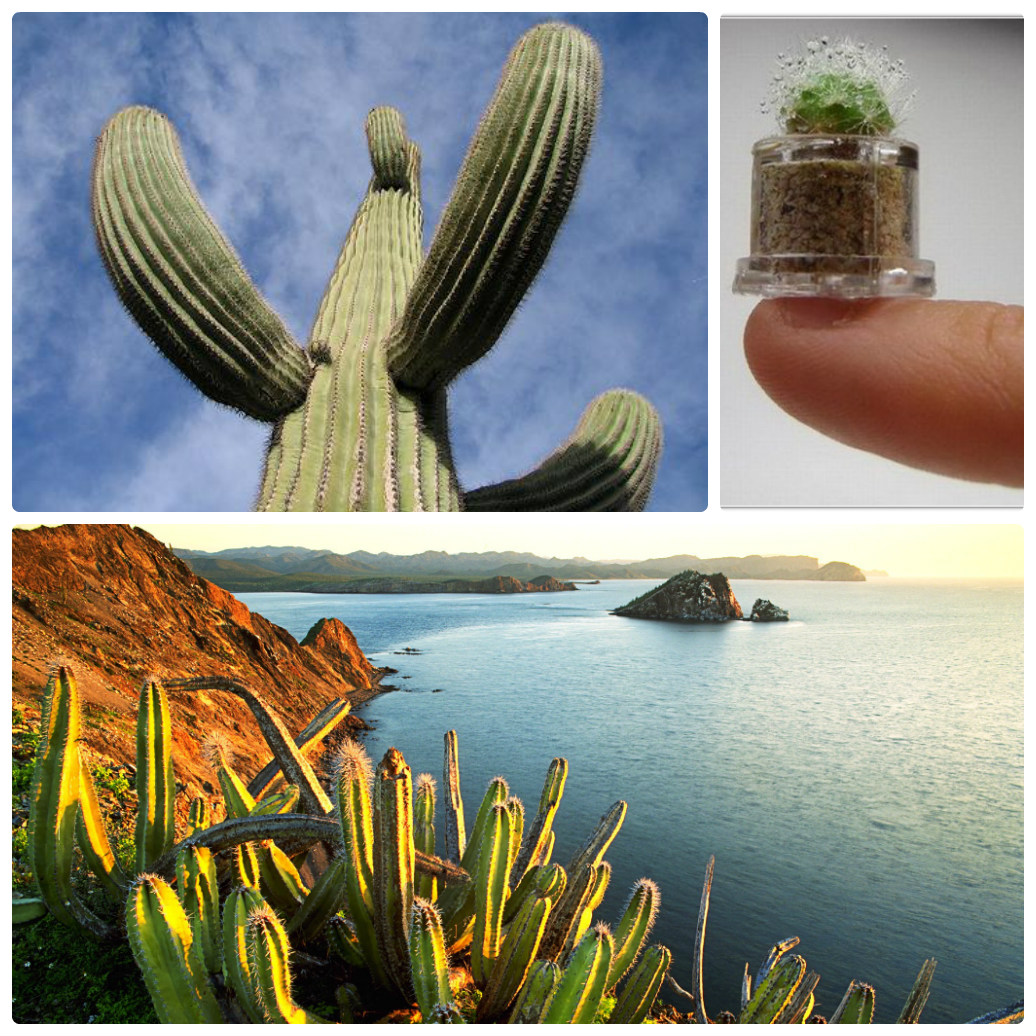
The Christmas cactus (Schlumbergera), Epiphyllum and Rhipsalis come from humid tropical forests. They grow on trees as epiphytes and dislike direct sun and "once a month" watering, so forest cacti need very different care from desert ones.
5. The smallest and the tallest
Blossfeldia liliputana from Bolivia and Argentina is one of the smallest cacti: a mature plant is about 1–2 cm across. The height record belongs to the Mexican giant cardón, Pachycereus pringlei, which reaches about 19 metres.
6. The saguaro grows very slowly
The famous cactus of Westerns is the saguaro (Carnegiea gigantea) from the Sonoran Desert. In its early years it grows barely a centimetre a year, its side arms often appear only after 50–70 years, and it can live for 150 years or more. The saguaro blossom is the state flower of Arizona.
7. Cacti flower regularly
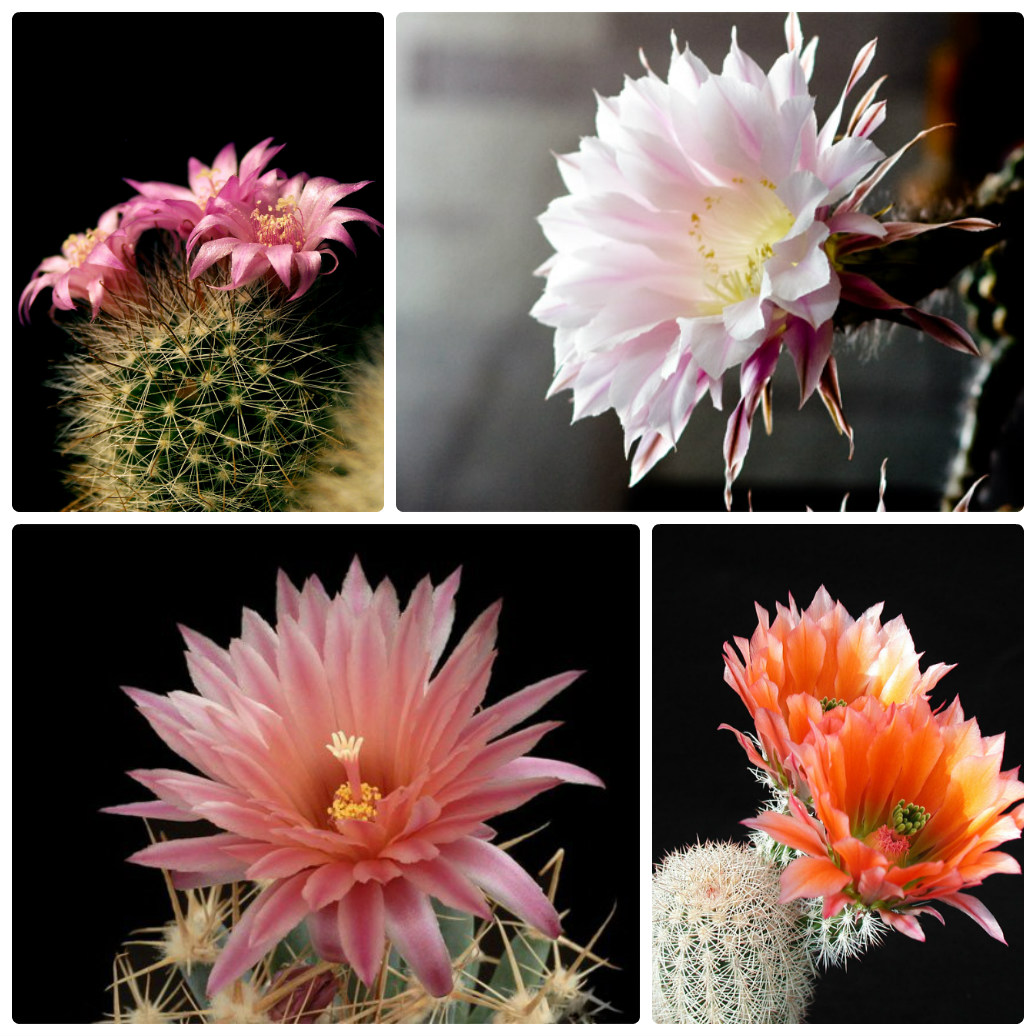
The common belief that a cactus flowers once in its life and then dies is a myth. It is often confused with the agave, which does frequently die after flowering. With proper care, cacti bloom every year. Their flowers can be white, yellow, pink, red, orange or purple. In some species they last several days, in others just one night — as in Selenicereus, known as the "queen of the night".
8. Flowering needs a cool winter
Many desert cacti, such as Mammillaria, Rebutia and Lobivia, need a winter rest to set buds: a bright spot, around 5–12 °C and almost no watering. A cactus that winters next to a hot radiator stretches and does not flower. Read more about this routine in our Lobivia care guide.
9. Dragon fruit is a cactus too
Dragon fruit, or pitahaya, is the fruit of the climbing cactus Selenicereus. Prickly pear fruits (Opuntia) are edible as well, and young flat Opuntia pads — nopales — are a popular vegetable in Mexican cuisine.
10. Cacti give us a dye
The cochineal insect lives on Opuntia. Dried females are used to make carmine dye (food additive E120). The Aztecs dyed textiles with it, and after the European arrival in the Americas carmine became one of the most valuable goods Spain shipped to Europe.

11. A cactus on a national emblem
The coat of arms and flag of Mexico show an eagle perched on a prickly pear cactus, holding a snake. According to legend, this is where the Aztecs founded their capital Tenochtitlan — today's Mexico City.
12. A cactus can become a disaster
Prickly pears introduced to Australia had spread over millions of hectares of pasture by the early 20th century. The problem was solved by a small South American moth, Cactoblastis, whose caterpillars feed on Opuntia. It is one of the best-known examples of biological weed control.
Cactus myths
- "A cactus by the computer protects against radiation." No. The plant does not absorb electromagnetic radiation from a monitor or router. Keep one on your desk simply because it looks nice.
- "Cacti don't need watering." They do, just less often than other plants: in spring and summer after the soil dries out completely, and in winter most desert species need almost none.
- "Cacti love any heat." Many species tolerate intense heat in the wild, but on a windowsill they can easily scorch if moved suddenly from shade into full sun. Acclimatise them gradually.
- "Cacti are carnivorous." No. Cacti do not trap insects — that is what plants like sundews and Venus flytraps do.
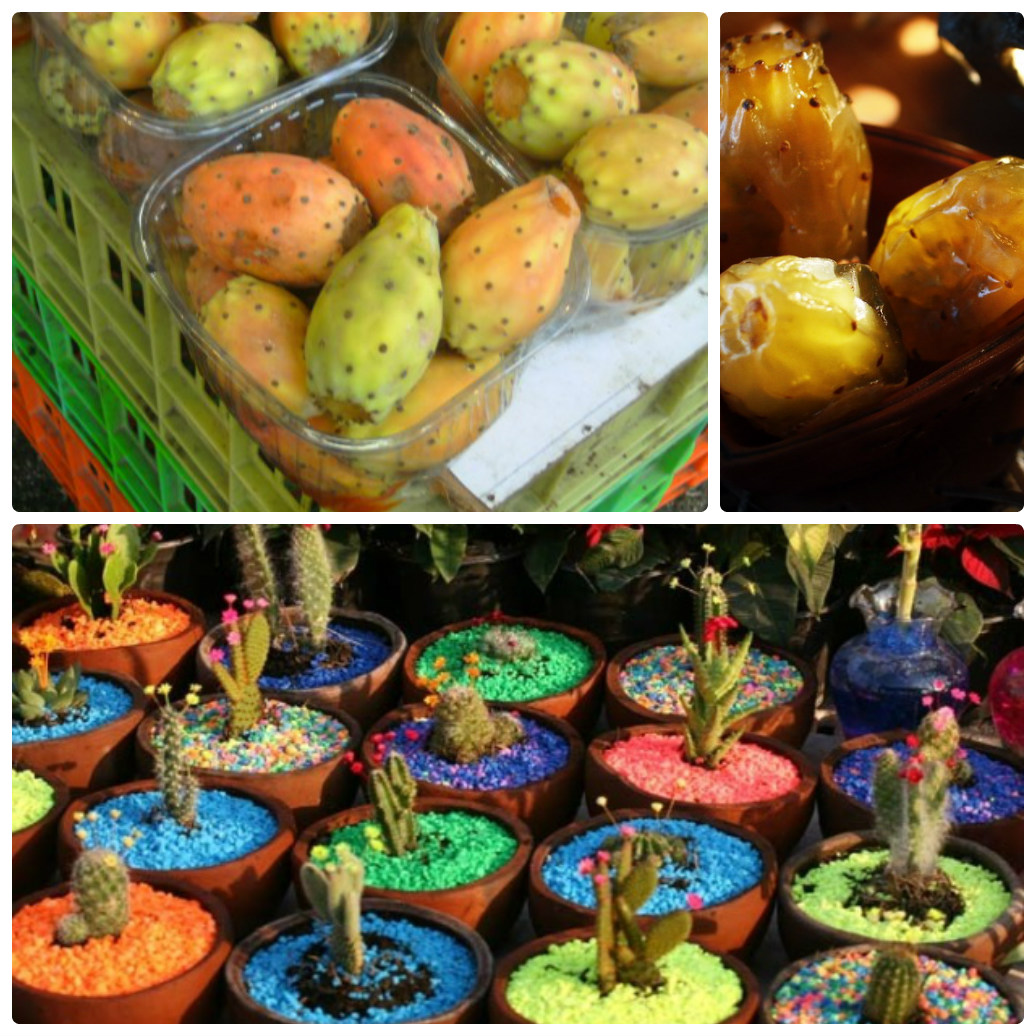
Cacti at home: care in brief
- Light. The brightest window; forest cacti prefer diffused light.
- Soil. Ready-made cactus and succulent mix with coarse sand or perlite, in a pot with a drainage hole.
- Watering. Only once the soil is completely dry; overwatering is the main cause of cactus death.
- Careful with Opuntia. Besides large spines it has glochids — tiny barbed hairs that easily lodge in the skin. Repot in thick gloves, and remove stray hairs with sticky tape.
A cactus makes a good gift for someone who travels a lot or is just starting out with plants. You can find one among our potted plants. And if you fancy a mini garden, see how to make a succulent arrangement.
FAQ
How many species of cactus are there?
About 1,800. The number changes as botanists revise the classification.
Is it true that a cactus flowers only once in its life?
No. Cacti flower regularly if they get enough light in summer and a cool, dry winter rest.
Where do cacti come from?
North and South America. Only the mistletoe cactus naturally grows outside the Americas.
What is the largest cactus?
Pachycereus pringlei from Mexico, up to about 19 metres tall.
Does a cactus help against computer radiation?
No, that is a myth. A cactus does not absorb radiation from electronics.

View full-size photo
Author: Maria Svitlovir
Graduated from Taras Shevchenko National University of Kyiv, Institute of Biology and Medicine (2001). BSc in Biology, MSc in Horticulture. Writes about plants, works at a garden centre selecting and repotting plants, and contributes to plant reference guides.