
 Birthday
 Hydrangeas
In Chinese culture, flowers are a language spoken by poetry, painting and festivals. The peony wishes wealth, the plum blossom resilience, the lotus purity and the chrysanthemum a long life. Here are the flowers regarded as symbols of China, how they are used at New Year, weddings and days of remembrance, and which flowers are best not given to Chinese friends.
Does China have a national flower?
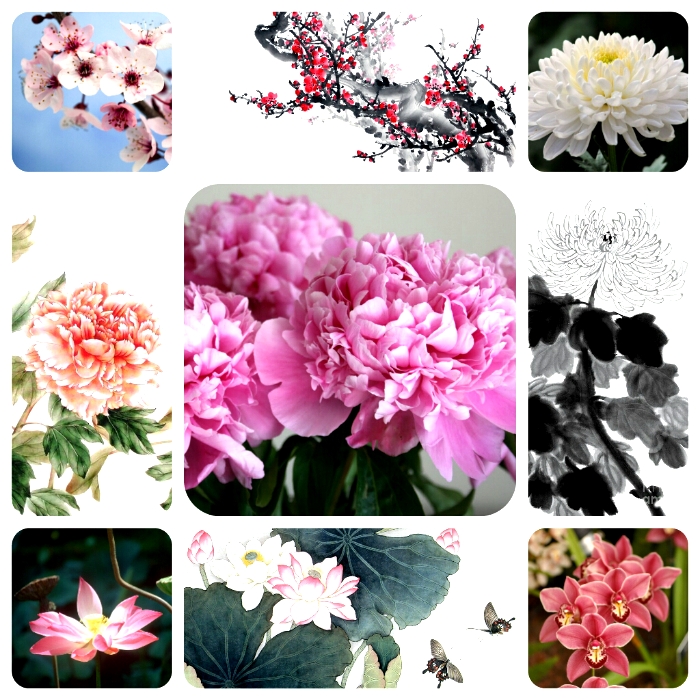
The People's Republic of China has no officially designated national flower. The strongest candidates are the peony and the plum blossom (mei). The peony is popularly called the "king of flowers", while the plum blossom was adopted as a symbol in Taiwan. In polls run by the China Flower Association, the peony came out on top.
The "Four Gentlemen"
Classical painting and poetry have a set group known as the "Four Gentlemen": plum blossom, orchid, bamboo and chrysanthemum. Each corresponds to a season and to the virtues of a noble person. They appear on scrolls, porcelain and textiles, and beginners in ink painting traditionally learn by drawing them.
Key flower symbols
Peony — king of flowers
.jpg)
The peony symbolises wealth, honour and happiness. It was beloved by the emperors of the Tang dynasty, and peony motifs still decorate wedding cards and interiors today. The city of Luoyang in Henan province is known as the peony capital: every April since 1983 it has hosted a festival that draws visitors from all over China. The peony is a fitting flower for weddings and housewarmings; see our peonies.
.jpg)
Plum blossom
The plum blooms in late winter while snow still lies around, so it became a symbol of resilience, hope and renewal. Its five petals are sometimes read as the five blessings: longevity, wealth, health, virtue and a peaceful old age.
Lotus
The lotus grows out of mud yet its flower stays pure — an image celebrated in the 11th-century essay "On the Love of the Lotus" that made it a symbol of purity and nobility. In Buddhism the lotus is linked to spiritual awakening. It also appears on the flag and emblem of Macau.
Chrysanthemum
The chrysanthemum is the flower of autumn and longevity. On the Double Ninth Festival (the ninth day of the ninth lunar month), people admire chrysanthemums, drink chrysanthemum tea and visit elderly relatives. See our chrysanthemums.
Orchid
The orchid stands for nobility, modesty and refinement. Confucius is credited with comparing a virtuous person to an orchid that is fragrant even when no one is there to notice. Browse our orchids.
Flowers at festivals
Chinese New Year
Before the Spring Festival, flower markets open in many cities, especially in southern China. Homes are decorated with:
- narcissi — the bulbs are forced in a bowl of water to bloom for the holiday and bring good luck;
- peach blossom branches — a symbol of spring, romantic luck and long life;
- kumquat and mandarin trees — the golden fruit stands for prosperity;
- orchids and peonies — a wish for the family to flourish.
Read more about the "money" symbolism of plants in flowers that symbolise wealth.
Weddings
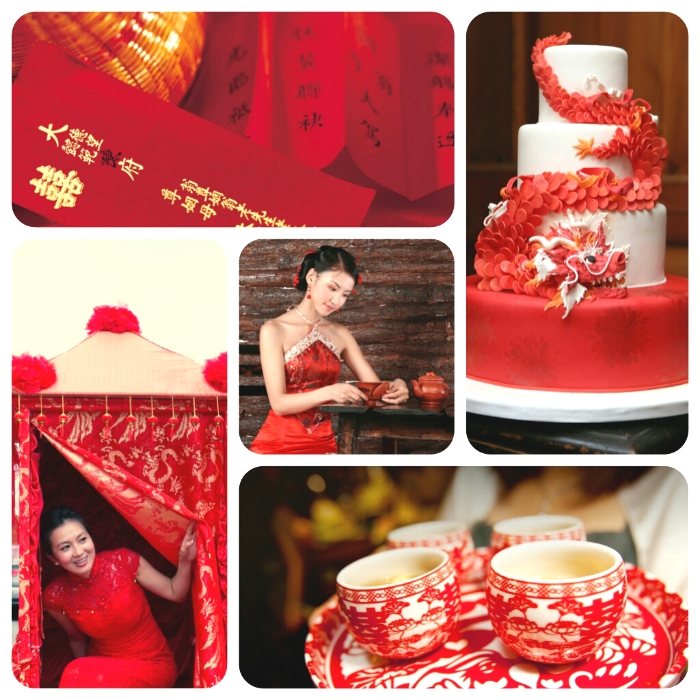
The main wedding colour in China is red, the colour of joy and good fortune. Lilies are especially popular: their name, baihe, echoes the wish "a hundred years of harmony". Peonies stand for wealth and a happy marriage, and the lotus for harmony and children. Many couples now blend traditions — a bride may wear both a white gown and a red qipao.
Birthdays and milestone birthdays
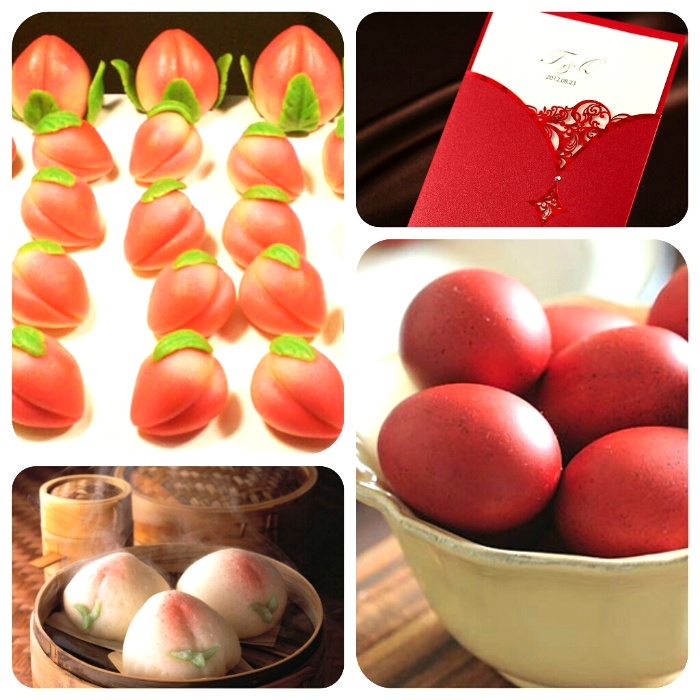
Milestone birthdays of older people receive special attention. Long "longevity noodles" and peach-shaped buns are served, and chrysanthemums, orchids or a potted plant make appropriate gifts. Children and young people often receive red envelopes with money.
Qingming and days of remembrance
In early April, at the Qingming Festival, families visit and tidy their ancestors' graves and bring flowers — most often white and yellow chrysanthemums. White is traditionally the colour of mourning in China.
Flower etiquette: what to keep in mind
- Don't give white or yellow chrysanthemums on happy occasions — in China they are funeral flowers.
- Avoid all-white bouquets for celebrations; choose red, pink or yellow tones instead.
- The number 4 sounds like the word for "death", so it is avoided in gifts. The numbers 6, 8 and 9 are considered lucky.
- Potted plants make good housewarming and business-opening gifts, as they symbolise growth.
If you are congratulating Chinese friends living in Ukraine, choose peonies, orchids, roses or lilies in warm tones. For flower meanings across cultures, see our guide to the language of flowers.
FAQ
What is the national flower of China?
There is no official one. The peony is most often named, and less often the plum blossom.
Which flowers should not be given to Chinese people?
White and yellow chrysanthemums and all-white bouquets, which are associated with mourning.
Which flowers are given at Chinese New Year?
Narcissi, peach blossom branches, orchids, peonies, and kumquat or mandarin trees.
What does the lotus symbolise in China?
Purity and nobility: it grows from mud yet stays unsullied.
When is the Luoyang Peony Festival?
Every April, when the peonies bloom.

View full-size photo
Author: Maria Svitlovir
Graduated from Taras Shevchenko National University of Kyiv, Institute of Biology and Medicine (2001). BSc in Biology, MSc in Horticulture. Writes about plants, works at a garden centre selecting and repotting plants, and contributes to plant reference guides.


