
 Birthday
 Hydrangeas
A truly lush flower bed is not one where everything blooms at once, but one that keeps flowering from April until the frosts. The trick is to choose plants by flowering time, height and growing conditions, and to fill gaps with annuals and decorative foliage. Here is how to plan such a bed and what to plant for each season.
Flowering plants are in our potted plants section.
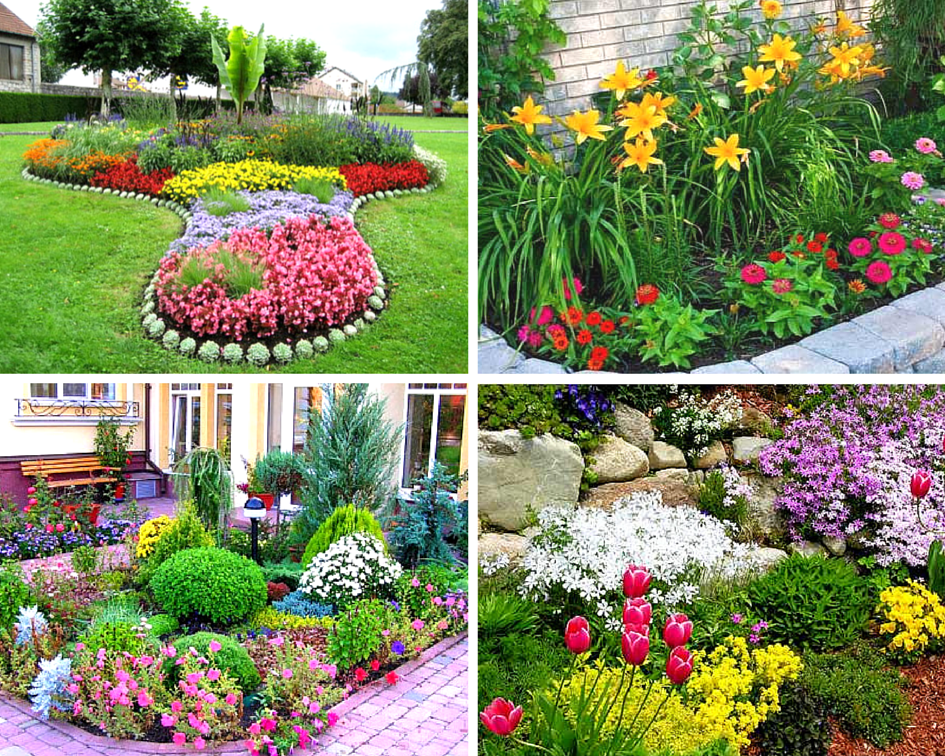
What flowers in spring, summer and autumn
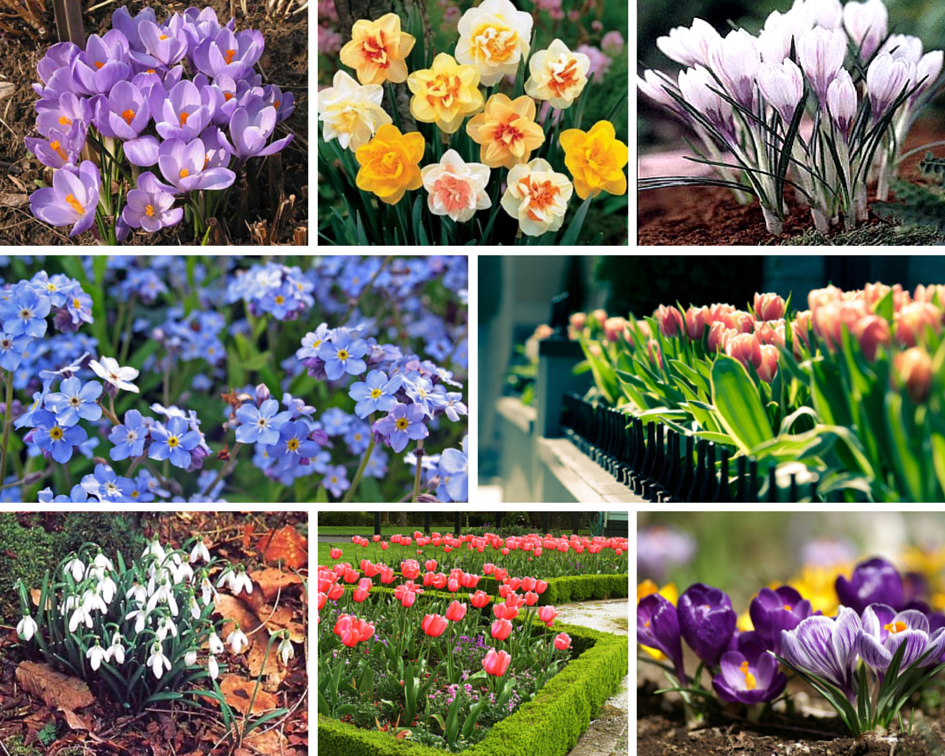
- Spring. Bulbs: crocuses, daffodils, tulips, hyacinths, muscari, fritillaries. Plant them in autumn; after flowering leave the leaves until they yellow — so place bulbs between perennials that will hide the fading foliage.
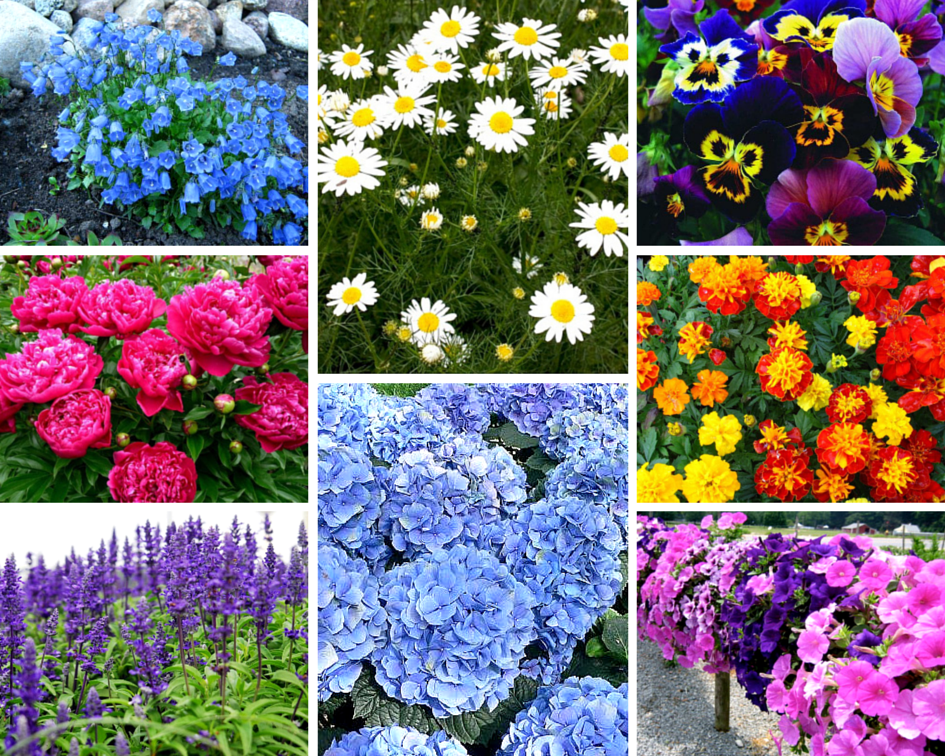
- Early summer. Peonies, irises, columbines, lupins; heucheras and hostas add foliage all season.
- Summer. Daylilies, lilies, echinacea, phlox, shrub roses, salvia, catmint.
- Autumn. Perennial asters, garden chrysanthemums, showy stonecrop, rudbeckia, ornamental grasses.
- All season. Annuals — marigolds, zinnias, cosmos, petunias, verbena — flower from early summer to the frosts and fill empty spaces.
For early spring bulbs, see Fritillaries in the garden.
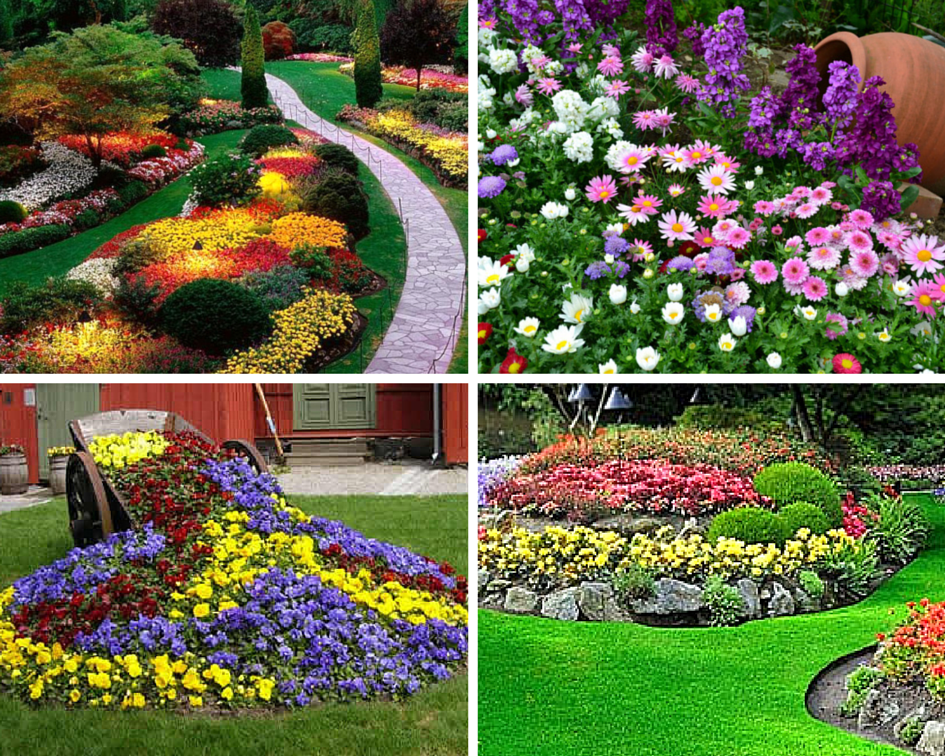
How to plan the bed
- Site. Most flowering plants need at least 6 hours of sun a day. For shade, choose hostas, astilbes, ferns and brunnera.
- Height. Tall plants at the back (or in the centre of an island bed), medium in the middle, low and ground-cover plants at the edge.
- Groups. Plant in drifts of 3–5 of one kind; single plants look scattered.
- Colour. Stick to 2–3 main colours plus one neutral (white or silver foliage) for a coherent look.
- Structure. A couple of low shrubs or conifers keep the bed’s shape in winter.
Planting and care
- Dig the soil, remove weed roots and add compost before planting.
- Plant perennials in spring or early autumn and bulbs in September–October.
- Mulch after planting to hold moisture and suppress weeds.
- Deadhead spent flowers — roses, salvia and many annuals respond with more blooms.
- Divide congested perennials every 3–5 years.
Short on time? Pick easy plants — ideas in Low-maintenance garden.
FAQ
When should I start a flower bed?
Autumn is easiest: plant perennials and bulbs, then add annuals in spring. A spring start works too, but without spring bulbs in the first year.
How many plants per square metre?
Roughly 5–7 medium perennials or 9–12 low ones; exact numbers depend on the mature size shown on the label.
How do I make the bed look good in the first year?
While perennials establish, fill the gaps with annuals — they cover the soil quickly and flower all summer.

View full-size photo
Author: Maria Svitlovir
Graduated from Taras Shevchenko National University of Kyiv, Institute of Biology and Medicine (2001). BSc in Biology, MSc in Horticulture. Writes about plants, works at a garden centre selecting and repotting plants, and contributes to plant reference guides.