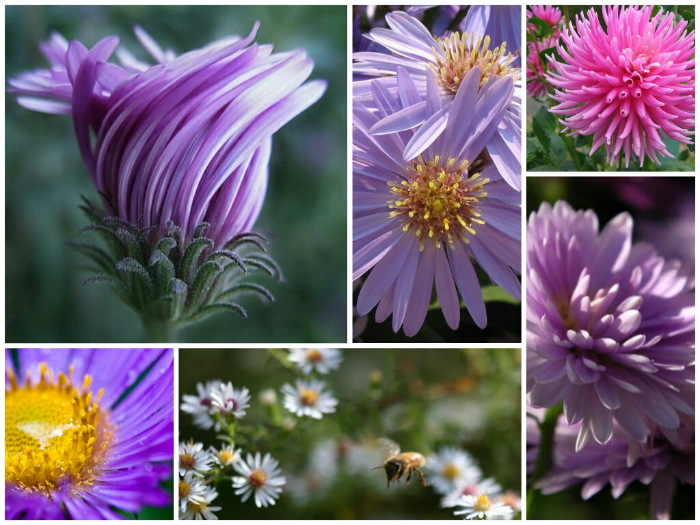
Asters are the symbol of early autumn and 1 September in Ukraine: lush, bright and very long-lasting in a vase. The name actually covers different plants — annual China asters for bouquets and perennial "Michaelmas daisies" for the garden. Here is how they differ, which varieties exist, how to make a bouquet with asters and how to grow them. More flowers with photos, names and meanings are in our guide to types of flowers. This is a birth month flower; see September flowers.
Autumn bouquets can be ordered among our chrysanthemums and flower baskets with delivery in Kyiv.
"Aster" comes from the Greek word for "star", after the ray-like petals around the centre, which also inspired legends of a flower grown from stardust. In English-speaking tradition the aster is the birth flower of September and symbolises patience, love and remembrance.
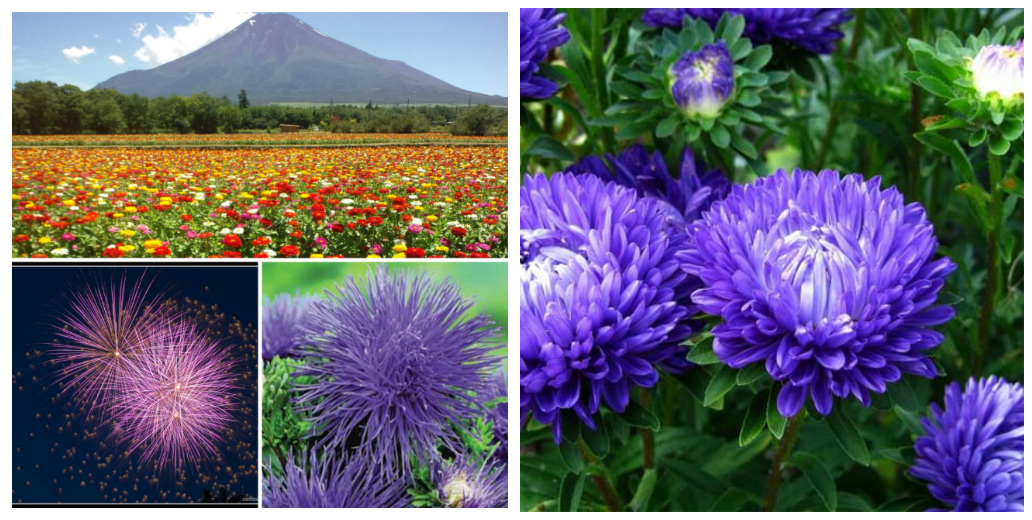
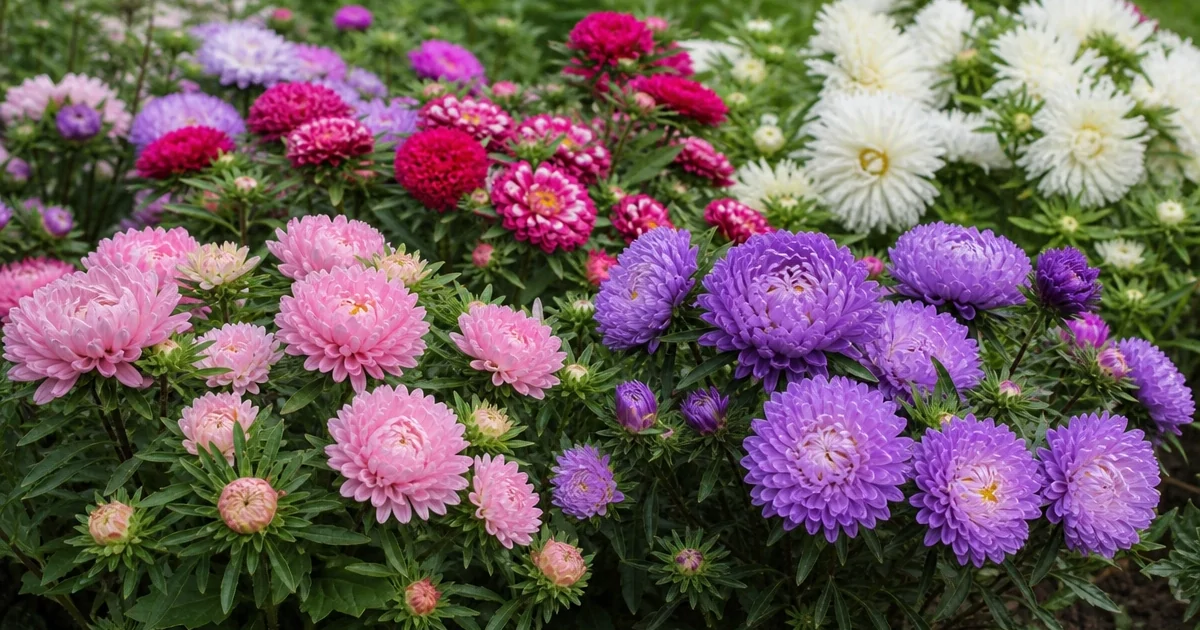
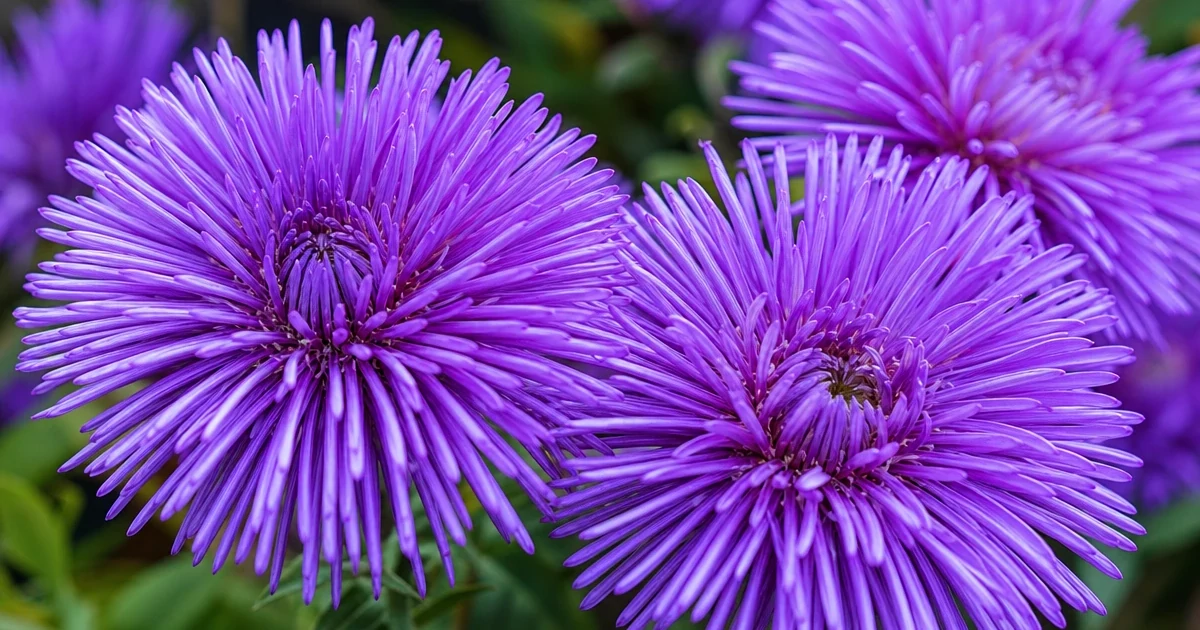
Botanists long ago moved the annual aster into its own genus, Callistephus, and the perennial American species into Symphyotrichum, but in everyday use all of them are called asters. Annual varieties include pompon, peony-flowered, needle (with narrow quilled petals), ostrich-plume and ball forms, in white, pink, crimson, purple, blue and cream.
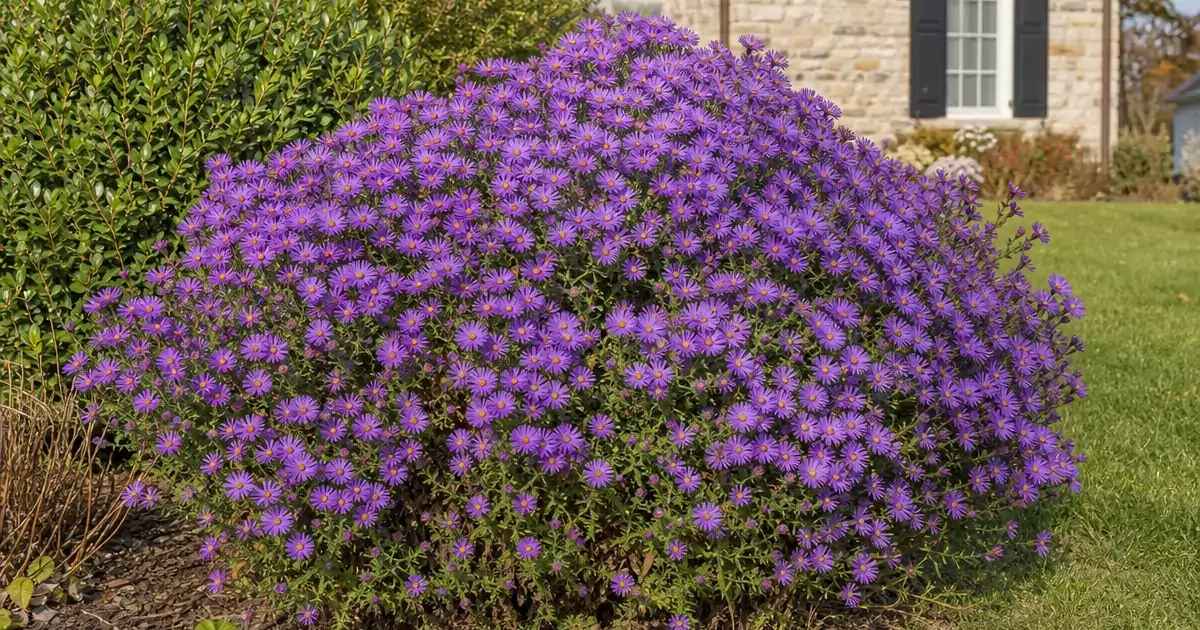
Perennial asters are easy: sun, moderate watering and dividing the clump every 3–4 years.
Annual asters (Callistephus) are grouped by flower form. The favourites among gardeners and florists:
Asters are a traditional choice for a 1 September bouquet for a teacher: affordable, bright and able to survive a day in a child's hands.
Perennial asters — Michaelmas daisies, New England asters and bushy types — bloom in September–October, when most nectar plants have finished. They become one of the few “canteens” for bees, bumblebees and butterflies before winter. Single, non-double varieties with an open yellow centre attract insects best, as nectar and pollen are hard to reach in double flowers. For an autumn garden that truly buzzes, plant a few aster clumps next to sedum and buddleja in a sunny spot.
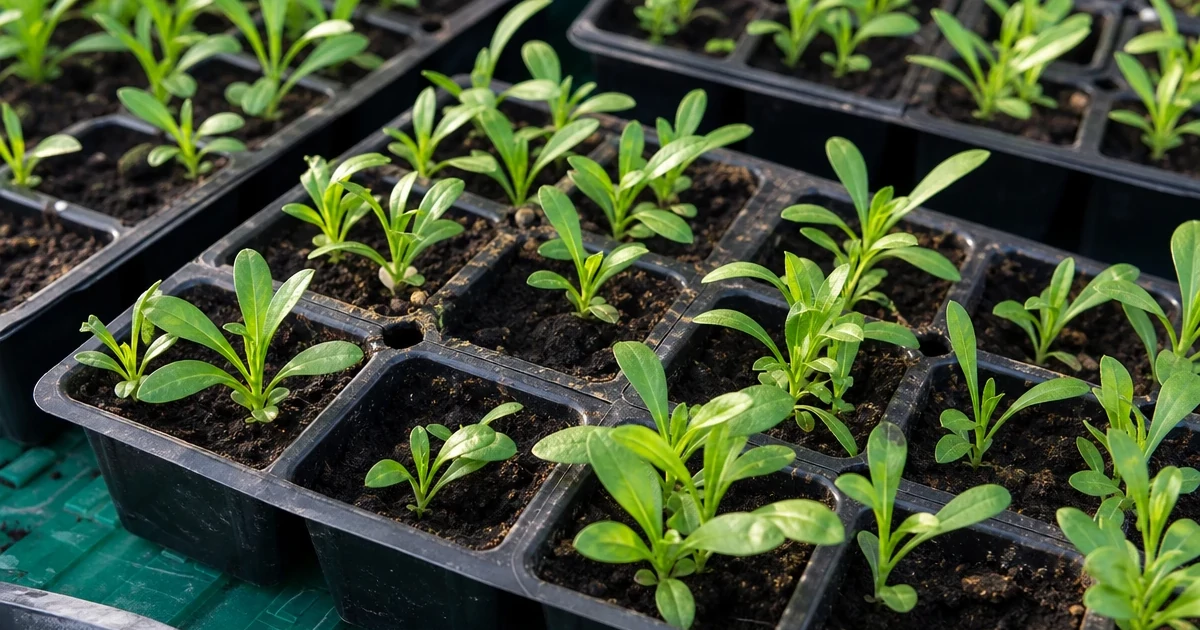
For seedlings, sow annual asters from late March to mid-April. Cover the seed lightly and keep it at +18…+20 °C; shoots appear in 5–7 days. Then lower the temperature to +15…+16 °C so the seedlings don’t stretch, and prick out at 2–3 true leaves.
Outdoors, plant seedlings out in May after the frosts. You can also sow straight into the ground in April or early May (later flowering, sturdier plants) or before winter, in November, into already chilled soil. Avoid fresh manure and beds where asters, gladioli or tulips grew last year to reduce the risk of fusarium wilt.
10–14 days with regular water changes.
Michaelmas daisies are perennial asters with small flowers that bloom in September–October. The large asters used in bouquets are annuals.
Most often because of Fusarium wilt. Rotate the planting site and choose resistant varieties.
From late March to mid-April. At +18…+20 °C they sprout in 5–7 days, and seedlings go outdoors in May.
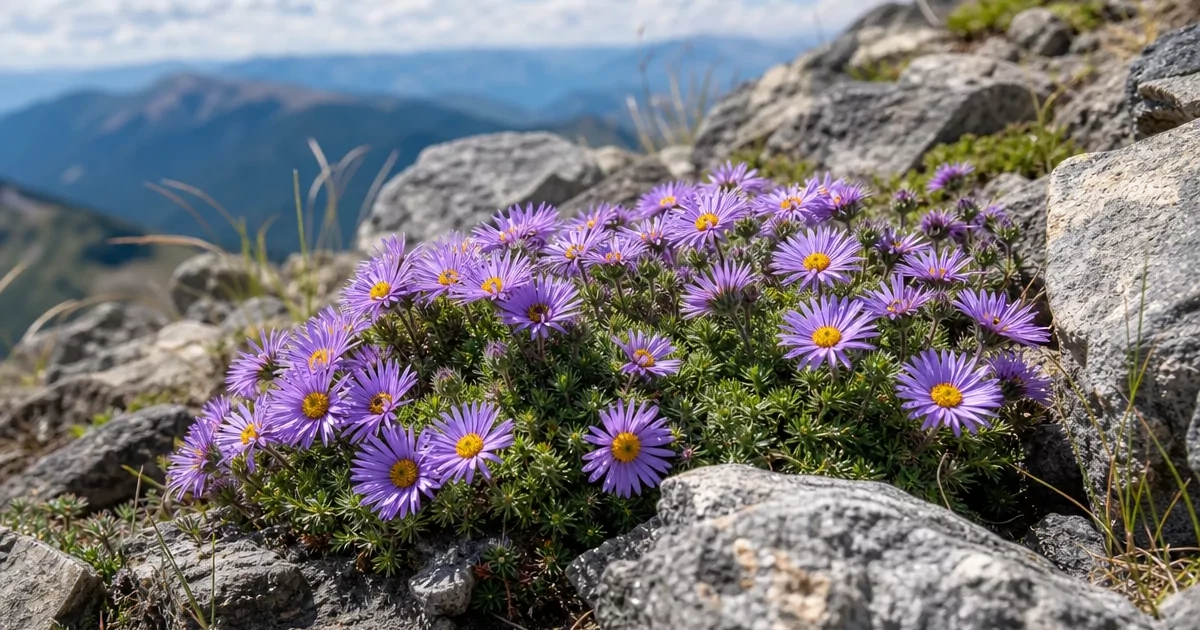
It is a low perennial aster that blooms first, in May–June, unlike the autumn Michaelmas daisies — ideal for rock gardens.
Oleksandr Oles. His poem about white autumn asters is one of the best-known in Ukrainian lyric poetry and was set to music.

Author: Maria Svitlovir
Graduated from Taras Shevchenko National University of Kyiv, Institute of Biology and Medicine (2001). BSc in Biology, MSc in Horticulture. Writes about plants, works at a garden centre selecting and repotting plants, and contributes to plant reference guides.
© Kyiv 2026 UFL Flower Shop

Trademark UFL №191476 is used under license of the rights holder.
All rights reserved. Any use of materials without a link to the site is prohibited.


 Birthday
 Hydrangeas