Long before messaging apps and dating sites, lovers had their own secret code — the language of flowers. In the 19th century it inspired a parlour game called "Flirting with Flowers" (Flirt tsvetov), which helped young people express their feelings without breaking the strict rules of propriety. Here is how the game came about, how it was played and how to host your own version today.
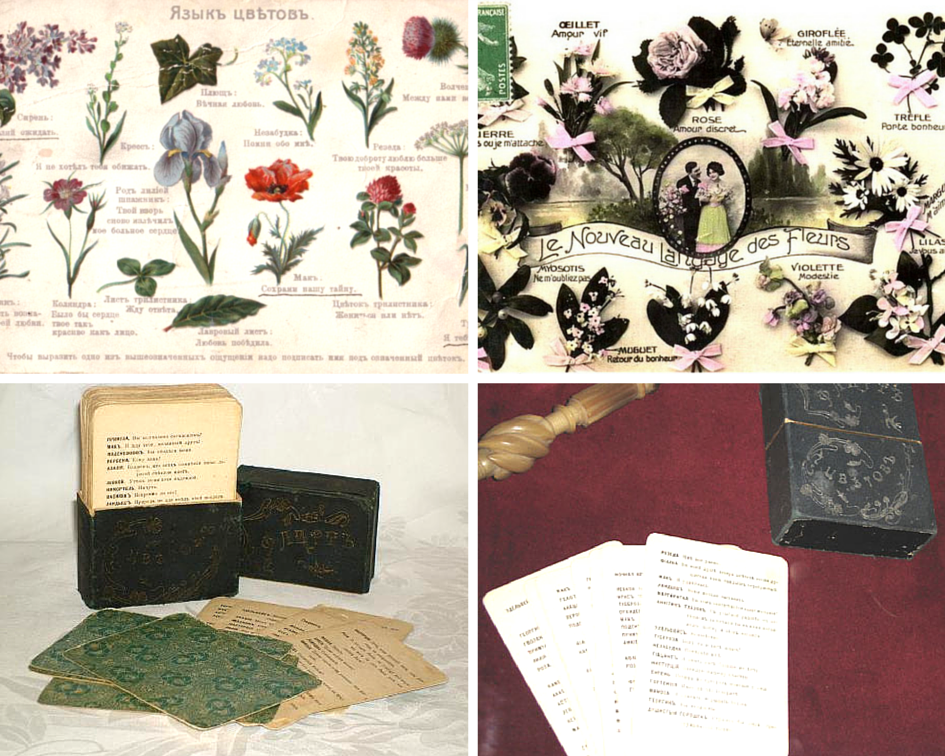
The fashion for the "language of flowers" reached Europe from the East: in the early 18th century Lady Mary Wortley Montagu described secret messages made of flowers and objects in her letters from Istanbul. In 19th-century France and England, whole flower dictionaries assigned a meaning to every bloom and colour, and the fashion spread across Europe, including to Ukrainian lands.
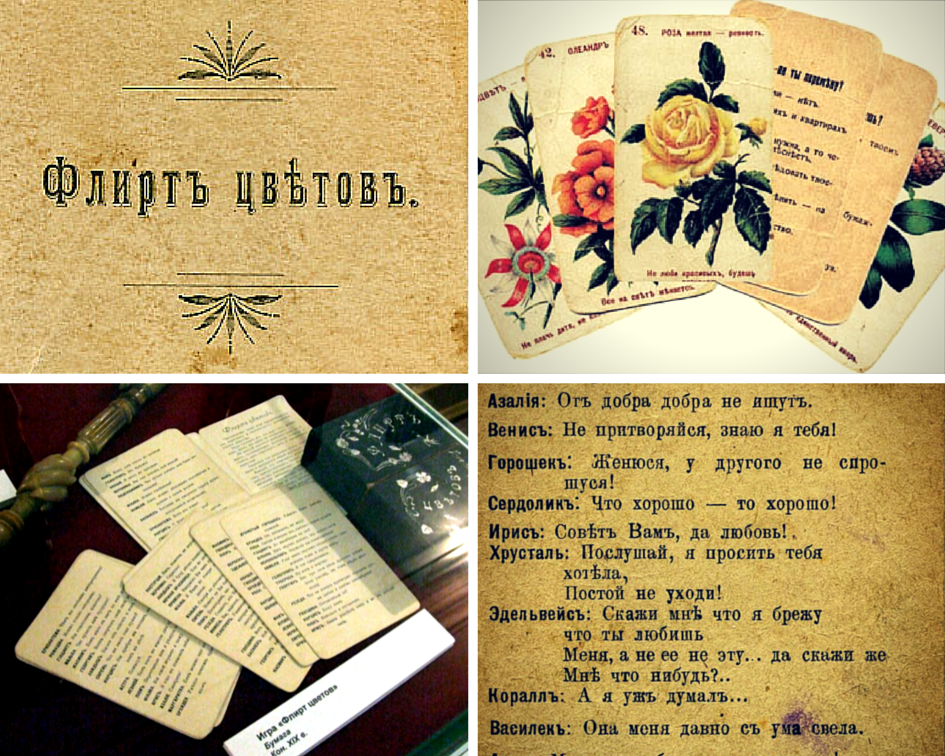
In the late 19th and early 20th centuries a card game called "Flirting with Flowers" became popular. Printers sold it in pretty boxes, and it was a common entertainment at parties, in drawing rooms and at summer houses.
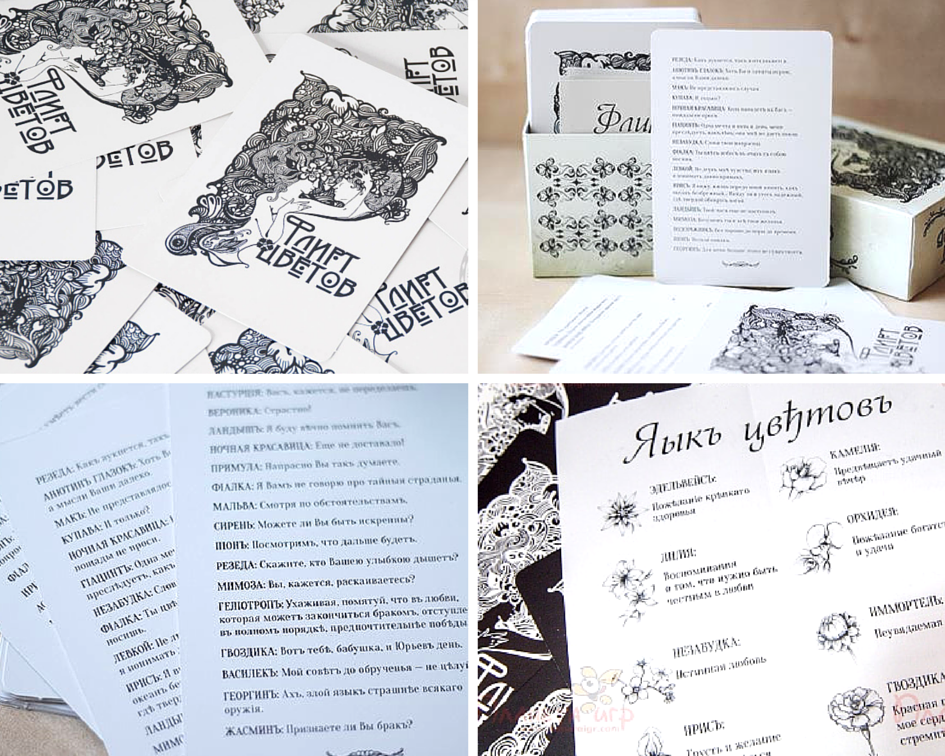
A set contained several dozen cards. Each showed or named a flower along with the phrase it "meant": a confession, a compliment, an invitation to walk, a playful reproach or a refusal. A separate card, something like "You and I", indicated who was being addressed.
The game helped people overcome shyness and flirt a little in a society where frank conversation was considered improper.
Flower meanings vary from one dictionary to another, so in the game it matters more to agree on your own code. Read more about traditional meanings in our article on the language of flowers, and about giving flowers properly in our piece on flower etiquette.
In the late 19th and early 20th centuries, when the language of flowers was in vogue.
Yes — just make cards with flowers and phrases. It works for a party, a wedding or a romantic evening.
And a real "floral" conversation can start with a bouquet — order roses with UFL delivery in Kyiv.

Author: Maria Svitlovir
Graduated from Taras Shevchenko National University of Kyiv, Institute of Biology and Medicine (2001). BSc in Biology, MSc in Horticulture. Writes about plants, works at a garden centre selecting and repotting plants, and contributes to plant reference guides.
© Kyiv 2026 UFL Flower Shop

Trademark UFL №191476 is used under license of the rights holder.
All rights reserved. Any use of materials without a link to the site is prohibited.


 Birthday
 Hydrangeas