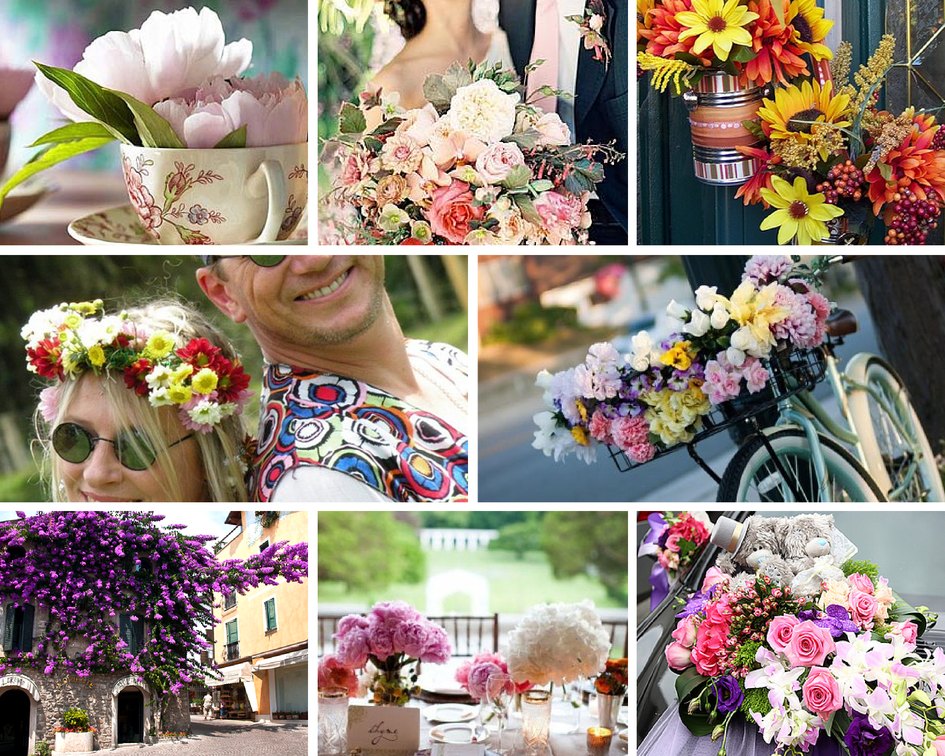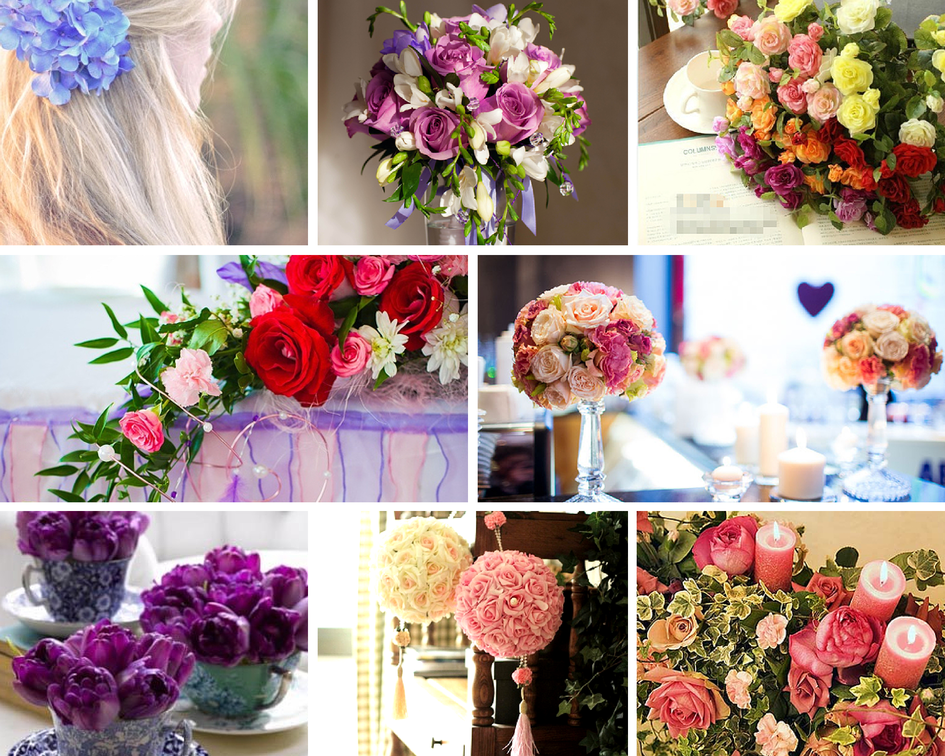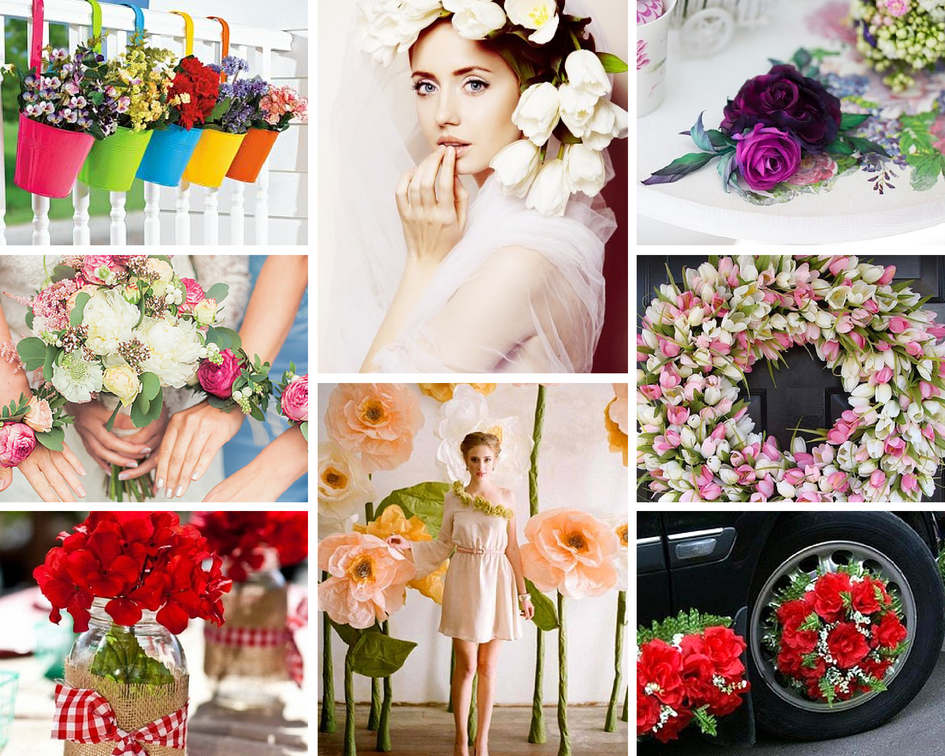
Floristry has its fashions just like clothing: favourite colours, bouquet shapes, wrapping and even the flowers themselves change. We used to write about the trends of individual seasons — loose "undone" wedding bouquets, shades of grey, kraft paper. Now we have gathered them into one overview and separated passing fads from trends that have lasted for years and are unlikely to disappear soon.
You can delight someone today: spray roses or flowers in a box.
Floristry trends are shaped by international shows and competitions, the work of well-known florists, the wedding industry and social media. The Netherlands remains the hub of the global flower trade, so new varieties and shades promoted by breeders and auctions quickly reach shops worldwide. Fashion and interior design play a part too: a season's popular colours almost always appear in bouquets.
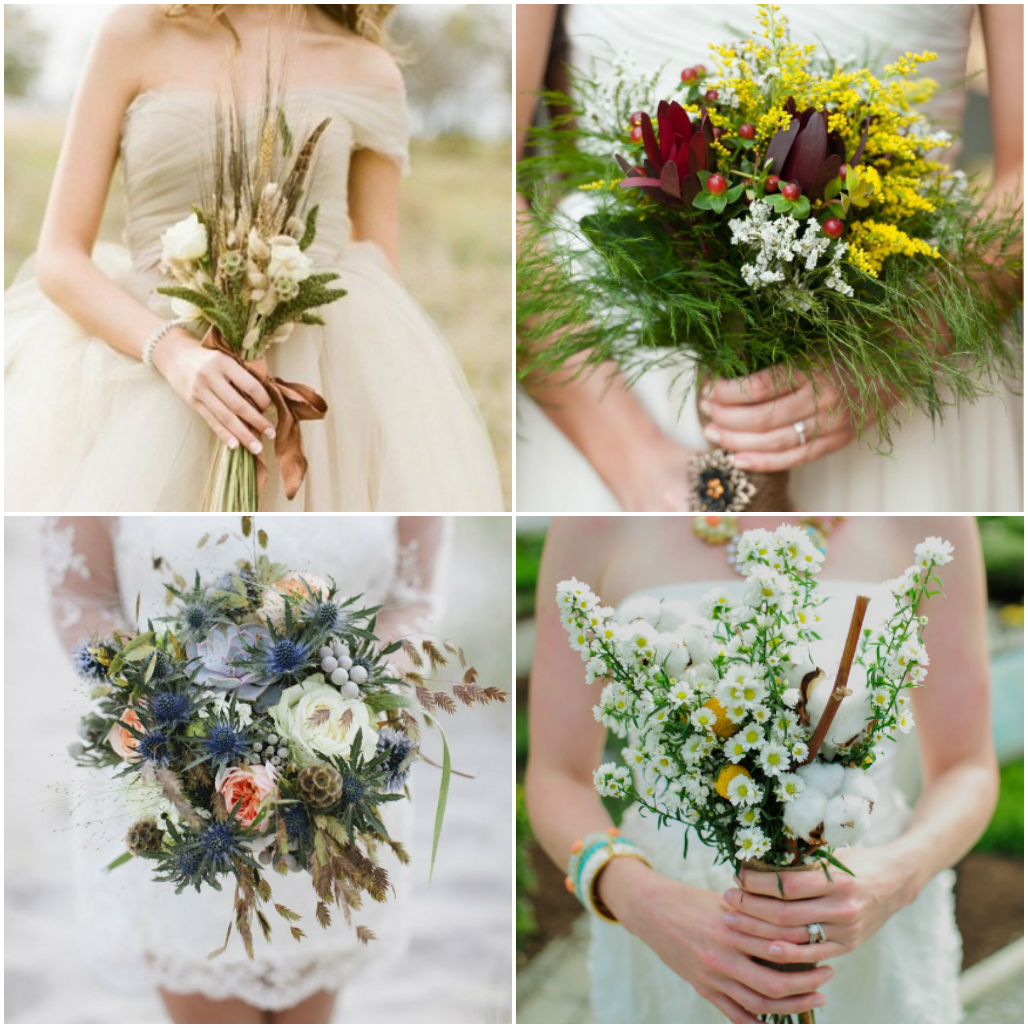
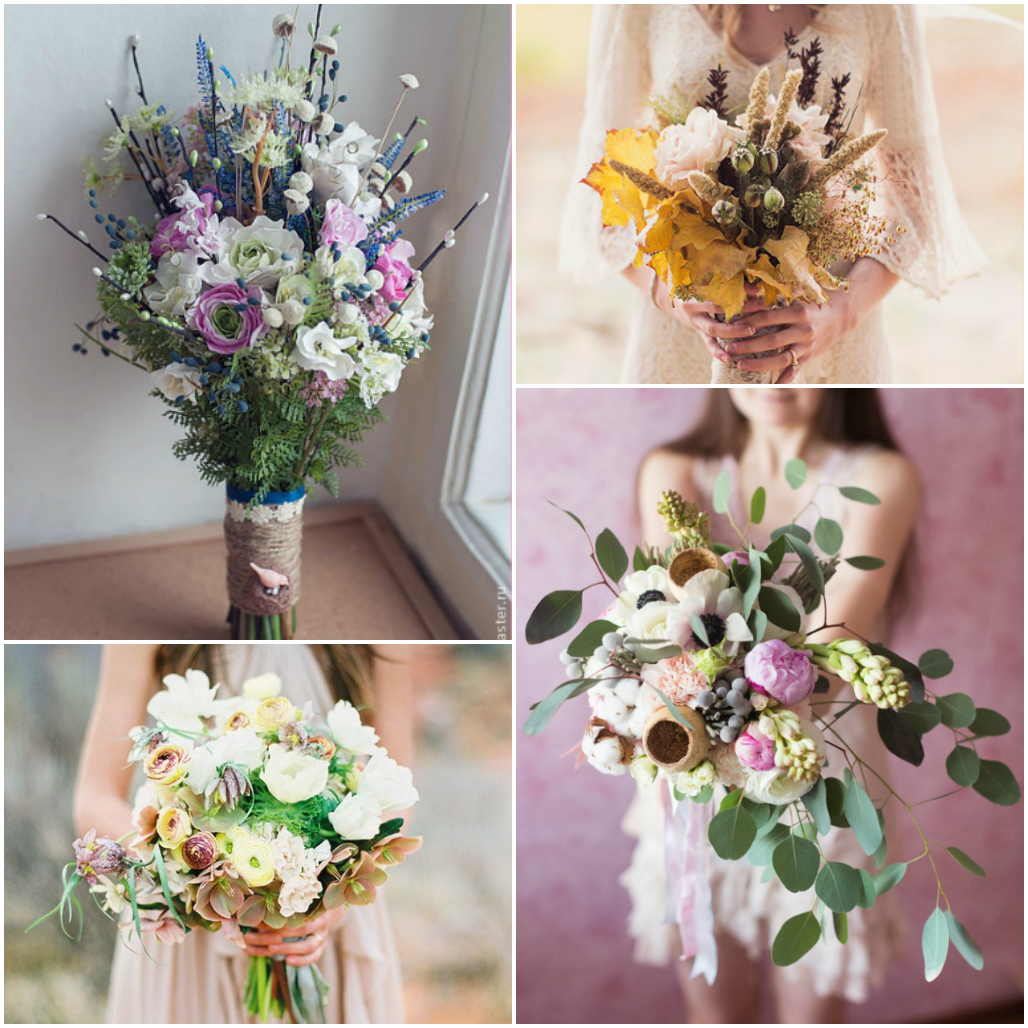
One of the most enduring trends of recent years is bouquets that look freshly gathered from a garden: flowers at different heights, curving stems, asymmetry, lots of greenery and air. These are called "undone" or garden-style bouquets and are especially popular at boho and rustic weddings.
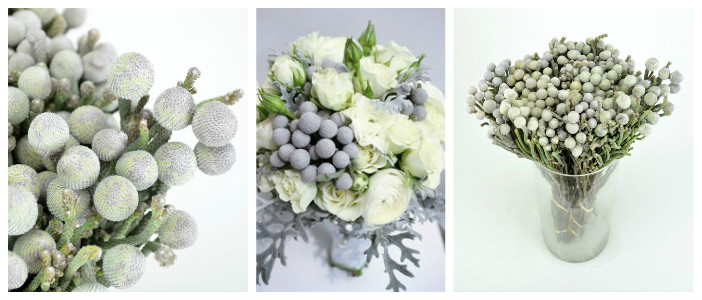
Blush, cream, peach, smoky lilac and grey — muted shades photograph well and suit any interior. Silvery foliage such as eucalyptus, brunia and cineraria provides a "grey" accent, while dried flowers and grasses add texture. For colour pairings in detail, see bouquet colour combinations.
Kraft paper, tissue, fabric and natural-fibre ribbon instead of glossy film look simple and elegant and don't distract from the flowers. Many florists are giving up floral foam, which contains microplastics, and build arrangements in reusable bases, chicken wire or simply a vase. For more on presentation, see how to wrap a bouquet.
More and more customers choose flowers by season: tulips and lilac in spring, peonies and garden roses in summer, chrysanthemums and dahlias in autumn. Seasonal flowers are fresher, cheaper and don't need long-distance transport. Florists working with local growers support this approach too.
A bouquet of one kind of flower — 25 tulips, a cloud of hydrangeas, an armful of peonies — remains one of the most popular formats. It looks luxurious and clear. A symbolic single-flower gift is back in fashion too — see single-flower bouquets.
Arrangements of dried flowers, grasses, cotton and preserved blooms last for months and suit Scandinavian and natural interiors. They are chosen by people who want a long-lasting gift. We explain how to make one in dried flower arrangements.
Natural garden-style bouquets, single-variety bouquets, seasonal flowers, muted tones and eco-friendly wrapping.
Yes, dried flower arrangements are popular as a long-lasting gift and interior accent.
Kraft paper, tissue, fabric and a minimalist look without excess film or decoration.
No, it's a deliberate style: the florist creates natural asymmetry on purpose.

Author: Maria Svitlovir
Graduated from Taras Shevchenko National University of Kyiv, Institute of Biology and Medicine (2001). BSc in Biology, MSc in Horticulture. Writes about plants, works at a garden centre selecting and repotting plants, and contributes to plant reference guides.
© Kyiv 2026 UFL Flower Shop

Trademark UFL №191476 is used under license of the rights holder.
All rights reserved. Any use of materials without a link to the site is prohibited.

 Birthday
 Hydrangeas