
 Birthday
 Hydrangeas
Even the loveliest bouquet looks messy in the wrong vase: flowers flop, stems stick out and the water clouds quickly. Here is how to choose a vase by height, shape and material, how to clean it, how much water to use and how to decorate an ordinary vase or jar yourself.
Bouquets that need no vase are available among our flower boxes and flower baskets.
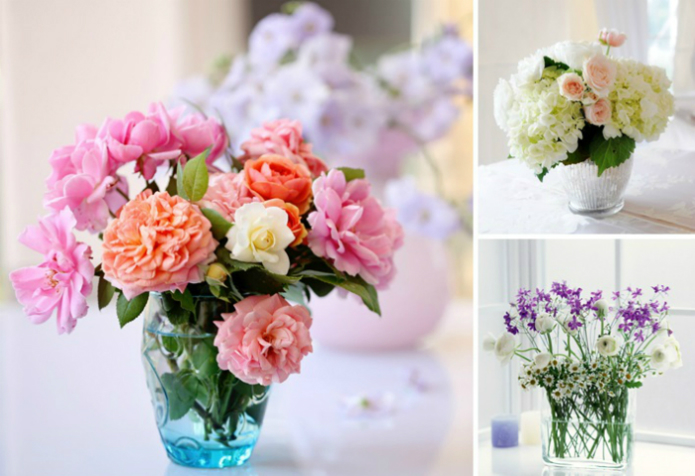
The height rule
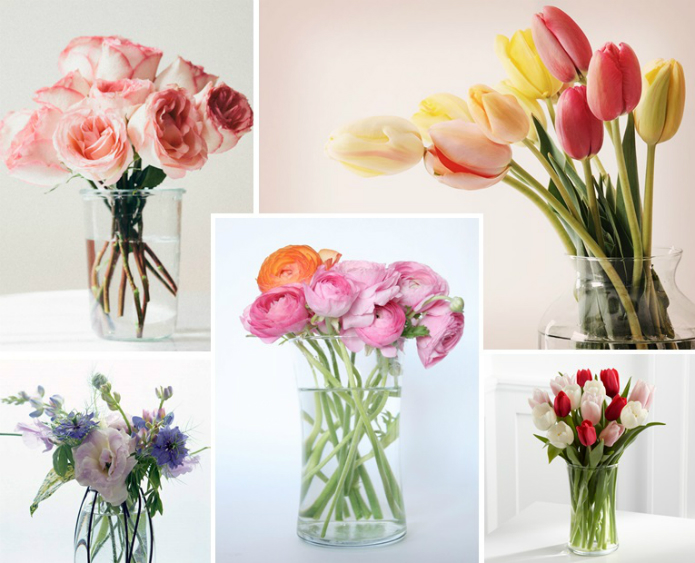
A simple florist rule: the visible part of the bouquet above the vase should be about 1.5–2 times the height of the vase. Too low a vase and the bouquet topples; too tall and the flowers "drown", with only the heads showing. For a round mixed bouquet, a vase about half the stem length works well.
Which vase for which bouquet
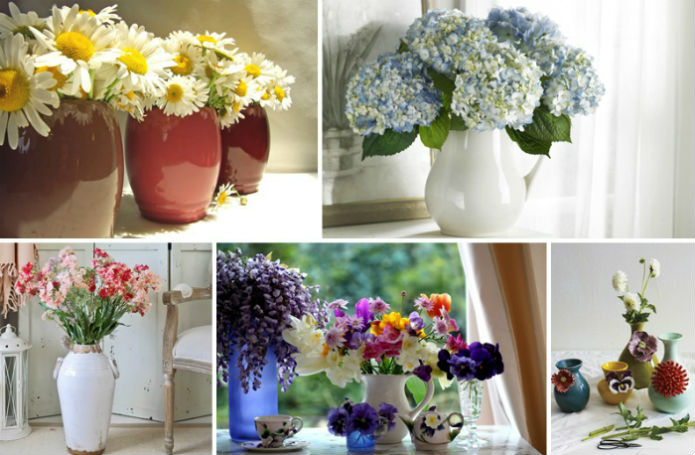
Material
- Glass — neutral and suits any bouquet, but the water shows, so change it more often.
- Ceramic and porcelain — heavy and stable, hide the stems; good for tall bouquets.
- Metal — zinc buckets and jugs for a rustic look; best with a glass liner inside.
- Plastic and acrylic — light and safe in homes with children, practical for delivery.
How to clean a vase
Bacteria in the water are cut flowers' worst enemy. After each bouquet, wash the vase with hot water, detergent and a bottle brush; vinegar or citric acid removes limescale on glass. Rinse with clean water before the next bouquet.
How much water to use
- Roses, chrysanthemums, hydrangeas — plenty of water, up to half the vase.
- Gerberas, callas — just 5–7 cm: their stems rot quickly.
- Tulips — 8–10 cm of cool water; they keep growing in the vase.
- Daffodils — keep them separate for a day before mixing: their sap shortens other flowers' vase life.
For more freshness tips, see long-lasting cut flowers.
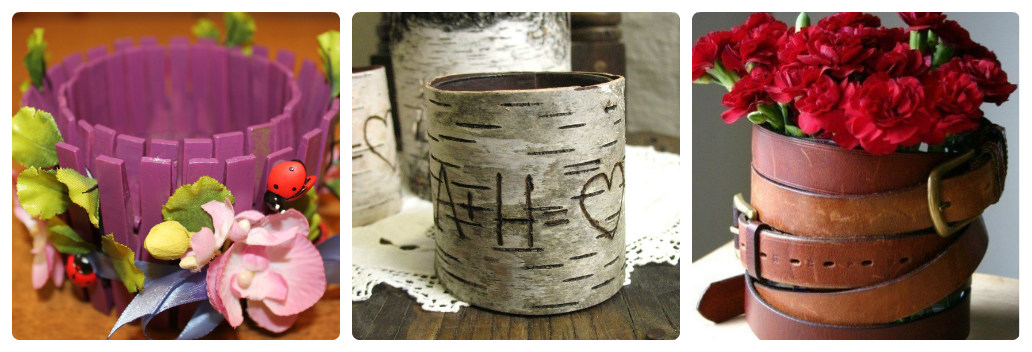
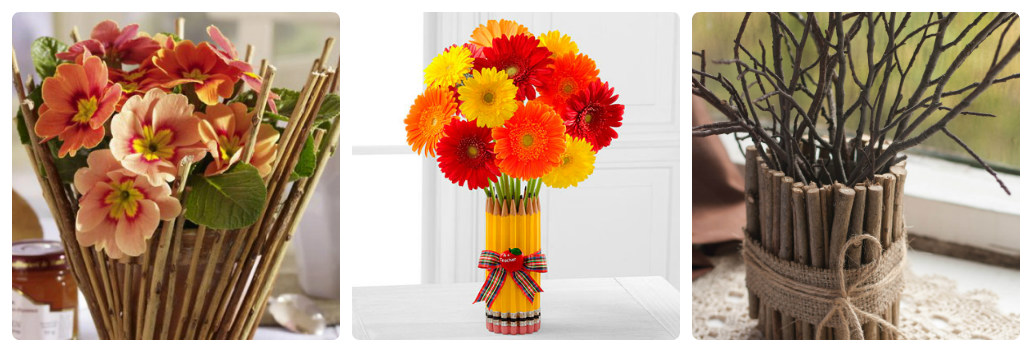
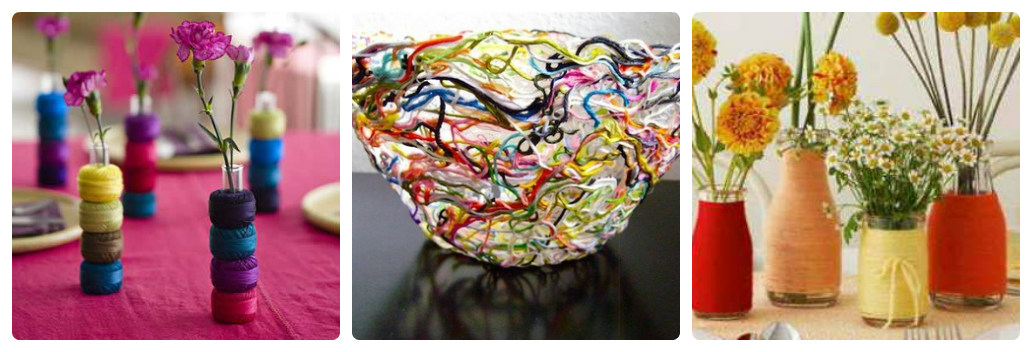
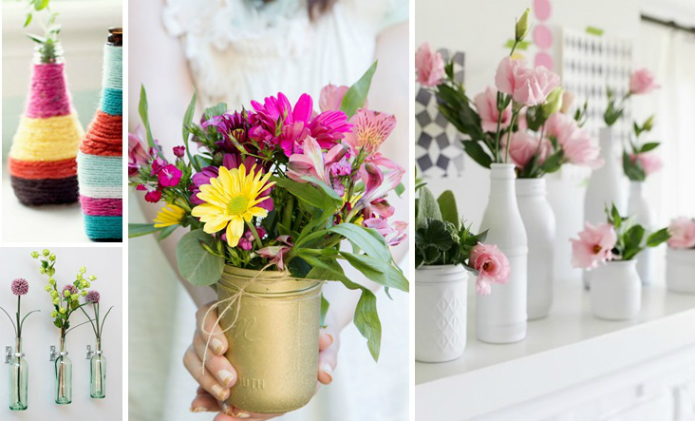
How to decorate a vase yourself
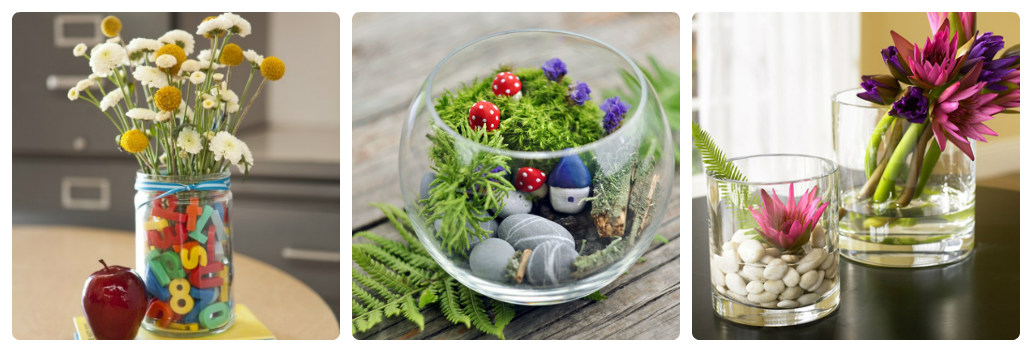
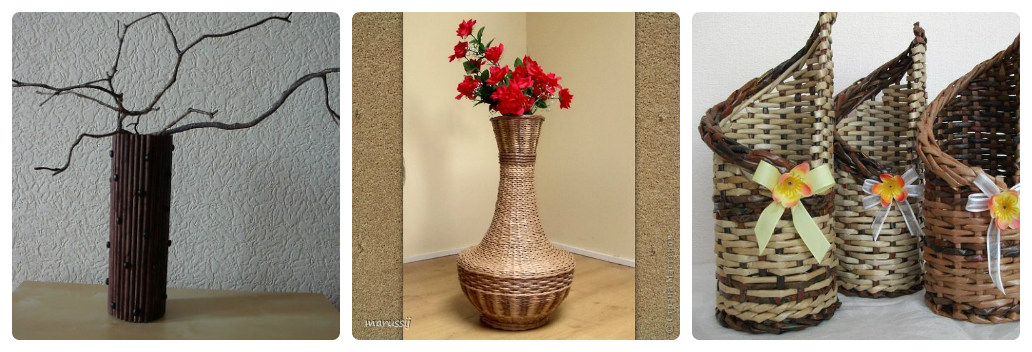
- Twine or jute — wrap a jar or plain vase tightly and secure with glue.
- Lace and ribbon — for wedding and vintage styles.
- Paint — acrylic paint on the outside of a bottle or jar, stencils optional.
- Natural decor — cinnamon sticks, leaves or bark held with a band and ribbon.
- Vase in a vase — a small jar inside a larger one, the gap filled with coffee beans, lemons or moss.
No vase?
A jug, carafe, tall glass, clean bottle or small bucket will do. To skip the vase altogether, choose a flower box or basket — the flowers sit in floral foam.
FAQ
How tall should the vase be?
The bouquet above the vase should be about 1.5–2 times its height; for a mixed bouquet the vase is about half the stem length.
How often should I change the water?
Every other day, and daily in hot weather, recutting the stems each time.
Why does vase water go cloudy?
Bacteria: leaves were left in the water or the vase was not cleaned properly.

View full-size photo
Author: Maria Svitlovir
Graduated from Taras Shevchenko National University of Kyiv, Institute of Biology and Medicine (2001). BSc in Biology, MSc in Horticulture. Writes about plants, works at a garden centre selecting and repotting plants, and contributes to plant reference guides.


