
 Birthday
 Hydrangeas
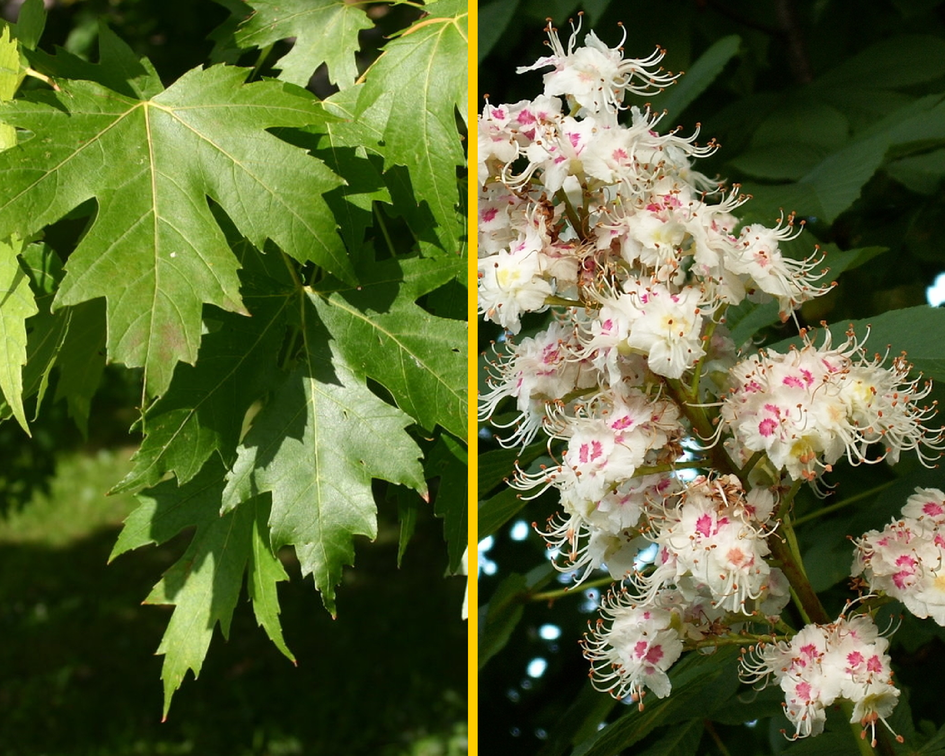
This article was prepared with the support of UFL flower delivery. Our ancestors noticed drops forming on maple, horse chestnut or canna leaves before rain and treated these plants as living barometers. The phenomenon has a scientific name, guttation, and a very down-to-earth explanation.
What guttation is
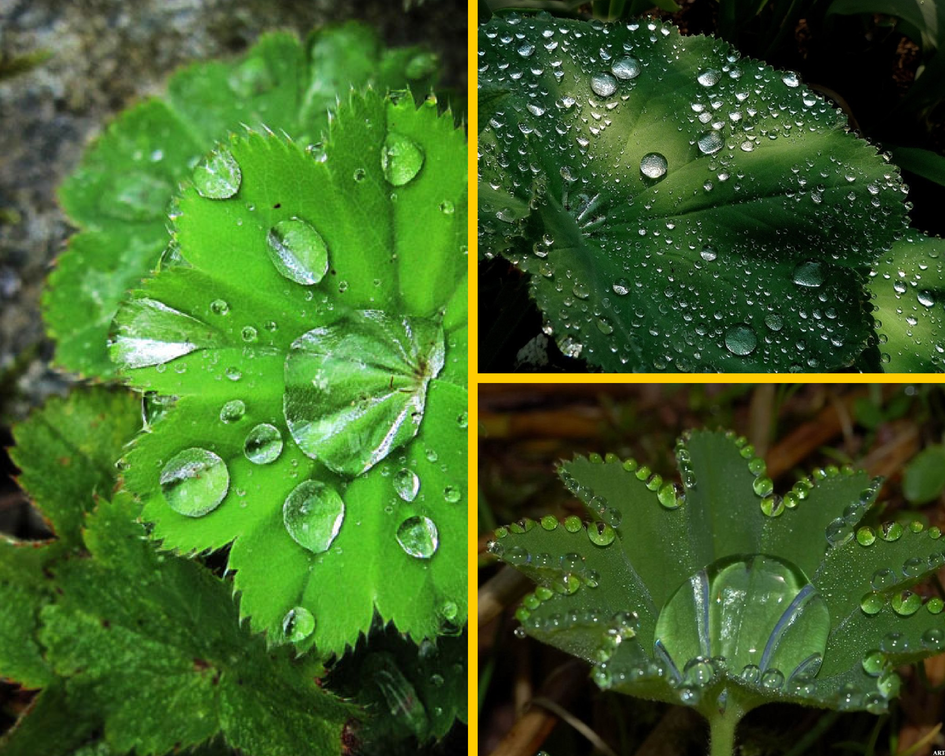
Guttation (from the Latin gutta, "drop") is the release of water through special pores called hydathodes on leaf tips and edges. Roots keep pushing water up under pressure, but it cannot evaporate when the air is very humid, cool and sunless, usually at night and early in the morning. The excess comes out as droplets. Guttation fluid contains dissolved minerals and sugars, so white spots are sometimes left on leaves once it dries.
Which plants "cry"
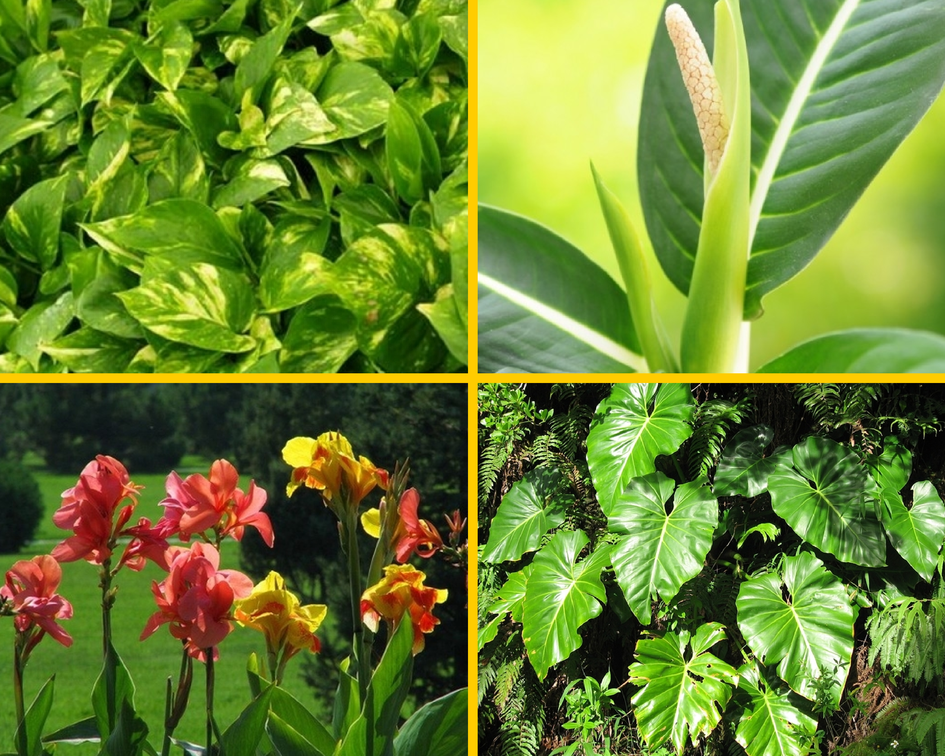
- Houseplants: monstera, alocasia (elephant ear), dieffenbachia, philodendrons, pothos, peace lily and colocasia, mostly members of the arum family.
- Garden plants: canna, nasturtium, lady's mantle (its pearly drops are especially pretty), strawberries, tomatoes and lawn grasses.
- Trees: maple, horse chestnut and willow.
Do the "tears" predict rain?
Partly. Before rain, humidity often rises and evaporation drops, which increases guttation. But the same happens on any calm, humid night with no rain at all, so "crying" plants are not an accurate forecast. Other folk signs are more reliable: before bad weather the flowers of dandelion, bindweed, calendula and scarlet pimpernel (known in England as the "poor man's weatherglass") close, and clover and wood sorrel fold their leaves.
If a houseplant is "crying"
For houseplants guttation is usually a sign of overwatering rather than of the weather. What to do:
- Check the compost with your finger: if it is damp 2–3 cm down, skip watering.
- Empty the saucer 15–20 minutes after watering.
- Make sure the pot has drainage holes and a light compost.
- Wipe off any white residue from the leaves.
Important: the "tears" of dieffenbachia, alocasia and other arums contain irritants. Do not let children or pets lick them, and wash your hands after contact.
FAQ
Is guttation harmful to the plant?
No, it is a normal physiological process. The only problem is persistent overwatering, which rots the roots.
How is guttation different from dew?
Guttation drops appear only on leaf tips and edges, while dew covers the whole surface and nearby objects.
Are sticky drops guttation too?
No. A sticky film is usually left by aphids, scale insects or mealybugs, so check the undersides of the leaves.
Looking for a plant to impress your guests? Browse our houseplants with delivery in Kyiv from UFL.

View full-size photo
Author: Maria Svitlovir
Graduated from Taras Shevchenko National University of Kyiv, Institute of Biology and Medicine (2001). BSc in Biology, MSc in Horticulture. Writes about plants, works at a garden centre selecting and repotting plants, and contributes to plant reference guides.


