
 Birthday
 Hydrangeas
Hibiscus is one of the showiest flowering plants: its large, bright blooms rival the rose. The name covers several different plants — the indoor Chinese hibiscus, the garden rose of Sharon and roselle, which is used to make hibiscus tea. Here is how they differ, how to care for hibiscus at home and what we know about hibiscus tea.
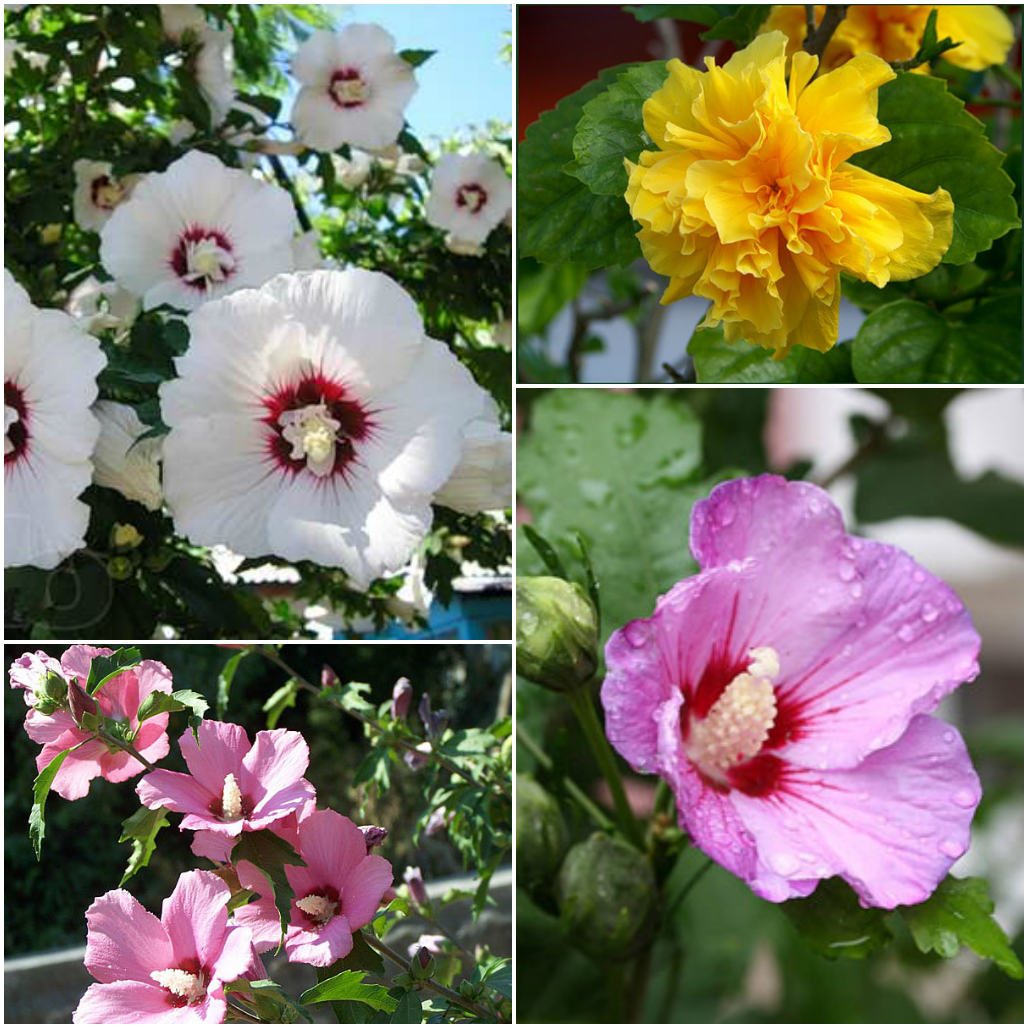
Types of hibiscus
The hibiscus genus has several hundred species in the tropics and subtropics. The one most often grown indoors is Chinese hibiscus (Hibiscus rosa-sinensis), an evergreen shrub with flowers up to 15 cm across in red, pink, yellow and orange, single or double. Each flower lasts only 1–2 days, but a healthy plant keeps producing buds. In the tropics hibiscus flowers are worn in the hair, and the yellow hibiscus is the state flower of Hawaii.
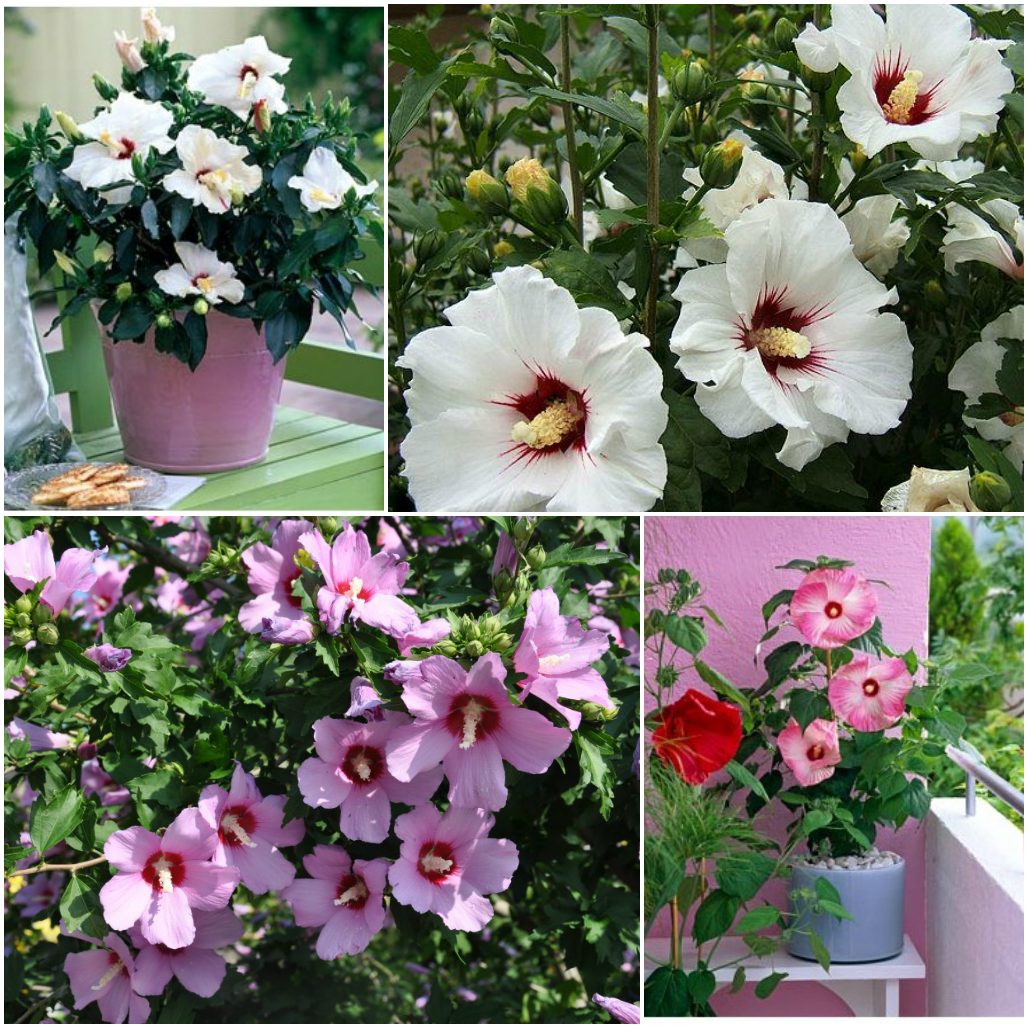
In Ukrainian gardens you'll find the hardy rose of Sharon (Hibiscus syriacus), which blooms from July to September, and the herbaceous hibiscus with enormous flowers — read more in our article on hardy hibiscus.
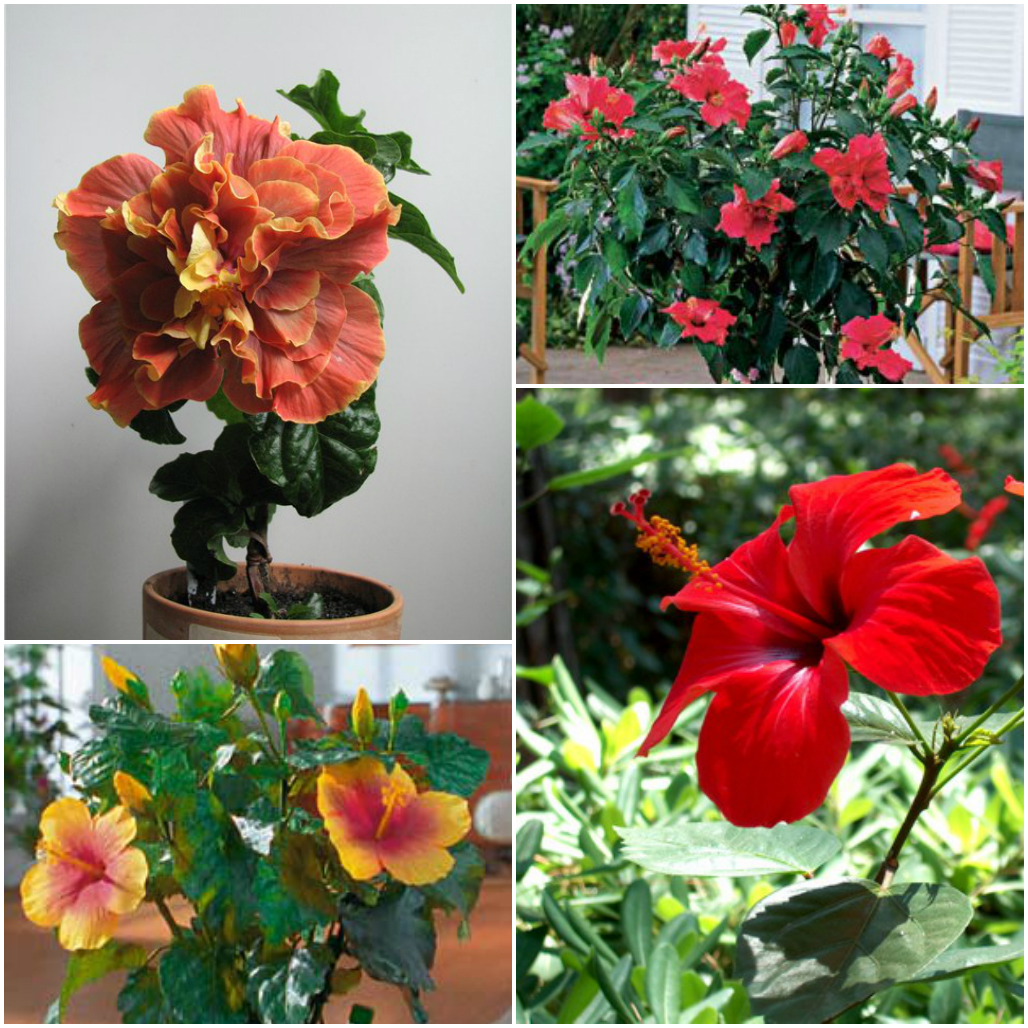
Caring for hibiscus indoors
- Light. Plenty of bright light, with light shade from direct sun during the hottest summer hours.
- Watering. Generous in spring and summer, as soon as the top of the soil dries; more moderate in winter. Hibiscus dislikes waterlogging.
- Temperature. 20–25 °C in summer and no lower than 12–15 °C in winter, with no draughts or sudden changes. When stressed, it drops buds and leaves but recovers once conditions improve.
- Humidity. Mist the leaves during the heating season — it also helps prevent spider mites.
- Feeding. Every 2–3 weeks from spring to autumn with a half-strength fertiliser for flowering plants.
- Pruning. In early spring, cut stems back by a third — flowers form on new growth and the plant becomes bushier.
- Don't move the pot while it is in bud, or it may drop them.
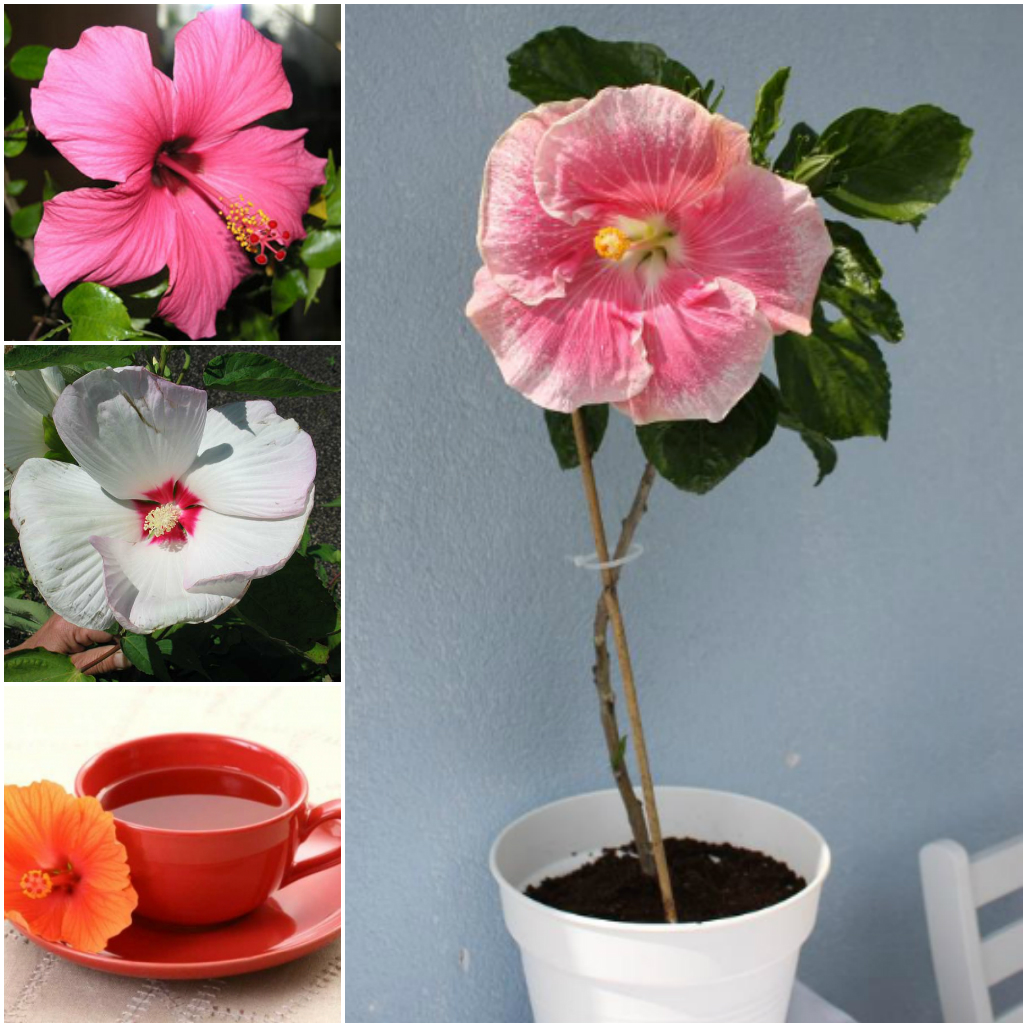
Hibiscus tea
Hibiscus tea is made from the dried, fleshy calyces of roselle (Hibiscus sabdariffa). It has a deep ruby colour and a tart, slightly astringent taste and is drunk hot or cold, often with honey, mint or cinnamon. It is popular in Egypt, Sudan and Mexico, where it is known as agua de jamaica.
Studies suggest that drinking hibiscus tea regularly may lower blood pressure slightly. The popular claim that hot hibiscus tea raises blood pressure and cold tea lowers it is a myth. It is a drink, not a medicine: people with low blood pressure, pregnant women and anyone taking blood pressure medication or diuretics should check with a doctor.
FAQ
Why does my hibiscus drop its buds?
Usually because the soil dried out, it got cold or draughty, or the pot was moved while in bud.
Which hibiscus is used for tea?
Roselle, Hibiscus sabdariffa — not the indoor Chinese hibiscus.
Want a flowering plant for your home? Choose from our potted plants with UFL delivery in Kyiv.

View full-size photo
Author: Maria Svitlovir
Graduated from Taras Shevchenko National University of Kyiv, Institute of Biology and Medicine (2001). BSc in Biology, MSc in Horticulture. Writes about plants, works at a garden centre selecting and repotting plants, and contributes to plant reference guides.