
 Birthday
 Hydrangeas
Floristry works with cut flowers — bouquets and arrangements that bring joy for a few days. Interior plantscaping means designing spaces with living plants that stay with you for a long time. Together they make a home or office a pleasant place to be. Here is how the two differ and how to add greenery without mistakes.
Plants for interiors: potted plants.
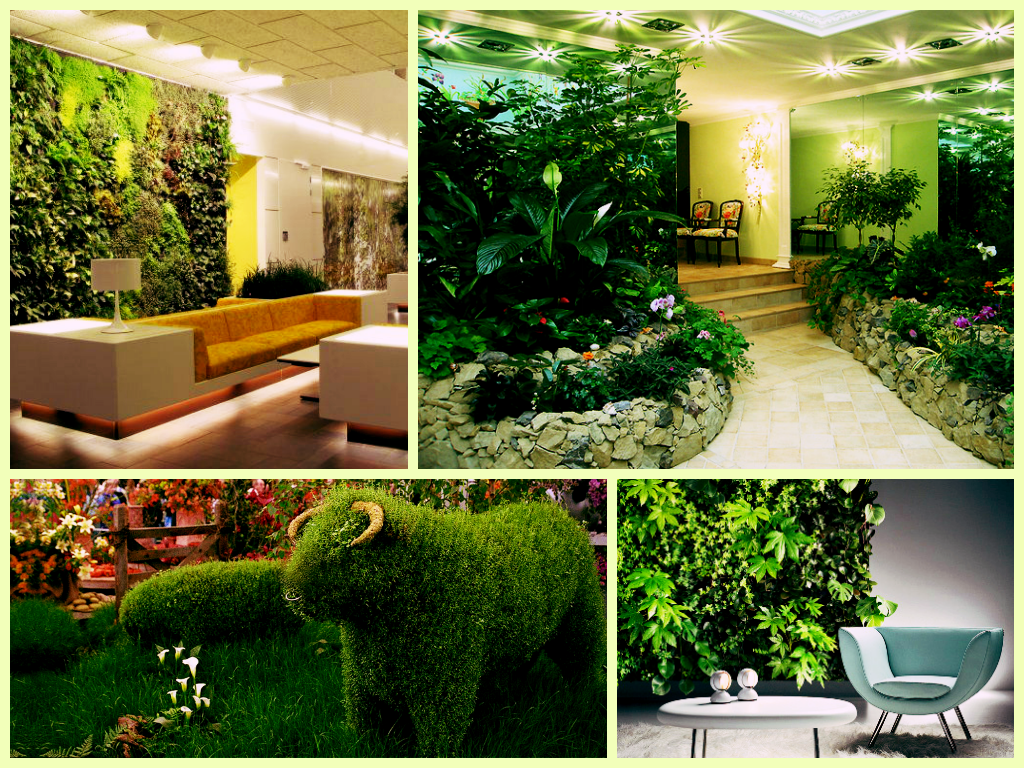
Floristry vs plantscaping
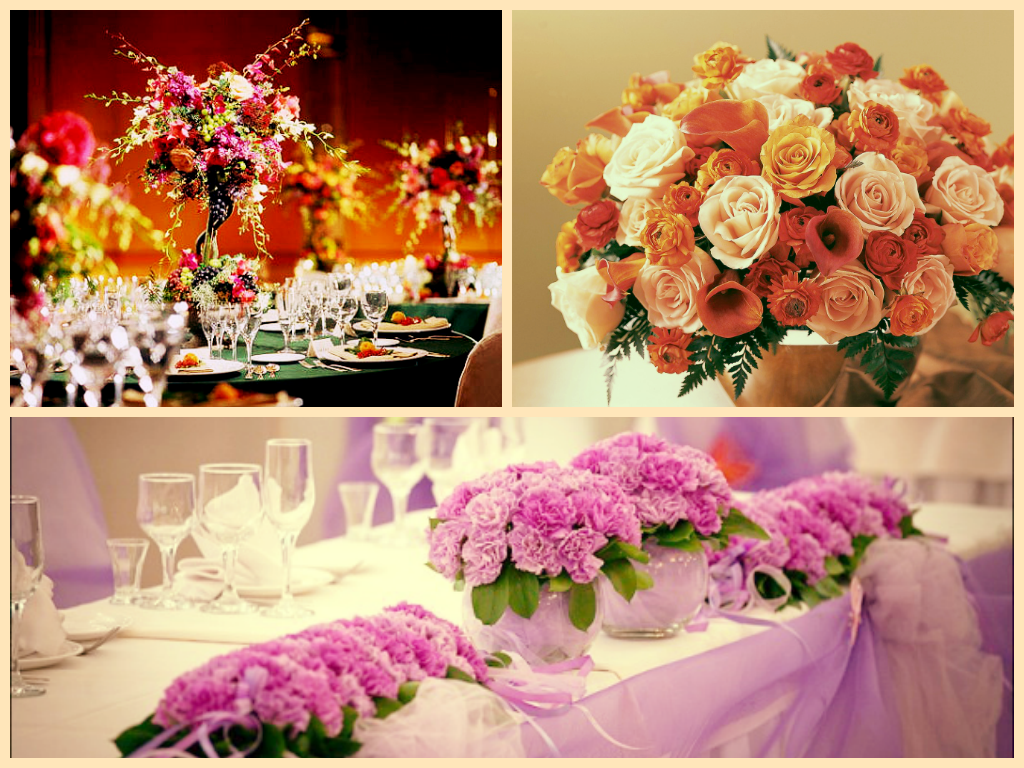
- Floristry — bouquets, table arrangements, event decor. Quick impact, short life.
- Plantscaping — choosing and placing houseplants to suit light, scale and style.
- Green walls — vertical planting with irrigation and lighting.
- Preserved moss panels — a green accent that never needs watering.
Key principles
- Light first. Match plants to the light available, not the other way round. For shade: ZZ plant, snake plant, cast-iron plant, pothos.
- Scale. One large plant in a corner looks better than many small pots scattered around.
- Grouping. Plants with similar needs are easier to care for together.
- Planters. A consistent style of pots ties the interior together.
An honest word on benefits
Plants make spaces cosier and more pleasant to look at. But the popular claim that a few pots “purify the air” in a flat is greatly exaggerated: ventilation matters far more for air quality.
Greening an office
- Choose tough plants that survive a weekend without water.
- Refresh fresh flowers at reception or in meeting rooms weekly — or arrange regular delivery.
- Boxed or basket arrangements suit corporate celebrations.
For a plant corner at home see Home conservatory.
FAQ
Which plants survive in a windowless office?
Without daylight plants need a grow light; even the most shade-tolerant species do not last long in darkness.
Does a moss panel need watering?
No — preserved moss is never watered; direct sun and very dry air damage it.

View full-size photo
Author: Maria Svitlovir
Graduated from Taras Shevchenko National University of Kyiv, Institute of Biology and Medicine (2001). BSc in Biology, MSc in Horticulture. Writes about plants, works at a garden centre selecting and repotting plants, and contributes to plant reference guides.


