
 Birthday
 Hydrangeas
For some, 8 March is a spring holiday with flowers and greetings; for others, a day of campaigning for women's rights. Both traditions grew from the same history. Here is how International Women's Day came about, what Clara Zetkin has to do with it, why 8 March was chosen, how the day is marked around the world and how it is seen in Ukraine today.
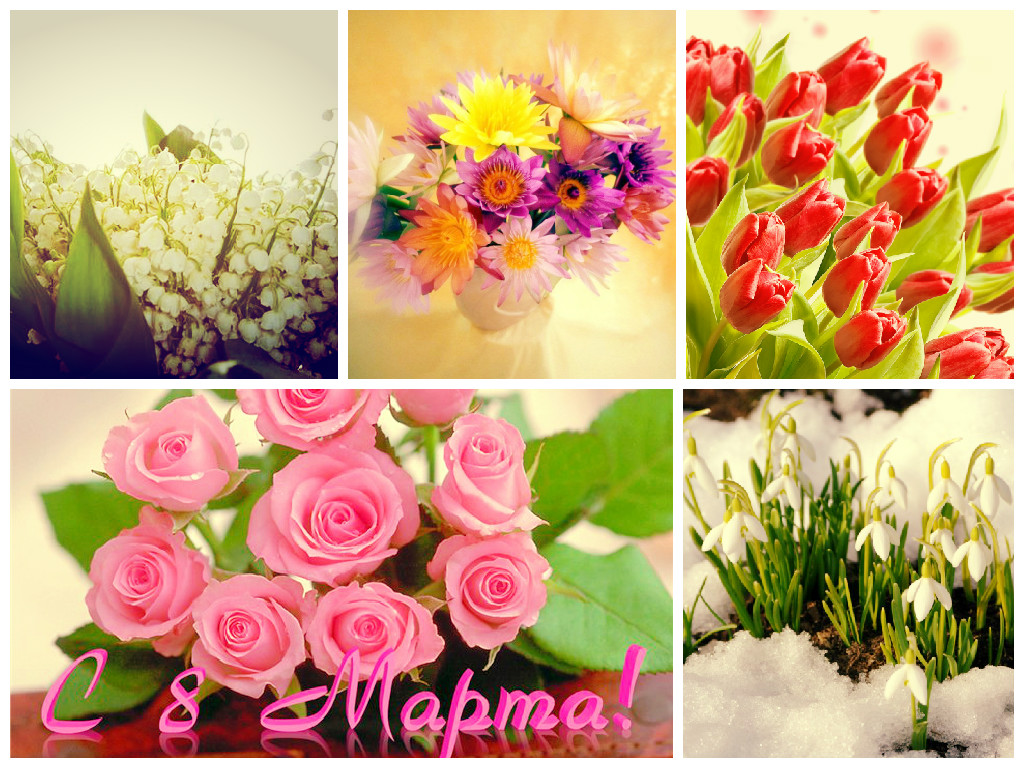
Spring bouquets for 8 March are in our tulips and flowers for mom sections.

Where the holiday came from
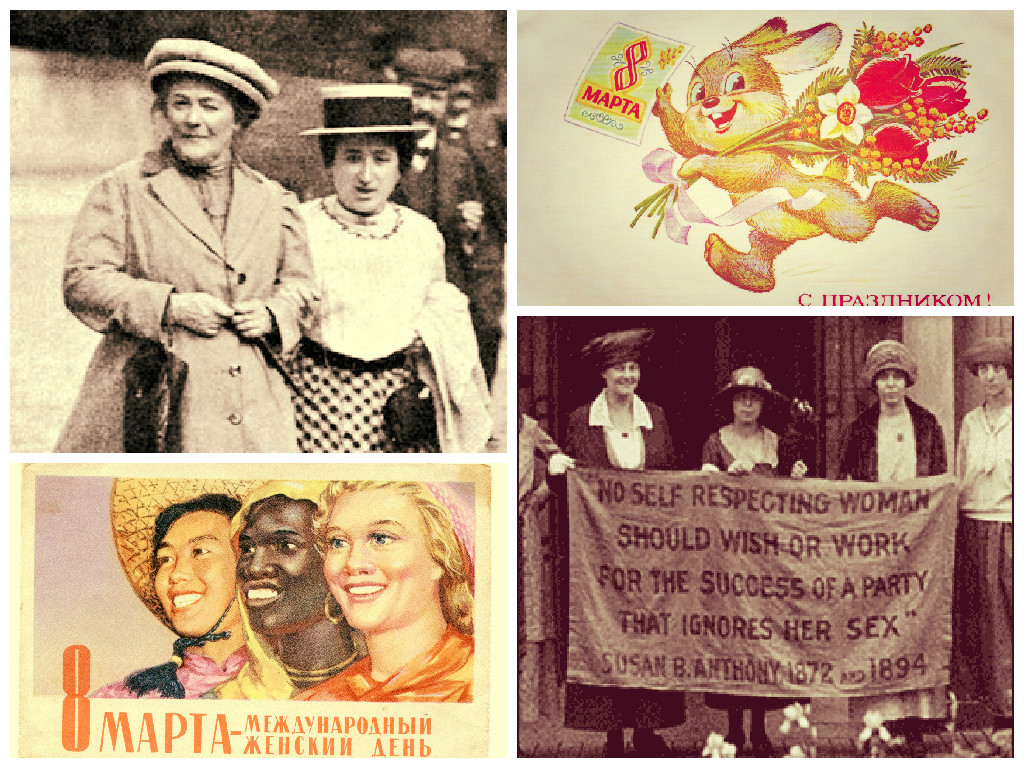
In the early 20th century women in Europe and the USA were campaigning for the vote, equal pay and reasonable working hours. In 1909 the Socialist Party of America held a National Woman's Day. In 1910, at the International Conference of Socialist Women in Copenhagen, the German activist Clara Zetkin proposed that a women's day be held every year in every country, though without a fixed date.
International Women's Day was first marked on 19 March 1911 in Austria, Denmark, Germany and Switzerland, with more than a million people attending rallies. The decisive year for the date was 1917: on 8 March (23 February in the Julian calendar) women workers in Petrograd went on strike demanding "bread and peace", and these events started the February Revolution. Over time 8 March became the shared date.

UN recognition
The United Nations first celebrated International Women's Day in 1975, which was declared International Women's Year. Since then the UN has chosen an annual theme for the day devoted to women's equality, rights and opportunities.
How different countries mark the day
- Italy — since 1946 mimosa has been the symbol of the day, and women are given its yellow sprigs. More about the plant in "Mimosa".
- Germany — in Berlin 8 March has been an official public holiday since 2019.
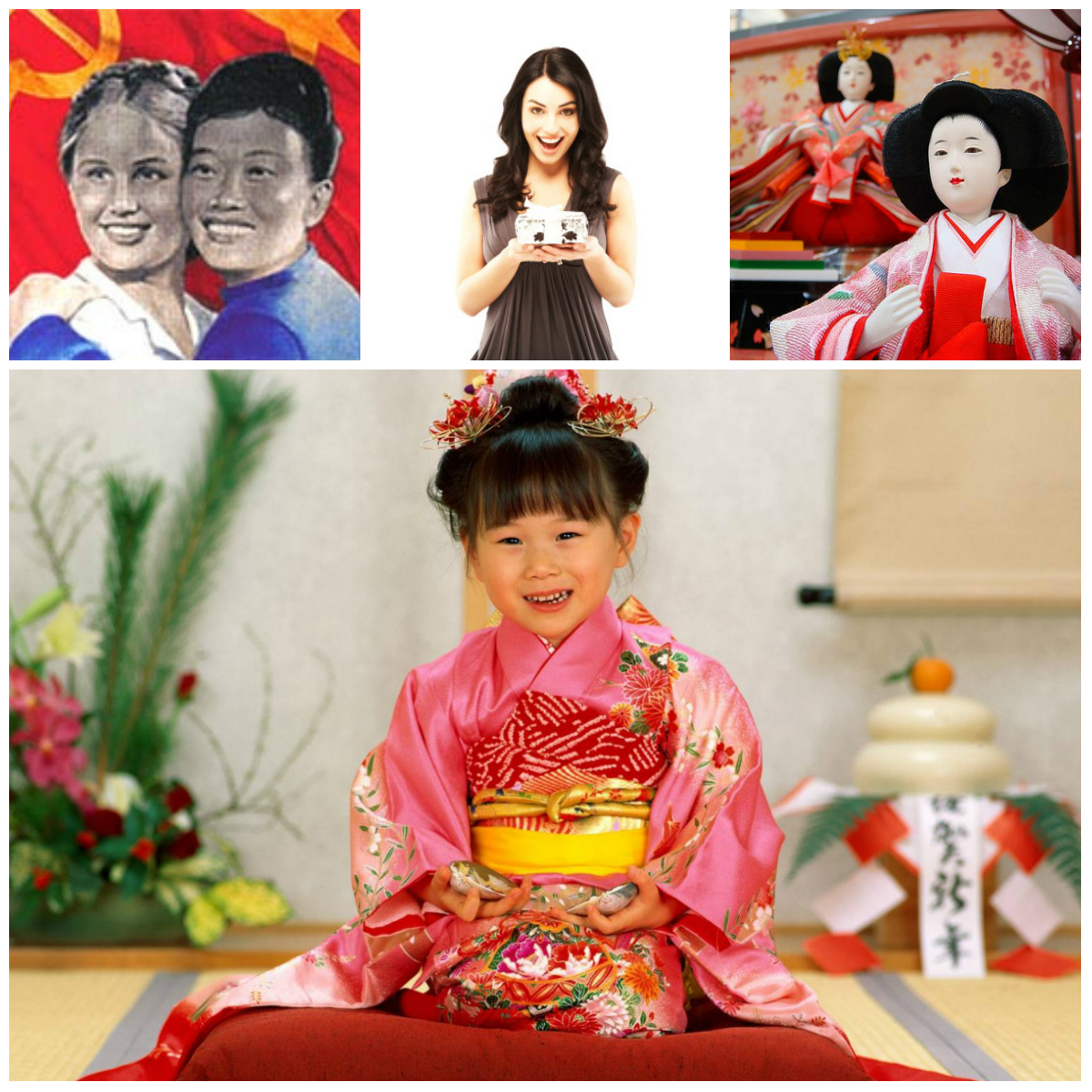
- China — many employers give women half a day off.
- Western Europe and the USA — the day is more civic: marches, debates on equality and charity events.
- Several countries in Eastern Europe and Central Asia — a holiday with flowers and gifts, as in Ukraine.


8 March in Ukraine
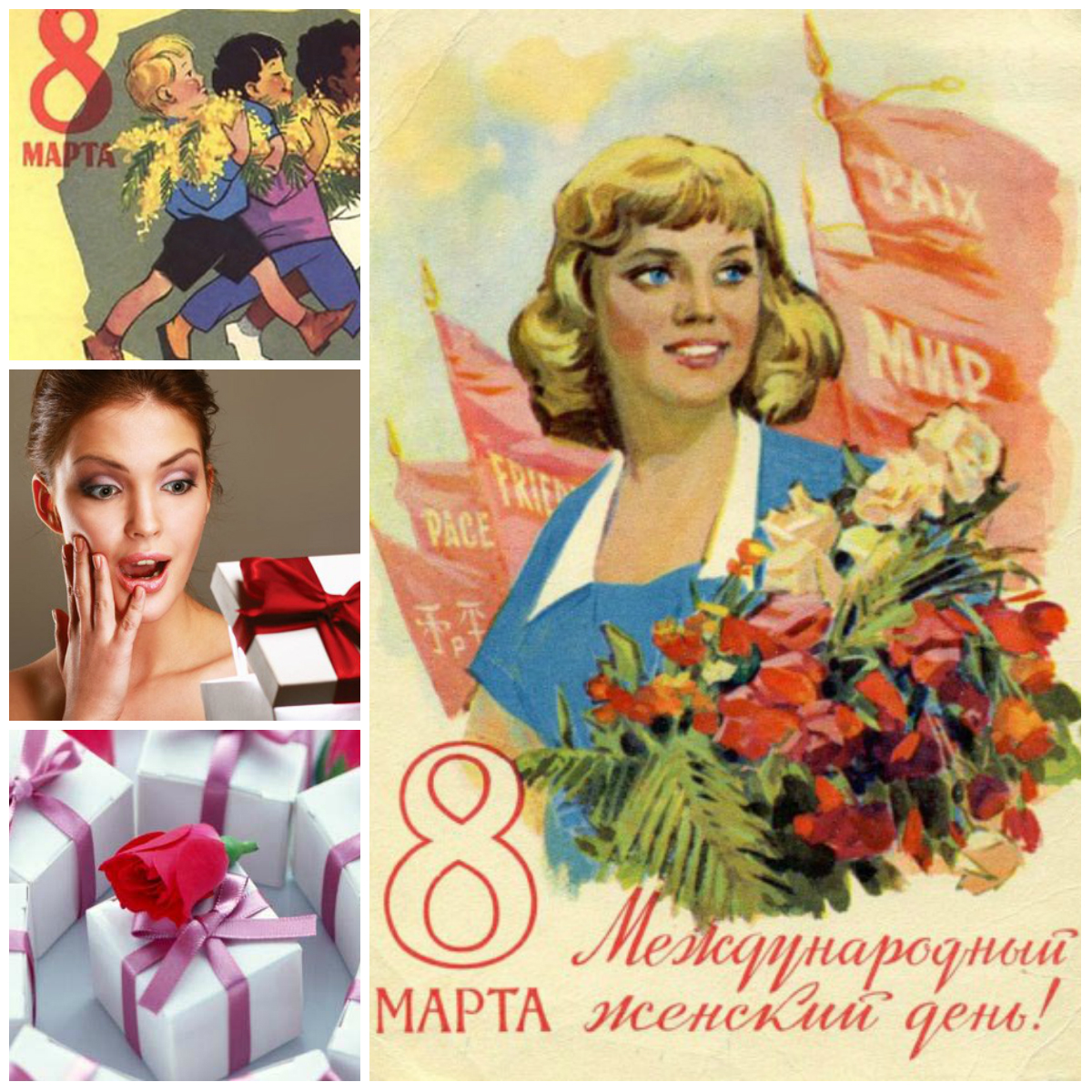
In Ukraine 8 March was for decades one of the most popular holidays, with flowers, cards and gifts. In recent years attitudes have been changing: more and more people see it not as a Soviet tradition but as a day for women's rights and gratitude to those who work, raise children, volunteer and serve today. Under martial law public holidays are not days off, but many people still congratulate their loved ones.
Flowers and gifts
Spring flowers — tulips, mimosa, daffodils, hyacinths — remain the main symbol of the day. How to choose a bouquet for the closest woman in your life is covered in "Flowers for mom".
What women really want
- Attention and sincere words rather than a formal greeting.
- Free time — even a few hours without household chores.
- A gift that reflects her interests, not "feminine" stereotypes.
- Respect and equal treatment, not only on 8 March but all year round.

FAQ
Who came up with 8 March?
Clara Zetkin proposed an annual international women's day in 1910; the 8 March date took hold after the events of 1917.
Since when has the UN marked International Women's Day?
Since 1975, International Women's Year.
Why is mimosa the symbol of 8 March?
The tradition comes from Italy, where mimosa became the symbol of the day in 1946.

View full-size photo
Author: Maria Svitlovir
Graduated from Taras Shevchenko National University of Kyiv, Institute of Biology and Medicine (2001). BSc in Biology, MSc in Horticulture. Writes about plants, works at a garden centre selecting and repotting plants, and contributes to plant reference guides.