
 Birthday
 Hydrangeas
This article was prepared with the support of UFL flower delivery. A flower's scent is a blend of dozens of volatile compounds such as linalool, benzyl acetate, geraniol and phenylethyl alcohol. Plants release them to attract pollinators, which is why many flowers smell stronger in warm weather, in the morning or in the evening. Below are ten flowers with the most recognisable fragrance that you can find in a bouquet or grow yourself.
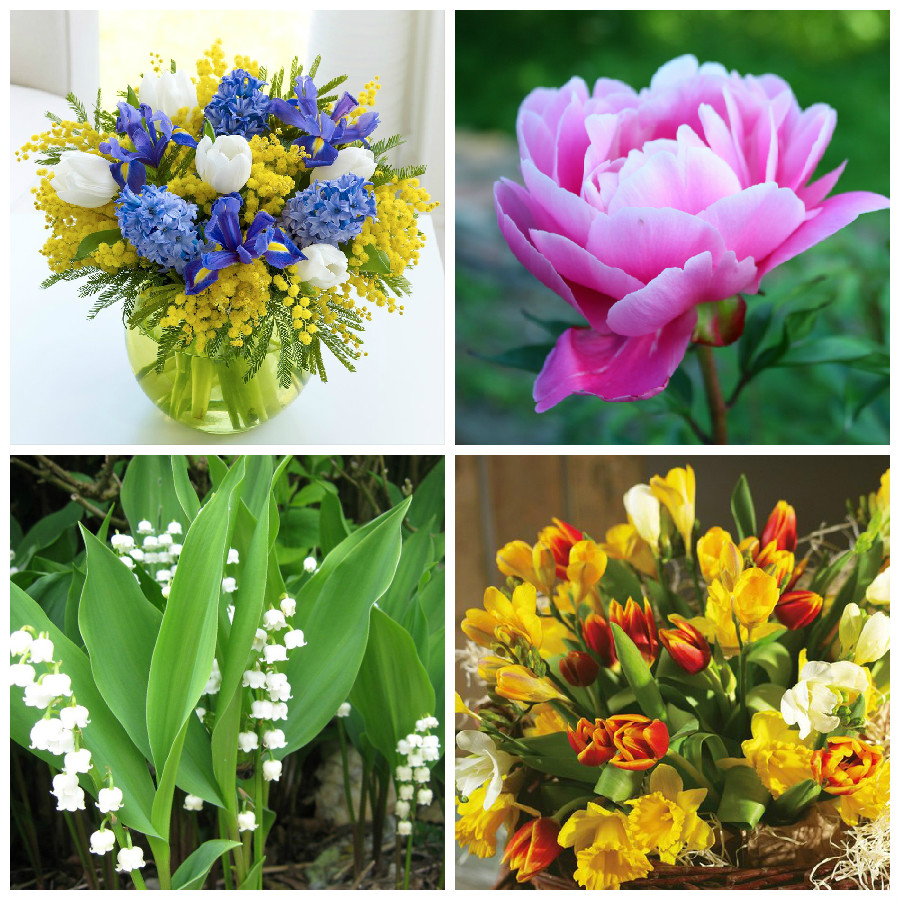
Top 10 most fragrant flowers
1. Hyacinth
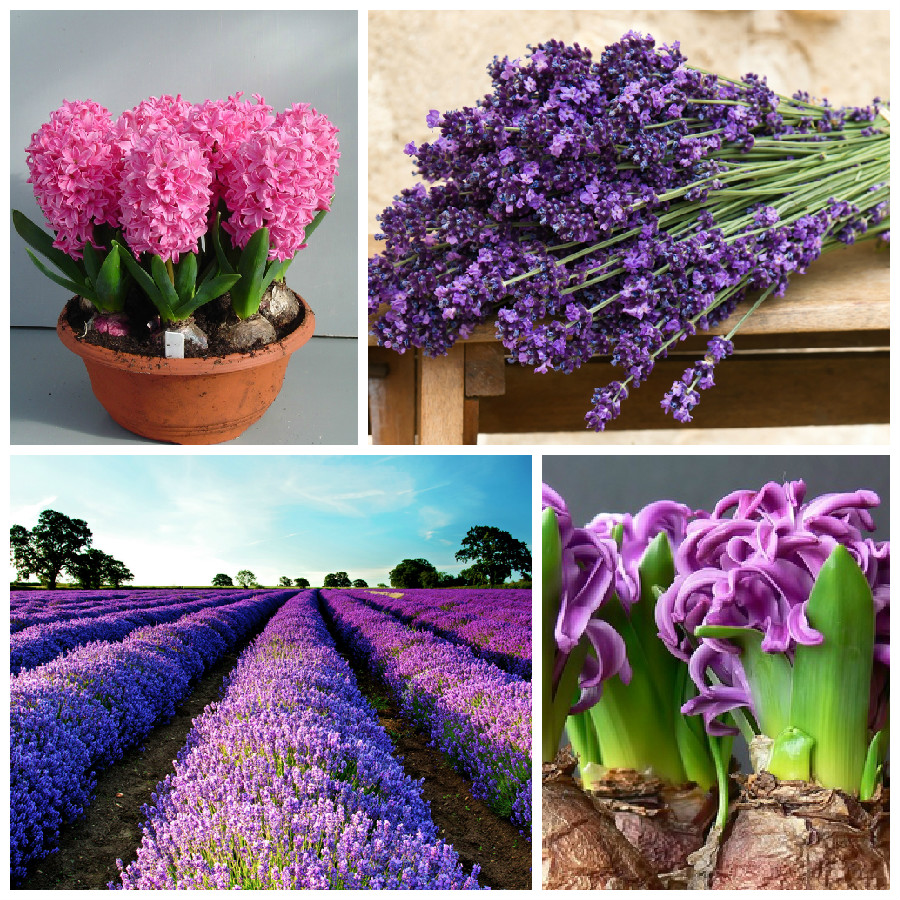
The sweet, rich, slightly spicy scent of hyacinth fills a room within minutes. It is one of the first spring flowers in shops, and the bulbs are easy to force on a windowsill for a chosen date. Bulb sap irritates the skin, so wear gloves when handling them.
2. Lavender
English lavender smells clean and herbal thanks to linalool and linalyl acetate. It is added to Provence-style bouquets and dried for sachets, and the sprigs keep their scent for months.
3. Lily of the valley
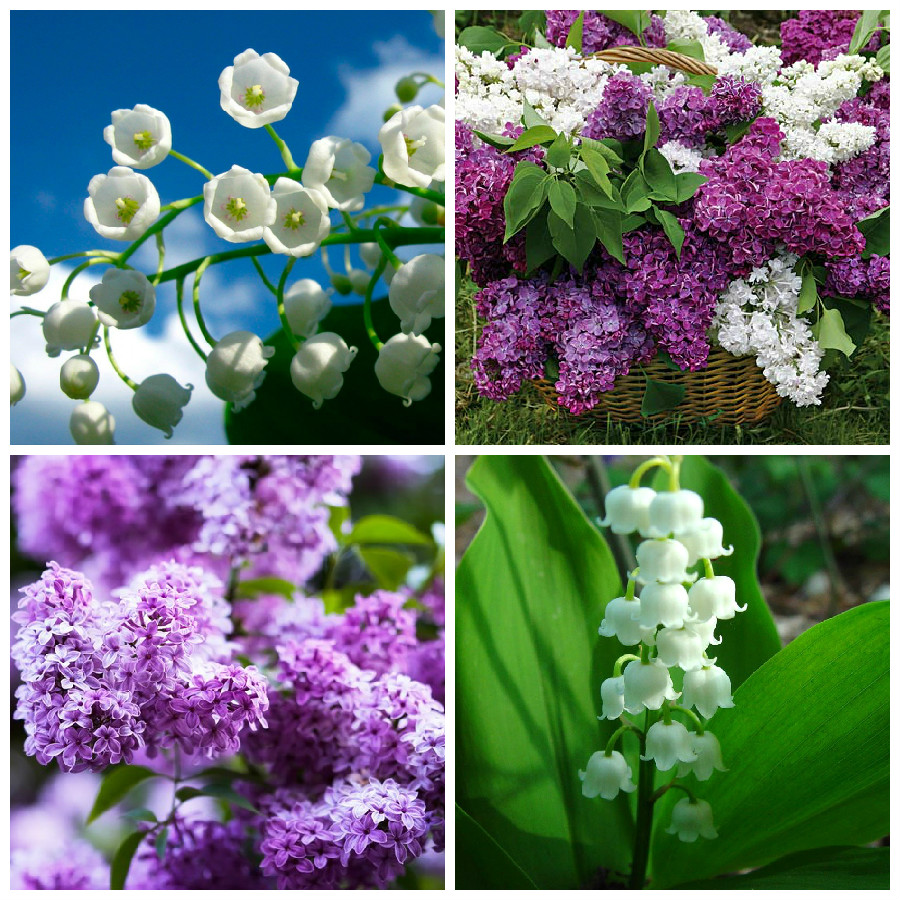
Its fresh, cool, green scent is so complex that perfumers still recreate it with synthetic molecules. Remember that every part of the plant is poisonous (it contains cardiac glycosides), so keep the bouquet away from children and pets.
4. Lilac
Common lilac smells sweet and fresh at the same time. Cut branches last longer if you cut them early in the morning, split the end of the stem and remove most of the leaves.
5. Peony
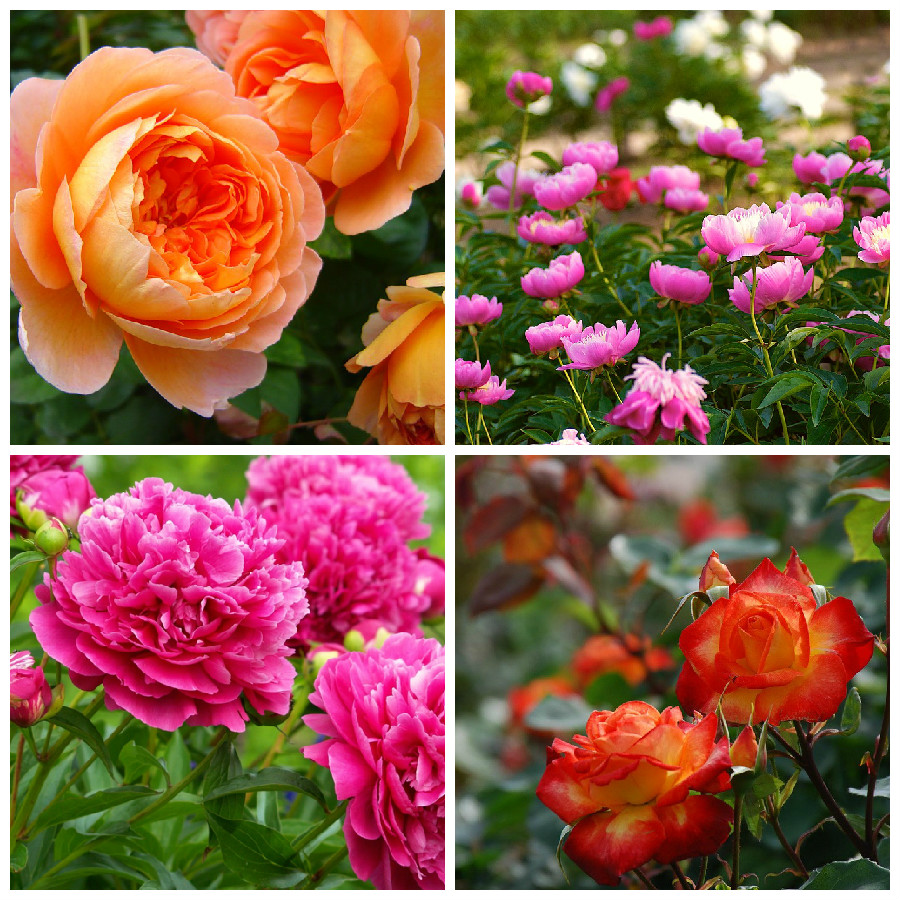
Peony scent varies a lot by variety: some smell of rose and honey, some have almost no scent and a few are slightly bitter. The most fragrant are usually lactiflora varieties with pink and white flowers. You can choose a bouquet in the peony delivery catalogue.
6. Rose
A perfumery classic: rose oil comes mainly from the Damask rose. Among garden varieties, 'Summer Song' and 'Gertrude Jekyll' (David Austin), 'Dioressence' and 'Jardins de Villandry' (Delbard), 'Barkarole' and 'Blue Parfum' (Tantau) are especially fragrant. Shop-bought cut roses smell weaker than garden roses because breeding focused on vase life rather than scent. See our selection of the most beautiful roses or choose a bouquet among roses in Kyiv.
7. Mimosa
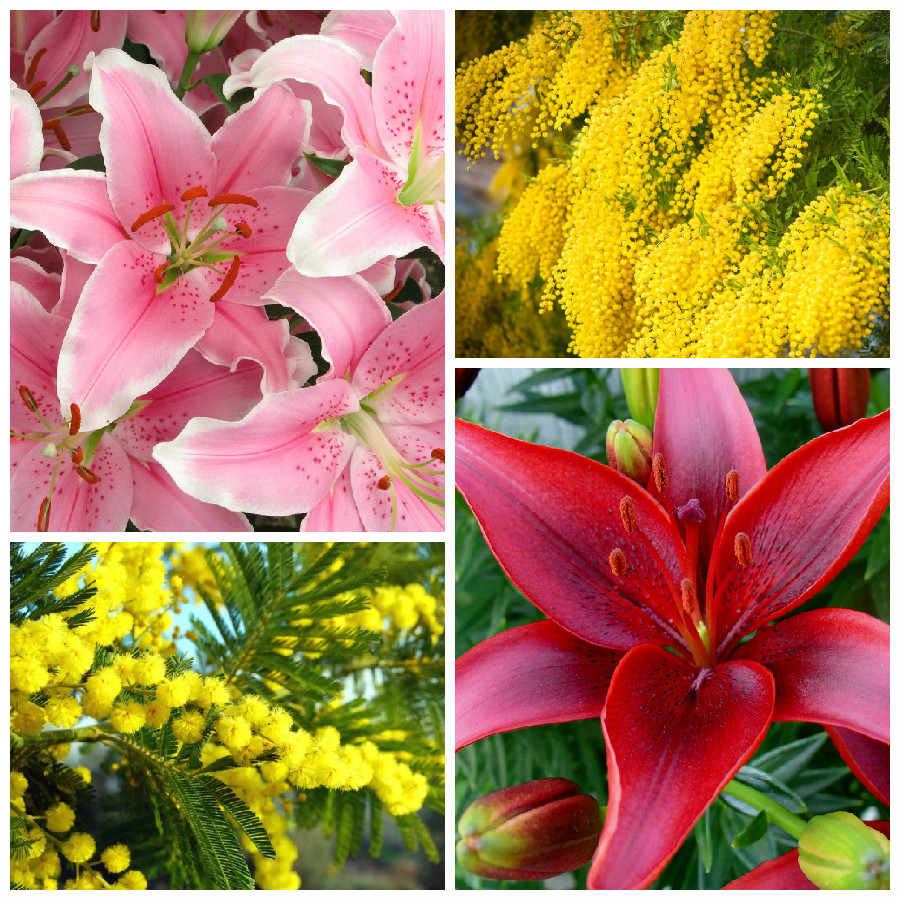
The "mimosa" given on 8 March is actually silver wattle (Acacia dealbata). Its powdery, honey-almond scent opens up best in warmth, and the sprigs last longer if you dip the cut ends in hot water for a few seconds.
8. Lily
Oriental lilies ('Stargazer', 'Casa Blanca') are the most fragrant, while Asiatic hybrids have almost no scent. Put the bouquet in a spacious room so the scent is not overpowering. Lilies are deadly to cats, even the pollen and the vase water, and the pollen stains fabric, so it is best to remove the anthers carefully.
9. Narcissus
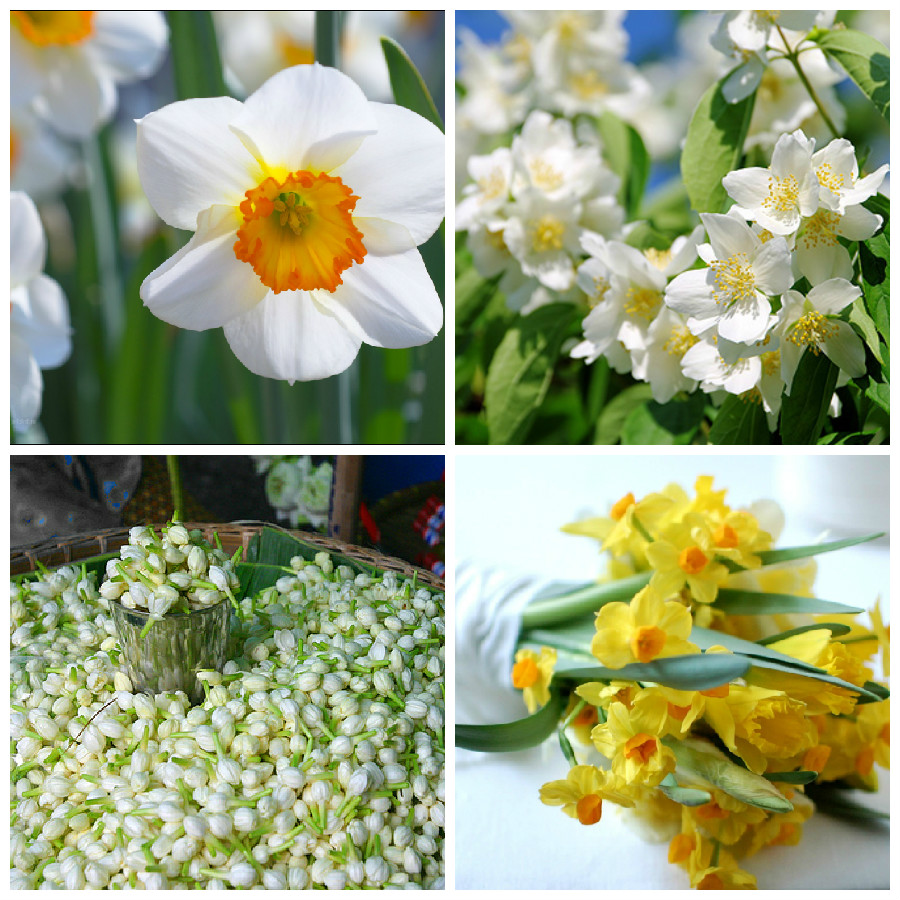
The most fragrant are the poet's narcissus and multi-headed tazettas. Their slimy sap shortens the life of other flowers, so before making a mixed bouquet keep narcissi in a separate vase for 6–12 hours and do not recut them afterwards.
10. Jasmine
True jasmine (common jasmine, sambac) is the base of many perfumes, while in Ukraine the garden mock orange with a similar scent is often called "jasmine" too. Indoor Jasminum sambac smells strongest in the evening; see our guide to indoor jasmine care.
Scent families: how to combine fragrances
A good scented bouquet is built around one main fragrance. Combine flowers from the same family, or pair a strong scent with neutral flowers and greenery. A few more fragrant plants worth knowing: tuberose, gardenia, freesia, sweet pea, stock, carnation and eucalyptus in the foliage.
How to choose a scented bouquet
- Think of the recipient. The strong scents of lilies, tuberose and hyacinths are not for everyone and can cause headaches.
- Allergies. A strong scent does not always mean a flower is allergenic, but pollen from lilies, mimosa and the daisy family can be irritating. Roses, orchids and tulips suit allergy sufferers. Read more about allergenic houseplants.
- The setting. For a hospital, office or restaurant choose a bouquet with a light scent.
- Temperature. Scent is stronger in warmth; in a cool room the bouquet smells less but lasts longer.
- Pets. Lilies, lily of the valley, narcissi and hyacinths are dangerous for cats and dogs.
FAQ
Which flower smells the strongest?
Among bouquet flowers, Oriental lilies, tuberose and hyacinth; in the garden, lilac, mock orange and night-scented stock.
Why do shop roses barely smell?
Cut-flower varieties were selected for durability and transport, and scent was often lost along the way. The most fragrant roses are garden varieties, including peony-shaped ones.
Which flowers smell at night?
Jasmine, tuberose, night-scented stock, flowering tobacco and four o'clocks: they attract night-flying moths.
Want to delight someone with fragrance? Choose roses, peonies or any other bouquet with flower delivery in Kyiv from UFL.

View full-size photo
Author: Maria Svitlovir
Graduated from Taras Shevchenko National University of Kyiv, Institute of Biology and Medicine (2001). BSc in Biology, MSc in Horticulture. Writes about plants, works at a garden centre selecting and repotting plants, and contributes to plant reference guides.