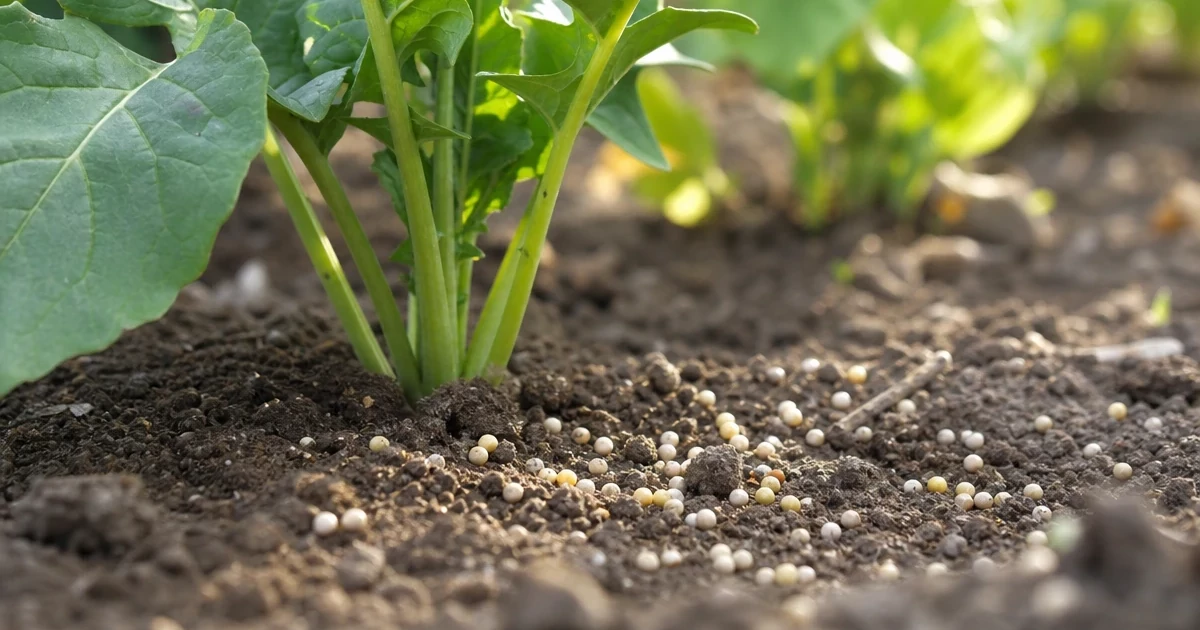
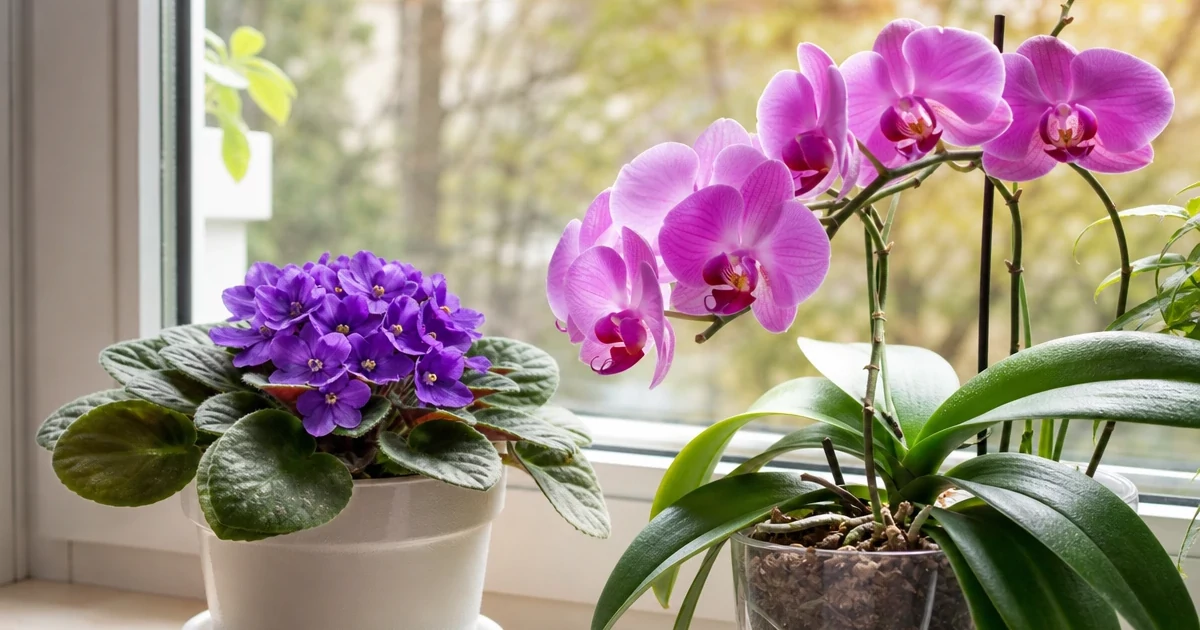
The internet is full of tips on feeding houseplants with sugar, yeast or coffee grounds. Some of them really help, others are useless and a few can do harm. Here is when houseplants need feeding, which natural fertilisers work and how to avoid overfeeding.
A potted plant has only a small volume of soil, and a few months after repotting its nutrients run out. So during active growth — from spring to late summer — most houseplants are fed every 2–4 weeks. In autumn, feed less often, and in winter, when growth slows down, usually stop altogether.
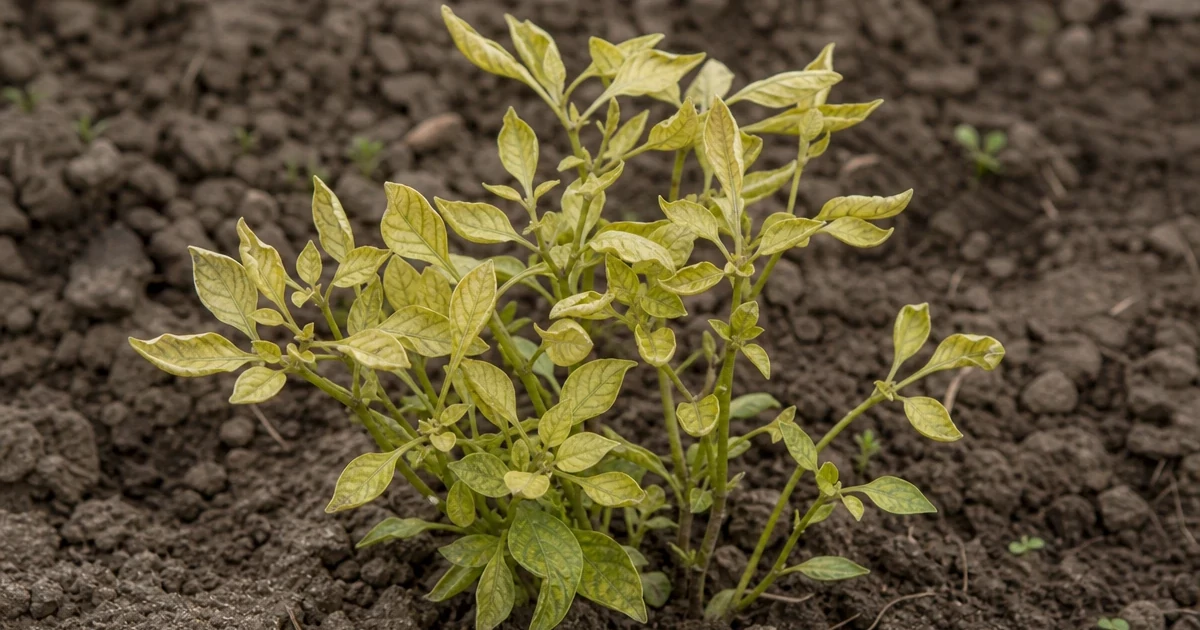
Signs of nutrient deficiency:
Don't feed a plant right after repotting (wait 4–6 weeks), when the soil is bone dry (water it first) or when it is sick or has just arrived in your home.
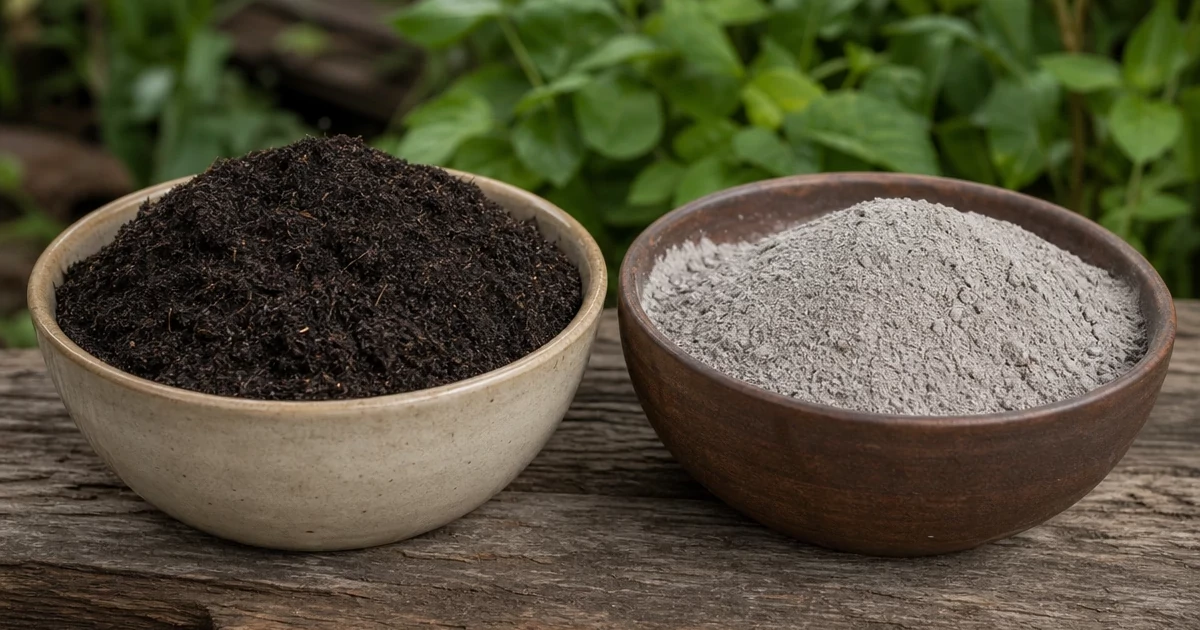
The best natural fertiliser for houseplants is worm castings (vermicompost) or mature compost. Mix them into the potting mix when repotting or spread a thin layer on the surface; liquid vermicompost is diluted for watering according to the instructions. This kind of feeding is gentle and hardly ever burns roots.
Ash contains potassium, calcium, phosphorus and magnesium and suits flowering plants well. Stir 1 tablespoon of sifted ash into 1 litre of water and use it once a month during the growing season. Important: ash makes soil more alkaline, so don't use it for azaleas, hydrangeas, camellias and other acid lovers. Only use ash from clean wood, grass or straw — never from barbecue charcoal, firelighters, painted wood or rubbish.
Used coffee grounds contain a little nitrogen and loosen the soil. But fresh grounds added straight to a pot soon go mouldy, form a crust and attract fungus gnats, and caffeine can slow the growth of some plants. Contrary to popular belief, used grounds hardly acidify soil. They are best added to compost; in pots, use only small amounts, well dried and mixed into the soil.
An infusion of orange or lemon peel contains very few nutrients, so it cannot replace fertiliser, and its sweet smell attracts fruit flies. If you want to use peel, put it in the compost.
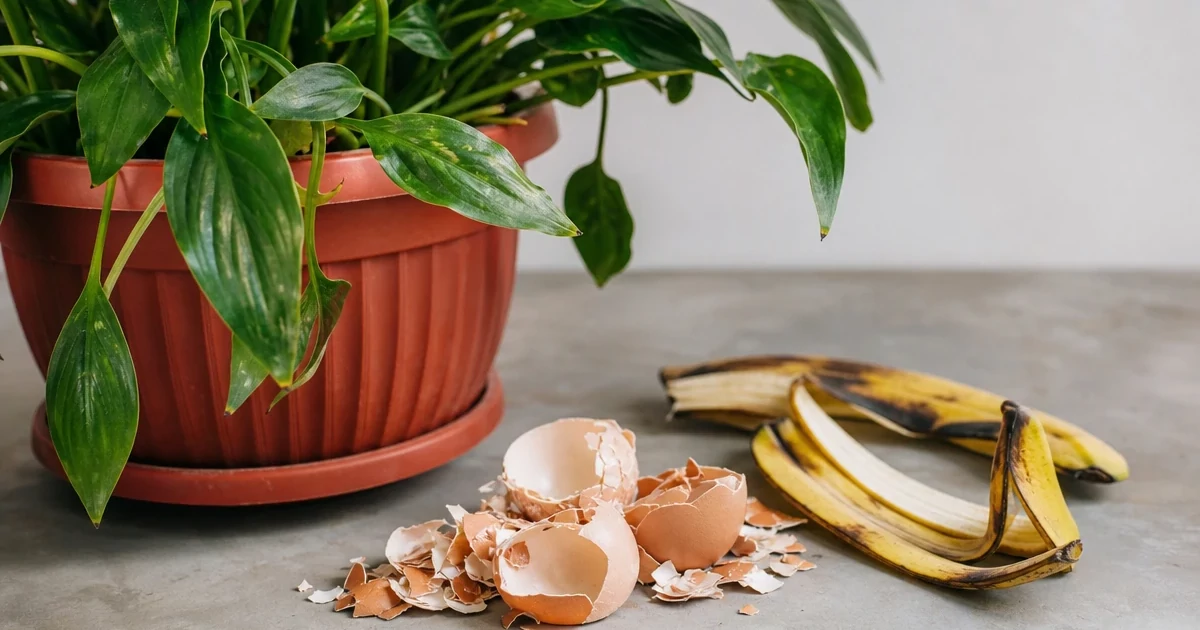
Eggshell is almost pure calcium carbonate and takes years to break down in soil. Ground to a powder it slightly reduces acidity; whole pieces work, at best, as drainage. It is not a complete fertiliser.
Peel contains potassium, but a peel tea is weak and soon sours, and pieces in the pot rot and attract gnats. If you want to use bananas, put the peel in the compost.
Pharmacy potassium and magnesium tablets are sometimes recommended for flowering plants. But home recipes dose them arbitrarily, and they contain no nitrogen or phosphorus. A complete houseplant fertiliser supplies the same elements in balanced form.
Sugar. Plants make their own sugars in their leaves through photosynthesis, and roots don't take up sugar solution as food. Sugar in the soil feeds mould, bacteria and flies. So "sugar feeding" does more harm than good.
Yeast. A yeast solution stimulates soil microorganisms but contains almost none of the nitrogen, phosphorus and potassium plants need and cannot replace a proper fertiliser. In a pot it can make the soil sour and smelly.
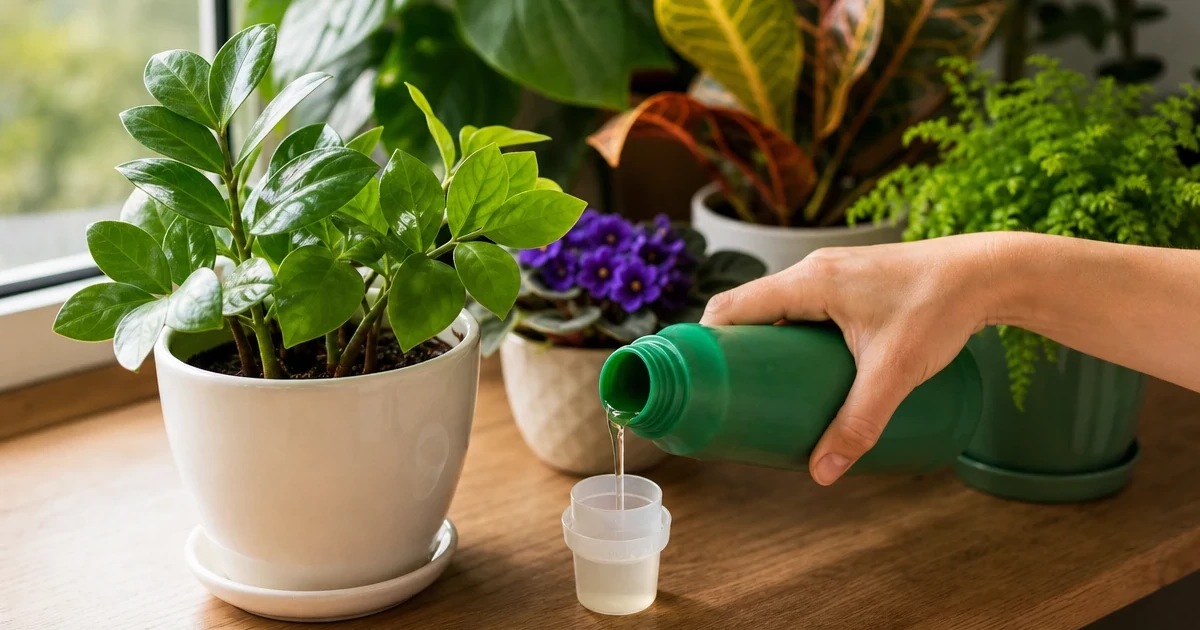
The best houseplant fertiliser is the one that suits the species and the season. Shop-bought products list an NPK ratio: nitrogen (N) drives leaves, phosphorus (P) roots and flowering, potassium (K) sturdiness and buds.
Natural feeds complement shop-bought ones well but rarely replace them, since home remedies cannot be dosed precisely.
| Plants | What to use | How often in the growing season |
|---|---|---|
| Ficus, monstera, dracaena | All-purpose or foliage-plant feed | Every 2–3 weeks |
| African violets, pelargoniums, peace lily | Flowering-plant feed, worm castings | Every 2 weeks while in bud |
| Orchids | Orchid feed | Every 2–4 weeks at half strength |
| Cacti and succulents | Cactus feed, low in nitrogen | Monthly in spring and summer |
| Azaleas, hydrangeas | Ericaceous feed, no wood ash | Every 2 weeks |
Better not: roots can't use sugar, and in the soil it encourages mould and flies.
Worm castings or mature compost, and for flowering plants that dislike acidic soil, a wood ash solution.
Want a plant that is already in bloom? Choose from our potted plants with UFL delivery in Kyiv.
Worm castings or mature compost are the safest. Flowering plants (except acid-lovers) can get a wood-ash solution once a month. For regular feeding, a liquid all-purpose fertiliser is the better buy.
Most plants need no feeding in winter: growth slows and fertiliser builds up in the soil. The exceptions are plants that bloom in winter or grow under a grow light; give them a half dose once a month.

Author: Maria Svitlovir
Graduated from Taras Shevchenko National University of Kyiv, Institute of Biology and Medicine (2001). BSc in Biology, MSc in Horticulture. Writes about plants, works at a garden centre selecting and repotting plants, and contributes to plant reference guides.
© Kyiv 2026 UFL Flower Shop

Trademark UFL №191476 is used under license of the rights holder.
All rights reserved. Any use of materials without a link to the site is prohibited.


 Birthday
 Hydrangeas