
 Birthday
 Hydrangeas
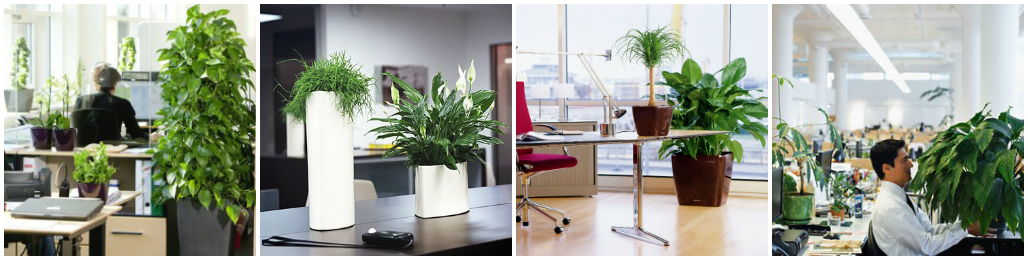
Plants make an office feel more welcoming and help people take a break from their screens. But an office is a tough place for greenery: air conditioning, artificial light, weekends and holidays when nobody waters. Here are the plants that cope with those conditions, how to organise their care and what not to expect from your green colleagues.
Office-ready plants and gifts for colleagues are in our houseplant delivery in Kyiv section.
Why have plants in the office
Studies link greenery at work with better wellbeing, comfort and concentration. What plants can't do is noticeably clean office air — that's the job of ventilation; see do houseplants purify the air? So choose plants mainly for your conditions and how easy they are to keep.

How to choose a plant for your conditions
- Check the light. If windows are far away, choose shade-tolerant plants or add an LED grow light on a timer.
- Consider the schedule. Offices are empty at weekends and on holidays, so you need plants that can wait for water.
- Watch the air conditioning and radiators. Hot or cold airflow dries out leaves — don't place plants directly in it.
- Think about size. Large plants divide an open-plan space; small ones brighten desks.

The best office plants
- ZZ plant — barely needs water and tolerates shade; ideal for reception.
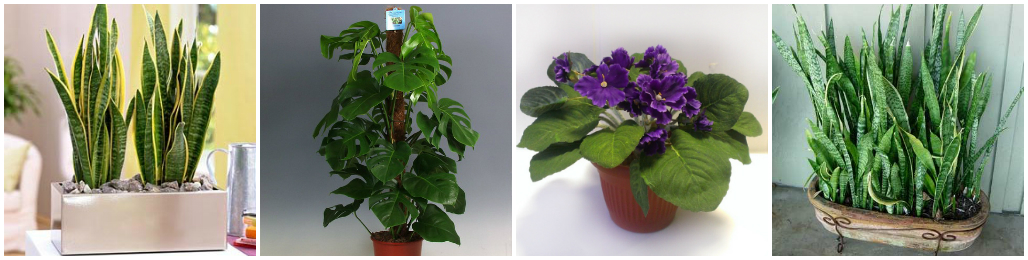
- Snake plant — copes with dry air, infrequent watering and low light.
- Pothos — grows fast and trails beautifully from shelves and cabinets.
- Aglaonema — variegated leaves, does well under artificial light.
- Peace lily — flowers with white "sails" and droops its leaves to signal it's thirsty.
- Dracaena and monstera — large plants for open spaces.
- Phalaenopsis and succulents — compact options for a bright desk.

Organising care
- Put someone in charge or set a simple watering rota — otherwise plants get drowned one week and forgotten the next.
- Use self-watering pots or pots with a reservoir so plants get through weekends and short holidays.
- Before long breaks, water well and move plants away from radiators; see watering plants while you're away.
- Wipe the leaves every 2–3 weeks — dust blocks light.
- Repot in spring when a plant outgrows its pot; see our guide to repotting houseplants.


Common mistakes
- A plant directly under the air conditioner or on a radiator.
- Everyone watering "just a little" every day.
- An oversized pot "to grow into" — the compost stays wet and the roots rot.
- Strongly scented flowers (lilies, hyacinths) in shared spaces, which can bother colleagues.

FAQ
Which plant survives in a windowless office?
ZZ plant, aglaonema or pothos — provided there's a bright LED lamp on for 10–12 hours a day.
What plant makes a good gift for a colleague?
A compact, easy-care plant in a nice pot: a succulent, a mini snake plant or a phalaenopsis.
Do office plants need feeding?
Yes, once a month from spring to late summer; not in winter.


View full-size photo
Author: Maria Svitlovir
Graduated from Taras Shevchenko National University of Kyiv, Institute of Biology and Medicine (2001). BSc in Biology, MSc in Horticulture. Writes about plants, works at a garden centre selecting and repotting plants, and contributes to plant reference guides.