
 Birthday
 Hydrangeas
Orange persimmons reach the market in late autumn, when most other fruit is over. Many people know their mouth-puckering taste, but not all persimmons are like that. Here is what types exist, how to pick a ripe fruit and whether you can grow the tree in a Ukrainian garden.
Autumn bouquets and baskets: flower baskets and chrysanthemums.
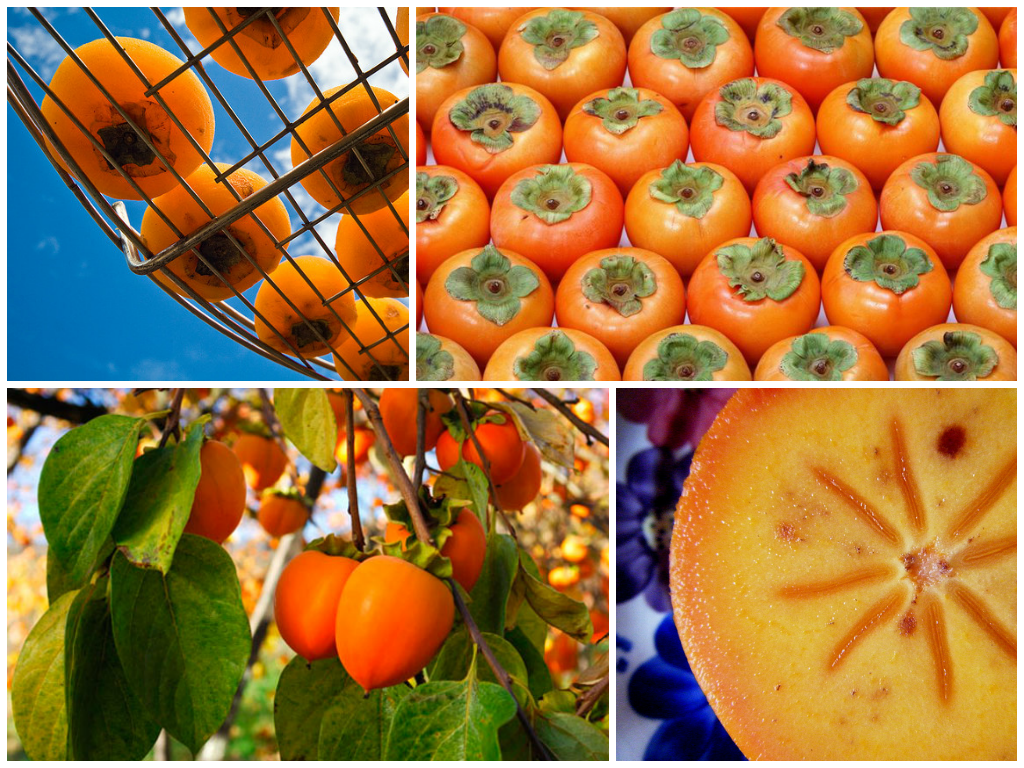
Astringent and non-astringent
The puckering taste comes from tannins. Astringent varieties are full of them while firm, so they can only be eaten when completely soft, almost jelly-like. Non-astringent varieties, such as the tomato-shaped Fuyu, are sweet even when firm.
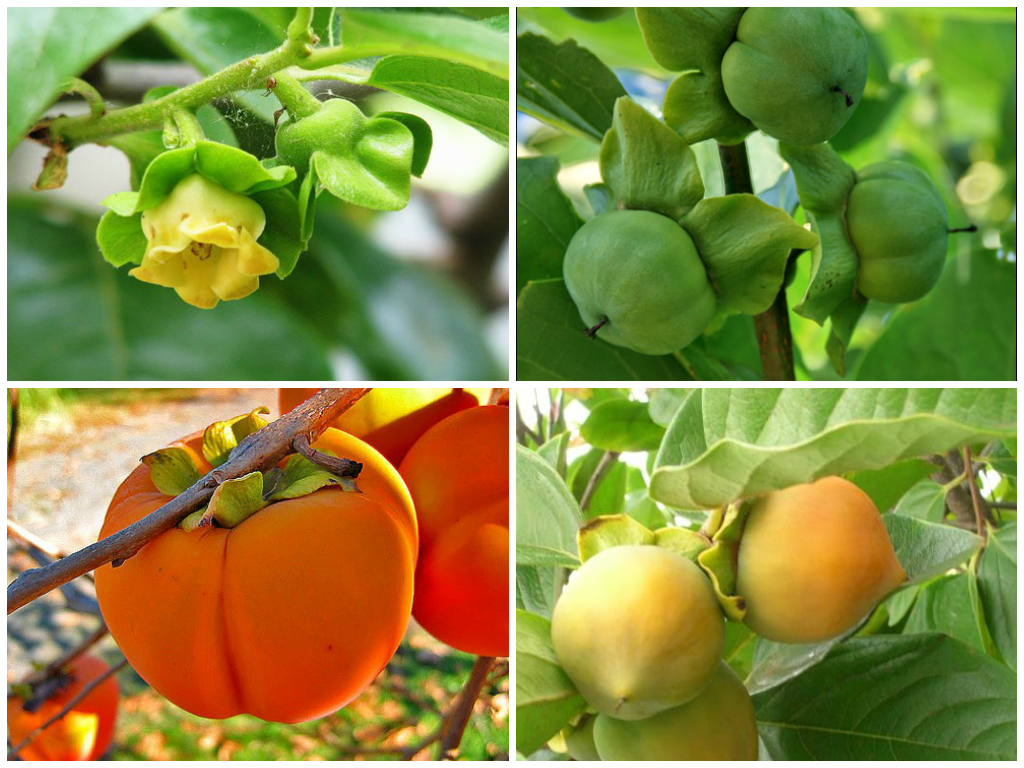
Choosing and ripening
- The skin should be bright and unbroken and the calyx dry.
- Ripen an astringent persimmon at room temperature in a bag with an apple or banana — the ethylene they release speeds ripening.
- Freezing for a day also reduces astringency.
- Avoid eating a lot of unripe astringent persimmon, as the tannins are hard to digest.
Persimmon in a Ukrainian garden
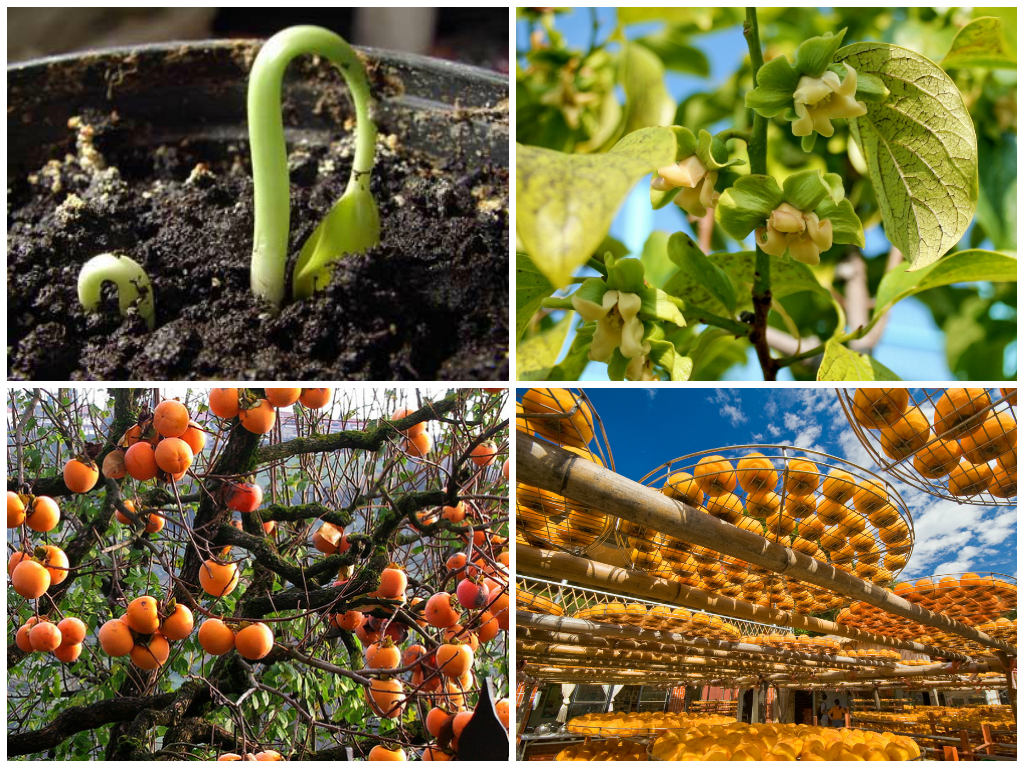
Oriental persimmon tolerates frosts down to about −15…−18 °C, so it grows well in southern Ukraine and Zakarpattia. American persimmon and its hybrids with the oriental species are much hardier and are being tried even in central regions. The tree likes a sunny, sheltered spot and well-drained soil, and is especially beautiful in autumn, when the leaves fall and the orange fruit stays on the branches.
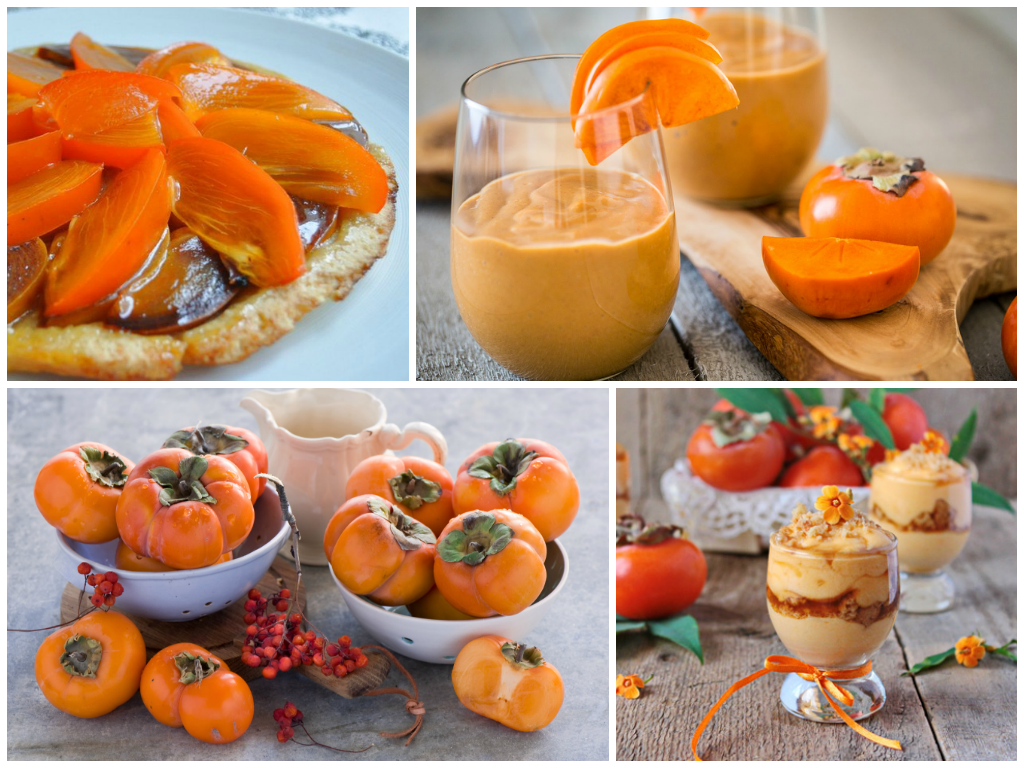
Care
- Planting. In spring, using a container-grown tree.
- Watering. Regularly in the first years and while fruit swells.
- Winter protection. Mulch and wrap young trees.
- Pruning. Formative and sanitary, in early spring.
Discover other unusual fruit plants in coconut and coffee plant care.
FAQ
Why do persimmons taste astringent?
Because of soluble tannins, which are especially abundant in unripe fruit of astringent varieties.
Can I grow a persimmon from a seed?
Yes, but the seedling may be male or give poor fruit; a grafted tree is more reliable for a harvest.

View full-size photo
Author: Maria Svitlovir
Graduated from Taras Shevchenko National University of Kyiv, Institute of Biology and Medicine (2001). BSc in Biology, MSc in Horticulture. Writes about plants, works at a garden centre selecting and repotting plants, and contributes to plant reference guides.


