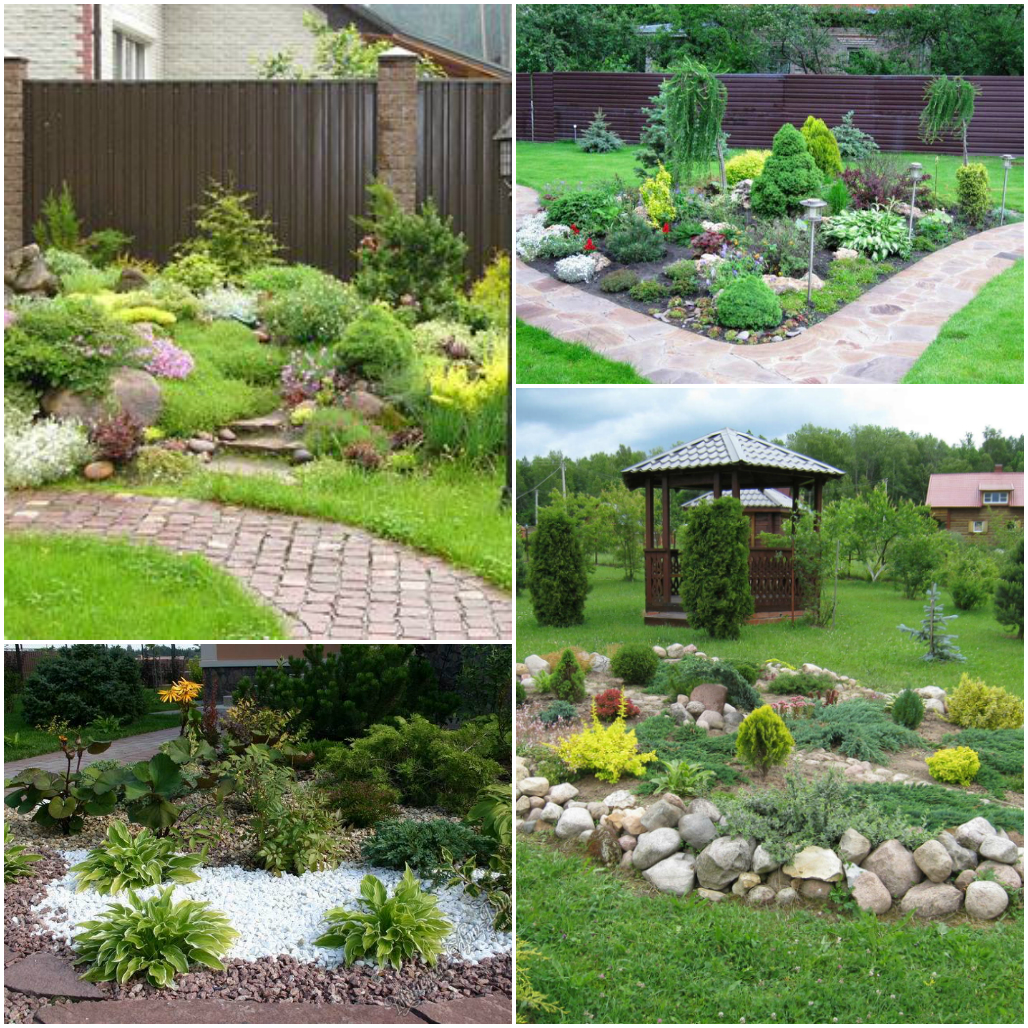
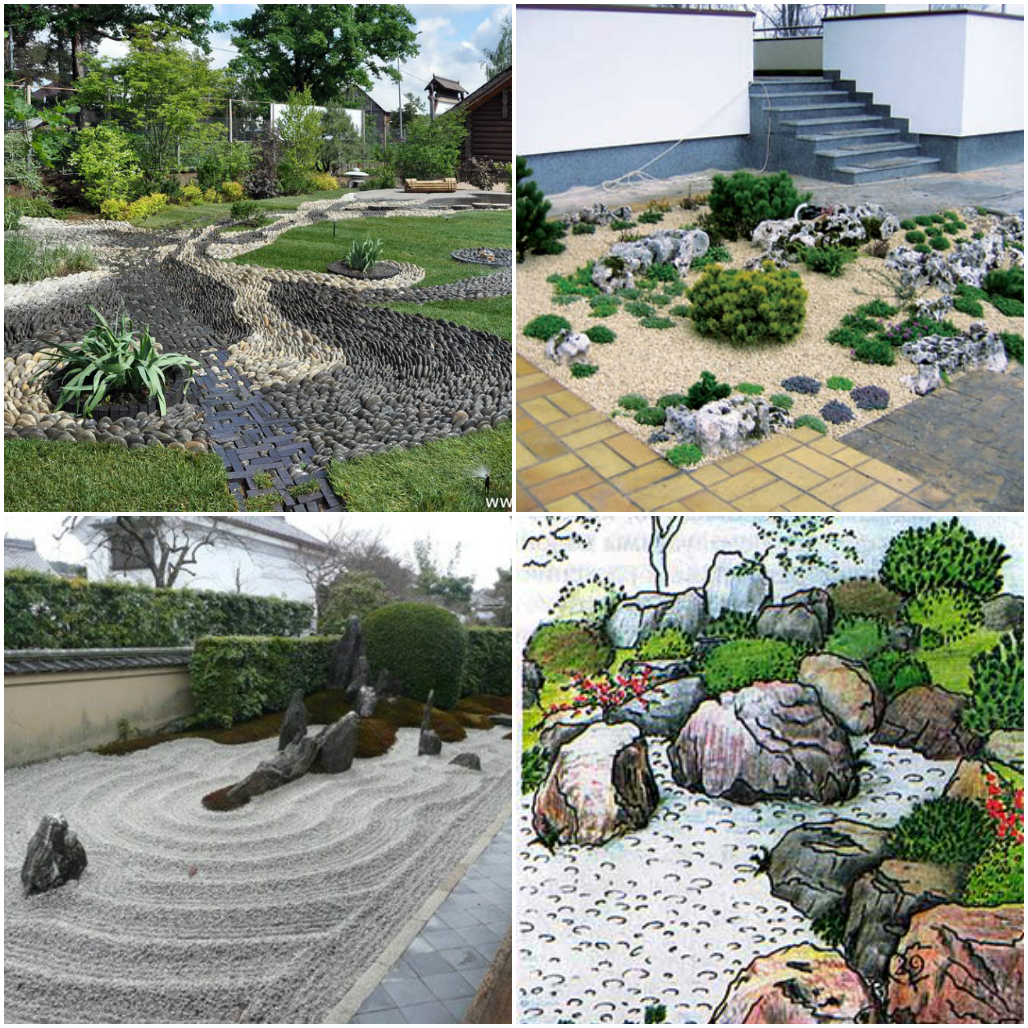
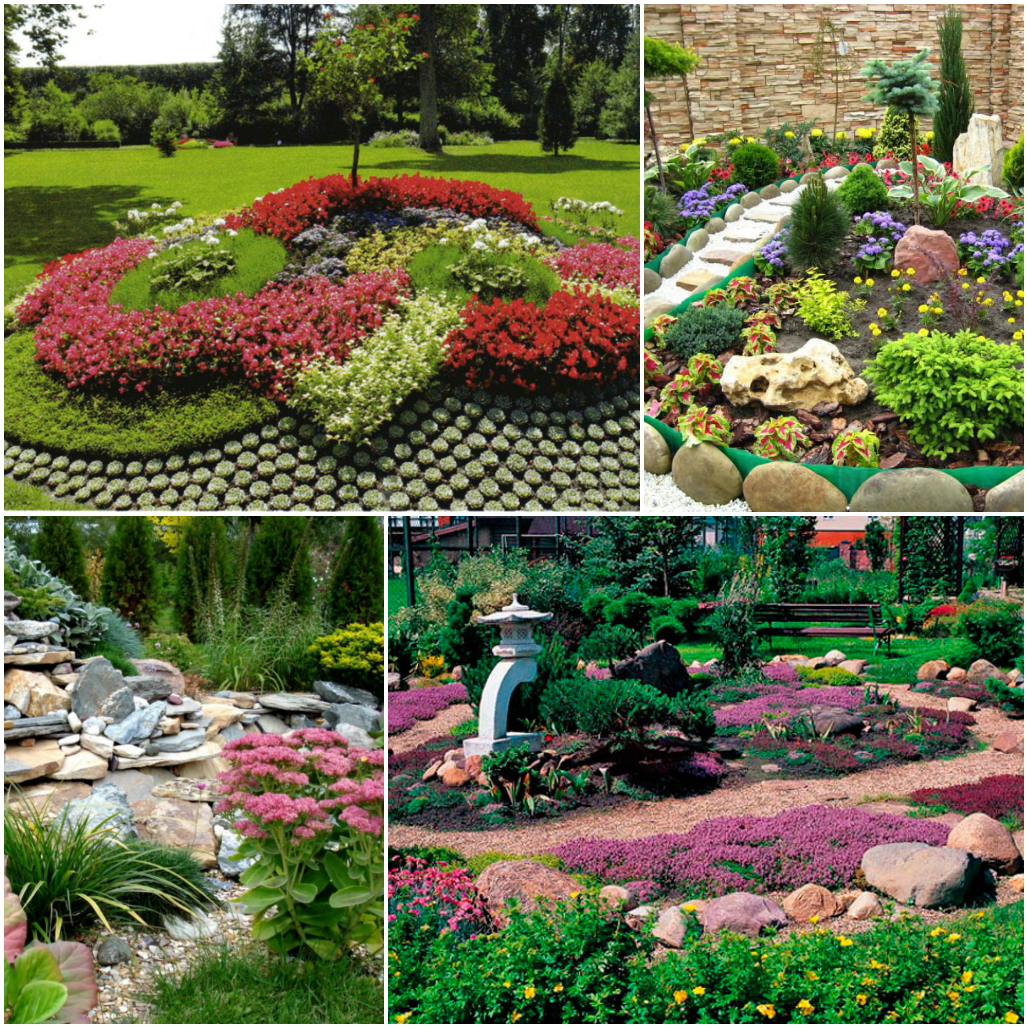
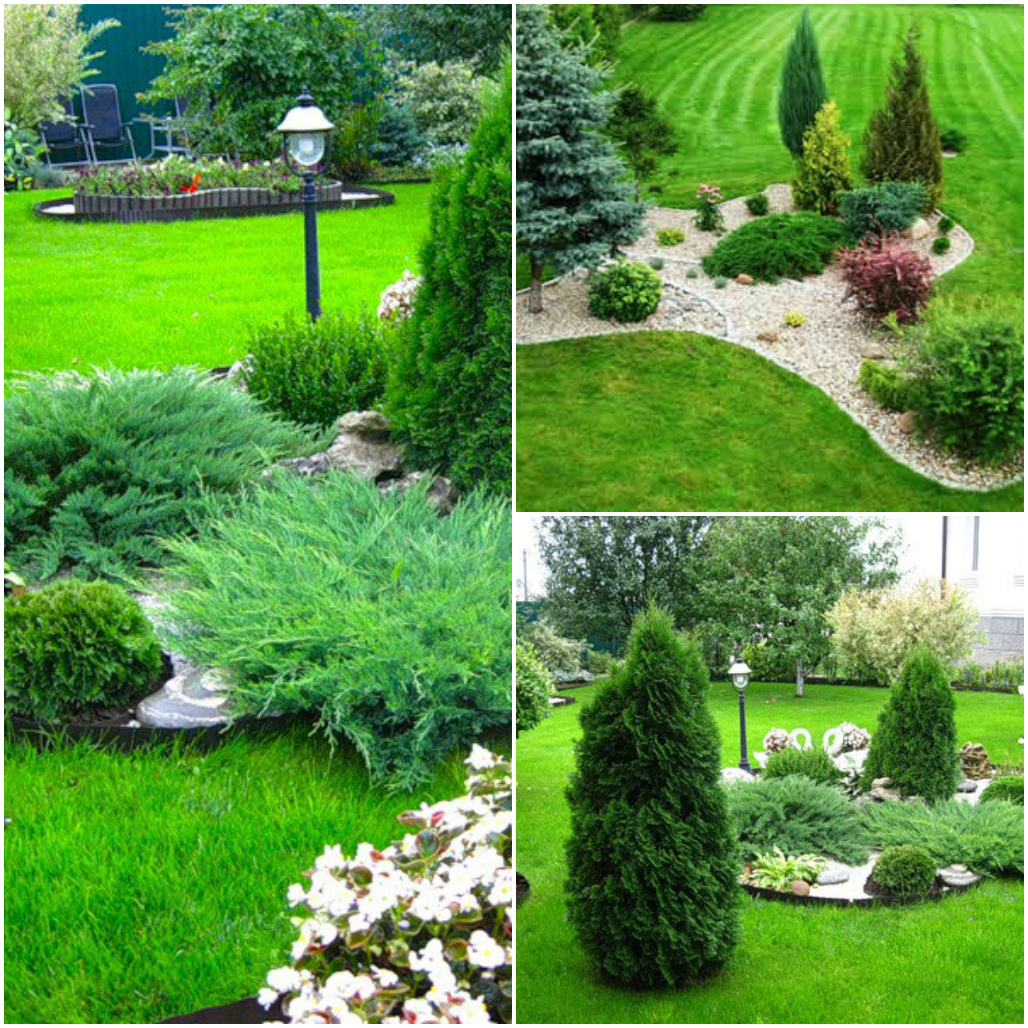
A rockery is a flower bed where stones take the lead and plants simply highlight their shape and texture. It looks good all year, suits awkward spots and needs very little care after the first season. Here is how a rockery differs from an alpine garden, which stones and plants to choose and how to build one yourself.
For home and balcony, choose from our potted plants with delivery in Kyiv.
A rockery is simpler than an alpine garden: there is no need to build an artificial mound or grow fussy high-mountain plants. It can go on flat ground, a slope, along a path or by a fence.
Where to put it
A sunny or partly shaded spot that is easy to see.
Ground without standing water: in hollows, stones and plants suffer from damp.
Away from large trees — falling leaves clog the gravel.
A slope that is hard to grass over is ideal for a rockery.
Bulbs: crocuses, grape hyacinths, species tulips, squills — for spring.
Limestone slightly raises soil pH, so for acid-loving plants (heather, rhododendrons) choose granite. For more easy-care planting ideas, see low-maintenance garden.
Water regularly in the first year while plants establish; after that, only in drought.
Weed until the ground cover knits together.
In spring, clear leaves and debris and top up the gravel.
Do not overfeed: most rockery plants prefer poor soil.
FAQ
How is a rockery different from an alpine garden?
In a rockery the stones are the focus; an alpine garden recreates a mountain slope with alpine plants on an artificial mound.
Which stones are best?
One type with a natural shape: granite, sandstone, limestone or tufa.
When should I build a rockery?
Ideally in autumn so the soil settles over winter, with planting in spring.
Author: Maria Svitlovir
Graduated from Taras Shevchenko National University of Kyiv, Institute of Biology and Medicine (2001). BSc in Biology, MSc in Horticulture. Writes about plants, works at a garden centre selecting and repotting plants, and contributes to plant reference guides.




 Birthday
 Hydrangeas