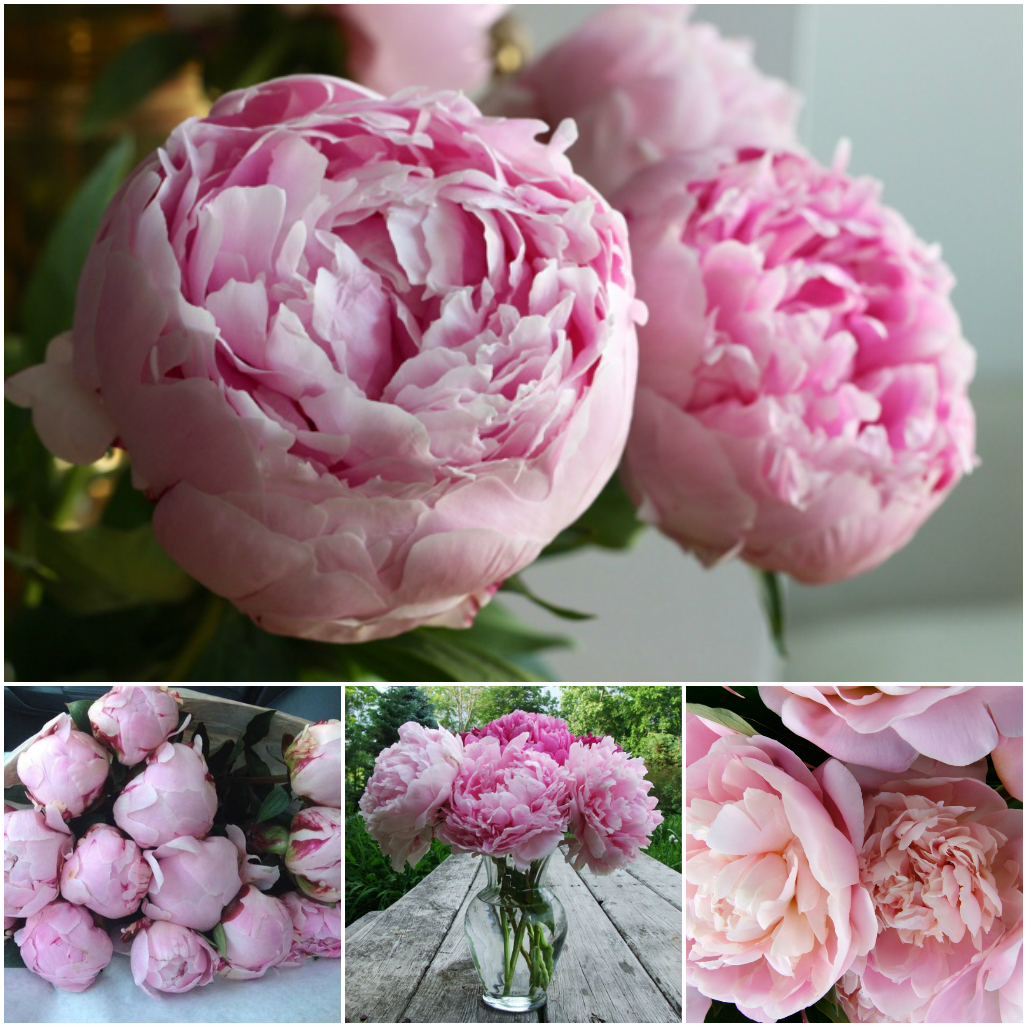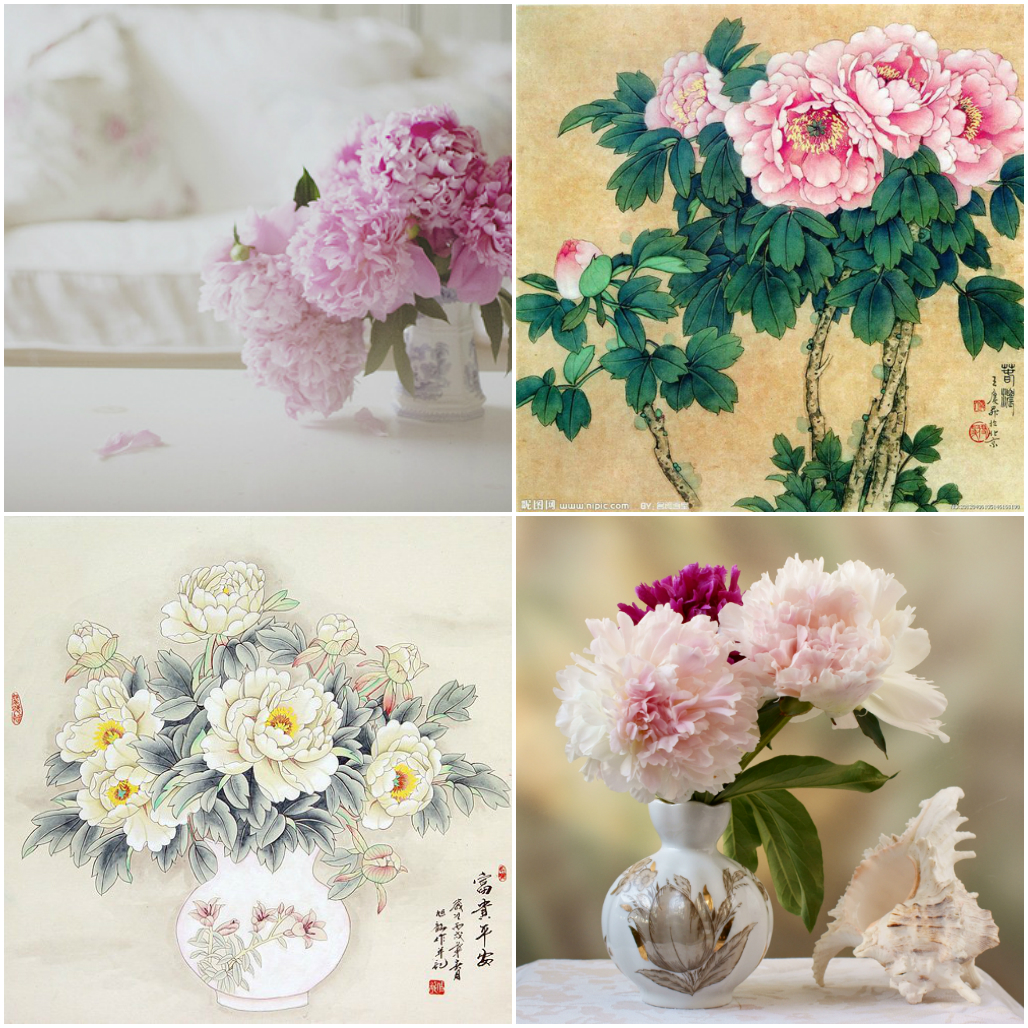
Peonies are among the most sought-after bouquet flowers: lush, fragrant and, sadly, seasonal. Here is what kinds of peony there are, how to choose fresh ones and make them last in a vase, what the peony means in different cultures, how to use it in a bridal bouquet and how to grow peonies in the garden. Learn more in peonies in a vase. See also the most beautiful flowers in the world, a top 20 with photos. Bloom dates and order of varieties: when do peonies bloom.
In season choose peony bouquets, and out of season peony-style roses.
Flower forms include single, Japanese (with a pompom of petaloid stamens in the centre), semi-double, bomb and full double. Hybrids with rare yellow and coral flowers are covered in Itoh peonies.
Peonies last 5–7 days in a vase. See our vase life ranking for comparison.
In China the peony is the "king of flowers", a symbol of wealth, prosperity and a happy marriage; the city of Luoyang holds a major peony festival — see flower festivals of the world. In European tradition the peony is linked with romance and good fortune, which is why it's a favourite for weddings and anniversaries.
Peonies are one of the most popular wedding flowers. They pair well with garden roses, lisianthus, ranunculus, eucalyptus and seasonal berries. Mind the season: local peonies are available in May–June, while at other times imported flowers from the Southern Hemisphere cost more. For an out-of-season wedding, a florist can suggest look-alikes such as garden roses or ranunculus. More in our bridal bouquet guide. Varieties, pairings and timing tips are in peony bridal bouquets.
Besides garden varieties, Ukraine has wild peonies, all of them rare:
Both are listed in the Red Data Book of Ukraine, so they must not be picked, dug up or sold from the wild. If you like the fern-leaf peony, buy it from a nursery: it has long been grown as a garden plant and thrives in sunny, dry spots.
In Ukraine garden peonies bloom from late May to mid-June — the main season, when bouquets are freshest and best value. Imported Dutch peonies appear in April, and in winter they come from Chile and New Zealand, so peonies can be ordered almost all year round, but they cost more out of season.
Peonies are sold as tight buds because they travel better that way. To help them open, recut the stems at an angle, put the bouquet in warm (not hot) water and leave it in a warm room: the flowers usually open in one to two days. If a bud seems stuck, gently wipe it with a damp cloth — there may be a sugary coating on the surface.
An open peony bouquet lasts five to seven days. To extend its life, change the water daily, keep the vase away from sun and fruit, and move the bouquet somewhere cool overnight.
Pink peonies are the most popular: they symbolise tenderness, romance and a happy marriage, which is why brides love them. White means purity and sincerity, red and burgundy passion and respect, coral joy and energy, and rare yellow Itoh hybrids warmth and friendship.
The best time to transplant and divide peonies is late August and September. Plant the buds no deeper than 3–5 cm: planting too deep is the most common reason peonies fail to bloom. Other reasons include deep shade, too much nitrogen, or a bush that is too young or has just been divided.
In spring feed peonies with nitrogen, and with potassium and phosphorus when buds form. After flowering remove only the spent blooms and leave the foliage until autumn, as it feeds the roots. After the first frosts cut the stems almost to the ground.
Tree peonies are a separate group: shrubs up to 1.5–2 m tall that do not die back in winter and are covered every year in huge flowers up to 20 cm across.
Read also: types of flowers, hydrangeas: types and care, the guide to roses, flowers that look like peonies. Timing, dividing and planting depth are covered in when to transplant peonies. If yours will not flower, see why peonies don’t bloom. The woody peony that lives for decades is covered in tree peony.
Usually they were cut too early, when the bud was hard. A warm spot and a fresh cut help.
Yes, but they're imported from the Southern Hemisphere or greenhouse-grown and cost more than seasonal ones.
Garden roses, ranunculus, double tulips and lisianthus — see our article on flower look-alikes.

Author: Maria Svitlovir
Graduated from Taras Shevchenko National University of Kyiv, Institute of Biology and Medicine (2001). BSc in Biology, MSc in Horticulture. Writes about plants, works at a garden centre selecting and repotting plants, and contributes to plant reference guides.
© Kyiv 2026 UFL Flower Shop

Trademark UFL №191476 is used under license of the rights holder.
All rights reserved. Any use of materials without a link to the site is prohibited.


 Birthday
 Hydrangeas