

“Sorry” is one of the first words worth learning in a foreign country: it helps in crowds, on public transport and in awkward moments. Apologising in someone’s native language can also mean a lot in an international relationship. Here is how to say sorry in more than 35 languages — with spelling, a pronunciation hint and the cultural nuances that keep your apology from sounding wrong.
| Language | How to write it | Pronunciation |
|---|---|---|
| Ukrainian | Вибач / Пробач | VY-bach / PRO-bach |
| Polish | Przepraszam | psheh-PRAH-shahm |
| German | Entschuldigung / Es tut mir leid | ent-SHOOL-di-goong / es toot meer lyte |
| French | Désolé(e) / Pardon | day-zo-LAY / par-DOHN |
| Spanish | Lo siento / Perdón | loh SYEN-toh / per-DOHN |
| Italian | Scusa / Mi dispiace | SKOO-zah / mee dee-SPYAH-cheh |
| Portuguese | Desculpa | desh-KOOL-pah (Portugal), jees-KOO-pah (Brazil) |
| Dutch | Sorry / Het spijt me | het SPYTE meh |
| Czech | Promiň | PRO-meen |
| Slovak | Prepáč | PREH-pahch |
| Bulgarian | Извинявай | iz-vee-NYAH-vai |
| Croatian, Serbian, Slovenian | Oprosti | oh-PROS-tee |
| Belarusian | Прабач | prah-BAHCH |
| Lithuanian | Atsiprašau | ah-tsee-prah-SHOW |
| Latvian | Piedod | PYEH-dohd |
| Estonian | Vabandust | VAH-bahn-doost |
| Finnish | Anteeksi | AHN-tehk-see |
| Swedish | Förlåt | fur-LOHT |
| Norwegian | Unnskyld | OON-shool |
| Danish | Undskyld | OHN-skool |
| Hungarian | Bocsánat | BO-chah-not |
| Romanian | Îmi pare rău | uhm PAH-reh rau |
| Greek | Συγγνώμη | see-GHNO-mee |
Capital letters mark the stressed syllable. Pronunciation is approximate — check the word in an online translator to be sure.
| Language | How to write it | Pronunciation |
|---|---|---|
| Turkish | Özür dilerim | uh-ZOOR dee-leh-REEM |
| Georgian | ბოდიში | BOH-dee-shee |
| Armenian | Ներողություն | neh-roh-ghoo-TYOON |
| Azerbaijani | Bağışlayın | bah-ush-LAH-yun |
| Hebrew | סליחה | slee-KHAH |
| Arabic | آسف | AH-sif (m), AS-fa (f) |
| Hindi | माफ़ कीजिए | maaf KEE-jee-yeh |
| Chinese (Mandarin) | 对不起 | dway-boo-CHEE |
| Japanese | ごめんなさい / すみません | go-men na-SAI / su-mee-MA-sen |
| Korean | 미안해 / 죄송합니다 | mee-AN-heh / chweh-song-ham-nee-da |
| Vietnamese | Xin lỗi | sin loy |
| Thai | ขอโทษ | kor TOHT |
| Indonesian | Maaf | mah-AHF |
| Swahili | Samahani | sah-mah-HAH-nee |
| Esperanto | Pardonon | par-DOH-non |
If you and your partner speak different languages, a few words in their native tongue show real effort. Learn not just “sorry” but a simple phrase like “I love you”, handwrite it on a card and add a translation so nothing is lost. For the correct Ukrainian forms, see vybach mene or vybach meni.
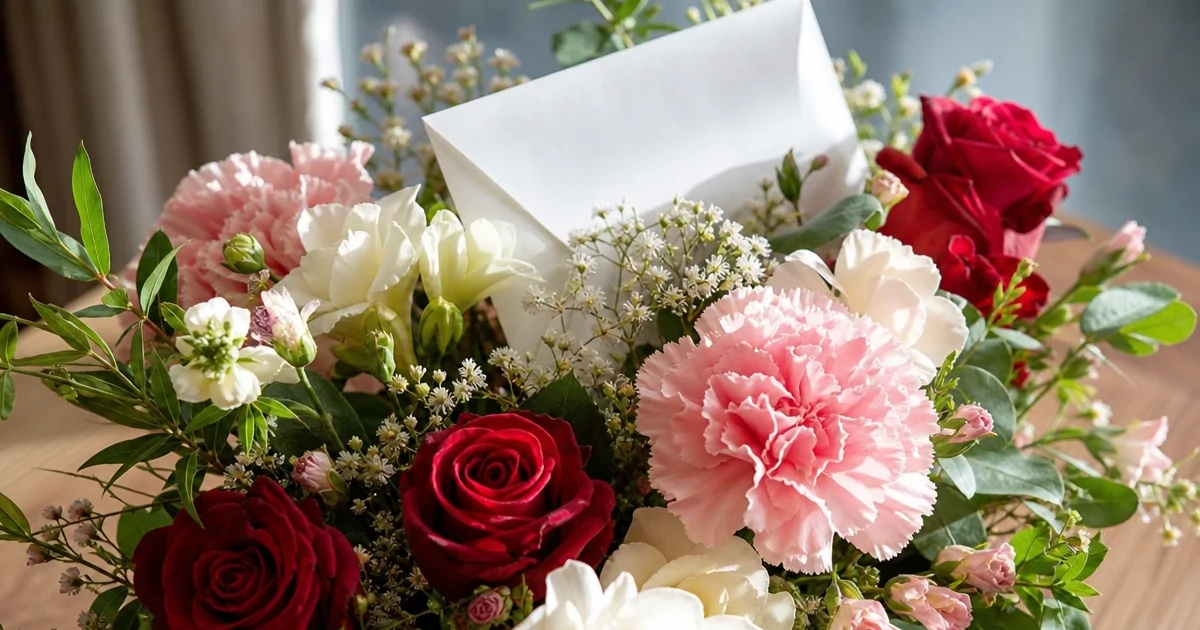
View full-size photoA bouquet with a card is a universal gesture of apology
A bouquet is understood in any language. Soft white or pink flowers, or red roses, with a card saying sorry in the recipient’s language make a gesture people remember. For more ideas, see how to say sorry and how to apologise with flowers.
“Вибач” (vybach) or, more emotionally, “пробач” (probach). For “excuse me”, say “перепрошую” (pereproshuiu).
“Przepraszam” (psheh-PRAH-shahm) — a universal word for any situation.
“Gomen nasai” to people close to you, “sumimasen” for everyday situations and “moshiwake arimasen” in formal settings.

Author: Maria Svitlovir
Graduated from Taras Shevchenko National University of Kyiv, Institute of Biology and Medicine (2001). BSc in Biology, MSc in Horticulture. Writes about plants, works at a garden centre selecting and repotting plants, and contributes to plant reference guides.
© Kyiv 2026 UFL Flower Shop

Trademark UFL №191476 is used under license of the rights holder.
All rights reserved. Any use of materials without a link to the site is prohibited.

 Birthday
 Hydrangeas