
 Birthday
 Hydrangeas
This article was prepared with the support of UFL flower delivery. Orchids are masters of disguise: some look like a dove or a duck, others like a monkey's face or even a swaddled baby. Here are some of the most unusual orchids in the world and the reasons behind their shapes.
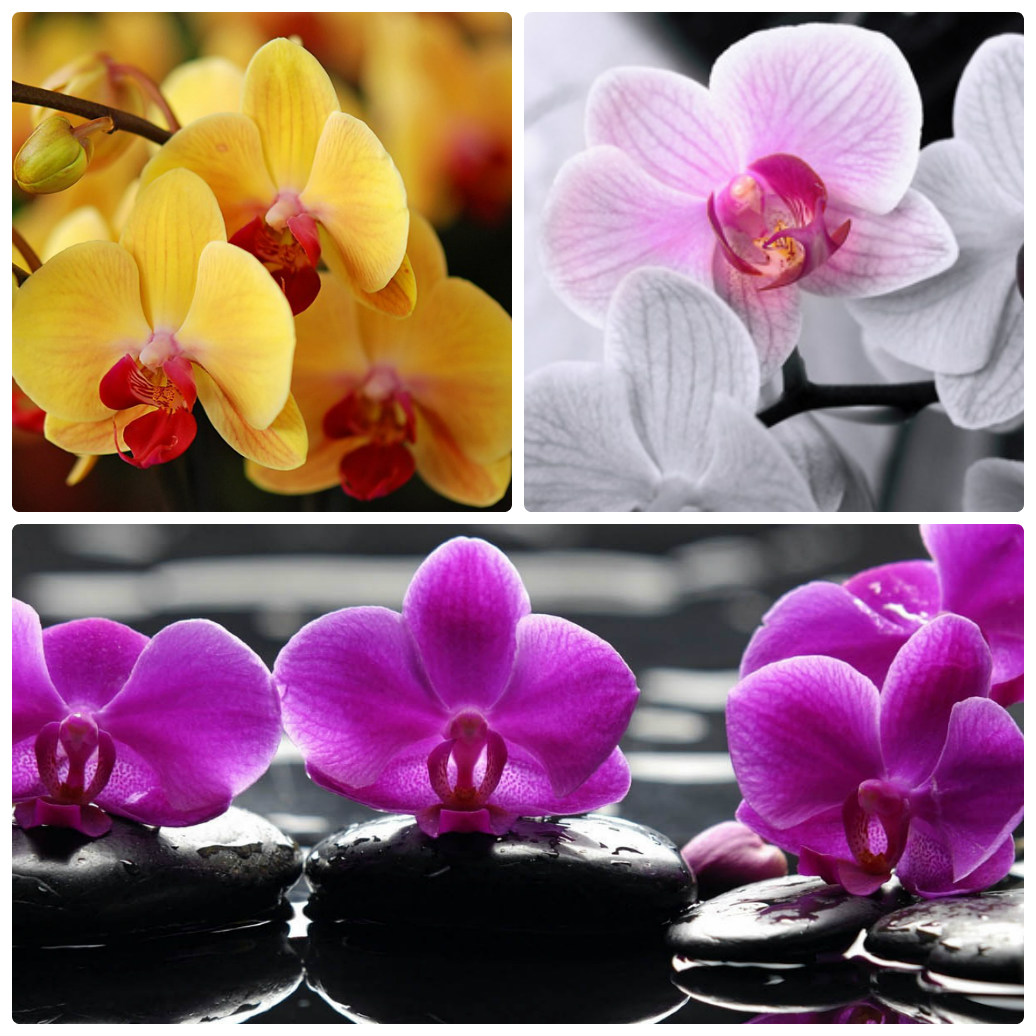
The largest flower family
The orchid family is one of the largest families of flowering plants, with about 28,000 species and more than 100,000 hybrids. Orchids grow on every continent except Antarctica, but most species live in the humid tropics. Their astonishing shapes are linked to pollination: many orchids have adapted to particular insects and trick them by imitating females, food or shelter. In the 19th century Europe was gripped by "orchidelirium", and expeditions were sent to find rare species. Today all orchid species are listed by CITES, the convention that regulates trade in rare plants.
Orchids that look like animals
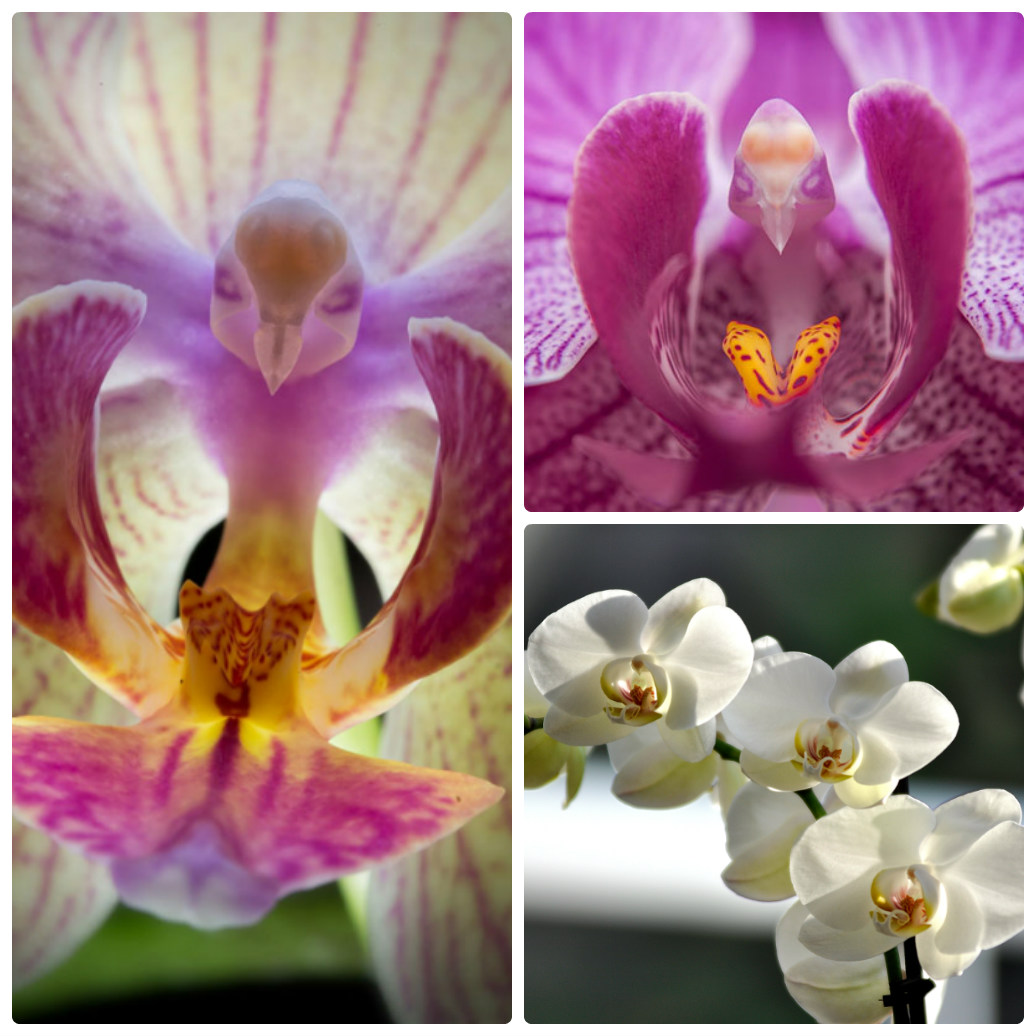
Phalaenopsis, the moth orchid
The Greek name means "moth-like". It is the most popular houseplant orchid: easy to grow, it flowers once or twice a year, and each flowering lasts 2–3 months. Choose one in our orchid delivery section.
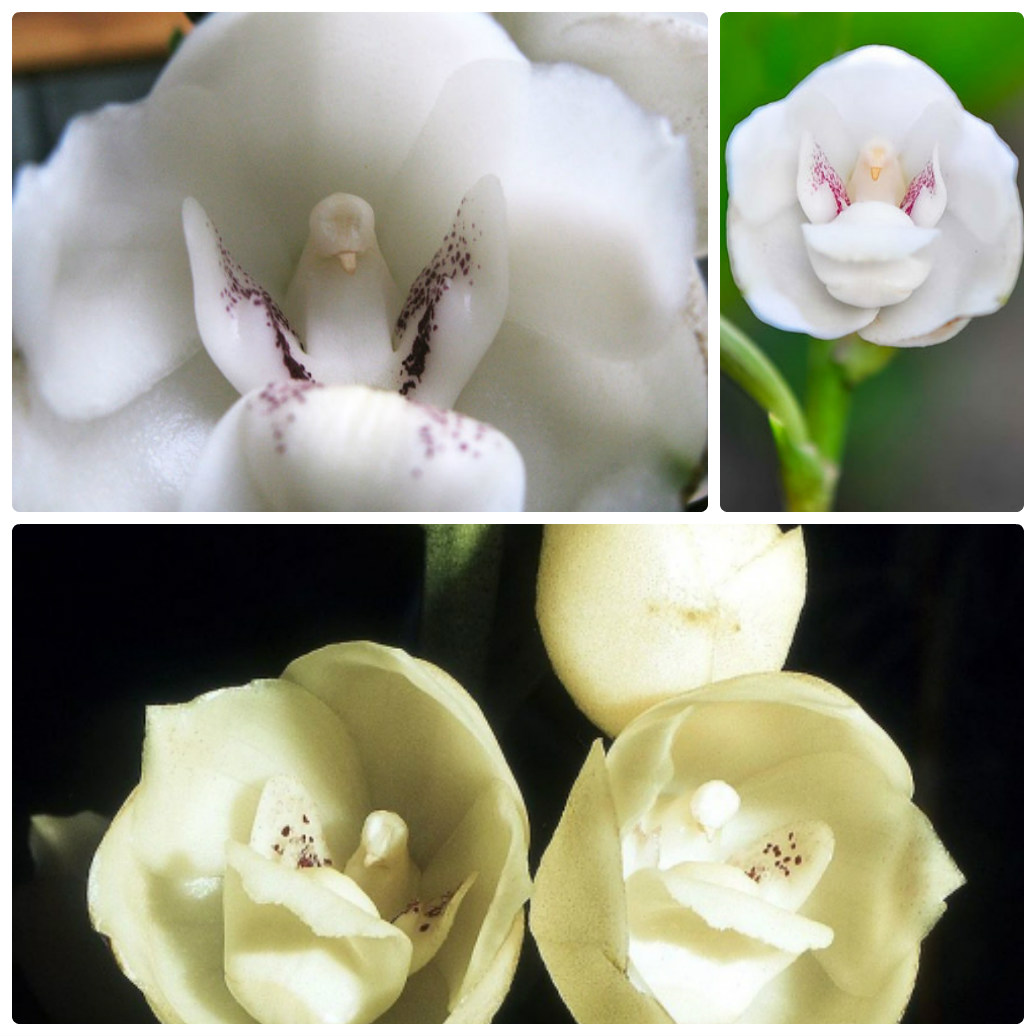
Peristeria elata, the dove orchid
The column in the centre of the flower looks like a white dove with spread wings, hence its other name, the Holy Ghost orchid. It is Panama's national flower. Collecting and deforestation have made it rare, and it is listed in CITES Appendix I.
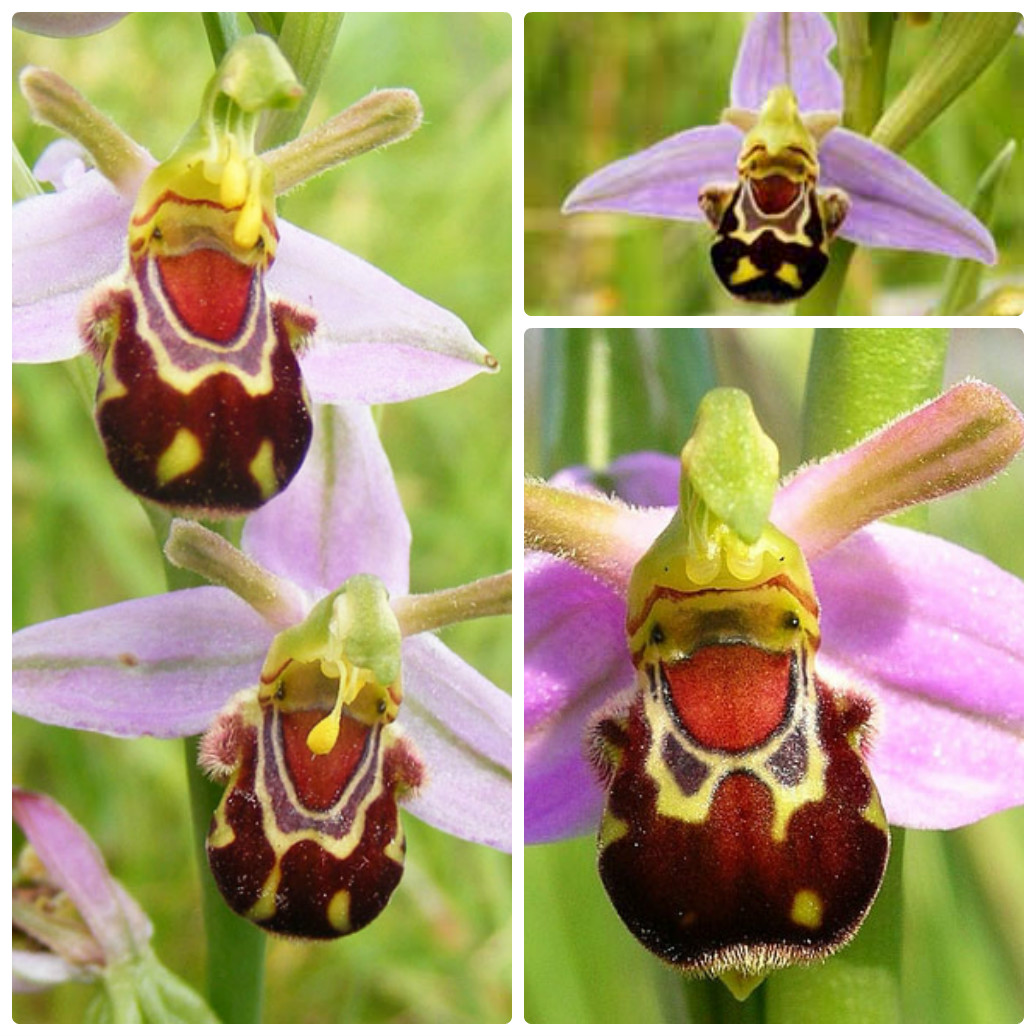
Ophrys, the bee orchid
The lip of the flower mimics a female bee or wasp in shape, colour and even scent. Males try to mate with the flower and carry its pollen away. The bee orchid grows in England and across Europe, and several Ophrys species occur in Crimea.
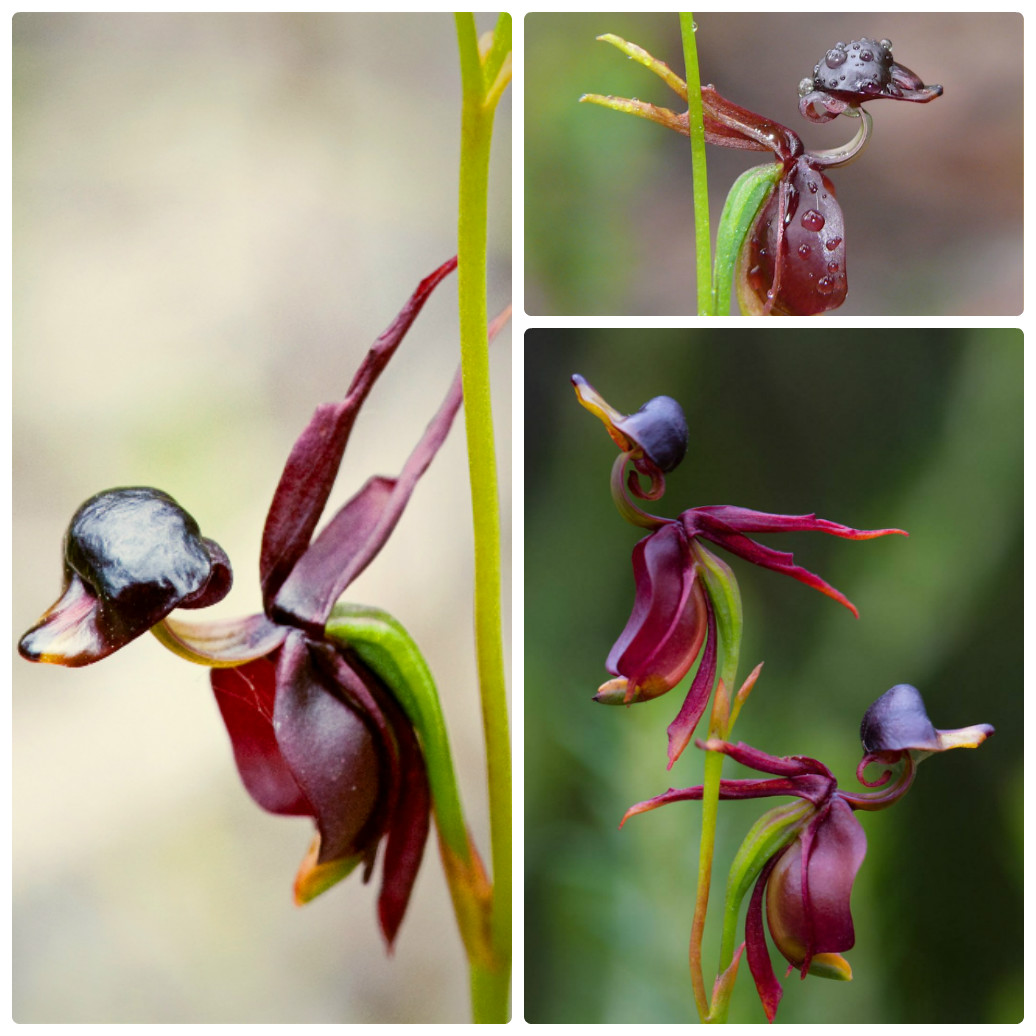
Caleana major, the flying duck orchid
An Australian orchid whose flower looks like a duck in flight. It is pollinated by male sawflies: the hinged lip snaps shut, briefly trapping the insect inside so it picks up pollen.
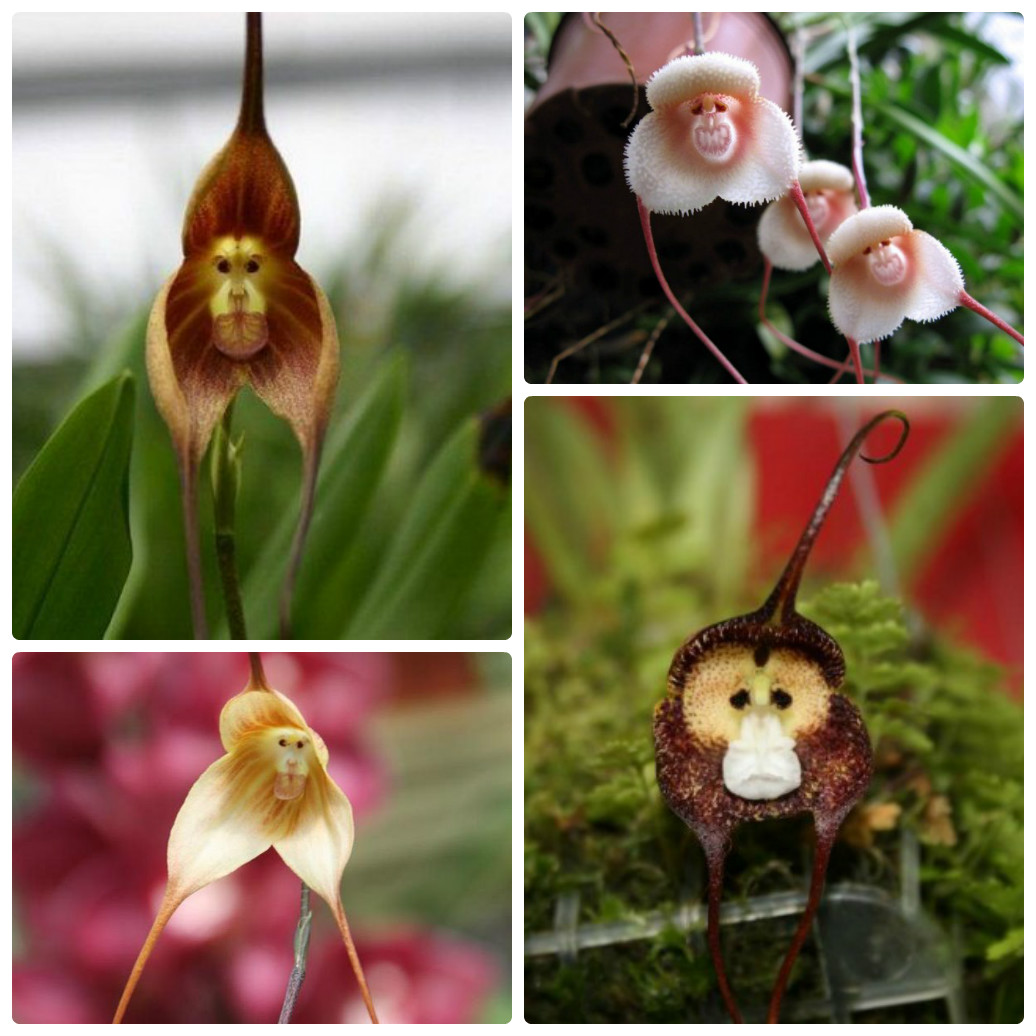
Dracula simia, the monkey orchid
Described in 1978, it grows in the cloud forests of Ecuador and Peru at 1,000–2,000 m. Its petals and column form a remarkably realistic monkey face. The genus Dracula has more than 100 species.
Orchids that look like people
Caladenia, the ballerina orchid
An Australian orchid with slender petals spread like a dancer's arms and tutu.
.jpg)
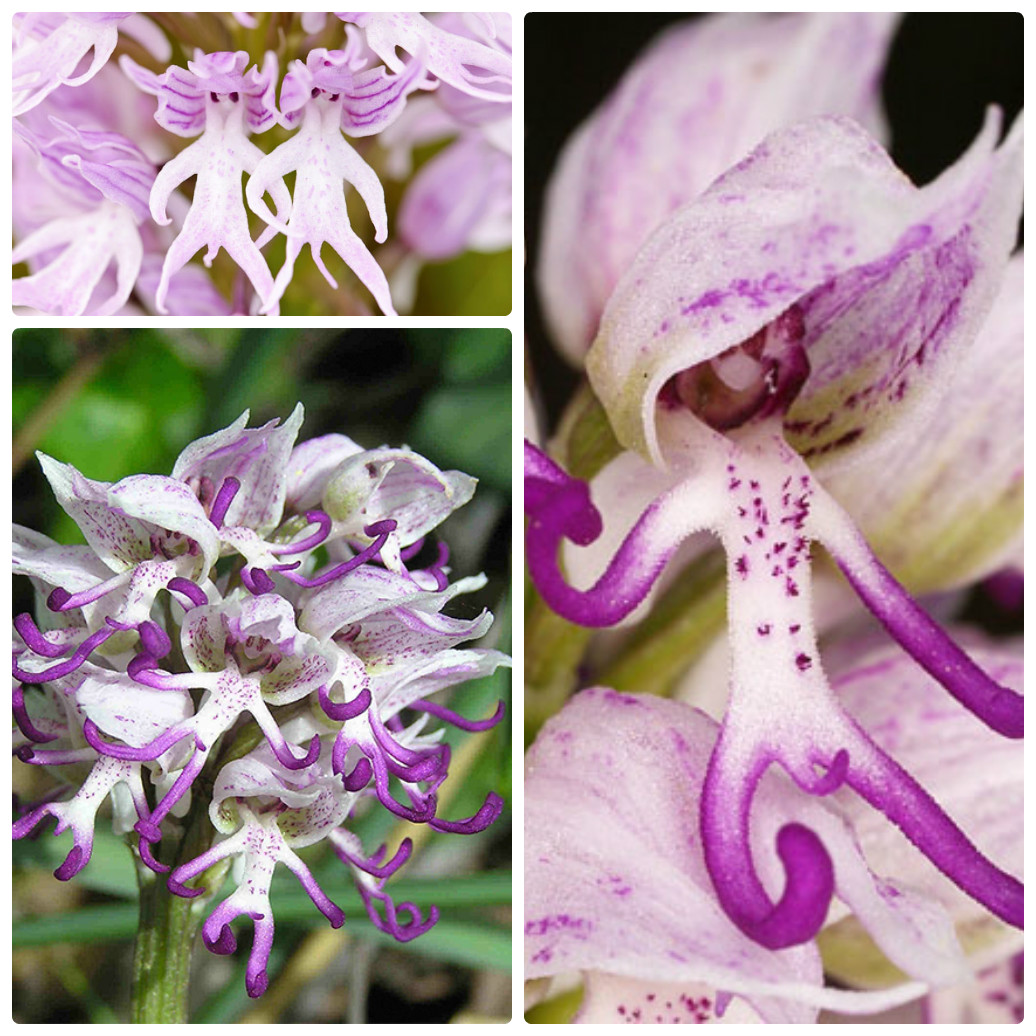
Orchis italica, the naked man orchid
A Mediterranean orchid whose lip resembles a little man with arms and legs. It grows in meadows and open woodland and is protected by law in many countries.
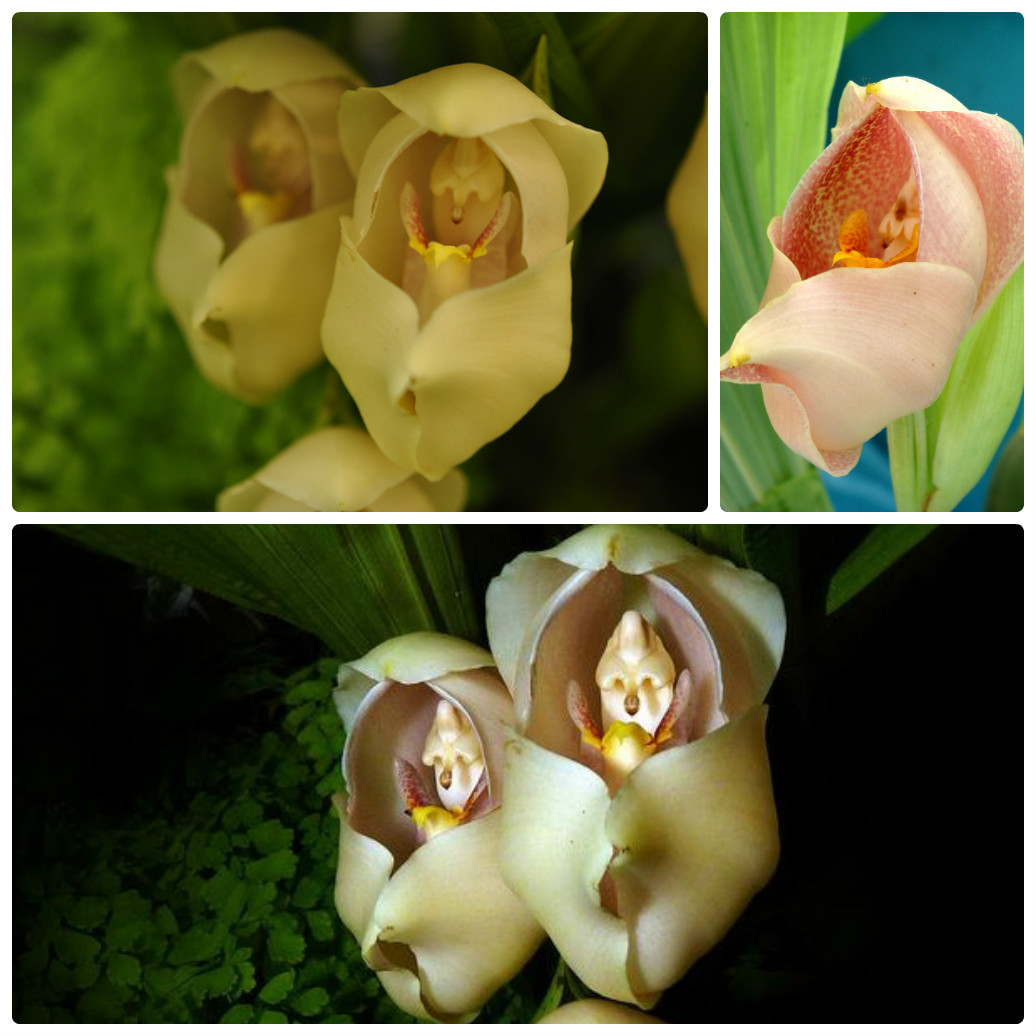
Anguloa uniflora, the swaddled babies orchid
An Andean orchid with tulip-shaped flowers. Inside, the lip looks like a baby wrapped in a blanket, and the flowers smell pleasantly of cinnamon.
Unusual orchids you can grow at home
Most of these species only thrive in specialist glasshouses, as they need cool air, mist or particular pollinators. For the home, choose Phalaenopsis, Dendrobium, Oncidium or Cambria, or, for something unusual, the jewel orchid Ludisia with its patterned leaves and Miltoniopsis with pansy-like flowers.
FAQ
How many orchid species are there?
About 28,000, and botanists describe new ones every year.
Can I buy a monkey orchid?
It is sometimes sold to collectors, but it rarely survives in a flat because it needs constant coolness and high humidity.
Give living beauty: choose orchids with delivery in Kyiv from UFL.

View full-size photo
Author: Maria Svitlovir
Graduated from Taras Shevchenko National University of Kyiv, Institute of Biology and Medicine (2001). BSc in Biology, MSc in Horticulture. Writes about plants, works at a garden centre selecting and repotting plants, and contributes to plant reference guides.


