
 Birthday
 Hydrangeas
Violets are among the most touching flowers: small, delicate, in deep purple, blue and white. But the word "violet" is often used for different plants, and that decides what kind of gift you end up with. Here is which violets work in bouquets, what to pair them with, how to make them last and what they symbolise.
Which violets are used in bouquets
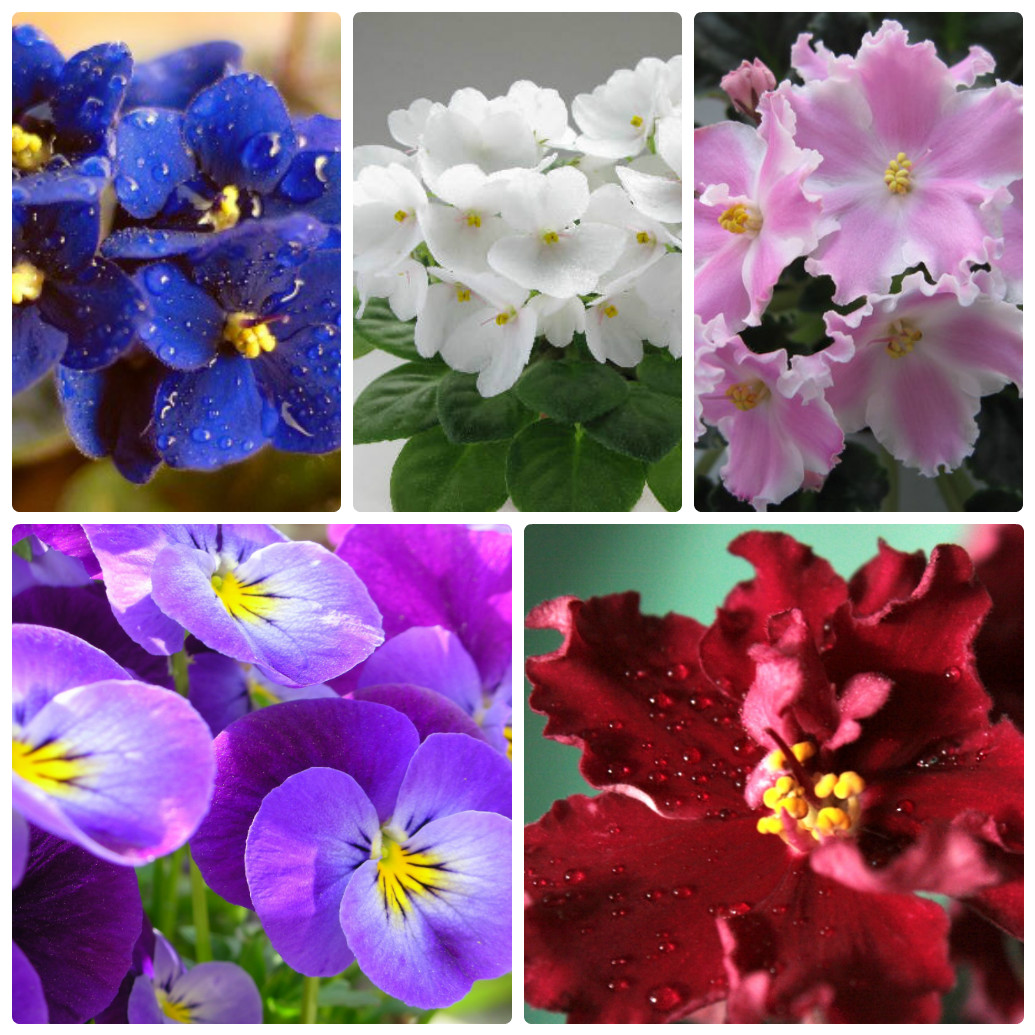
Sweet violet and other species of the genus Viola are the "true" violets. In spring they are made into tiny posies, buttonholes and details for wedding arrangements. In 19th-century Europe, Parma violets with double, fragrant flowers were especially prized.
Pansies (Viola × wittrockiana) are garden relatives of the violet with large "faces" on their petals. They are usually given in planters and baskets, and the flowers are used to decorate cakes and desserts.
African violet, or saintpaulia, is a houseplant from East Africa. It is not suitable for cutting, but in a pot it blooms for months and stays with the recipient for a long time.
Bouquet and arrangement ideas with violets
Violets can be the star of a small arrangement or a detail in a bouquet of larger flowers. A bouquet of violets alone works best in miniature: a tight round posy, a small basket or a little vase on moss. That way the flowers last longer and look more striking. Any companion plants should be small too.
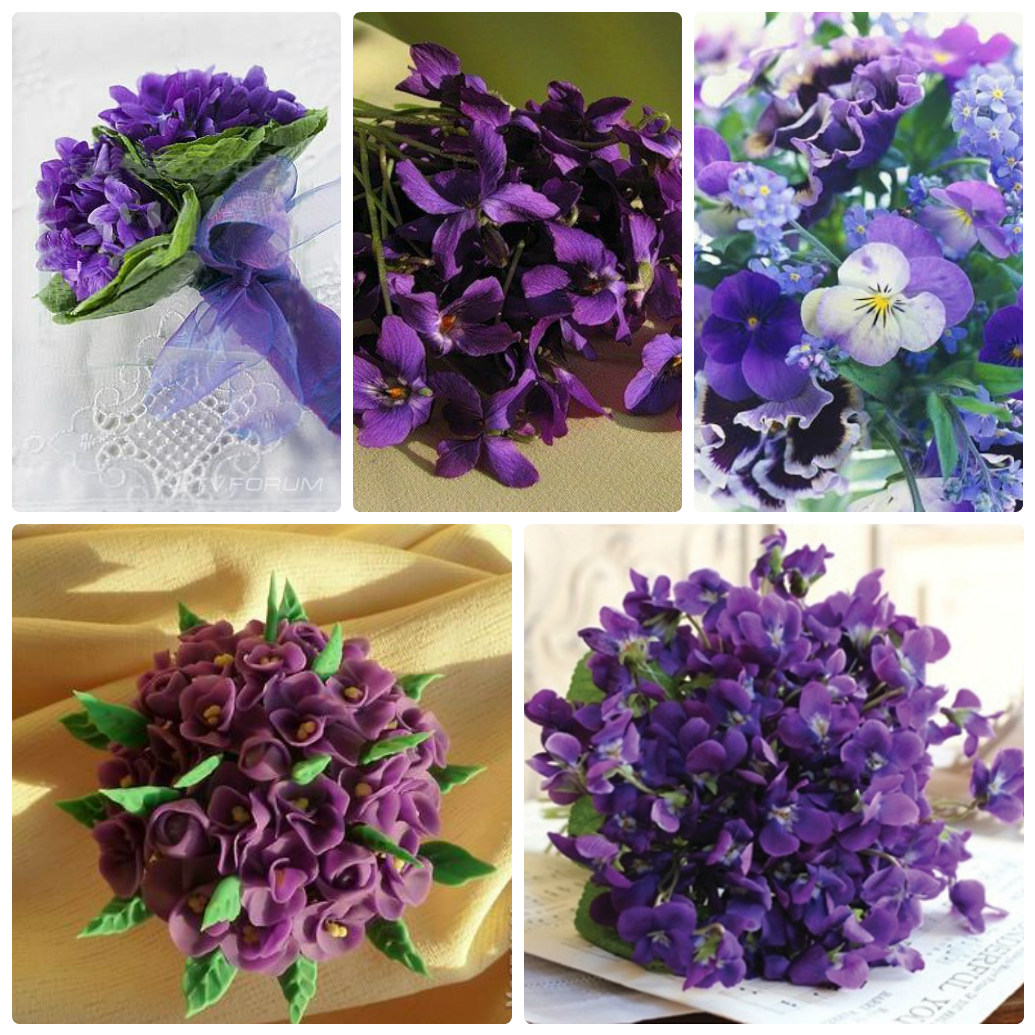
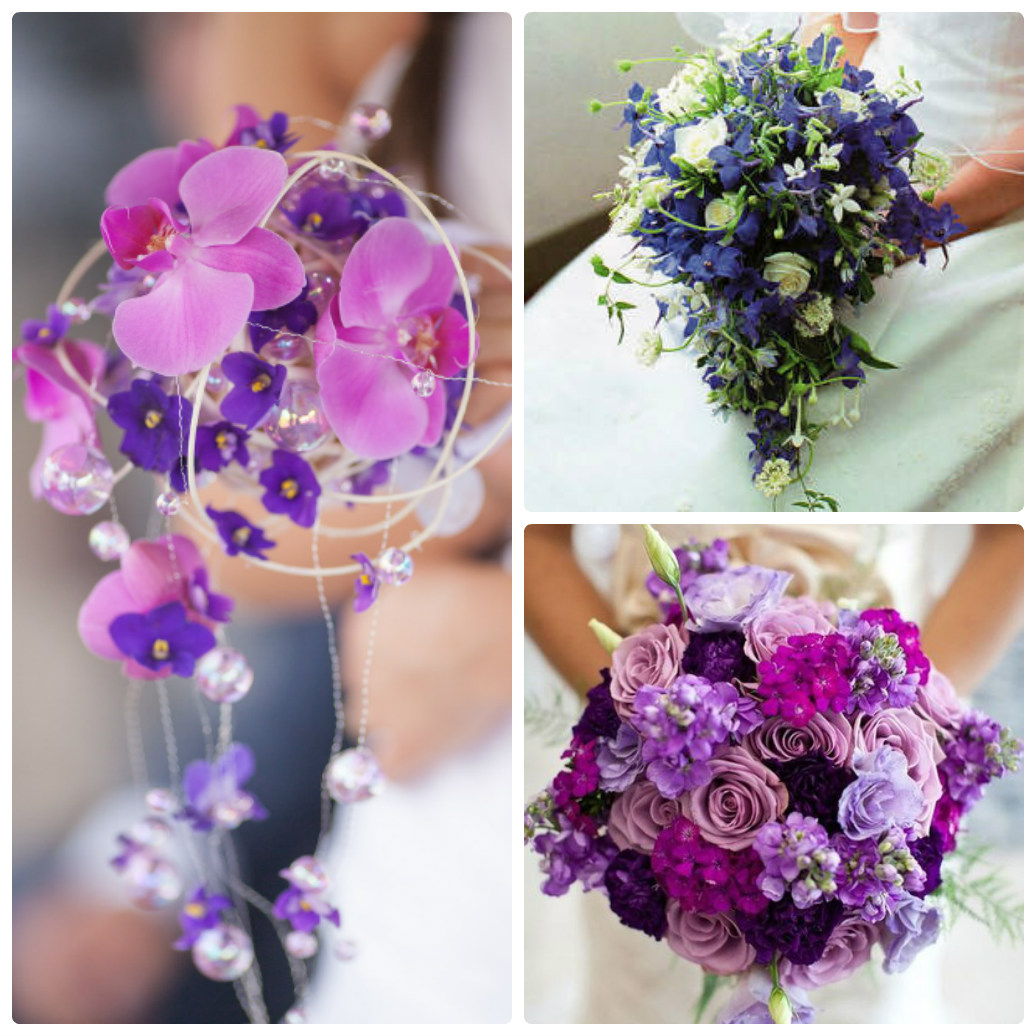
In mixed bouquets, violets go with flowers of the same palette or soft contrasts: lilac, grape hyacinths, crocuses, lavender, forget-me-nots, gypsophila, small roses and orchids. The key is not to let large blooms overpower the delicate violets.
.jpg)
How to make a violet bouquet last
- Cut the stems at an angle and put them straight into cool water.
- Violets also absorb water through their petals: if the posy droops, submerge it completely in cool water for 15–20 minutes.
- Keep the flowers away from radiators, sunlight and fruit; overnight you can move them somewhere cool.
- Cut violets last 2–4 days, so they are a gift for the moment. For something longer-lasting, choose an African violet or other potted plants.
Who to give violets to and when
In the language of flowers, the violet stands for modesty, faithfulness and tender affection. A small posy suits a mother, a friend, a teacher or a first date — the recipient's age does not matter. Folk beliefs call the African violet a "money" and "feminine" flower, but this is a charming tradition rather than a rule for choosing gifts.
Violets also look lovely in wedding floristry: they are added to buttonholes, bridesmaids' posies and purple-toned bridal bouquets.
Legends about the violet
In Greek myths, violets are often linked with Persephone: in one version, Hades carried her off while she was picking flowers in a meadow. A Christian legend says the violet grew from Adam's tears when God forgave him for the Fall. And in France the violet became the emblem of Napoleon: his supporters called him "Corporal Violet" and wore the flowers while awaiting his return from Elba in the spring of 1815.
FAQ
Can you make a bouquet from African violets?
No, African violets are given in pots — cut flowers wilt quickly.
How long does a violet bouquet last in a vase?
Usually 2–4 days if kept cool and refreshed by submerging in water.
A delicate spring bouquet with delivery in Kyiv can always be ordered from UFL.

View full-size photo
Author: Maria Svitlovir
Graduated from Taras Shevchenko National University of Kyiv, Institute of Biology and Medicine (2001). BSc in Biology, MSc in Horticulture. Writes about plants, works at a garden centre selecting and repotting plants, and contributes to plant reference guides.