In winter a bouquet is more at risk than at any other time of year: a few minutes in frost or a sudden temperature change, and the petals darken and the heads droop. Here is which flowers cope best with the cold, how to wrap and transport a bouquet and what to do so it lasts as long as possible at home.
Long-lasting winter bouquets are in our chrysanthemums and flowers in a box sections.
The hardiest are chrysanthemums, carnations and alstroemerias. Roses also hold up well, especially varieties with tight buds. Delicate flowers — tulips, lisianthus, hydrangeas — can be given in winter too, but careful wrapping and a short journey matter even more for them.
In winter bouquets often include fir, cones, ilex branches, cotton bolls and dried flowers: they cope well with the cold and create a festive mood. Such arrangements are a good choice for gifts in December and January.
Yes, as long as the bouquet is well wrapped and spends little time in the cold.
Recut the stems and put them in cool water away from radiators. If petals have already darkened, remove them carefully.
Chrysanthemums, carnations and alstroemerias.

Author: Maria Svitlovir
Graduated from Taras Shevchenko National University of Kyiv, Institute of Biology and Medicine (2001). BSc in Biology, MSc in Horticulture. Writes about plants, works at a garden centre selecting and repotting plants, and contributes to plant reference guides.
© Kyiv 2026 UFL Flower Shop

Trademark UFL №191476 is used under license of the rights holder.
All rights reserved. Any use of materials without a link to the site is prohibited.

 Birthday
 Hydrangeas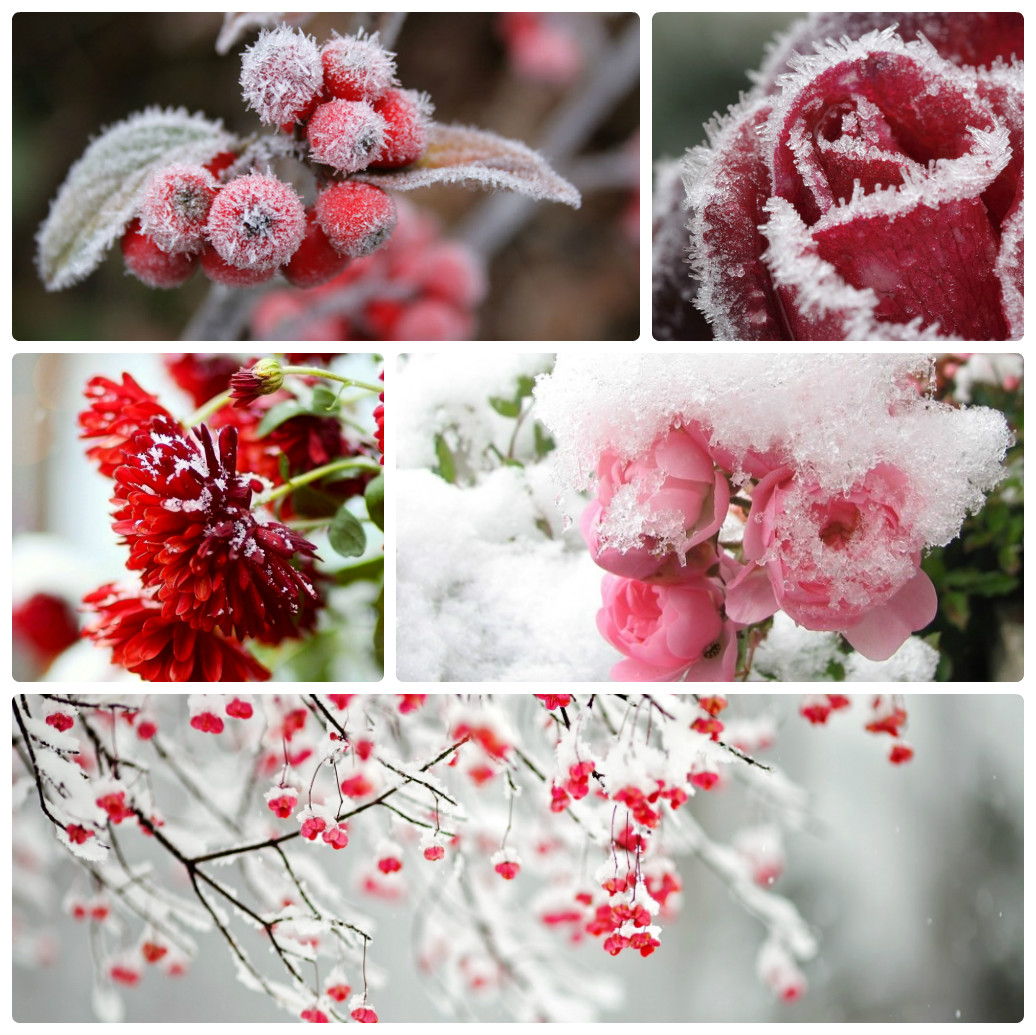

.jpg)