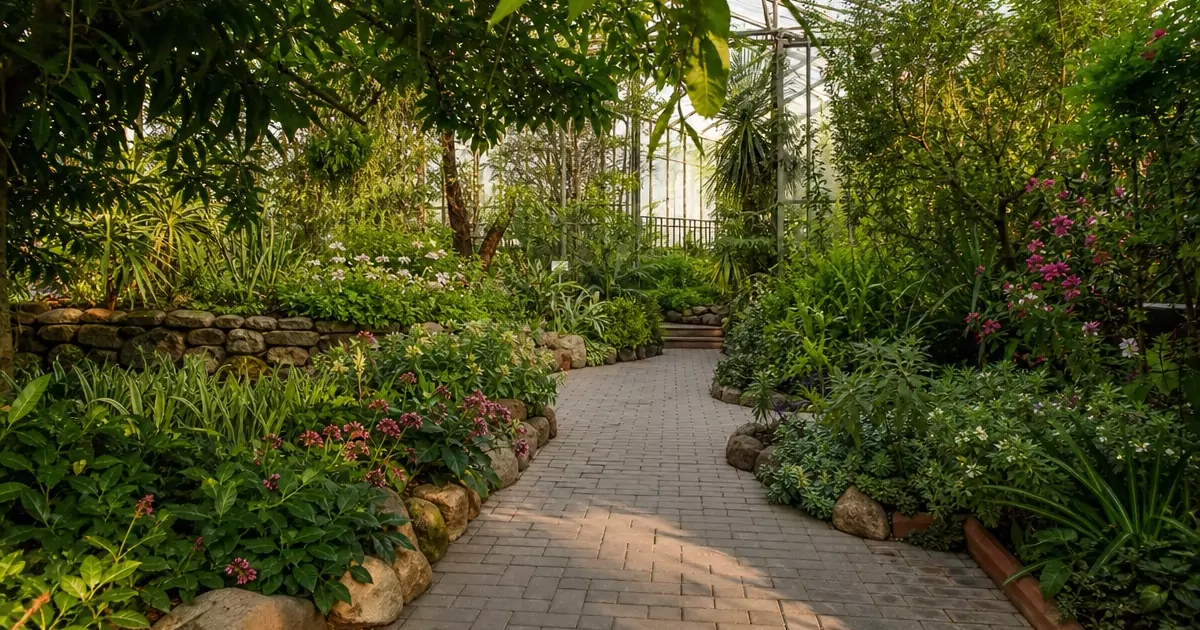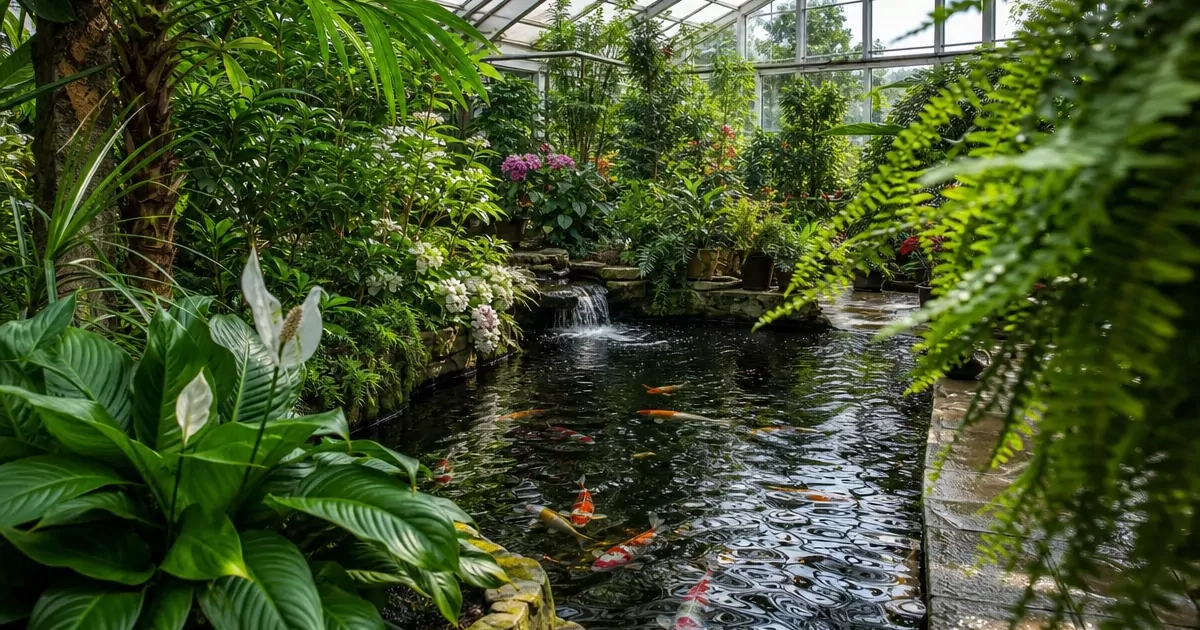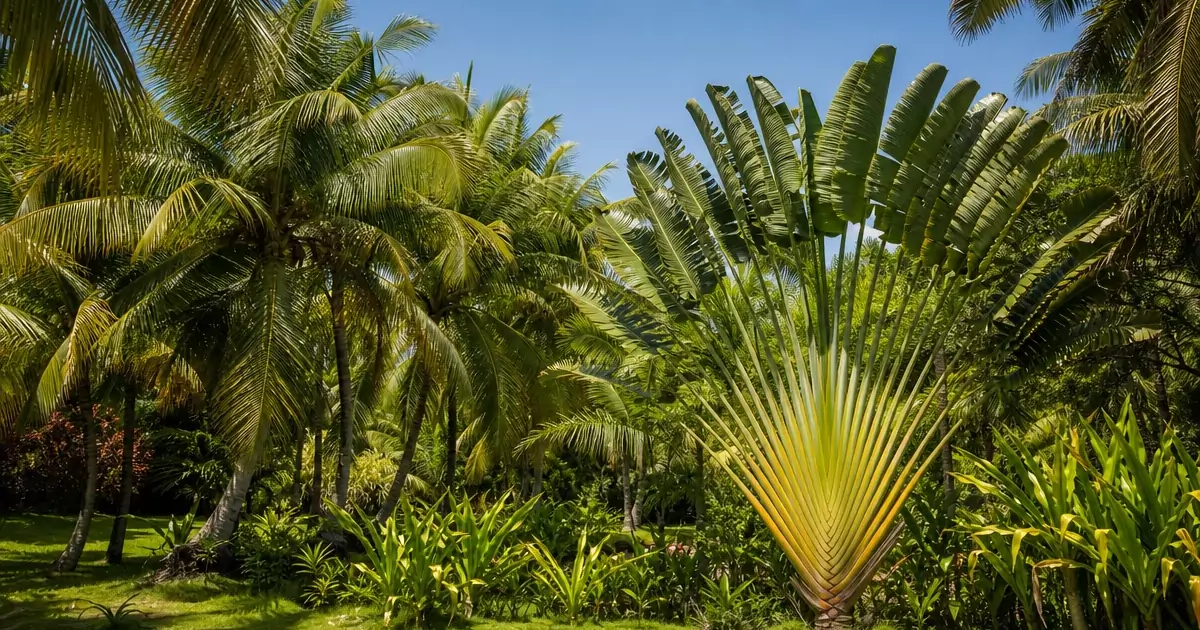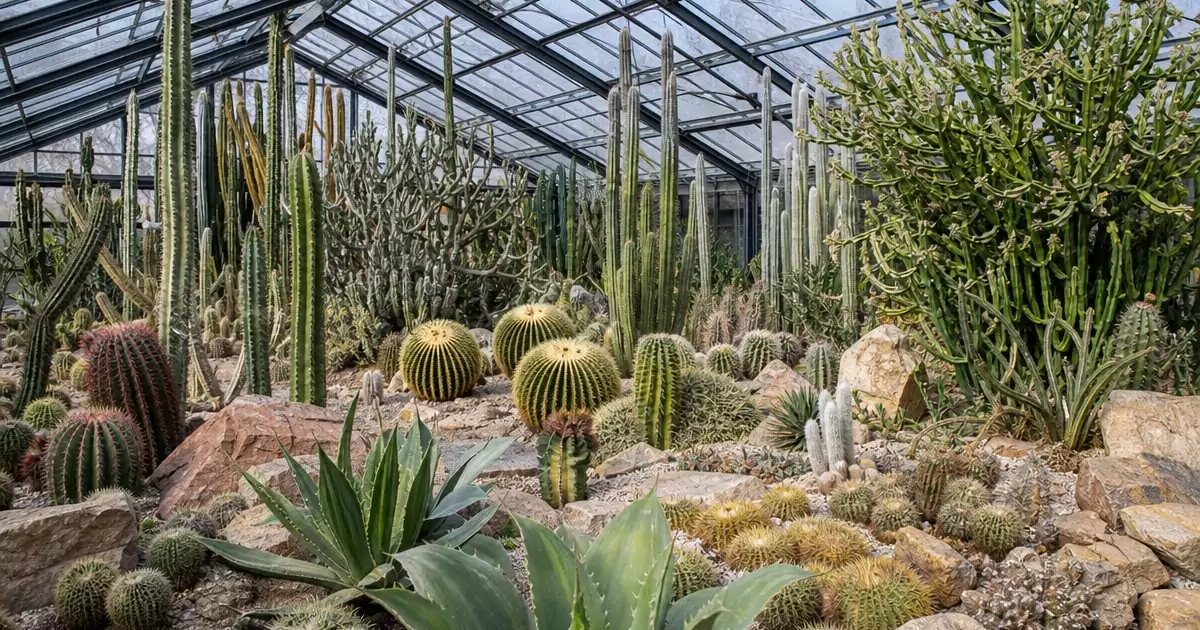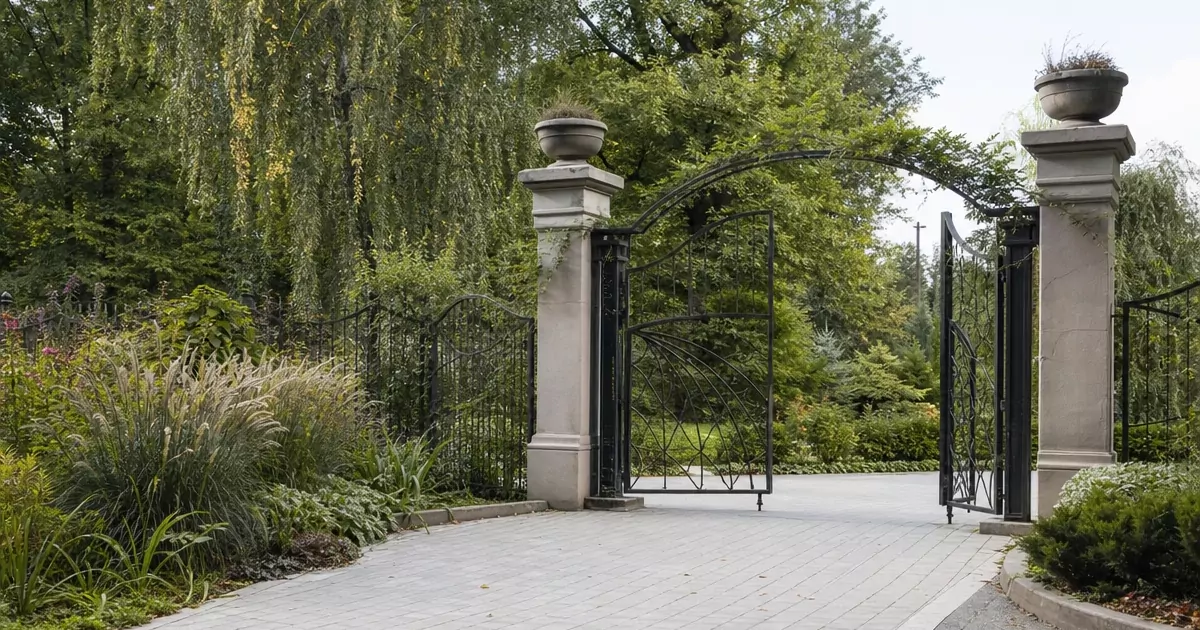
The Zaporizhzhia City Botanical Garden is a children’s botanical garden that has introduced local residents, especially schoolchildren, to the plant world since 1958. It has a winter garden, a cactus house, a lemon house, exotic plants and outdoor flower beds. Here is what the garden is, what to see and how to visit.
More on this topic: botanical gardens of Ukraine, Dnipro Botanical Garden, Kryvyi Rih Botanical Garden, houseplants.
Zaporizhzhia City Botanical Garden was founded by a city decision on 18 March 1958 — and in an unusual place: on the site of a former municipal landfill. Volunteers and schoolchildren helped clear the land and plant the first trees, and the first director and in effect the garden’s creator, Volodymyr Baliuta, led it until 1989. Some trees planted in the founding year still grow here.
Today the garden covers about 12 hectares and is officially an out-of-school education institution, the “Zaporizhzhia City Botanical Garden Children’s Park”. It is part of Ukraine’s nature reserve fund and stands at 11 Charivna St. Because of this status its main audience is children: there are clubs, class tours and learning programmes, while adults come simply to walk among rare plants.
The collection holds over 4,000 plant species and cultivars — from conifers and roses outdoors to tropical palms, ficus and succulents under glass. Some plants are listed in Ukraine’s Red Book.
The garden’s main draw is a complex of 11 glasshouses linked by corridors. Under glass are plants that would not survive a Zaporizhzhia winter:
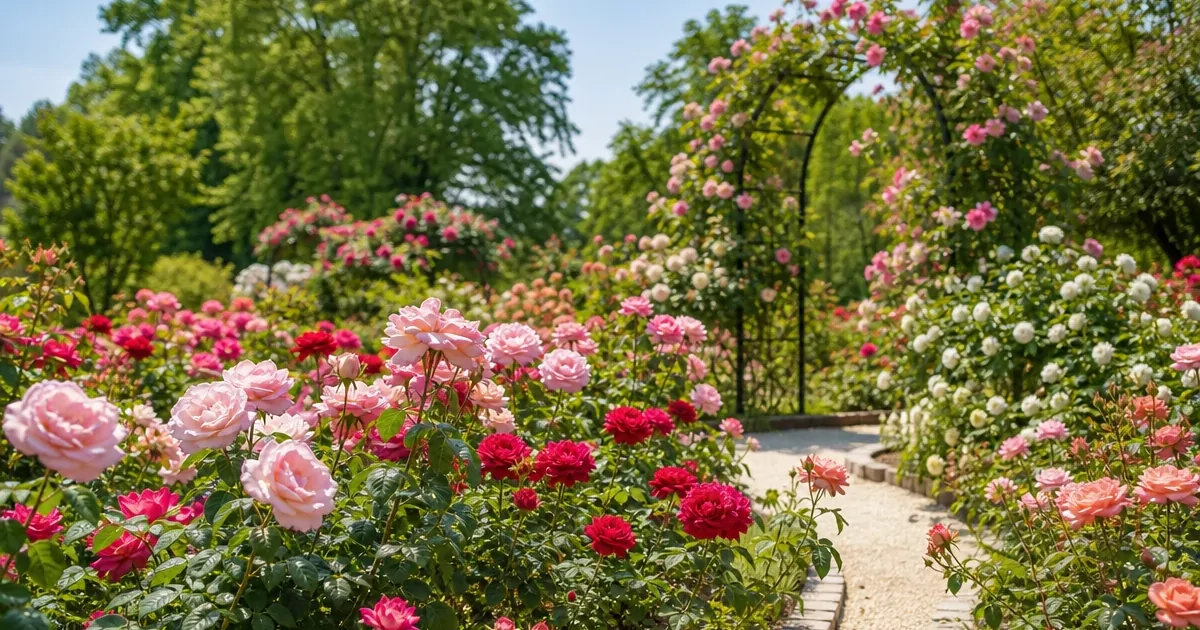
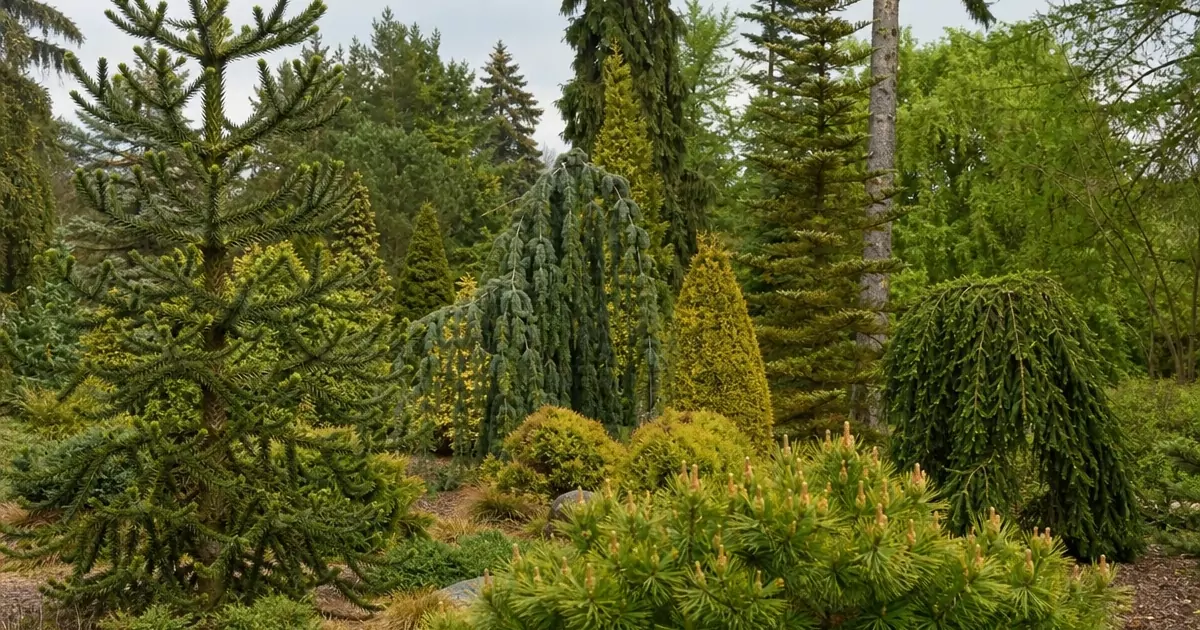
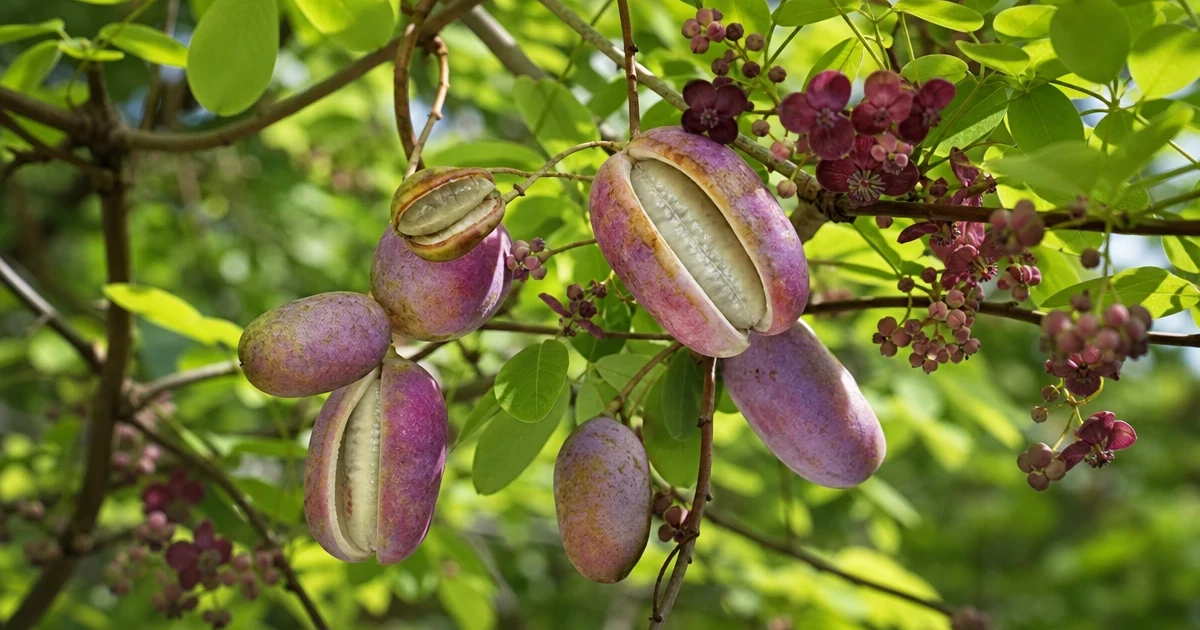
Outdoors there is an arboretum with rare conifers, a rose garden with about 130 cultivars, spring bulbs, medicinal plants and trees unusual for the steppe: pawpaw, akebia (the “chocolate vine”) and acacias. If you want some exotics at home after your visit, start with houseplants.
The address is 11 Charivna St. The nearest public transport stop is simply called “vul. Charivna”.
Routes are as of 2026; check live times in a transit app.
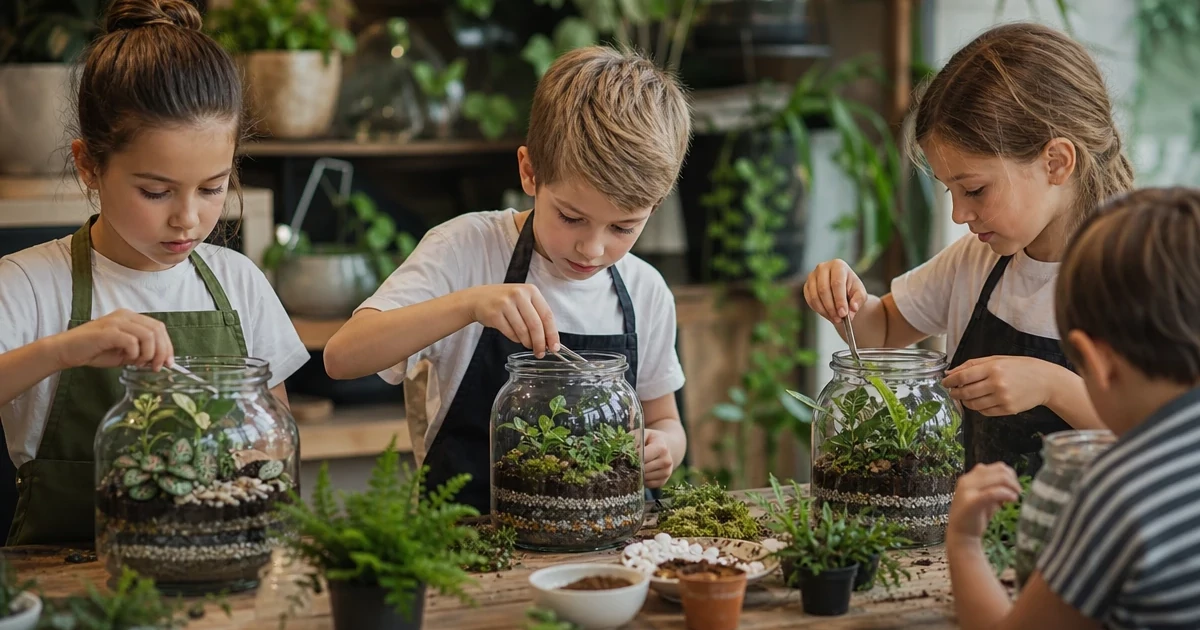
Zaporizhzhia’s garden is called a children’s garden for good reason: over 600 children study in its clubs and workshops every year. Programmes include:
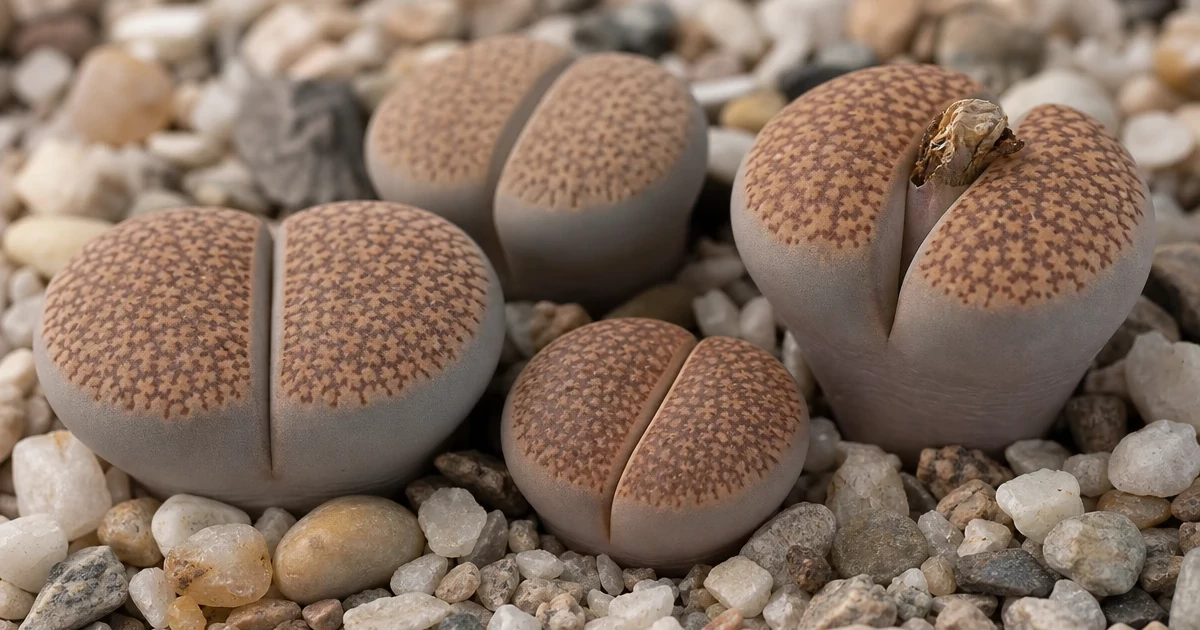
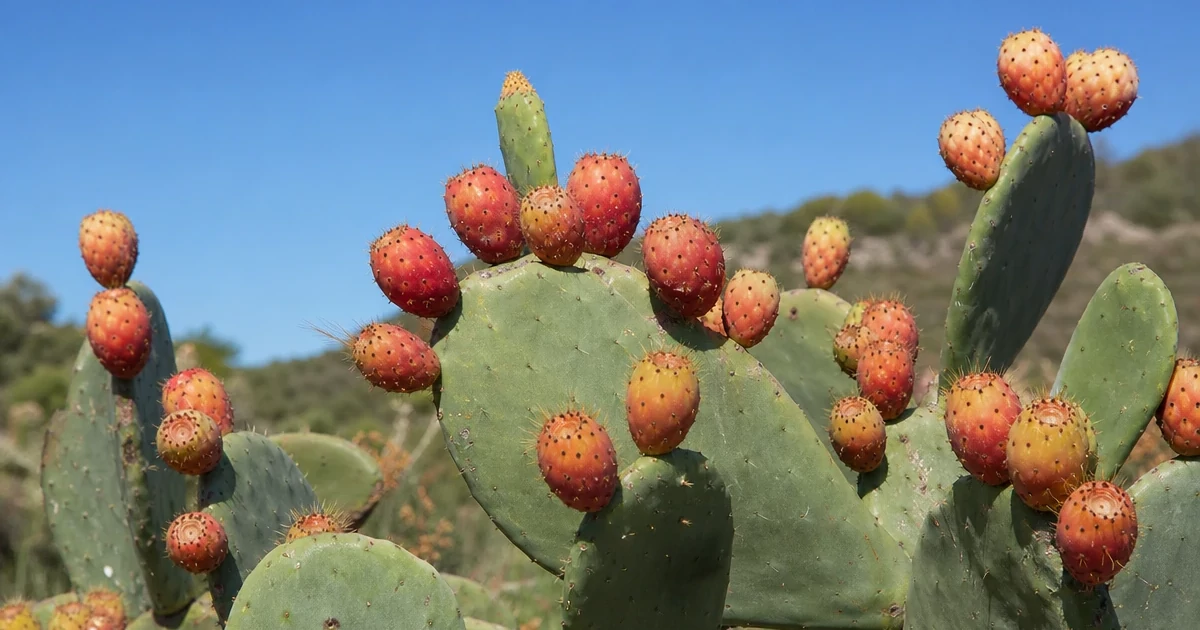
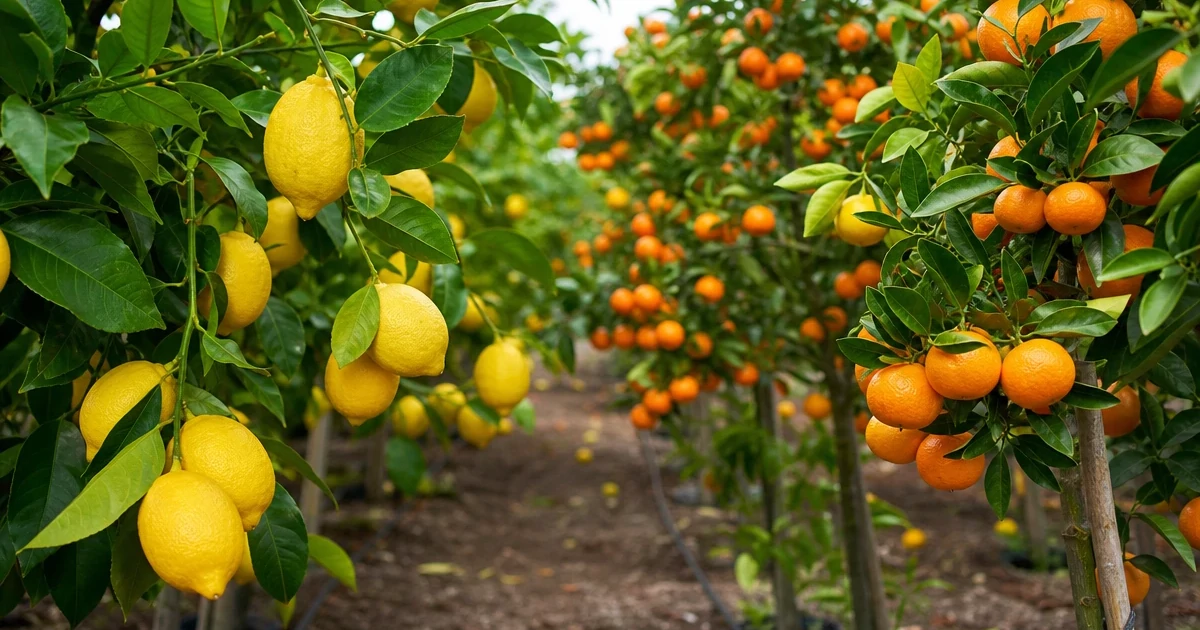
Book school groups in advance by phone. Families with toddlers appreciate that the garden is open daily, and children love the cactus house with its living stones and the lemon house, where real lemons and mandarins hang on the trees.
Address: 11 Charivna St, Zaporizhzhia. The details below are the latest published (2024); confirm them by phone before visiting, especially given the security situation in the city.
Other gardens in Ukraine are covered in botanical gardens of Ukraine.
The garden holds about 4,000 plant species in all; exact bloom dates depend on the weather.
The garden has been hit by Russian attacks several times. In summer 2025 it closed temporarily after a strike, and on the night of 24 September 2025 shelling blew out most of the greenhouse windows and seven large panes in the Winter Garden and damaged service buildings; the lemon house then needed repairs. After an expert inspection the garden reopened on 4 October 2025 and is open daily, 8:00–17:00.
Because of the security situation the schedule can change suddenly: during alerts visitors are asked to go to a shelter, and after new damage the garden sometimes closes for a few days. Check the garden’s social media before you go.
Zaporizhzhia media most often mention:
The main tip is to book tours and quests for children in advance and check the hours before you go.
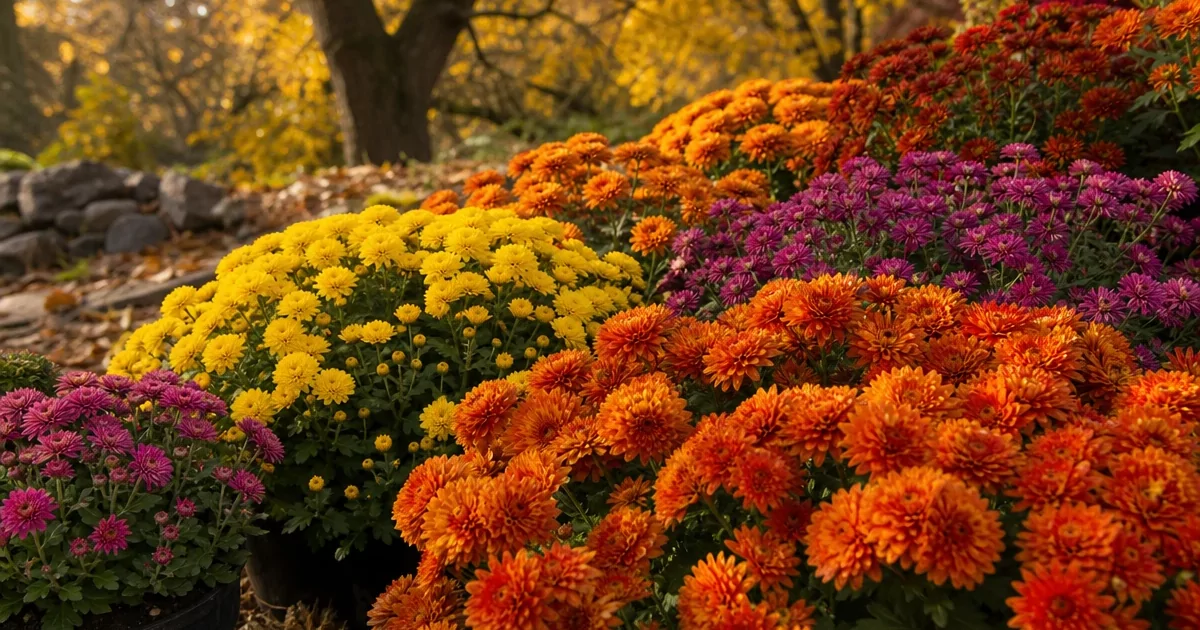
What to photograph in the garden, from the glasshouses to the flower beds:
You can support family in Zaporizhzhia with flowers too: flower delivery in Zaporizhzhia, bouquets, boxed arrangements and orchids.

See roses and flowers in a box.

11 Charivna Street.
In 1958.
A winter garden, cactus house, lemon house, exotic plants and flower beds.
Daily: 8:00–17:00 in the warm season, 8:00–15:30 in winter. After shelling the garden sometimes closes temporarily — check its pages.
According to the latest published data (2024), 50 UAH for adults and 30 UAH for children; tours from 80 UAH per person.
+380 61 707 01 81, +380 61 270 87 67, +380 91 351 51 44.

Author: Maria Svitlovir
Graduated from Taras Shevchenko National University of Kyiv, Institute of Biology and Medicine (2001). BSc in Biology, MSc in Horticulture. Writes about plants, works at a garden centre selecting and repotting plants, and contributes to plant reference guides.
© Kyiv 2026 UFL Flower Shop

Trademark UFL №191476 is used under license of the rights holder.
All rights reserved. Any use of materials without a link to the site is prohibited.


 Birthday
 Hydrangeas