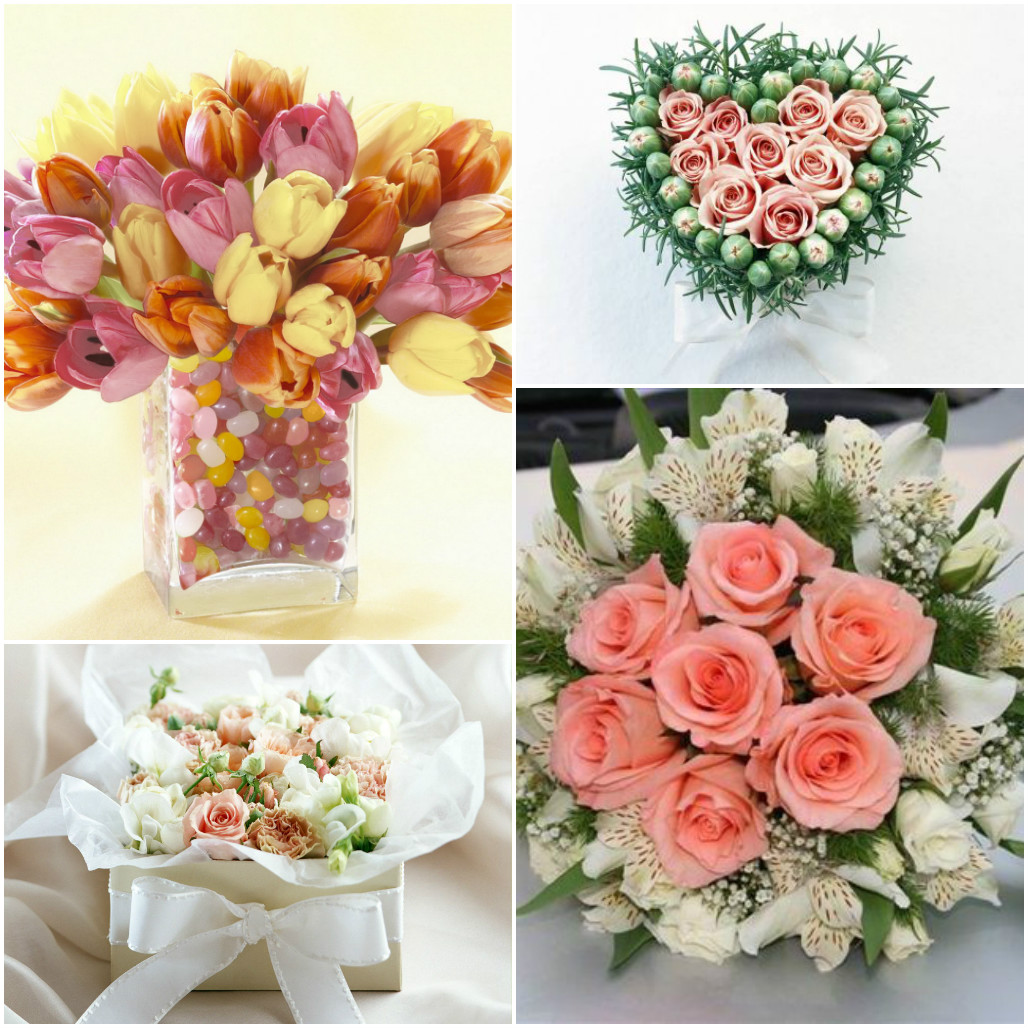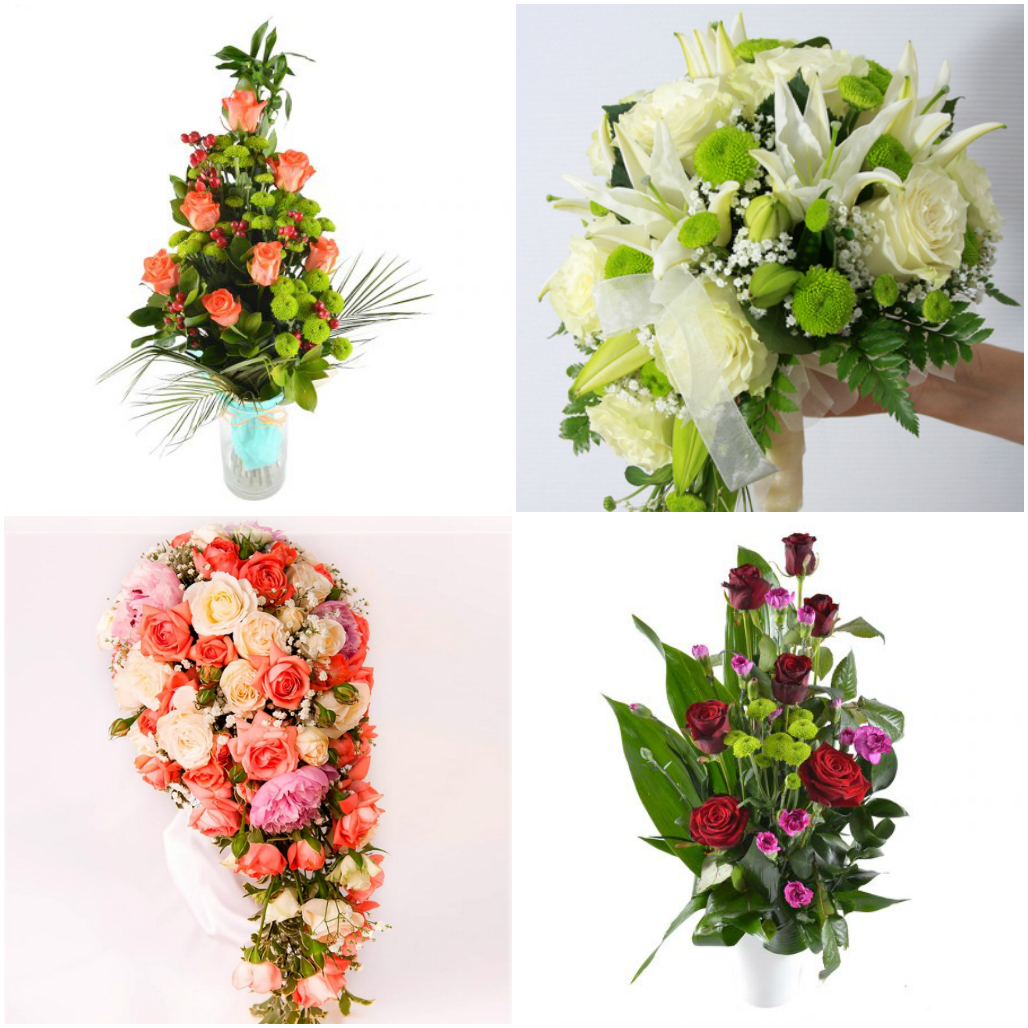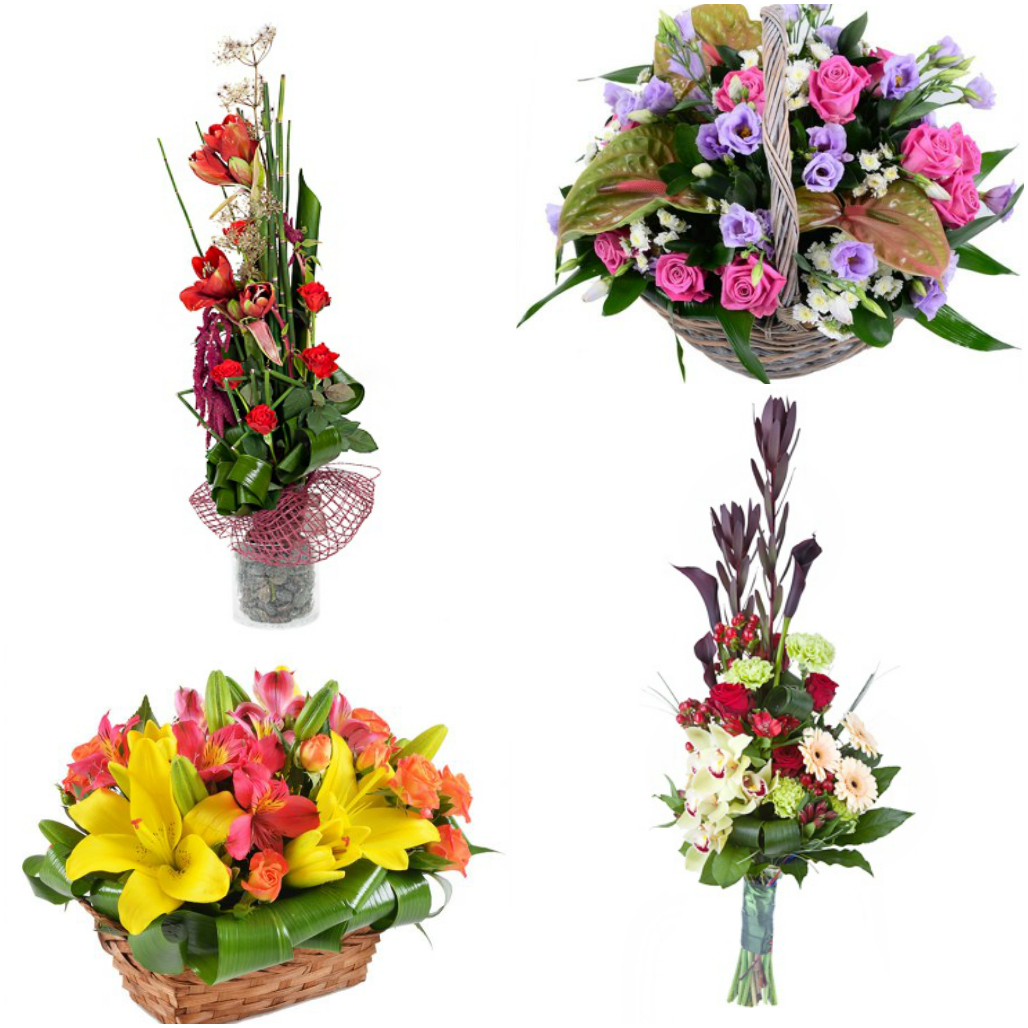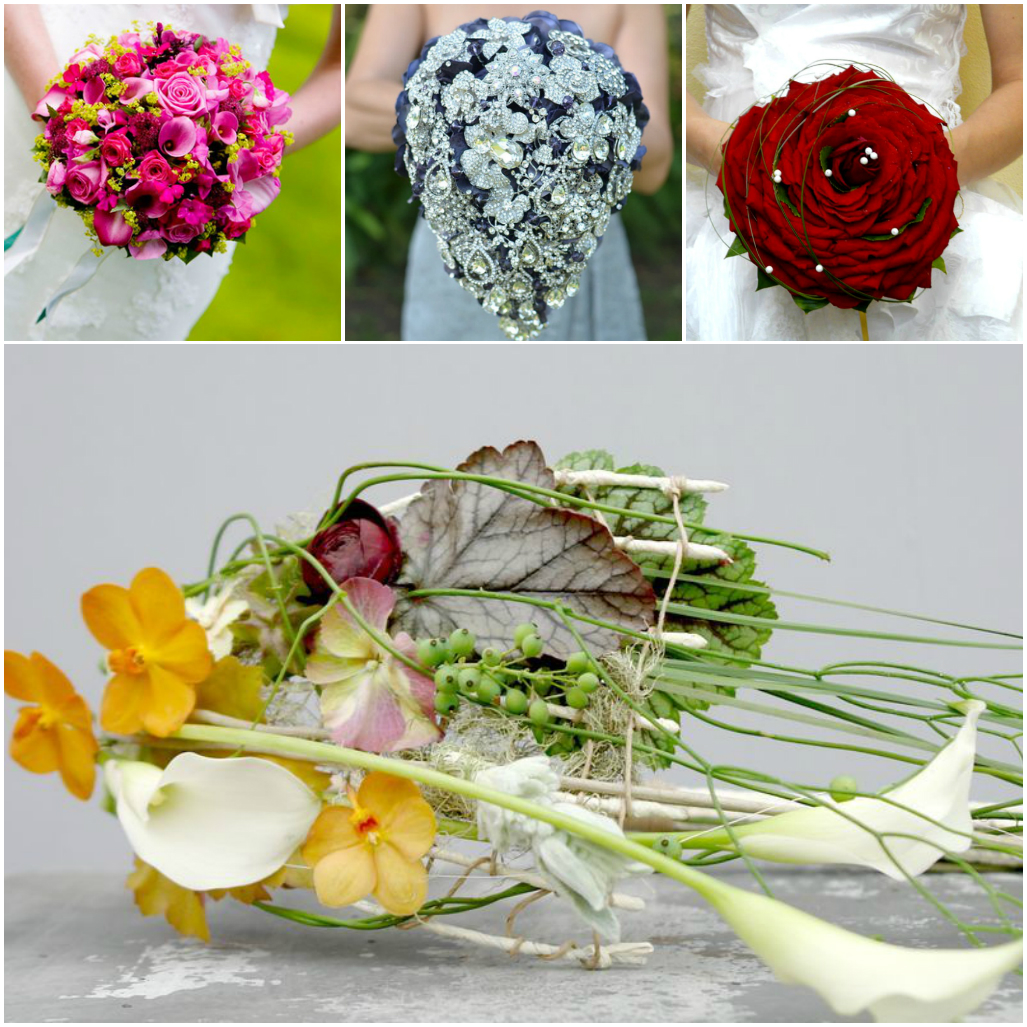
The shape of a bouquet shapes the impression as much as the choice of flowers: a round bouquet looks classic, a cascade looks ceremonial and an armful looks relaxed. Here are the main bouquet shapes, the occasions they suit and how to choose one for the recipient, the occasion and even the vase.
Ready-made bouquets in different shapes are available among our large rose bouquets and flower boxes.
Formal people suit clean shapes — a round or single-variety bouquet; creative people, asymmetry and mixed textures; romantics, lush round bouquets of garden roses and lisianthus; nature lovers, a loose armful with greenery and grasses.
A round bouquet needs a vase whose neck holds the stems centrally; an armful, a tall cylinder or jug; cascade and one-sided bouquets are best left in floral foam. How to choose a vase: see our flower vases guide.
Wrapping should support the shape: a round bouquet looks neat in a paper cone, an armful in kraft or simply tied with ribbon, a single-variety bouquet in thick matte film. For ideas, see how to wrap a bouquet.
Round: it suits almost any occasion and sits well in a vase.
In a cascade, flowers and greenery trail down like a waterfall; a round bouquet forms a compact dome.
A bouquet of one type of flower, for example only roses or only tulips.

Author: Maria Svitlovir
Graduated from Taras Shevchenko National University of Kyiv, Institute of Biology and Medicine (2001). BSc in Biology, MSc in Horticulture. Writes about plants, works at a garden centre selecting and repotting plants, and contributes to plant reference guides.
© Kyiv 2026 UFL Flower Shop

Trademark UFL №191476 is used under license of the rights holder.
All rights reserved. Any use of materials without a link to the site is prohibited.

 Birthday
 Hydrangeas