
 Birthday
 Hydrangeas
Brazil has one of the richest floras on Earth: thousands of orchid species, the giant Victoria amazonica water lily and vivid heliconias. No wonder flowers appear in almost every Brazilian celebration, from New Year's offerings to the goddess of the sea to flower carpets in the streets of colonial towns. Here are the main traditions and tips on giving flowers to Brazilians.
Brazil's floral symbols
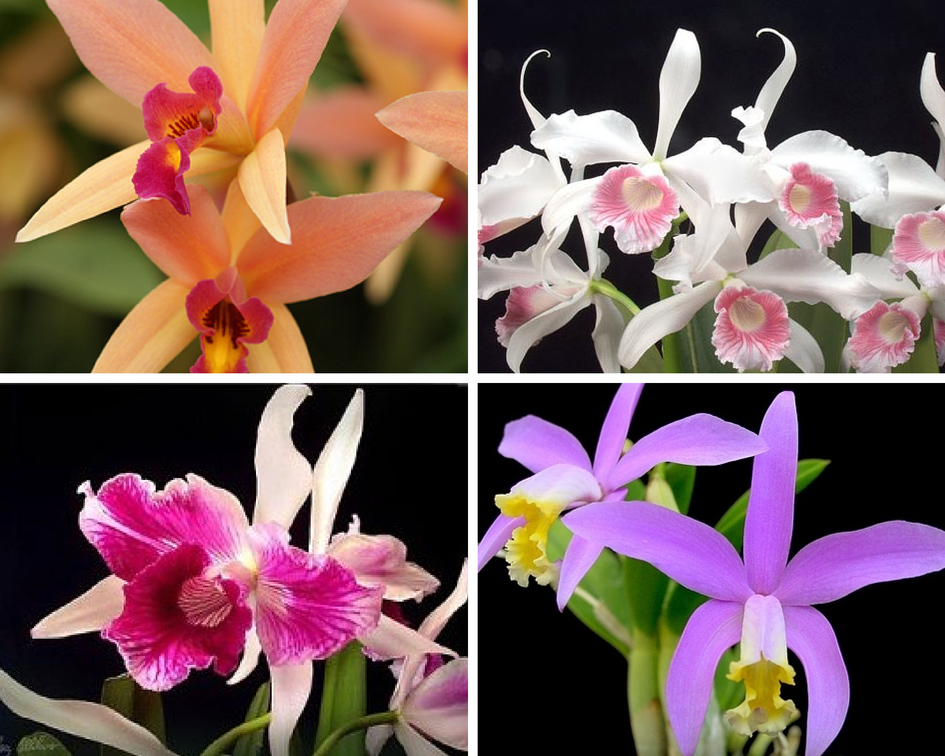
Brazil's national flower is the yellow ipê, a tree that covers itself in golden blossom at the end of the dry season, before its leaves appear. It was designated a national symbol in 1961, together with the pau-brasil tree that gave the country its name. The Cattleya orchid is often cited as an unofficial emblem too. See our guide to national flowers of the world.
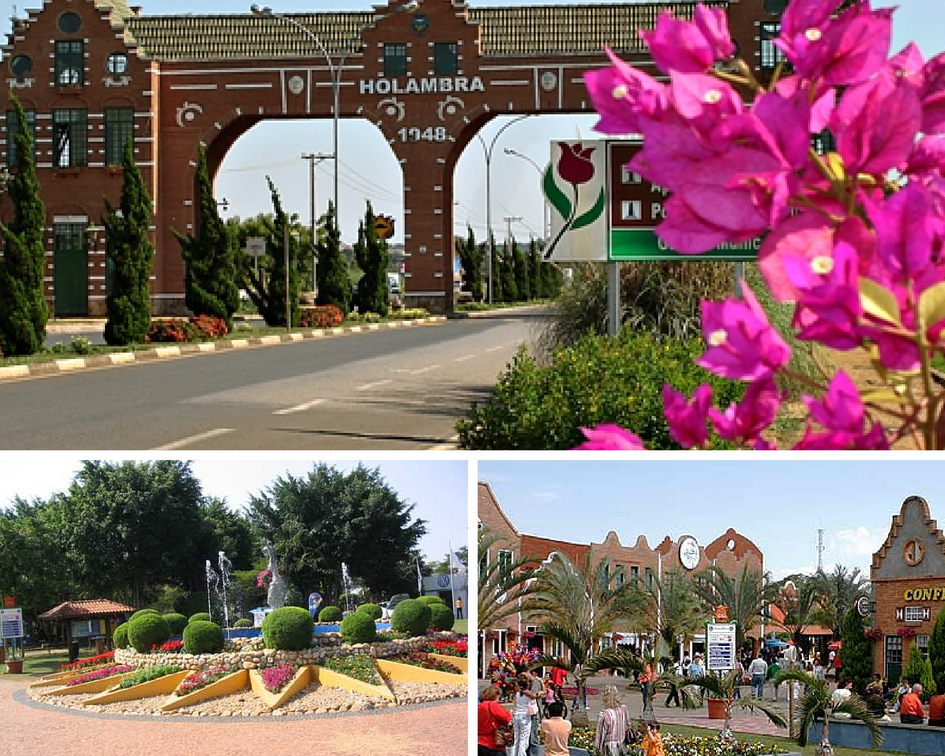
Holambra, the "city of flowers"
The small town of Holambra in São Paulo state was founded in 1948 by Dutch settlers. Today it is the centre of Brazilian floriculture, supplying a large share of the country's cut flowers and potted plants. Every August–September it hosts Expoflora, the largest flower and ornamental plant show in Latin America, complete with a "rain of petals", Dutch dances and windmills. For the Dutch roots of these traditions, see Dutch flower traditions.
Flowers for the goddess of the sea
On New Year's Eve millions of Brazilians dressed in white head to the beaches. Following the Afro-Brazilian traditions of Candomblé and Umbanda, they throw white flowers — roses, gladioli, lilies — into the waves and jump over seven waves, making wishes. The offerings are for Iemanjá, goddess of the sea. On 2 February Salvador holds her great festival, when baskets of flowers and gifts are carried to the sea.
Flower carpets for Corpus Christi
For Corpus Christi (late May or June), residents of many towns — such as Ouro Preto in Minas Gerais or Santana de Parnaíba near São Paulo — spend the night laying street carpets of coloured wood shavings, flowers and petals. In the morning a procession walks over them. Similar carpets are made in Spain — see Spanish flower traditions.
Celebrations and gifts
- Dia dos Namorados — Brazil's Valentine's Day falls on 12 June, the eve of Saint Anthony's Day, the patron of marriage. Roses are the classic gift.
- Mother's Day — the second Sunday in May, one of the busiest flower days of the year.
- Finados (2 November) — All Souls' Day, when families bring flowers and candles to cemeteries.
- Carnival — samba school floats are decorated with flowers, feathers and sequins, and flower crowns and hair clips are common in costumes.
Etiquette tips
- Purple and black flowers or wrapping are best avoided: in Brazil these colours are associated with mourning.
- Bringing flowers for your host is a nice gesture; sending a bouquet in advance, or the next day as a thank-you, is even more gracious.
- There are no rules about the number of flowers.
FAQ
What is Brazil's national flower?
The yellow ipê; unofficially, the Cattleya orchid.
When is Expoflora held?
Every August–September in Holambra, São Paulo state. Exact dates are announced by the organisers.
Can I give chrysanthemums to Brazilians?
Yes, but avoid purple shades and funeral-style arrangements. For more customs see our articles on the USA and Australia.

View full-size photo
Author: Maria Svitlovir
Graduated from Taras Shevchenko National University of Kyiv, Institute of Biology and Medicine (2001). BSc in Biology, MSc in Horticulture. Writes about plants, works at a garden centre selecting and repotting plants, and contributes to plant reference guides.


