
 Birthday
 Hydrangeas
Spain is a country where flowers left the vase for the street long ago. Here people stage "battles of flowers", cover cobbled streets with carpets of petals, turn courtyards into floral competitions and build a giant figure of the Virgin Mary out of tens of thousands of bouquets. Here are Spain's main flower festivals and symbols, which flowers Spaniards give, and when to travel to see it all for yourself.
The carnation, Spain's unofficial symbol
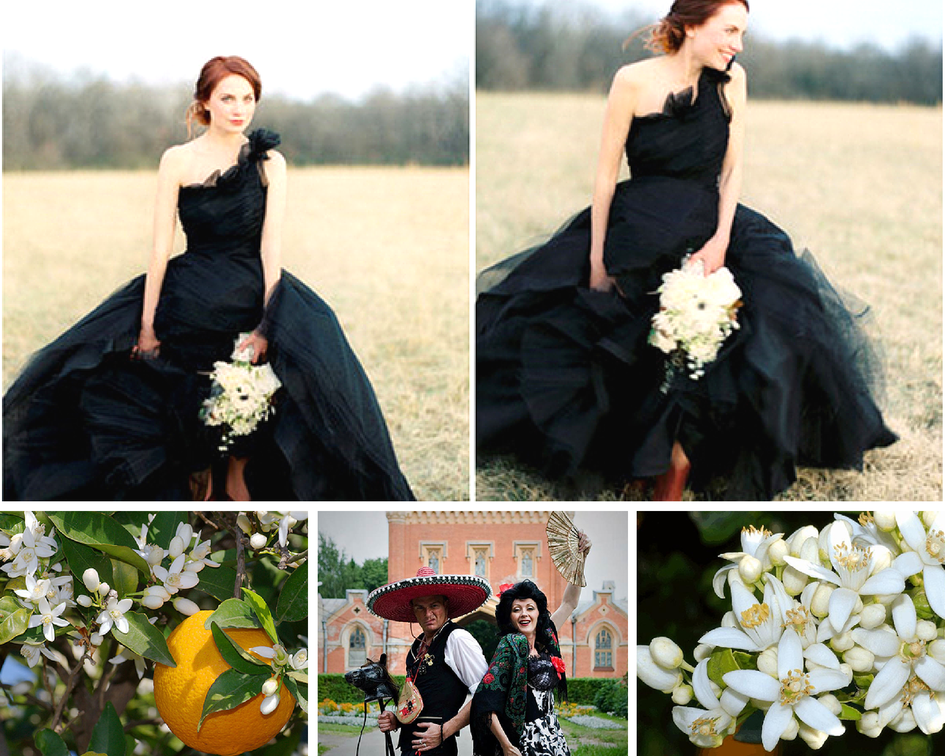
Ask which flower people associate with Spain and most will say the red carnation. The country has no official national flower, but the carnation has long been its unofficial symbol: flamenco dancers wear it in their hair, it is pinned to costumes at Andalusian fairs, thrown into the arena and given at festivals. Carnations are grown on an industrial scale in Andalusia and Valencia. Read about the meanings of this flower in our article on carnation history and meaning.
Spain's second "signature" flower is azahar, orange blossom. In spring, when the orange trees bloom, the air in Seville and Valencia fills with a sweet scent. Sprigs of azahar were traditionally added to bridal bouquets and wreaths as a symbol of purity and fertility.
Fallas and the flower offering in Valencia
The Fallas festival takes place in Valencia from 15 to 19 March and is on UNESCO's list of Intangible Cultural Heritage. Its most moving moment is the Ofrenda, the flower offering to Our Lady of the Forsaken. On 17 and 18 March tens of thousands of participants in traditional dress carry bouquets of carnations to the Plaza de la Virgen.
Right in front of the crowds, florists use these flowers to build a huge wooden figure of the Virgin: bouquets are slotted into the frame of her mantle, and carnations of different shades form a pattern. The figure is about 15 metres tall, and the mantle design changes every year.
Battle of Flowers in Valencia
Every year on the last Sunday of July, Valencia ends its July Fair with the Battle of Flowers (Batalla de Flores). The tradition dates back to the late 19th century: floats decorated with thousands of flowers parade along the boulevard, while spectators and participants throw small bunches at each other. Inexpensive flowers grown specially for the "battle", mostly marigolds, are used.
Courtyards Festival in Córdoba
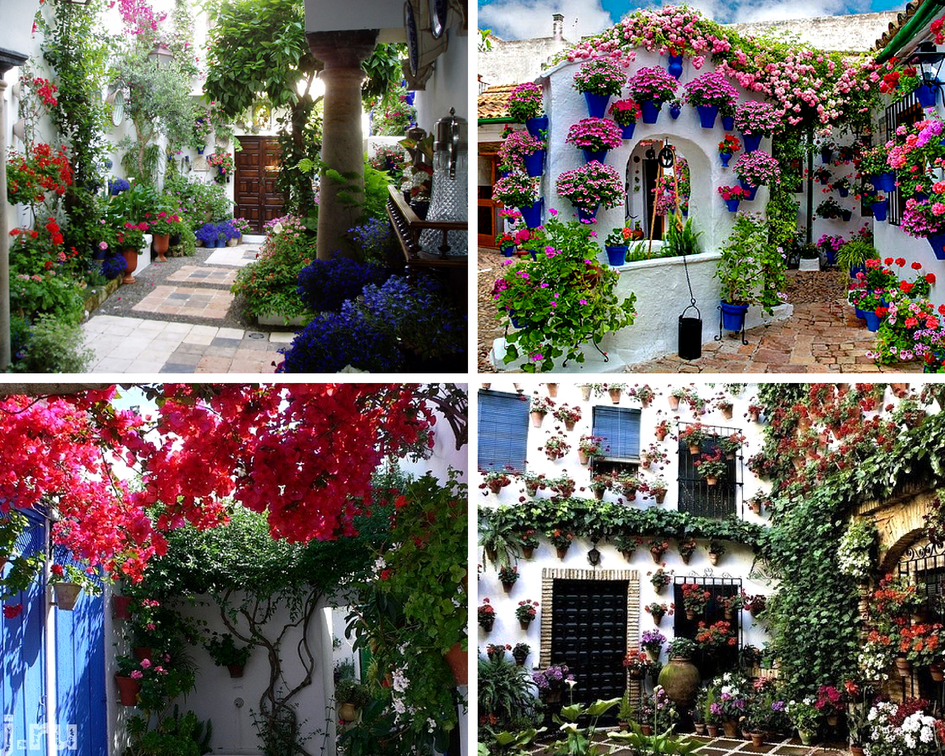
In the first two weeks of May, Córdoba holds the Courtyards Festival (Fiesta de los Patios). Residents open their inner courtyards to visitors, their walls hung with hundreds of pots of geraniums, petunias, carnations and bougainvillea, and compete for the title of best patio. Since 2012 the festival has been on UNESCO's Intangible Heritage list. At the same time the city holds a fair, a flower-cross competition and its own Battle of Flowers.
Sant Jordi: roses and books
On 23 April Catalonia celebrates Saint George's Day (Sant Jordi), the region's patron saint. Legend says a rose grew from the blood of the dragon George defeated. On this day Barcelona's streets fill with stalls of roses and books: traditionally men gave women a rose and women gave men a book. Today everyone exchanges both, and the day is often called the Catalan Valentine's Day. It coincides with World Book Day.
Temps de Flors in Girona
In May, Girona's old town becomes an open-air flower show for a week or so. The Temps de Flors festival has been held since the 1950s: courtyards, staircases, churches and bridges are decorated with installations of flowers and plants, many of them open to the public only during these days. Entry to most sites is free.
Flower carpets for Corpus Christi
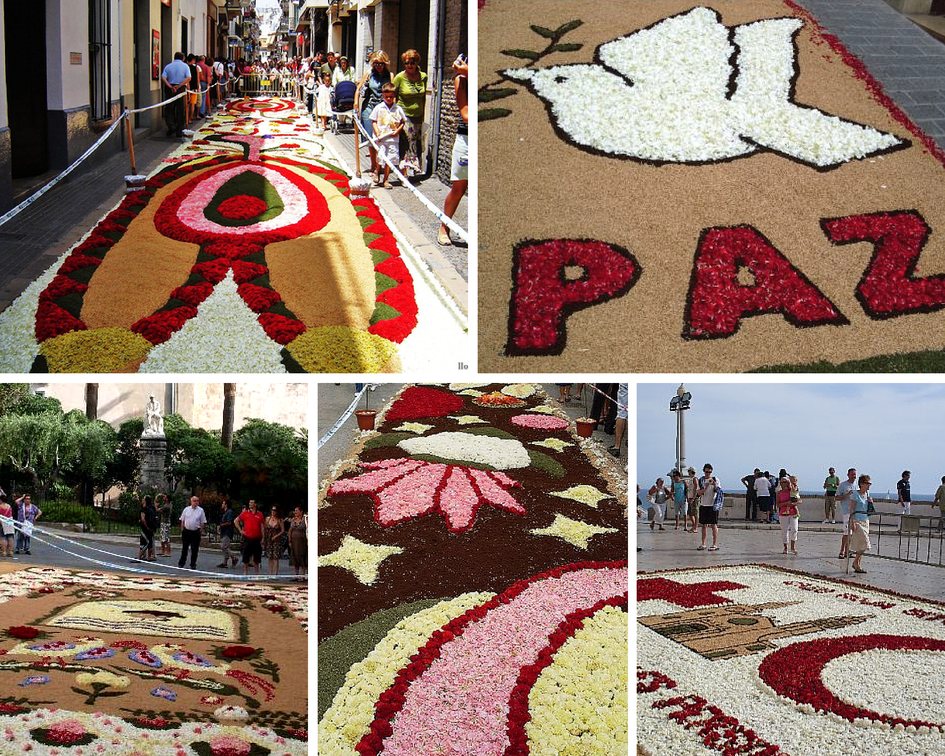
In June, for the feast of Corpus Christi, streets in many Spanish towns are covered with carpets of petals. The carpets of Sitges in Catalonia and La Orotava in Tenerife are especially famous — in La Orotava the main square becomes a huge picture made of coloured volcanic sand. Artists work through the night, and in the morning the procession walks over the carpets.
Almond and cherry blossom
From late January to late February almond trees bloom in Mallorca and Andalusia, turning the hillsides white and pink long before our spring. From late March to mid-April more than a million cherry trees blossom in the Jerte Valley in Extremadura, and the region celebrates its cherry blossom festival.
Which flowers people give in Spain
- Roses — for Sant Jordi, anniversaries and dates; red ones declare love.
- Carnations — for folk festivals and in honour of the Virgin Mary; the most "Spanish" flower.
- Chrysanthemums — flowers of remembrance: on 1 November, All Saints' Day, they are taken to cemeteries. So bringing chrysanthemums as a host gift is not customary.
- Seasonal bouquets — daisies, tulips, sunflowers — suit almost any occasion; a host bouquet is usually small and neat.
It is interesting to compare Spanish customs with other countries, for example Dutch flower traditions or Japanese flower traditions.
When to go for the flowers
The richest flower season is spring: March in Valencia, April in Catalonia and Extremadura, May in Córdoba and Girona. Festival dates change from year to year, so check official city websites before booking a trip.
Frequently asked questions
What is Spain's national flower?
There is no official one, but the red carnation is considered the unofficial symbol.
When is the Battle of Flowers in Valencia?
On the last Sunday of July, at the end of the July Fair.
What do people give on Sant Jordi?
Roses and books. The day is celebrated on 23 April in Catalonia.
Can you give chrysanthemums in Spain?
Better not as a host gift: chrysanthemums are linked to All Saints' Day and remembrance of the dead.

View full-size photo
Author: Maria Svitlovir
Graduated from Taras Shevchenko National University of Kyiv, Institute of Biology and Medicine (2001). BSc in Biology, MSc in Horticulture. Writes about plants, works at a garden centre selecting and repotting plants, and contributes to plant reference guides.


