
 Birthday
 Hydrangeas
Many of the roses, tulips and chrysanthemums sold in Ukrainian flower shops pass through the Netherlands. It is home to the world's largest system of flower auctions, where a "clock" sets the price and lots sell in seconds. Here is how the Dutch flower auction works, why it's called a "reverse" auction and how flowers get from there into your bouquet.
Flowers that make this journey include our imported roses and Kenyan roses.
What a Dutch auction is
It is a descending-price auction: bidding starts high and the price falls until a buyer stops it. The first to press the button wins the lot. The format was developed at Dutch produce and flower auctions and gave its name to a whole type of sale.
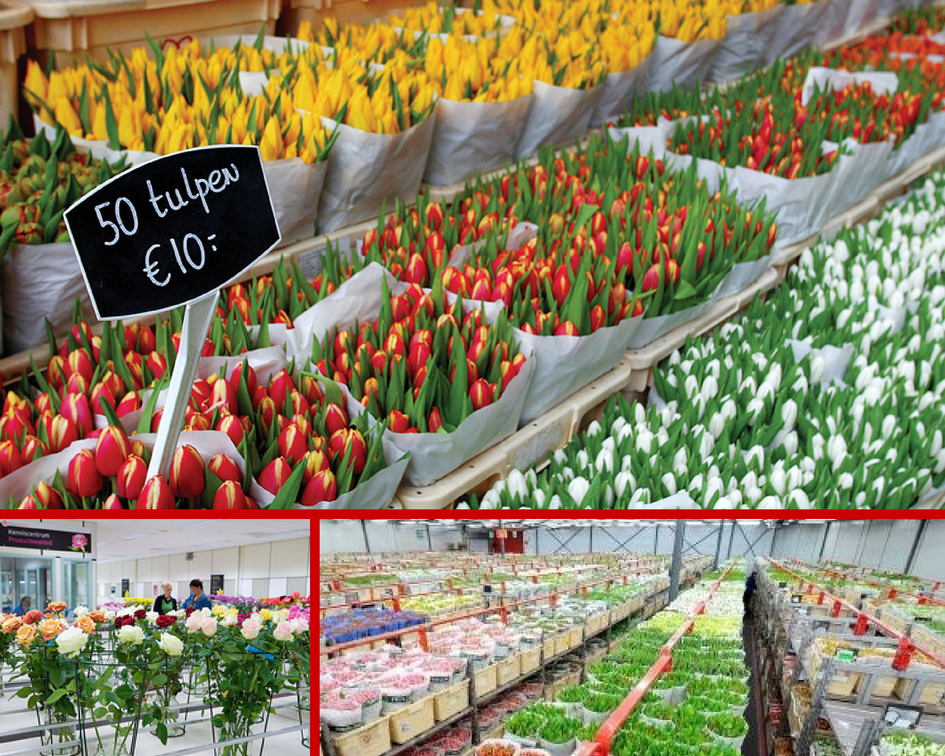
Aalsmeer, capital of the flower trade
Flower auctions have operated in Aalsmeer since the early 20th century. Local auctions gradually merged, and today the largest operator is the growers' cooperative Royal FloraHolland, with sites in Aalsmeer, Naaldwijk, Rijnsburg and elsewhere.
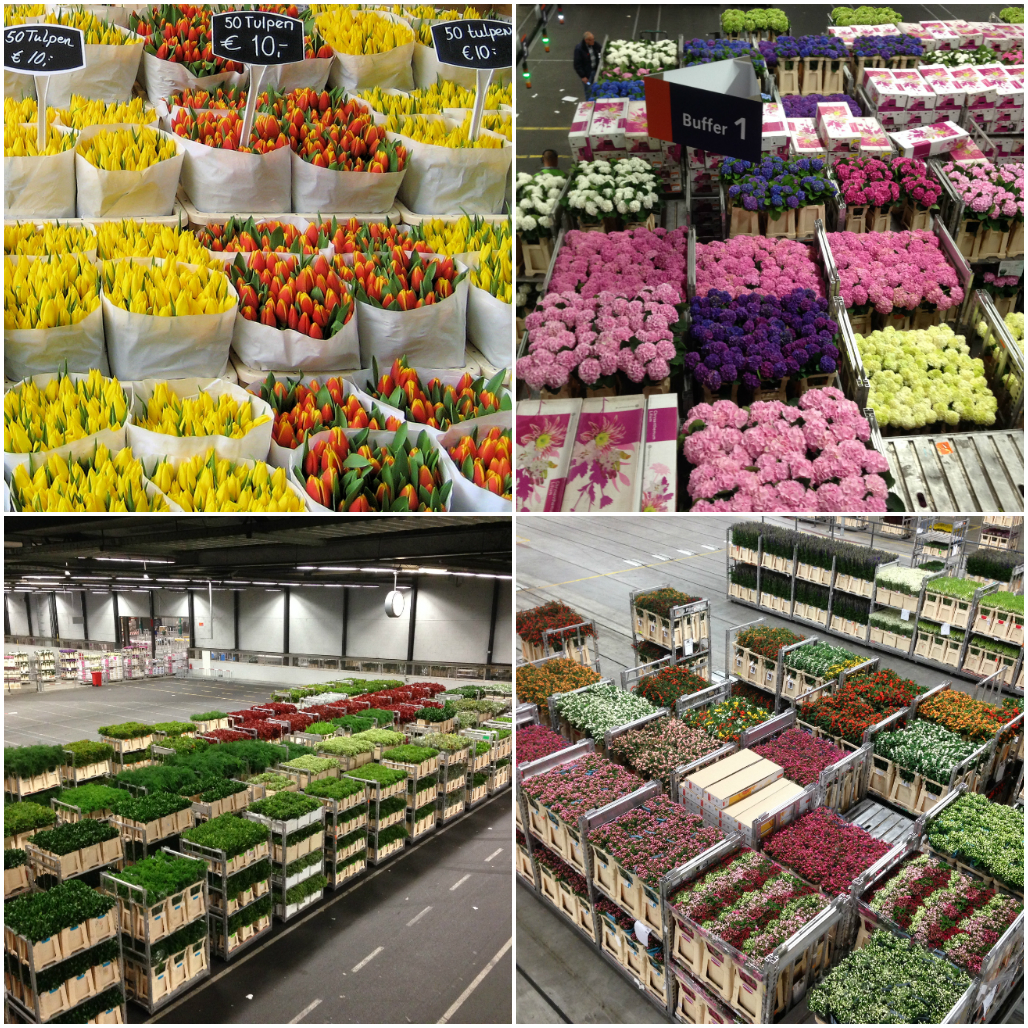
- The Aalsmeer building is one of the largest in the world by footprint — more than half a million square metres under one roof.
- Volume — billions of flowers and plants pass through the system every year.
- An international market — flowers arrive not only from the Netherlands but also from Kenya, Ethiopia, Ecuador and Colombia, and are shipped on across Europe, including to Ukraine.
.jpg)
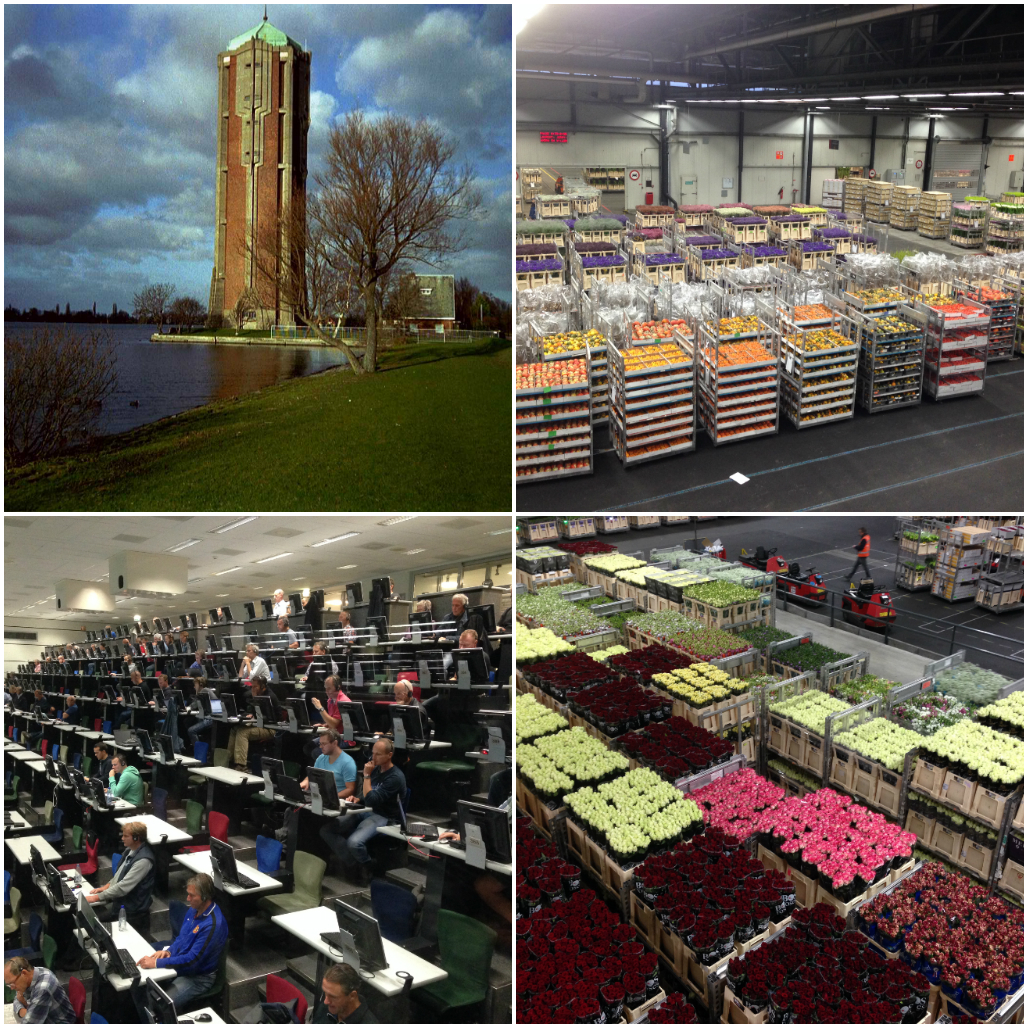
How the bidding works
- At night and early morning growers deliver their flowers, and inspectors check stem length, bud opening and damage.
- Bidding starts in the morning. Buyers — wholesalers and exporters — sit in the auction halls or, more often today, join remotely online.
- The clock shows the lot and the current price, which falls until someone presses the button. Wait too long and a competitor takes the lot.
- Dispatch. Purchased flowers leave the same day for buyers' warehouses and onward by truck and plane.
More and more deals are now made directly between growers and buyers on digital platforms, but the clock remains the symbol of the flower trade.
What it means for bouquet buyers
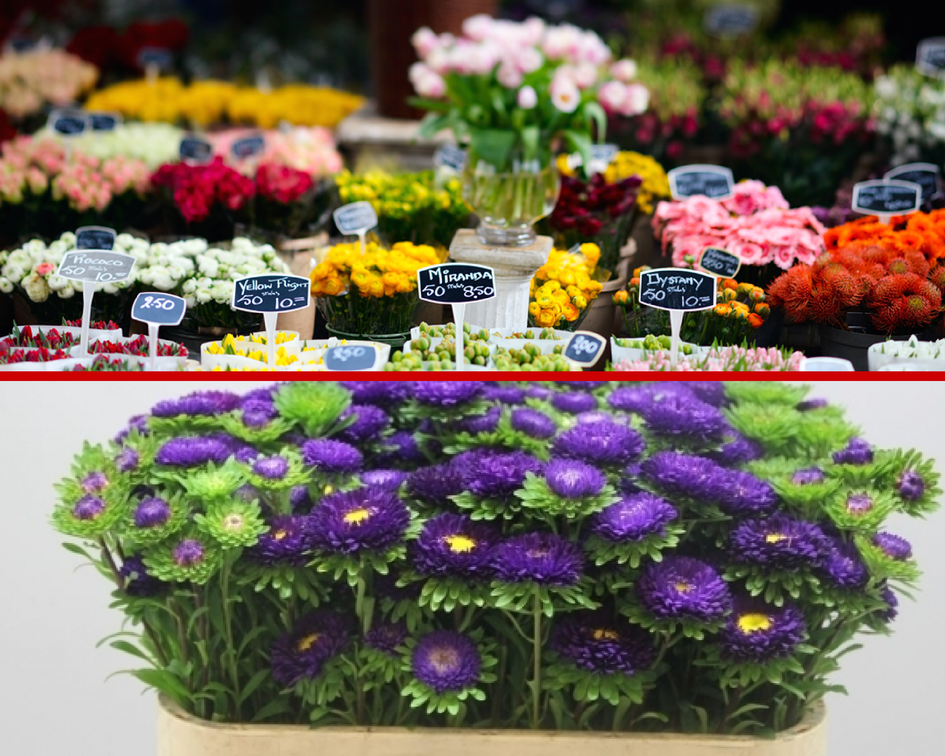
- Speed. From auction to shop usually takes 1–3 days, so the flowers arrive fresh.
- Quality standards. Auction grading helps separate first-class stems from second-class.
- Seasonality. Tulips in winter and out-of-season peonies are available thanks to supplies from around the world.
For the country's flower customs, see Dutch flower traditions.
Can you visit the auction?
Yes. Aalsmeer has a visitor route with galleries overlooking the clock hall and the trolleys of flowers moving below. Come early on a weekday morning when trading is in full swing; Royal FloraHolland publishes the current schedule.
.jpg)


FAQ
Why is it called a Dutch auction?
Because the descending-price format took shape at Dutch auctions.
How many flowers are sold at auction?
Billions of flowers and plants a year, with tens of thousands of transactions every day.

View full-size photo
Author: Maria Svitlovir
Graduated from Taras Shevchenko National University of Kyiv, Institute of Biology and Medicine (2001). BSc in Biology, MSc in Horticulture. Writes about plants, works at a garden centre selecting and repotting plants, and contributes to plant reference guides.


