
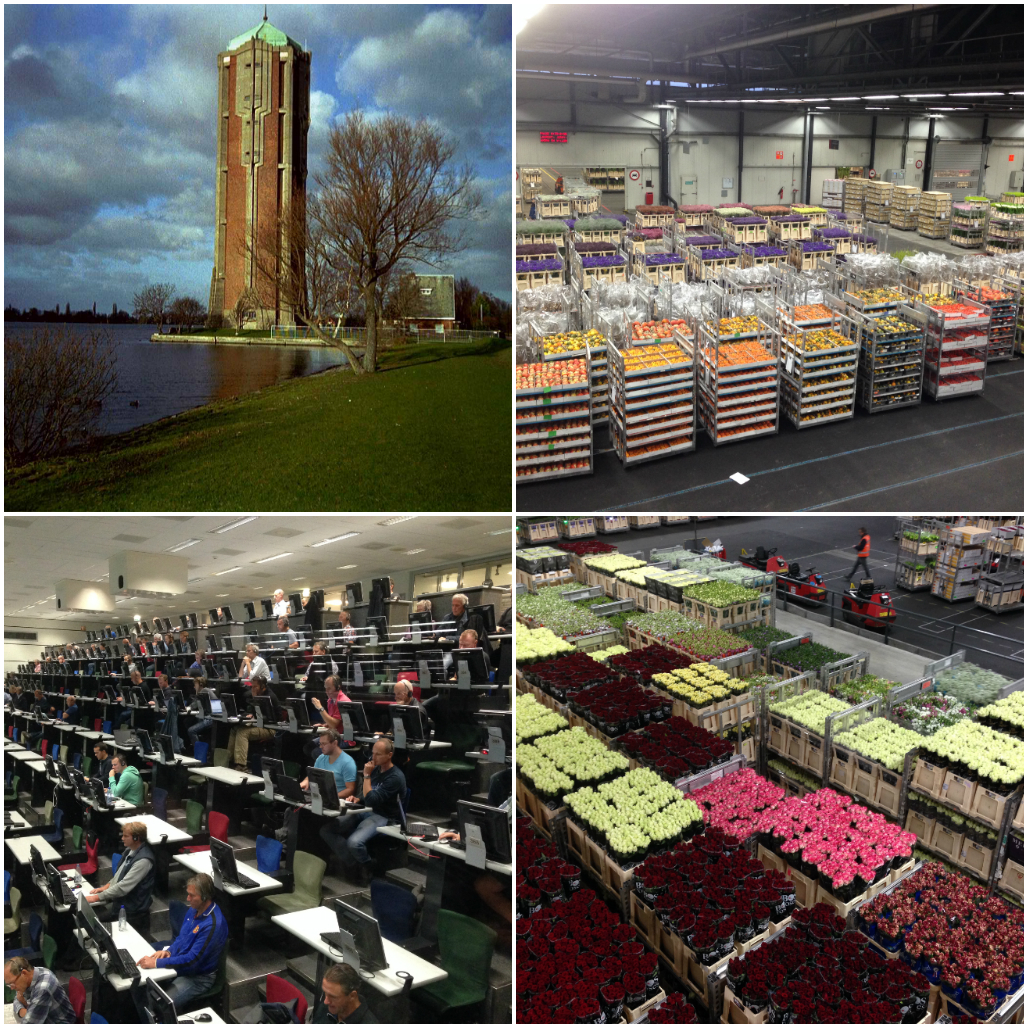
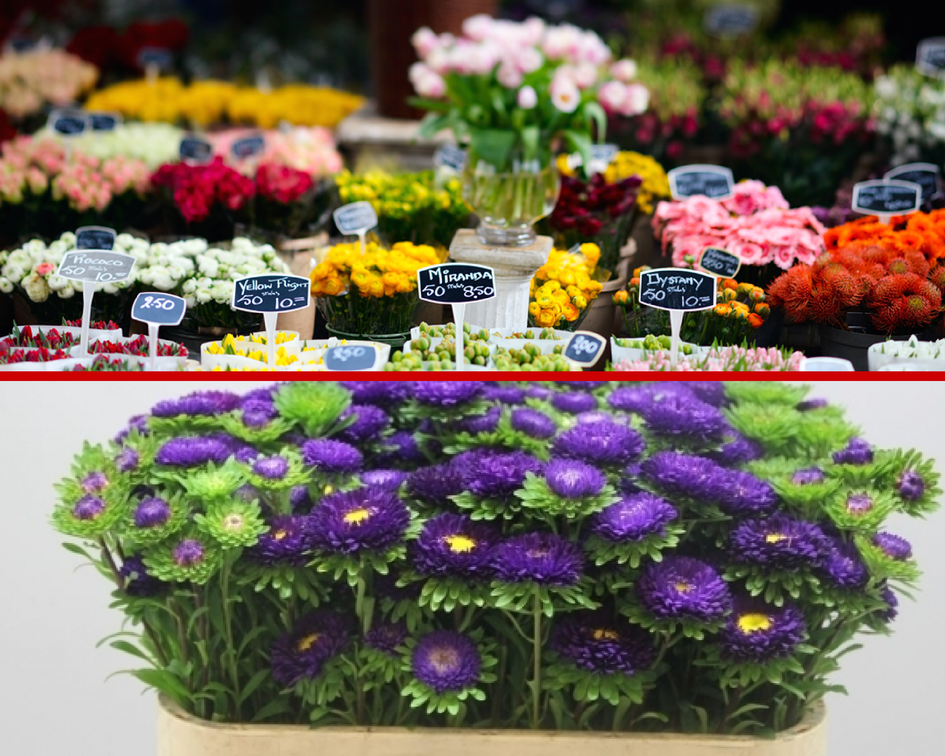
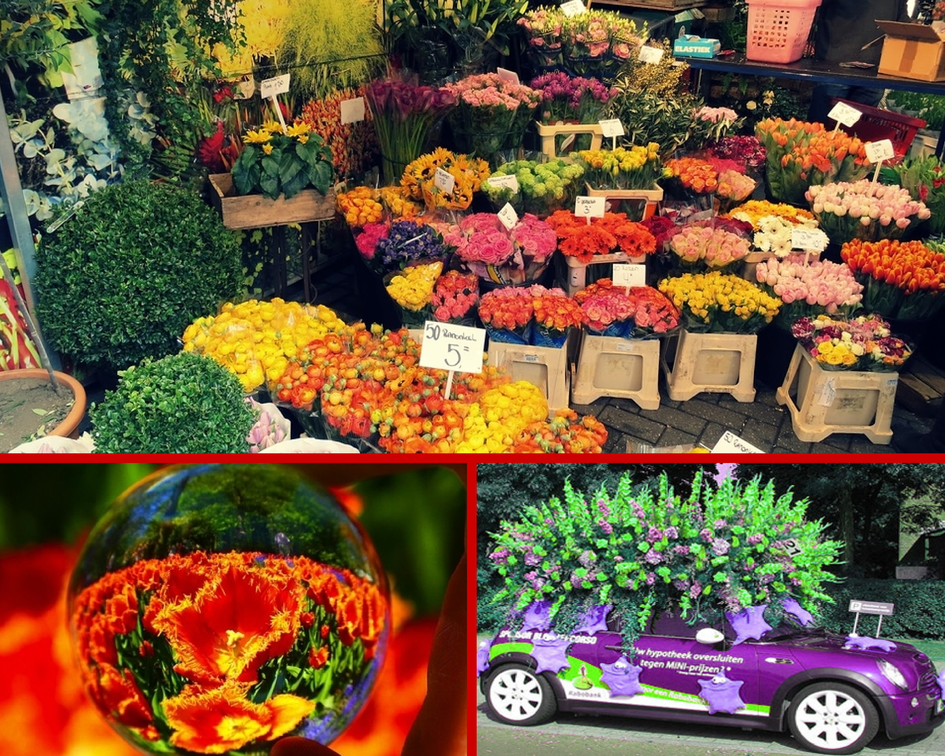
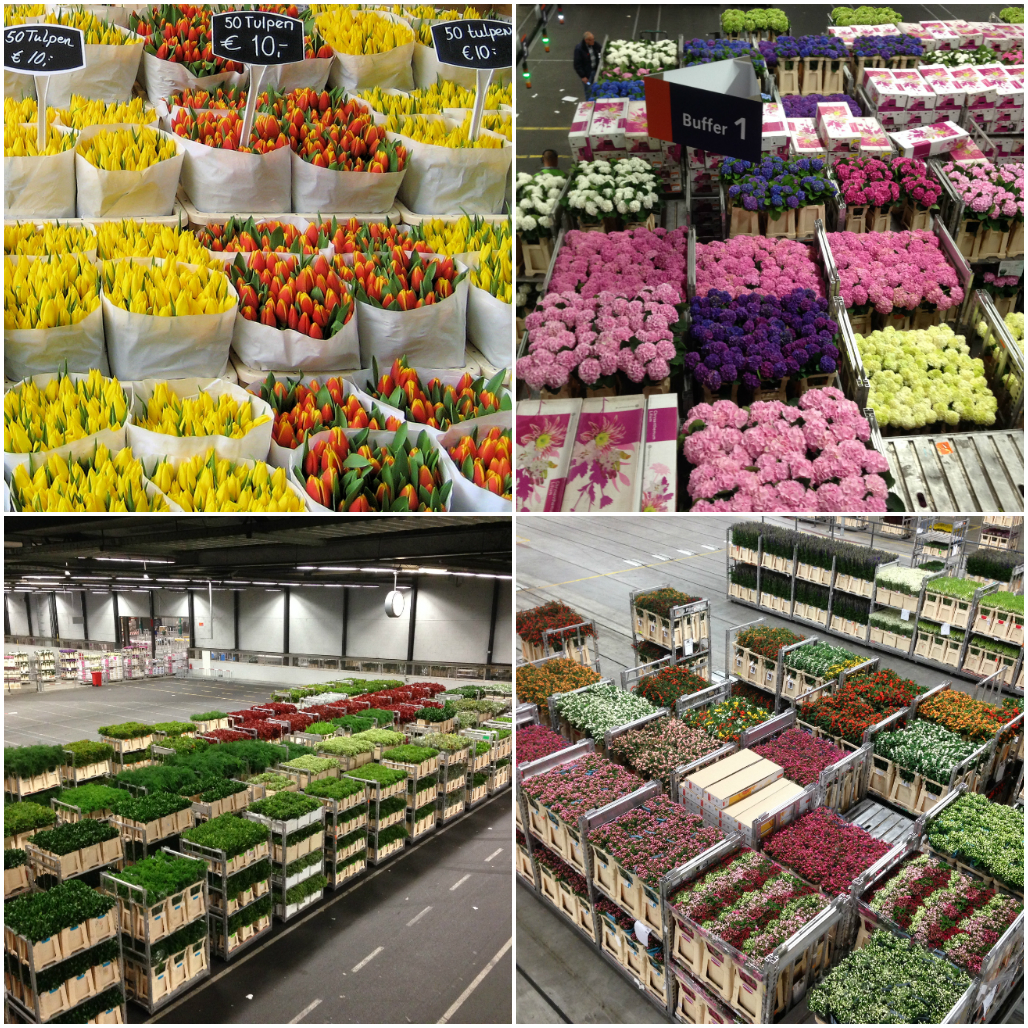
Many of the roses, tulips and chrysanthemums sold in Ukrainian flower shops pass through the Netherlands. It is home to the world's largest system of flower auctions, where a "clock" sets the price and lots sell in seconds. Here is how the Dutch flower auction works, why it's called a "reverse" auction and how flowers get from there into your bouquet.
Flowers that make this journey include our imported roses and Kenyan roses.
It is a descending-price auction: bidding starts high and the price falls until a buyer stops it. The first to press the button wins the lot. The format was developed at Dutch produce and flower auctions and gave its name to a whole type of sale.
Flower auctions have operated in Aalsmeer since the early 20th century. Local auctions gradually merged, and today the largest operator is the growers' cooperative Royal FloraHolland, with sites in Aalsmeer, Naaldwijk, Rijnsburg and elsewhere.
More and more deals are now made directly between growers and buyers on digital platforms, but the clock remains the symbol of the flower trade.
For the country's flower customs, see Dutch flower traditions.
Yes. Aalsmeer has a visitor route with galleries overlooking the clock hall and the trolleys of flowers moving below. Come early on a weekday morning when trading is in full swing; Royal FloraHolland publishes the current schedule.
Because the descending-price format took shape at Dutch auctions.
Billions of flowers and plants a year, with tens of thousands of transactions every day.

Author: Maria Svitlovir
Graduated from Taras Shevchenko National University of Kyiv, Institute of Biology and Medicine (2001). BSc in Biology, MSc in Horticulture. Writes about plants, works at a garden centre selecting and repotting plants, and contributes to plant reference guides.
© Kyiv 2026 UFL Flower Shop

Trademark UFL №191476 is used under license of the rights holder.
All rights reserved. Any use of materials without a link to the site is prohibited.

 Birthday
 Hydrangeas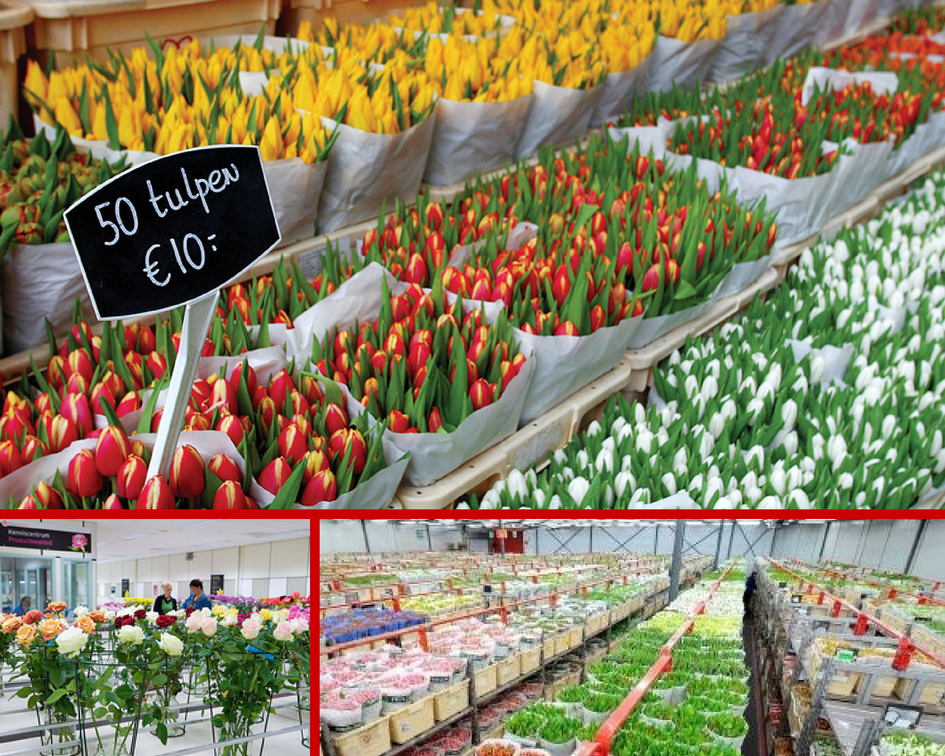
.jpg)
.jpg)

