
 Birthday
 Hydrangeas
Ficus is one of the most popular houseplants: it is easy-going, long-lived and suits almost any interior. The genus includes trees, shrubs and climbers with large or small, plain or variegated leaves. Here are the species that do best indoors and how to care for them.
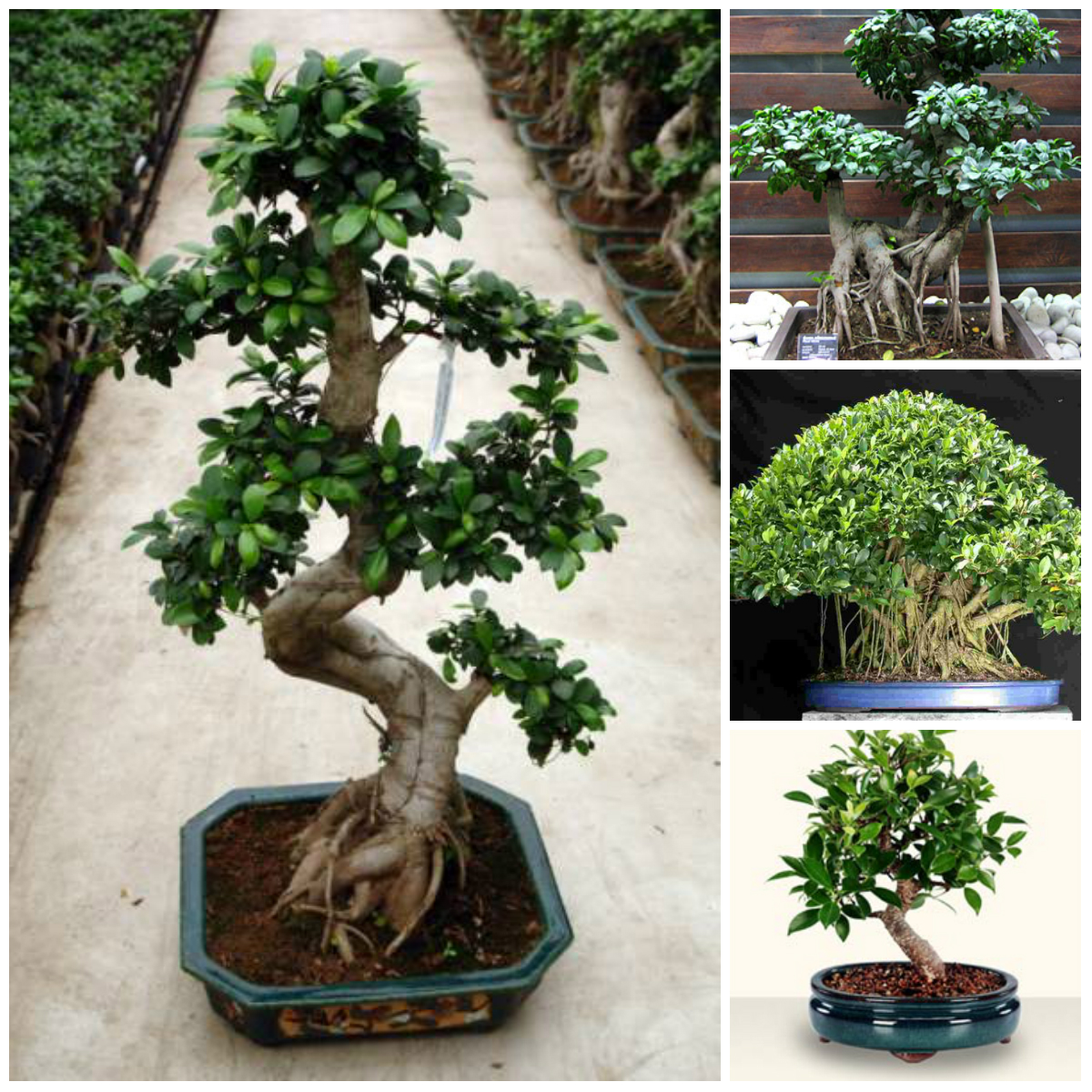
About the plant
The genus Ficus belongs to the mulberry family, Moraceae, and has around 850 species, mostly tropical evergreens — the edible fig among them. Ficus plants are remarkable: the Indian banyan (Ficus benghalensis) can grow a whole “grove” of aerial roots from a single tree, and in the Indian state of Meghalaya the roots of rubber figs are trained over decades into living bridges across rivers. The sacred fig, or bodhi tree, is revered in Buddhism and Hinduism as the tree under which the Buddha attained enlightenment.
Popular species for the home
- Weeping fig (Ficus benjamina) — a graceful small tree with little leaves, sometimes variegated. The most sensitive: it drops leaves when moved or in a draught.
- Rubber plant (F. elastica) — big glossy leaves; tolerates part shade and infrequent watering.
- Fiddle-leaf fig (F. lyrata) — a fashionable species with large violin-shaped leaves that needs bright light.
- Ficus microcarpa — often sold as “ginseng ficus” with swollen roots; ideal for bonsai.
- Creeping fig (F. pumila) — a small-leaved climber for hanging pots and living walls.
- F. benghalensis ‘Audrey’ and F. binnendijkii ‘Alii’ — striking large plants for bright rooms.
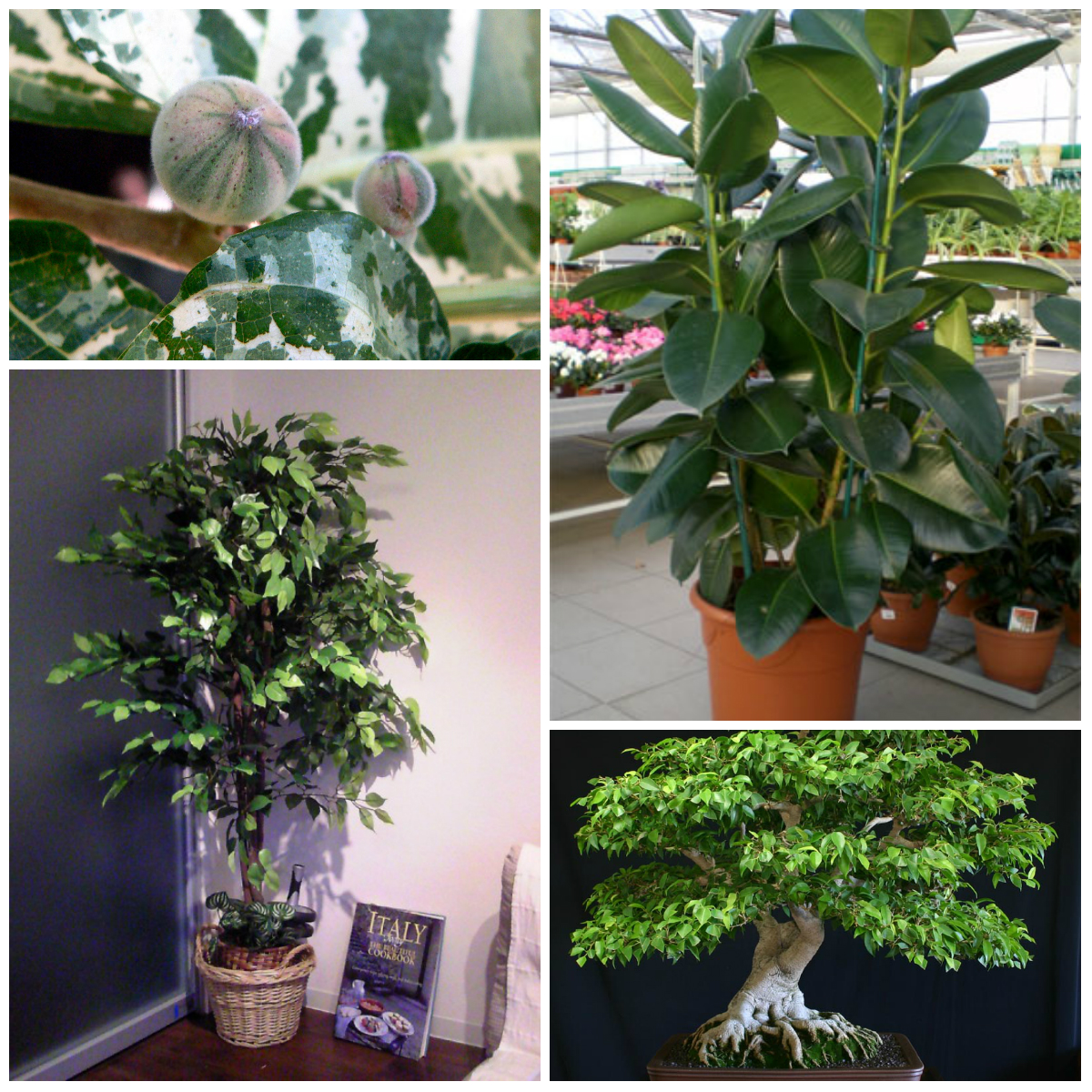
The fig — a ficus with fruit
The common fig (Ficus carica) can be grown in a tub: dwarf self-fertile varieties start fruiting 2–3 years after a cutting roots. Put it on a sunny balcony in summer and keep it cool at 5–10 °C in winter, when it drops its leaves and rests. The wood of its relative, the sycamore fig, was used in ancient Egypt for coffins and statuettes.
Ficus care
- Light. Bright and indirect; variegated forms need more. Hot summer sun can scorch the leaves.
- Temperature. 18–25 °C, not below 15 °C in winter (except the fig). Keep away from draughts and radiators.
- Watering. When the top 2–3 cm of soil is dry, less often in winter. Overwatering is more dangerous than underwatering.
- Humidity. Ficus likes humid air; wipe dust off large leaves with a damp cloth.
- Repotting. Young plants every spring, mature ones every 2–3 years, or just refresh the top layer of soil.
- Feeding. Every 2–3 weeks from spring to autumn with a foliage-plant fertiliser.
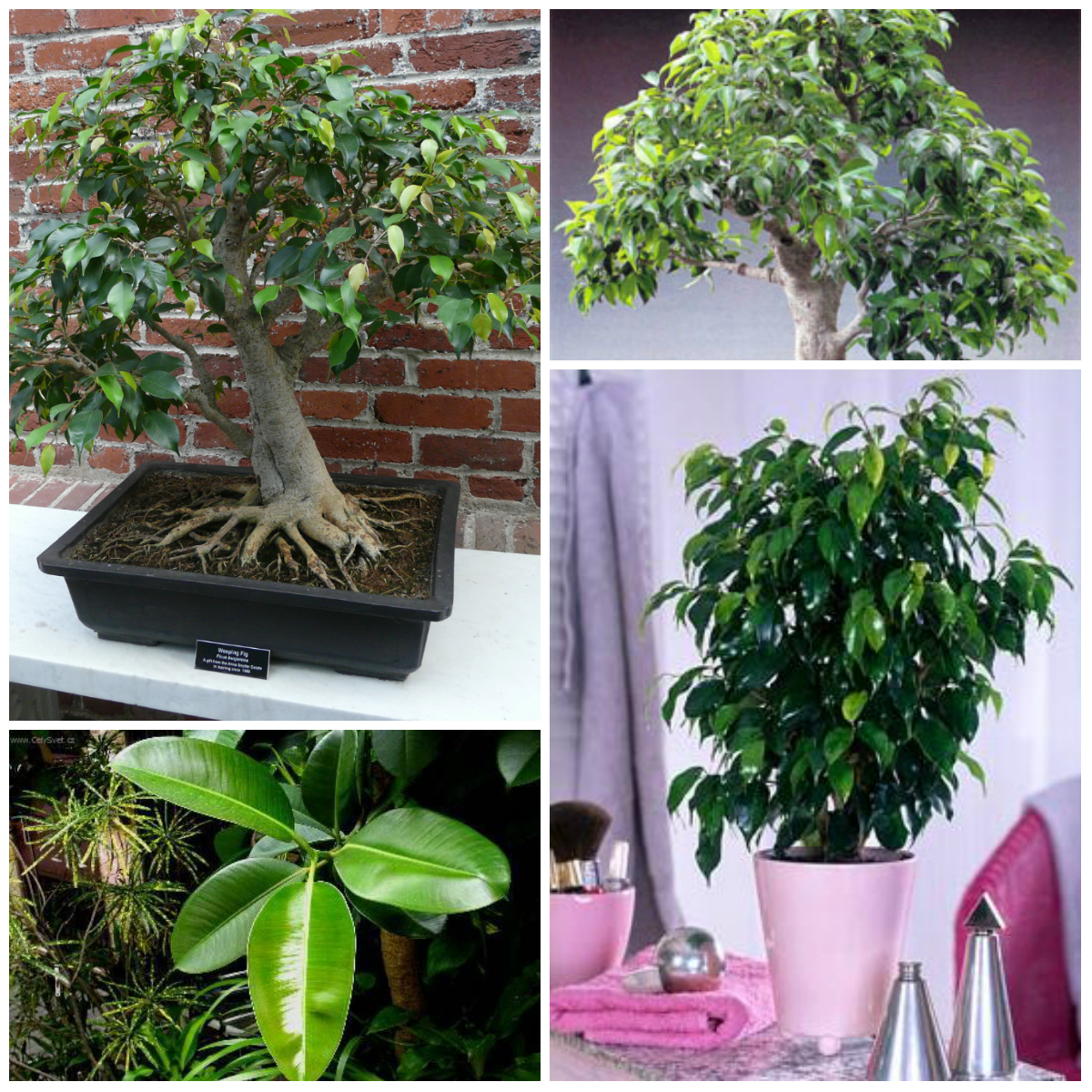
Why a ficus drops its leaves
Usually because it was moved, sat in a draught or the cold, had a sudden change of light or was overwatered. Give it a permanent bright spot and leave it there — it will recover within a few weeks. Yellowing lower leaves on a mature plant are usually just natural renewal.
Safety
Ficus sap irritates skin and can trigger reactions in people with latex allergy, and the plant is toxic to cats and dogs. Wear gloves when pruning.
Ficus also has a special place in feng shui — see feng shui houseplants.
FAQ
Which ficus is the easiest?
The rubber plant: it copes with part shade, dry air and irregular watering better than the rest.
Can I keep a ficus in the bedroom?
Yes, it is perfectly safe; just make sure it gets enough light.
How often should I water a ficus?
Typically every 5–7 days in summer and every 10–14 days in winter, depending on how fast the soil dries.
Ficus and other potted plants are available in our potted plants with delivery in Kyiv section.

View full-size photo
Author: Maria Svitlovir
Graduated from Taras Shevchenko National University of Kyiv, Institute of Biology and Medicine (2001). BSc in Biology, MSc in Horticulture. Writes about plants, works at a garden centre selecting and repotting plants, and contributes to plant reference guides.


