Almost every well-known flower has its own legend: of unhappy love, transformation, heroism or a promise. These stories come from ancient Greek myths, medieval tales and folk beliefs, and they still shape what we "read" in bouquets. Here are the best-known flower legends from different cultures, from Ancient Greece to Ukraine.
You can give flowers with a story — choose from our peonies and tulips sections.
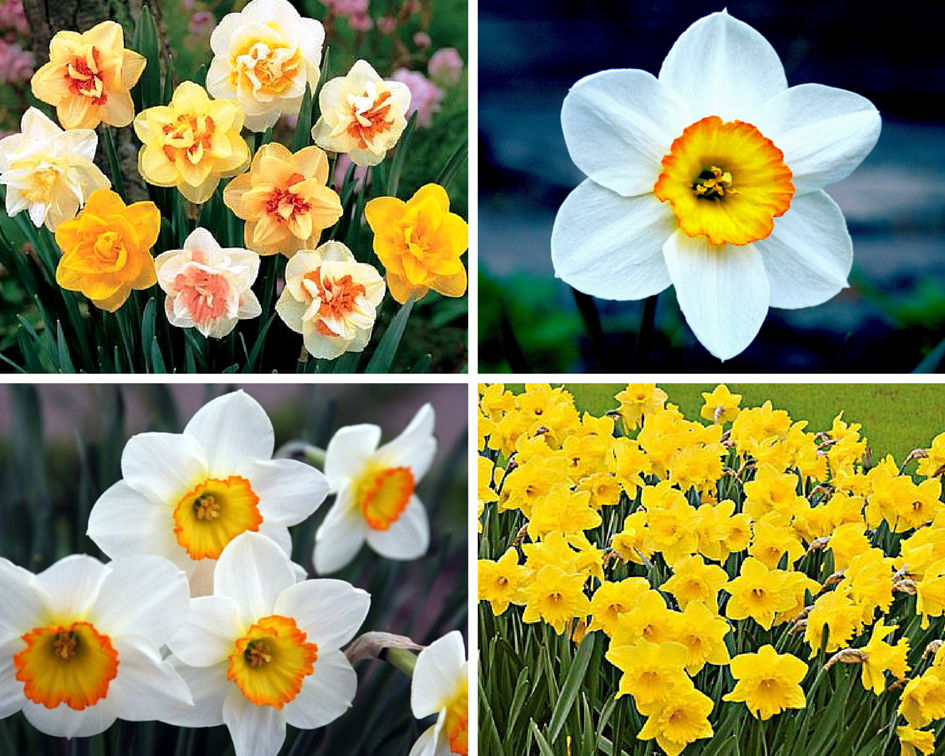
The beautiful youth Narcissus rejected the love of the nymph Echo and was punished: seeing his reflection in the water, he fell in love with it and could not tear himself away until he wasted away. Where he died grew a flower bending towards the water. The best-known version of the myth is in Ovid's "Metamorphoses", and the word "narcissism" comes from the hero's name.
The youth Hyacinthus was a friend of Apollo. During a contest a discus thrown by the god fatally struck him, and from the drops of his blood Apollo raised a flower. More in "Hyacinth: legends and forcing".
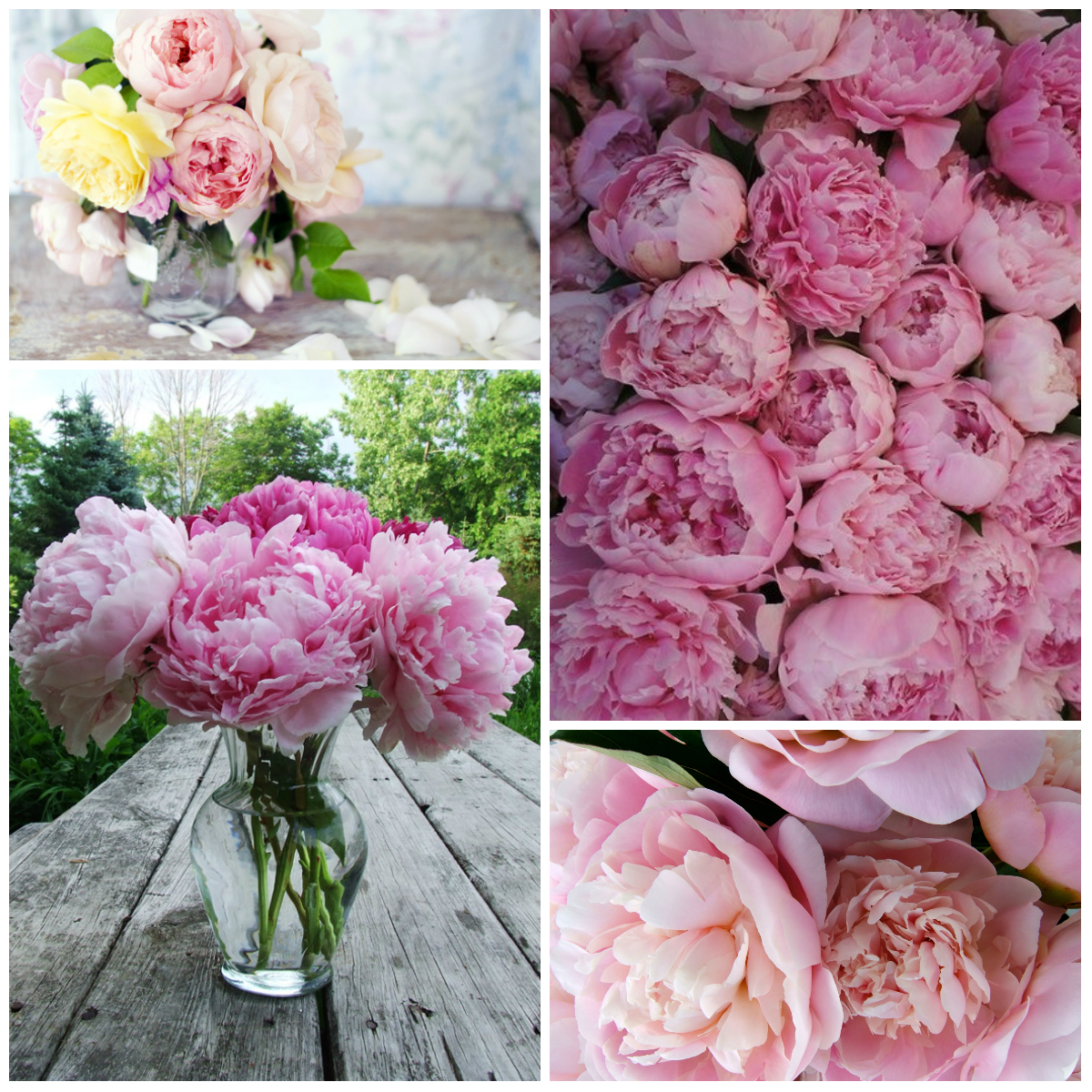
In one version of the myth, Paeon was physician to the gods and a pupil of Asclepius. When his teacher grew jealous of his skill, Zeus saved Paeon by turning him into a flower, and the plant's name is linked to this myth.
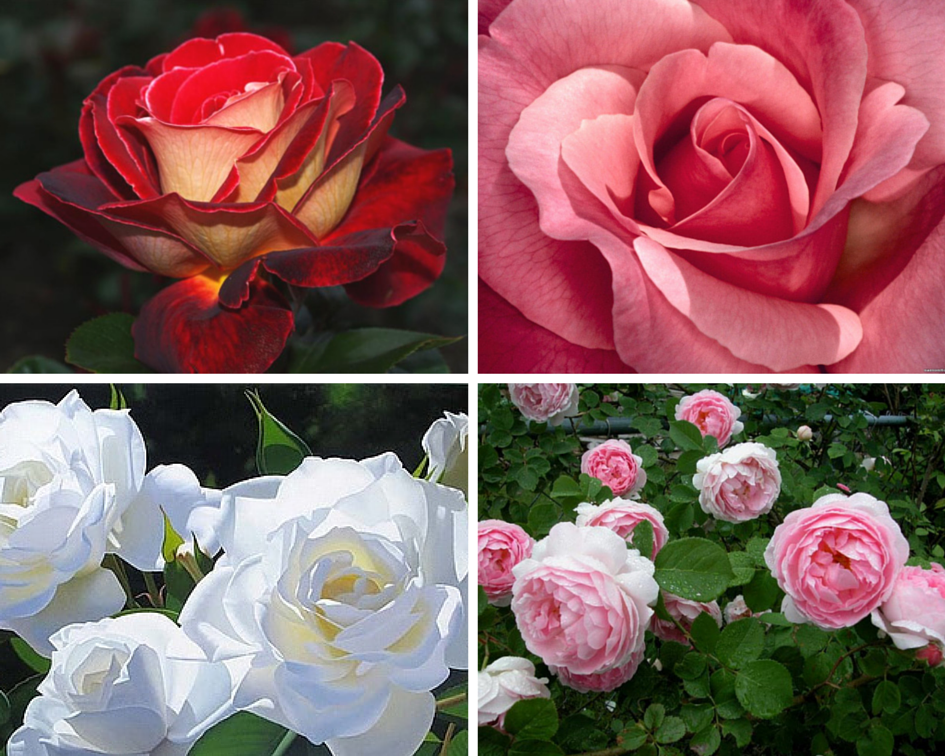
When Aphrodite's beloved Adonis was killed while hunting, anemones are said to have sprung from his blood. Another version says the goddess, rushing to Adonis, cut herself on thorns, and her blood turned white roses red. More in "Anemone: legends and varieties".
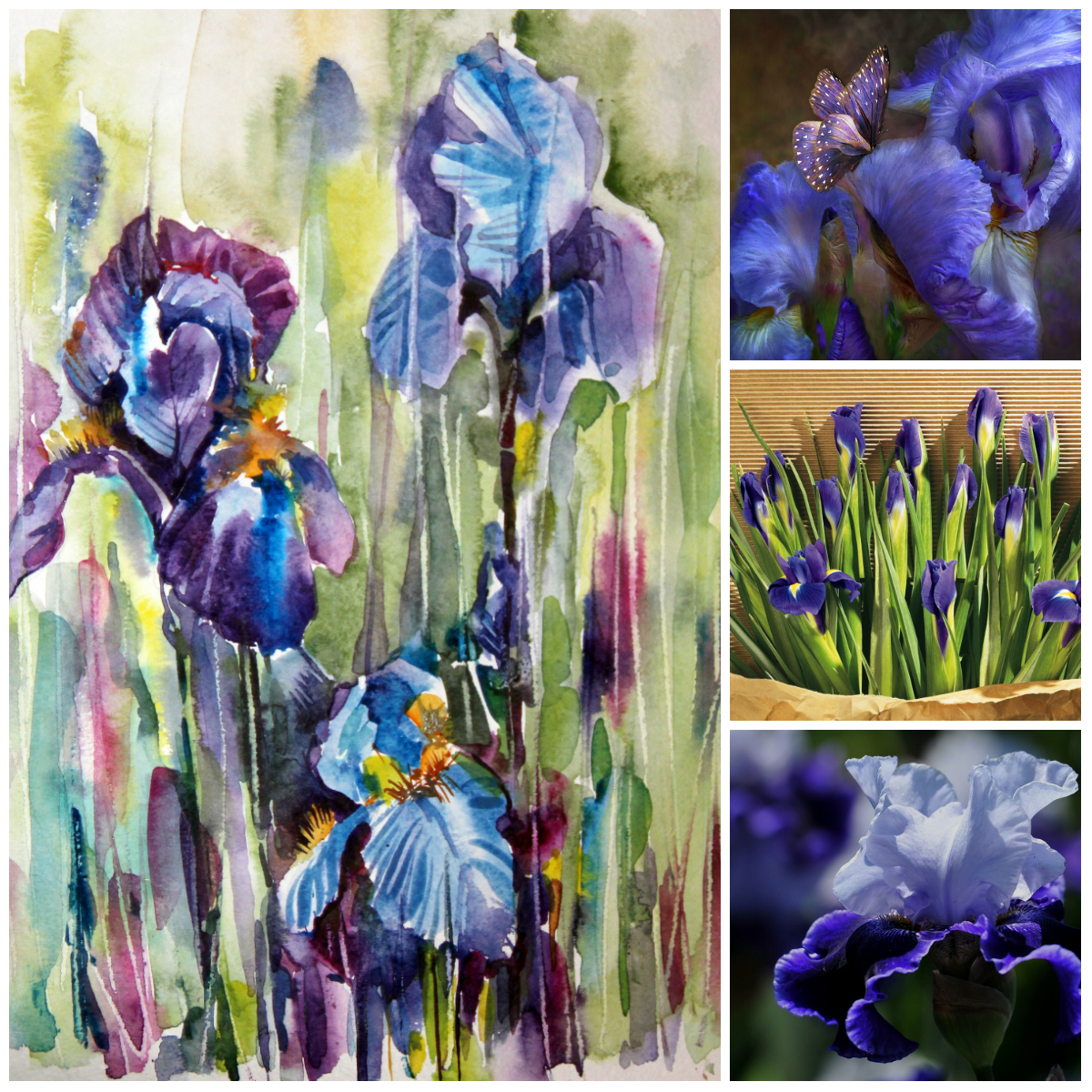
Iris was the messenger of the gods and the personification of the rainbow. The flower was named after her for its many colours. More in "Irises: legends and meaning".
A German legend tells of a knight walking with his beloved by a river who picked blue flowers for her. His heavy armour dragged him into the water, and, throwing the bouquet onto the bank, he managed to cry out "Forget me not!" — hence the flower's name in many languages.
In the 17th-century Netherlands tulips were so popular that bulbs of rare varieties sold for huge sums — an episode known as "tulip mania". For varieties and colour meanings, see "Tulips: varieties and colour meanings".
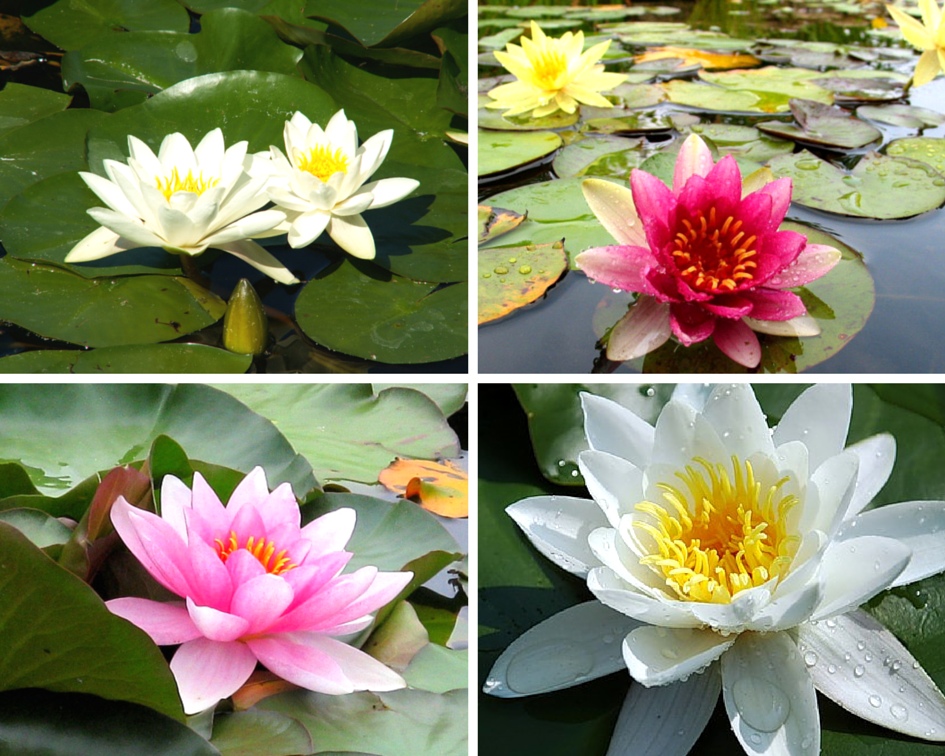
In Ancient Egypt the lotus, which opens in the morning and closes in the evening, was associated with the sun and rebirth. In Indian and Buddhist tradition it symbolises purity: the flower rises from mud yet remains unstained.
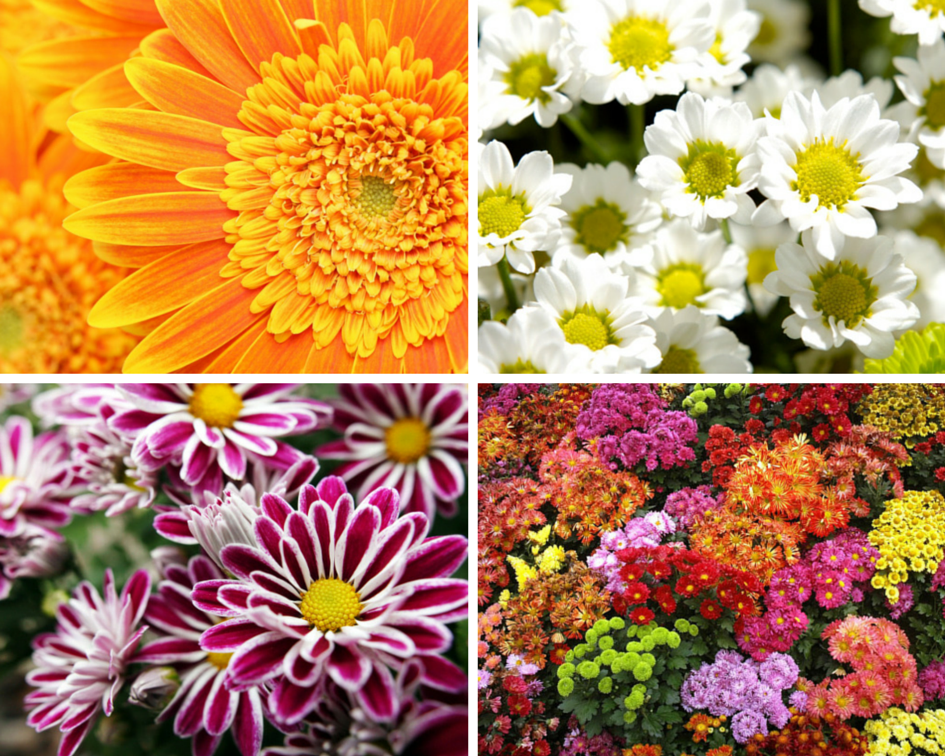
In Japan the chrysanthemum is the symbol of the imperial house: the Japanese throne is called the Chrysanthemum Throne, and a stylised flower appears on the imperial seal.
According to folk belief, the chervona ruta ("red rue") blooms on Kupala night, and the girl who finds it will be happy in love. The image became famous throughout the country thanks to Volodymyr Ivasiuk's song "Chervona Ruta".
On Kupala night people also searched for the fern flower, said to reveal hidden treasure. Botanically this is impossible — ferns do not flower but reproduce by spores — yet the legend remains one of the most poetic.
In Ukrainian tradition the evergreen periwinkle symbolises faithfulness and lasting love; it was woven into wedding wreaths and used in wedding rituals.
From the hero of the Greek myth about a youth who fell in love with his own reflection.
No. Ferns reproduce by spores, so the "fern flower" is only a legend.
Faithfulness and remembrance, after the German legend of the knight and his last words.

Author: Maria Svitlovir
Graduated from Taras Shevchenko National University of Kyiv, Institute of Biology and Medicine (2001). BSc in Biology, MSc in Horticulture. Writes about plants, works at a garden centre selecting and repotting plants, and contributes to plant reference guides.
© Kyiv 2026 UFL Flower Shop

Trademark UFL №191476 is used under license of the rights holder.
All rights reserved. Any use of materials without a link to the site is prohibited.


 Birthday
 Hydrangeas