
 Birthday
 Hydrangeas
Prepared with UFL flower delivery. White petals around a yellow centre describe dozens of plants in the daisy family, and only a few of them are chamomile. Below is how to tell true chamomile from its look-alikes, plus 24 daisy-like flowers with descriptions and photos.
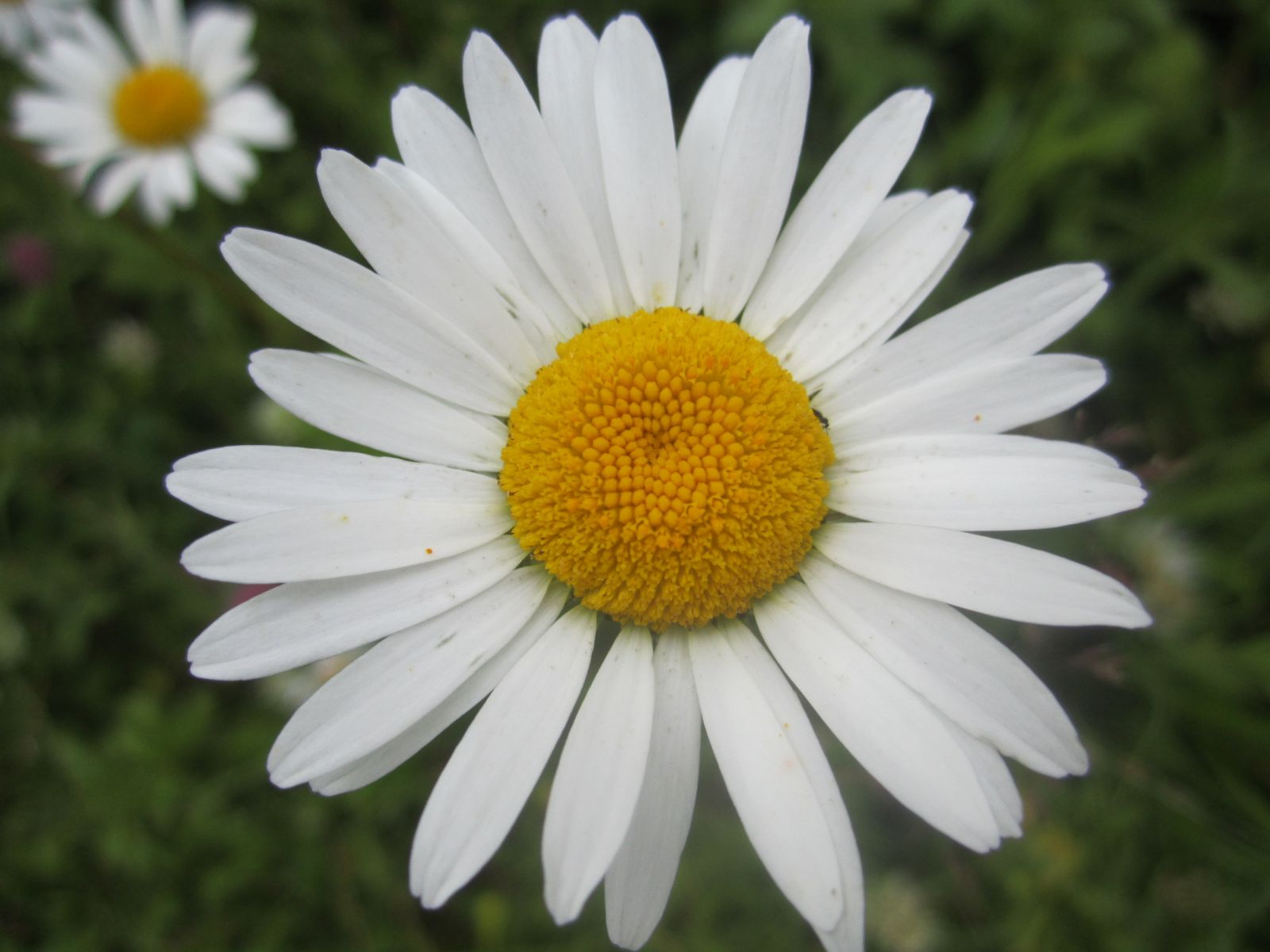
How to spot true chamomile
Botanical chamomile (Matricaria) is above all German chamomile. The large «garden daisy» sold by florists is usually an ox-eye or Shasta daisy, or a single-flowered spray chrysanthemum.
- Centre: chamomile has a conical yellow centre that is hollow inside; look-alikes are solid.
- Petals: chamomile petals fold downwards as the flower matures.
- Scent: strong and herbal; ox-eye daisy and scentless mayweed have almost none.
- Size: chamomile flowers are small, 1.5–2.5 cm; anything over 5 cm is another plant.
1. Mount Atlas daisy (Anacyclus)
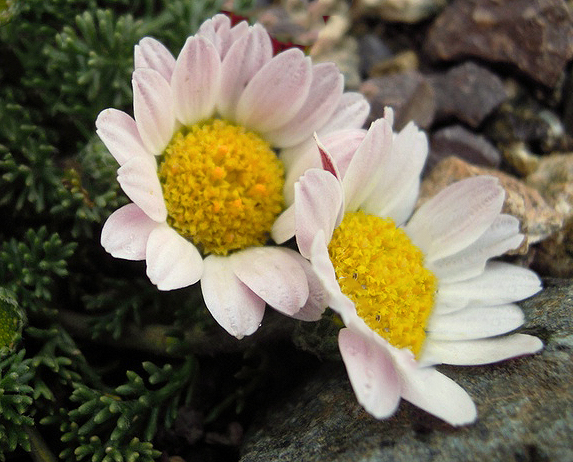
A low, spreading plant with white flowers up to 5 cm. The giveaway: the petals are red-pink underneath, so closed buds look pink. Flowers open in the morning and close at night; it likes sun and free-draining soil.
2. Arctotis (African daisy)
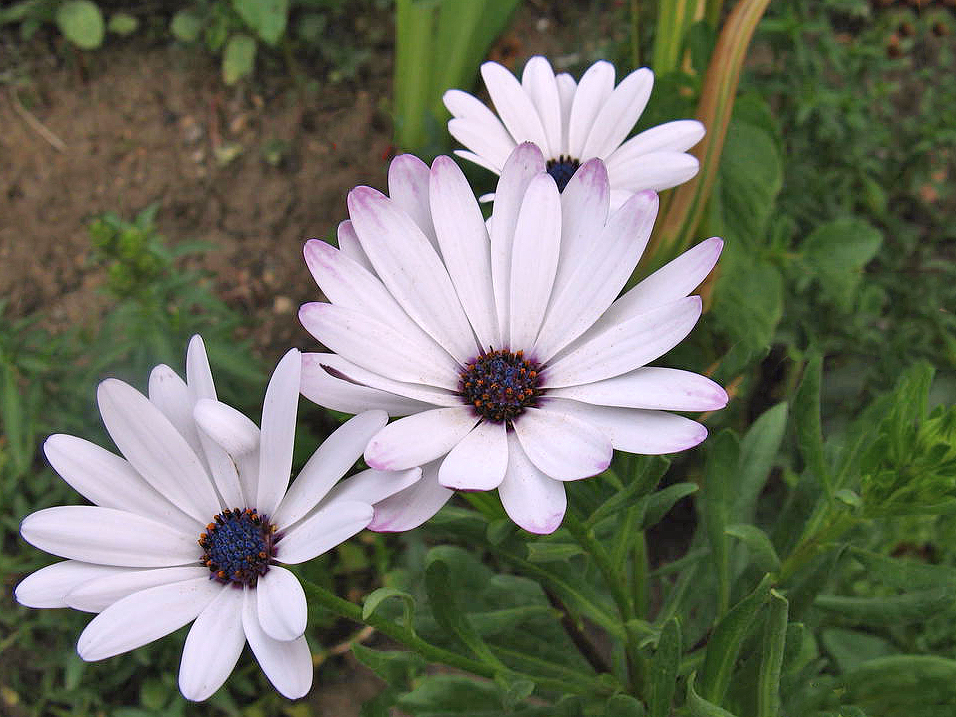
A South African «daisy» with silvery leaves and petals that shade from bronze at the centre to yellow, pink or orange. Height 30–60 cm. Flowers stay closed in dull weather, so it needs full sun.
3. Venidium (Cape daisy)
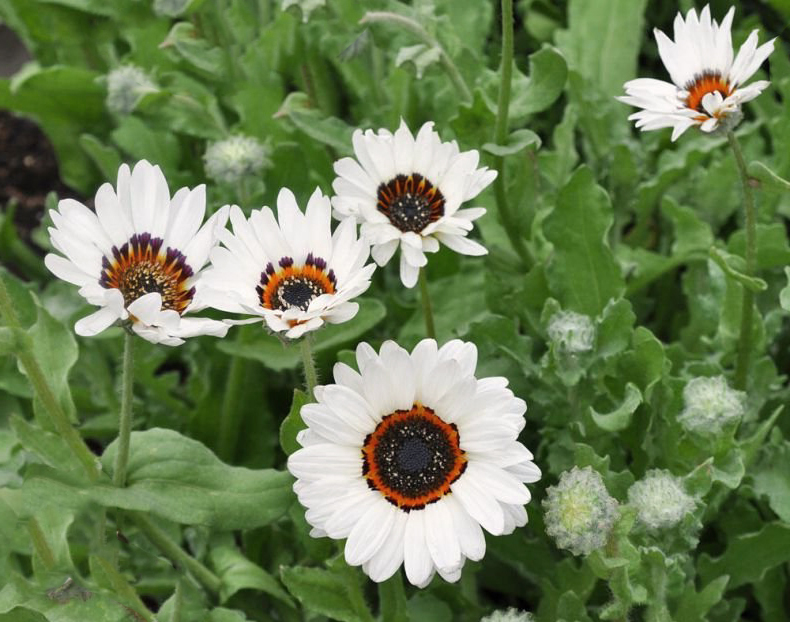
Large flowers up to 10 cm, orange or cream, with an almost black centre and a dark ring at the base of the petals. An annual 60–70 cm tall, flowering from July until frost.
4. Gazania

A low plant (20–30 cm) with vivid yellow, orange or red flowers, often with dark stripes and «eyes» at the base of the petals. Loves sun and dry soil and flowers from June to autumn; grown as an annual in Ukraine.
5. Helichrysum (strawflower)
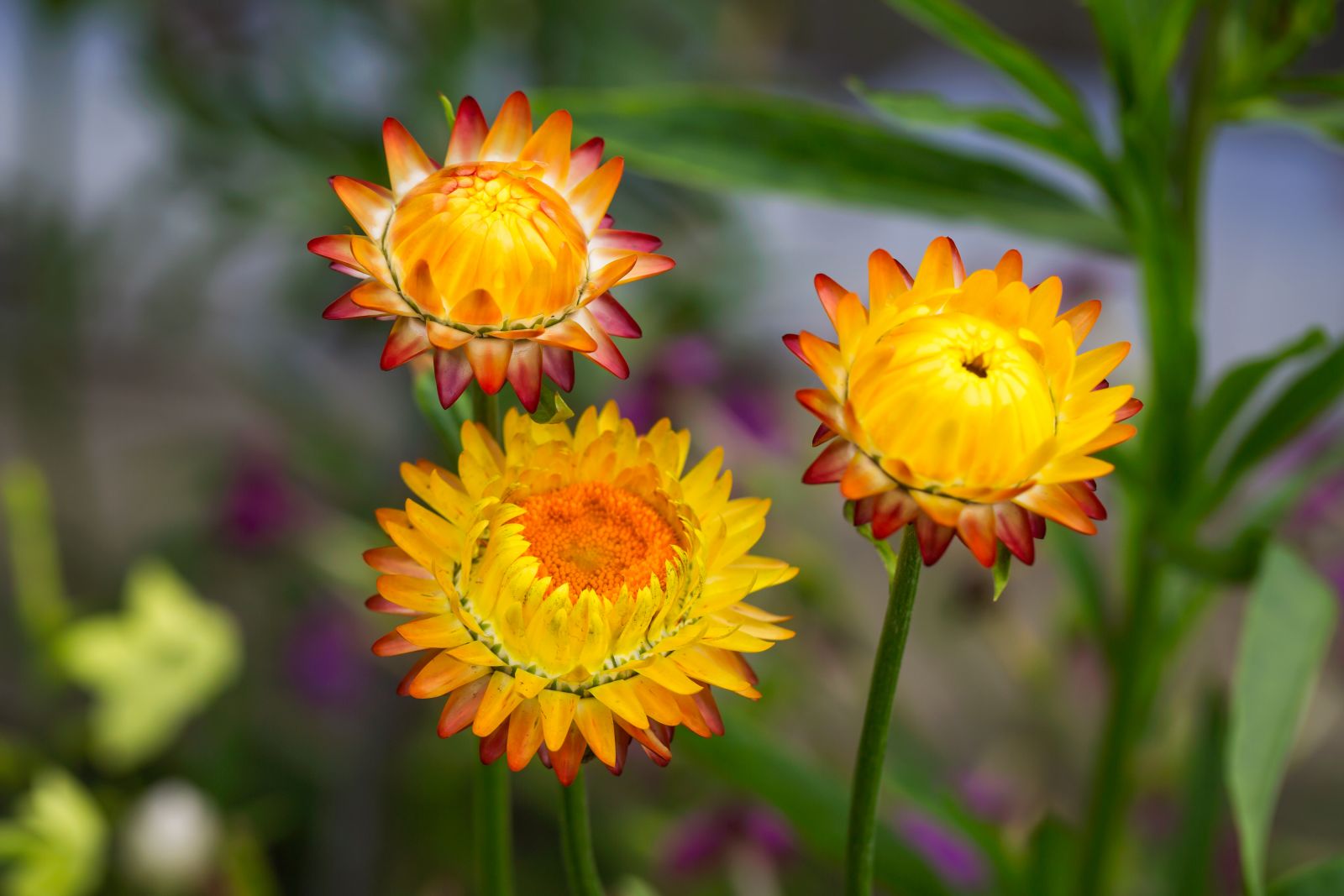
Flowers with shiny, papery petals that keep their colour when dried, making it a classic for winter bouquets. Cut when the flowers are half open.
6. Gerbera
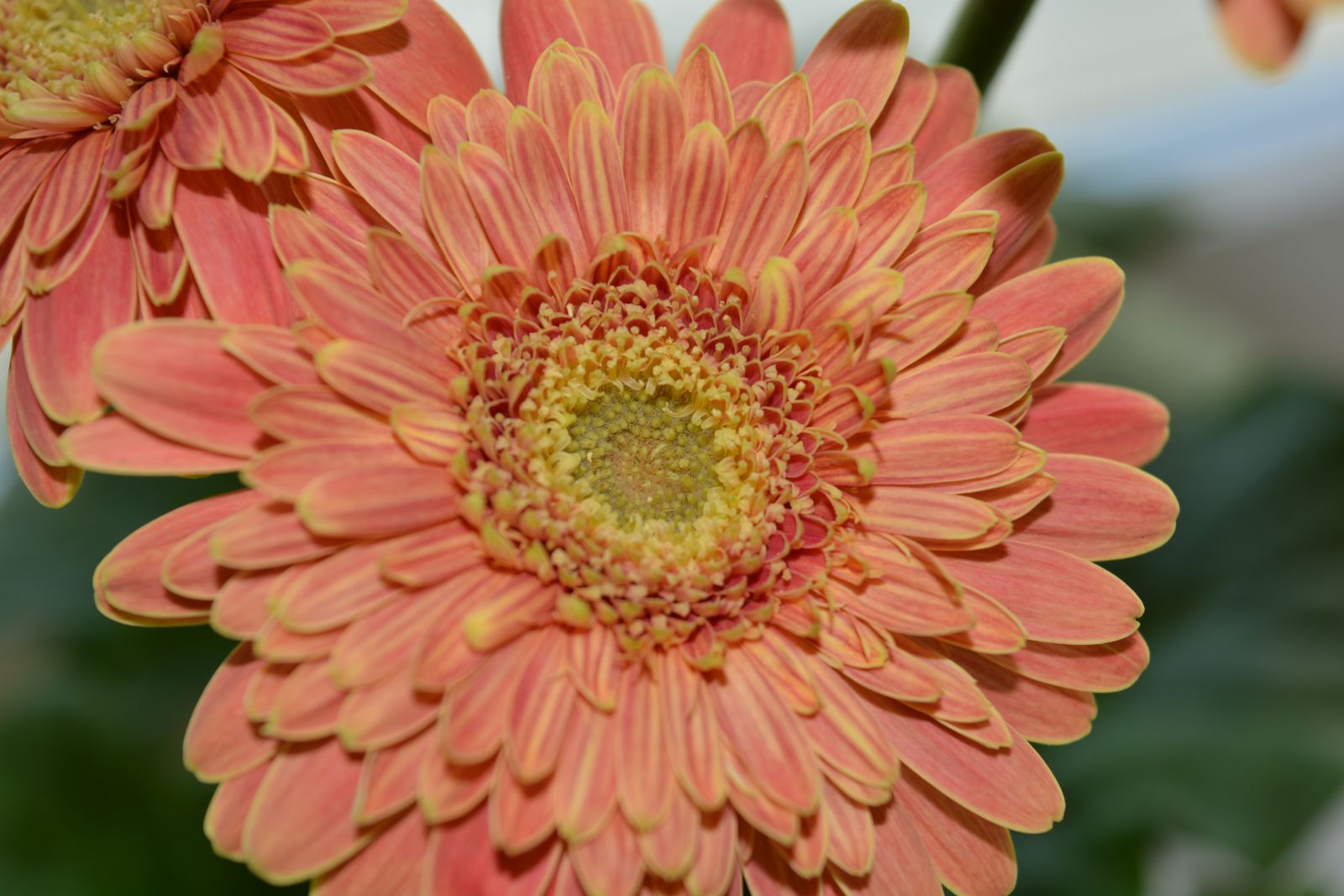
Floristry’s best-known «big daisy»: flowers up to 12 cm on straight leafless stems, from white to red. It lasts 7–10 days in a vase if kept in shallow water, as the stem rots easily.
7. Leopard’s bane (Doronicum)
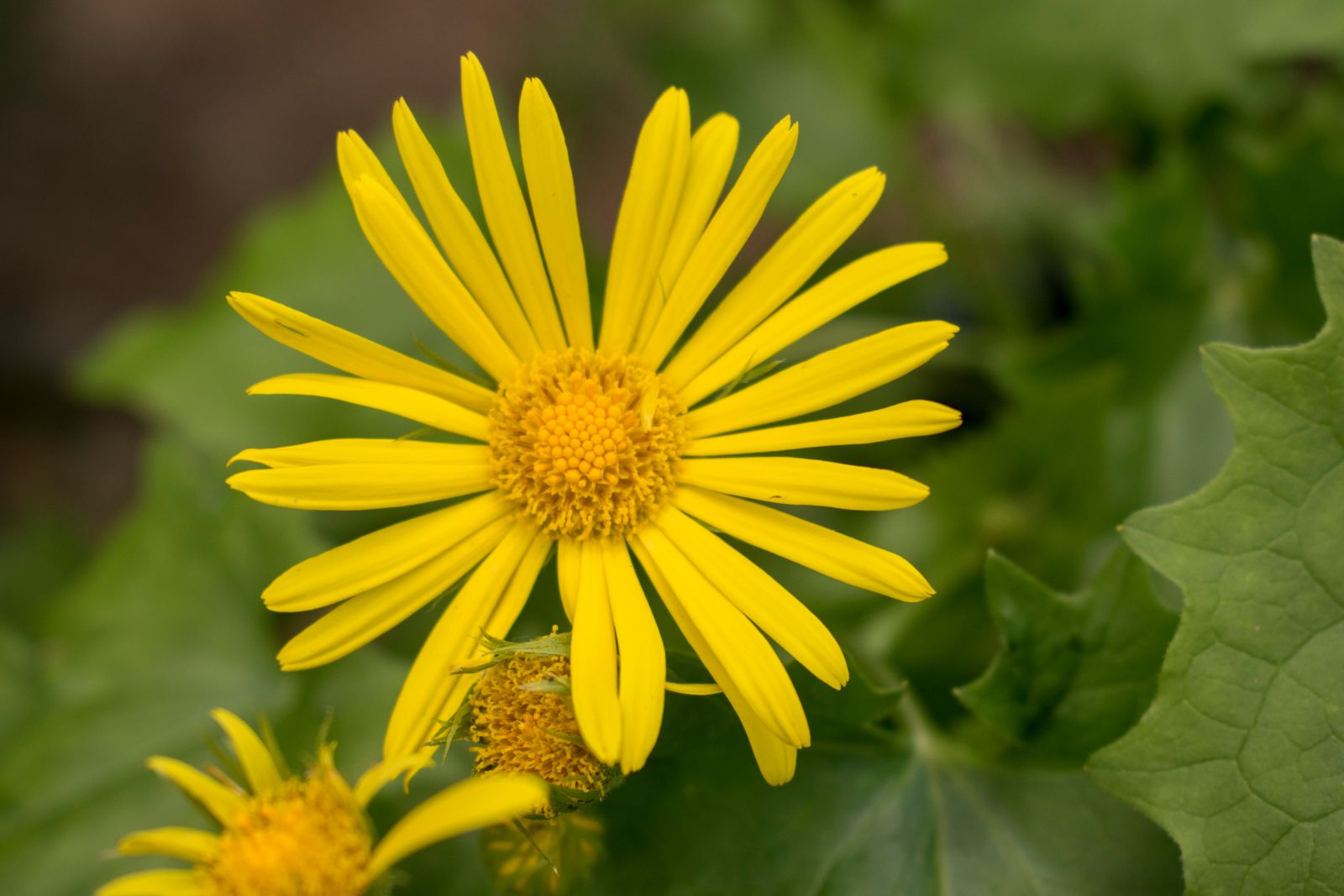
A yellow «daisy» that is among the first to bloom in the garden, in May–June. It grows 40–80 cm with 5–10 cm flowers and lasts well when cut; the leaves die back after flowering.
8. Calendula (pot marigold)
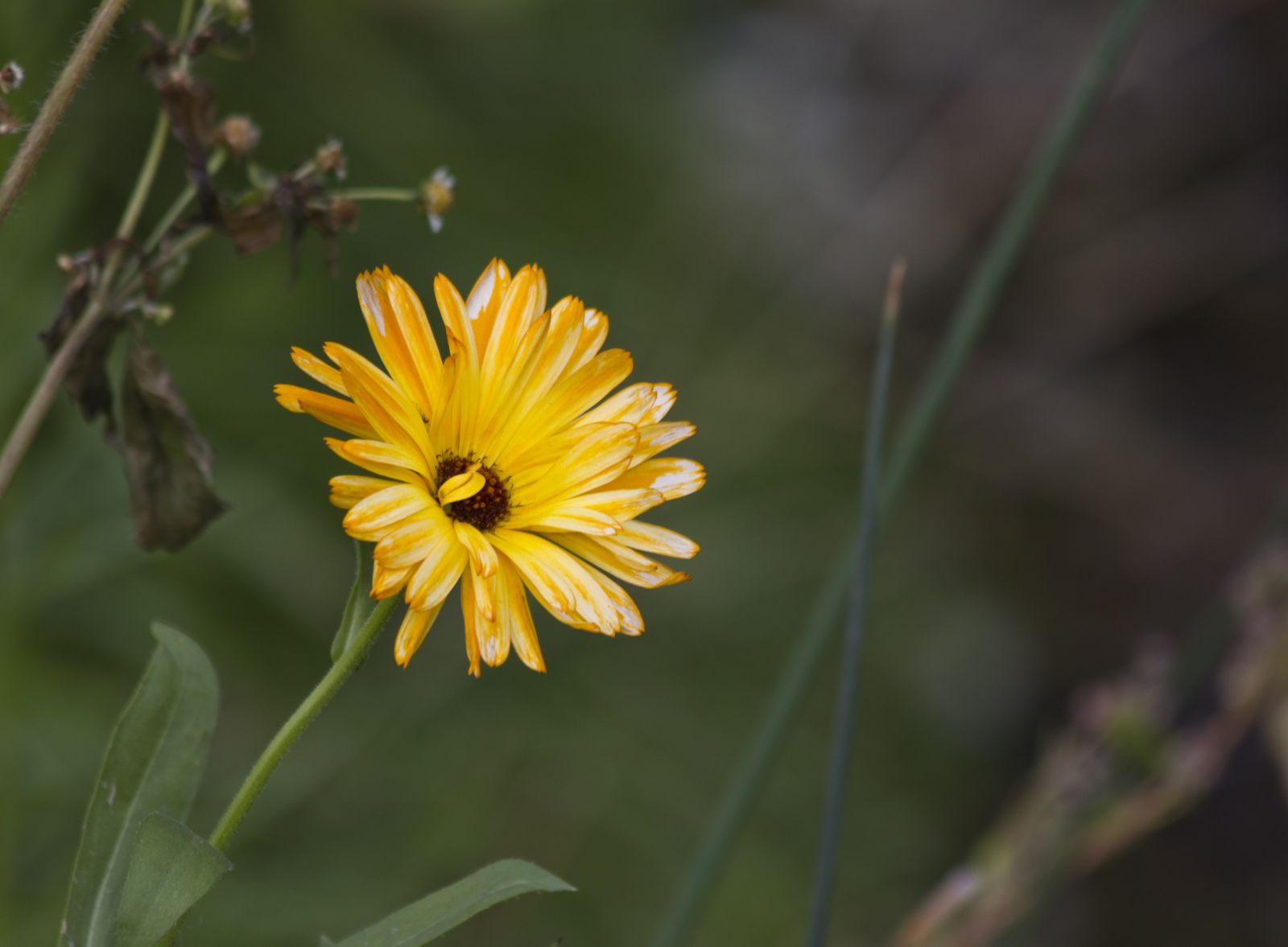
Orange or yellow flowers 5–7 cm across on a low bush. Known as a medicinal herb, it self-seeds freely and blooms from June until frost.
9. Cosmos
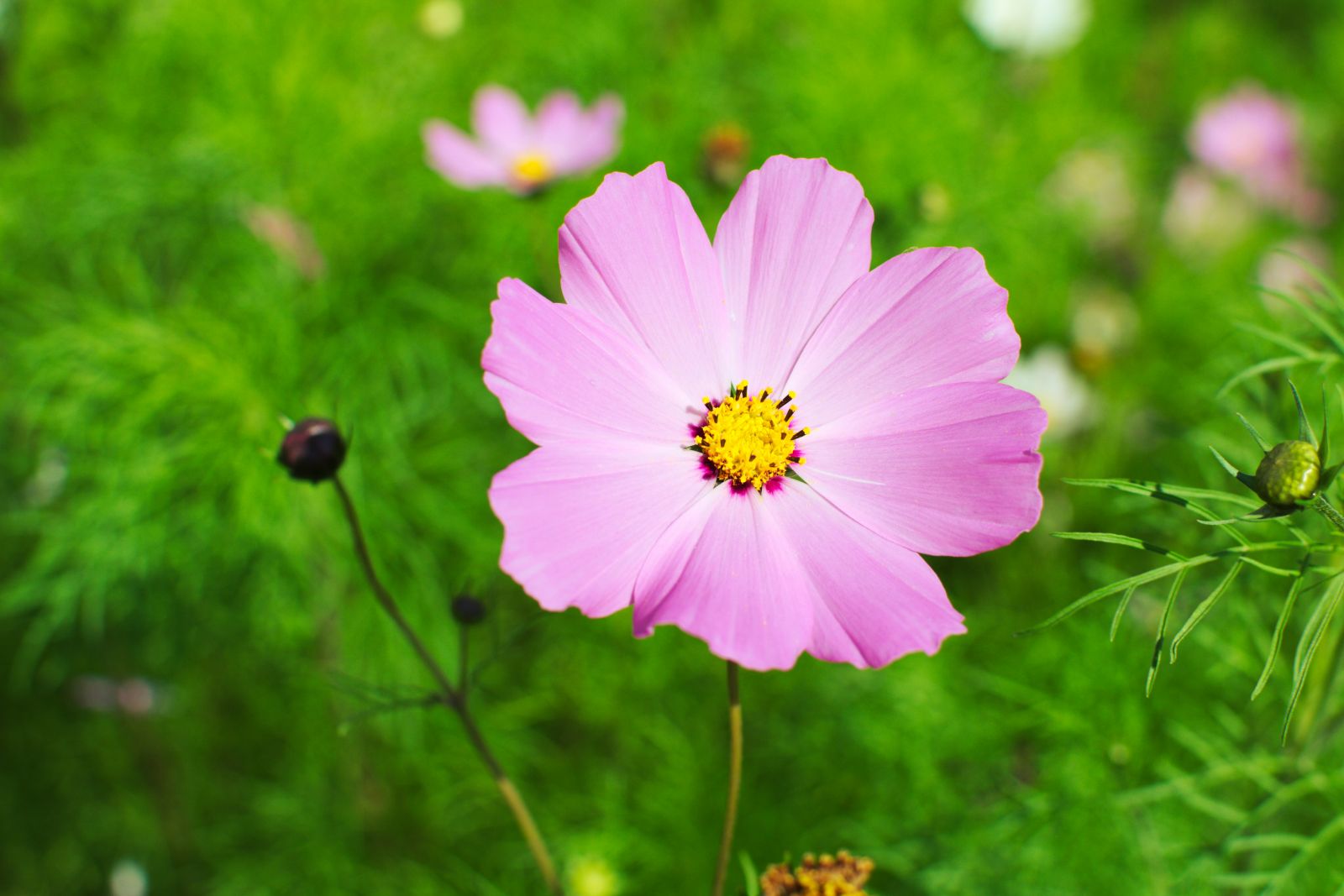
An airy, feathery plant up to 1.5 m with white, pink or crimson flowers. Undemanding, it grows even in poor soil and self-seeds.
10. Coreopsis (tickseed)
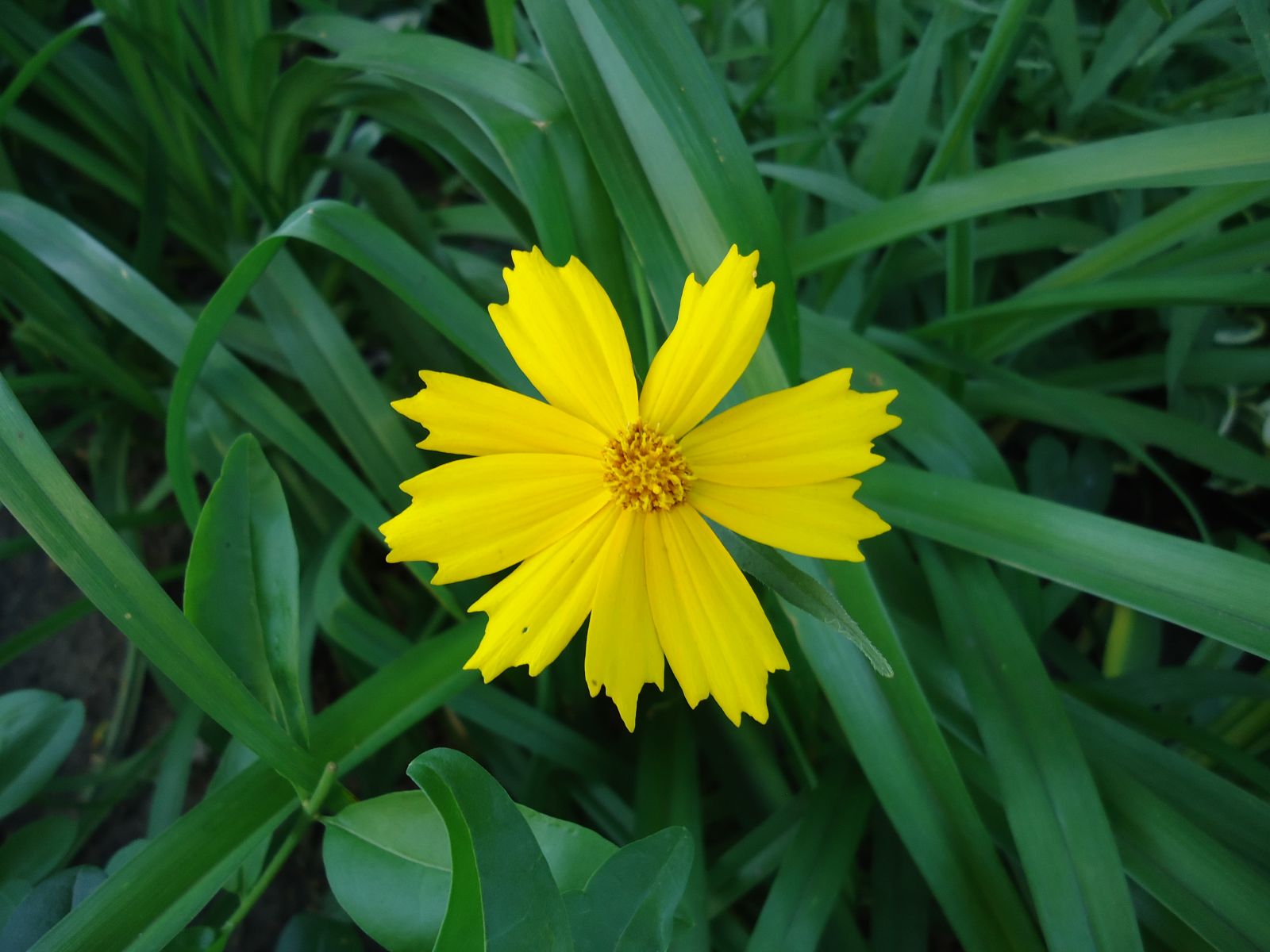
Yellow or orange flowers 3–7 cm across on slender stems 60–100 cm tall. Blooms from midsummer to autumn and looks great in wildflower bouquets.
11. English daisy (Bellis)
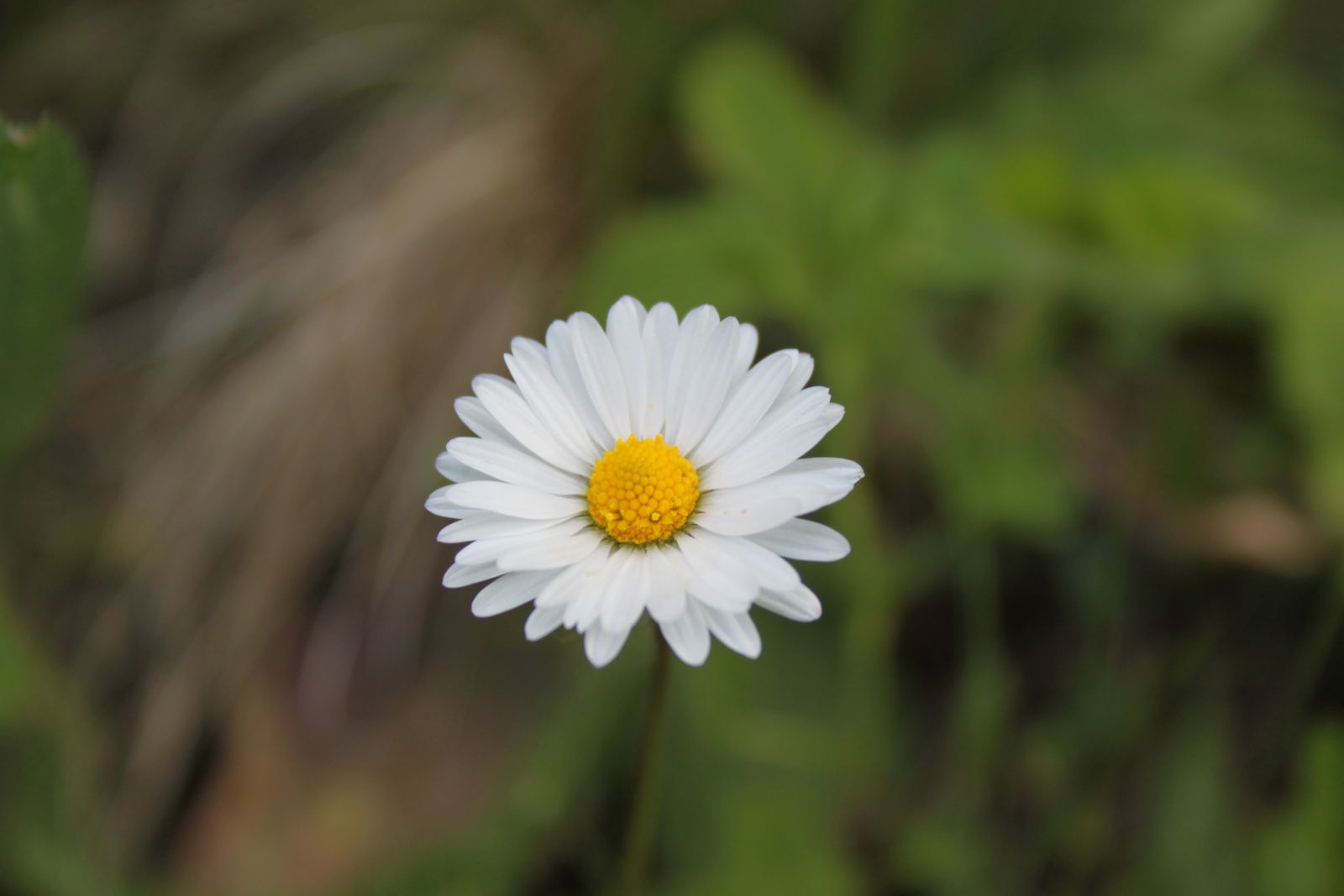
A low plant up to 15–20 cm with white, pink or red flowers, often double. It flowers in spring and early summer and overwinters in the garden.
12. Ox-eye / Shasta daisy (Leucanthemum)
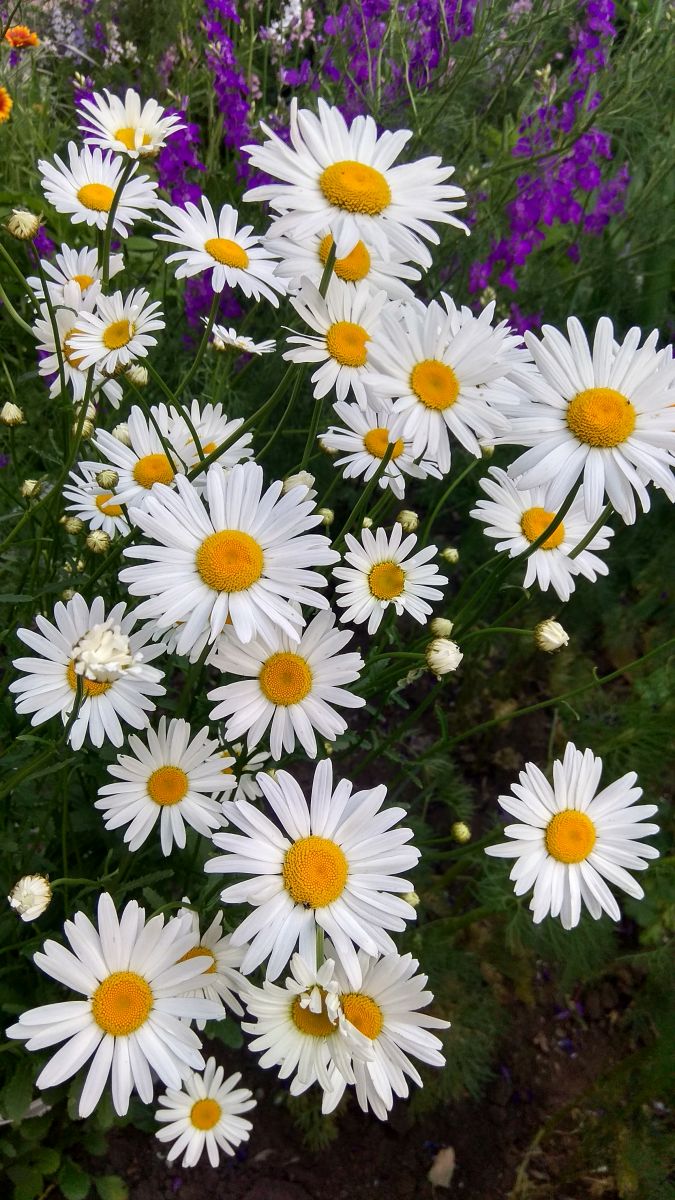
This is what most people call a garden daisy: white petals, yellow centre, flowers up to 10–12 cm on plants up to 1 m. A perennial blooming June–August. Unlike chamomile, its centre is flat and solid.
13. Osteospermum
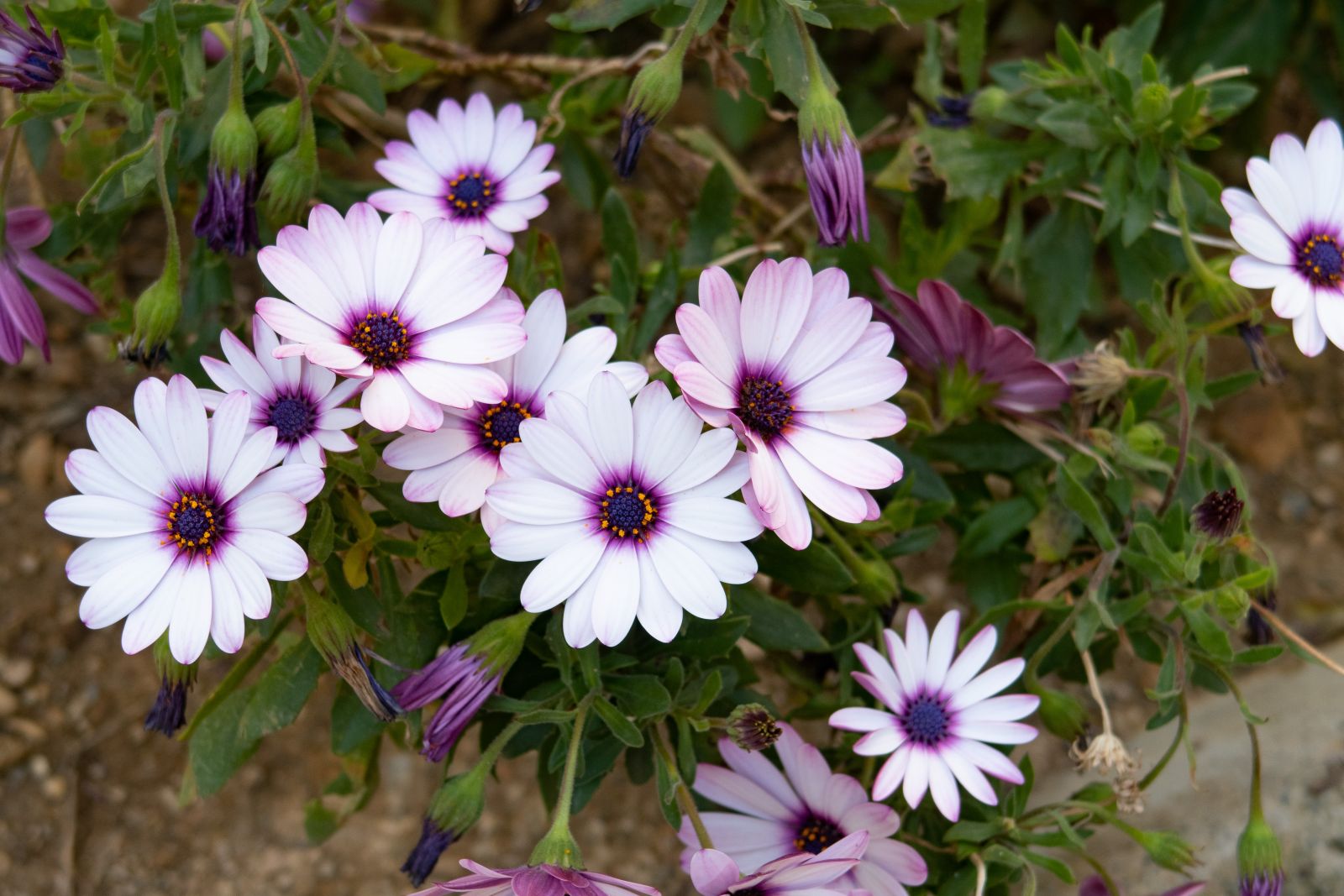
The «African daisy» with purple, pink, white or yellow petals and a dark centre. Height 30–60 cm, flowering May to autumn. Not frost-hardy, so in Ukraine it is grown as an annual or brought indoors.
14. Pyrethrum (painted daisy)
.jpeg)
A perennial 50–70 cm tall with pink, red or white flowers on long stems, blooming in May–June. Dried flowers of some species have long been used as a natural insecticide.
15. Ornamental sunflower
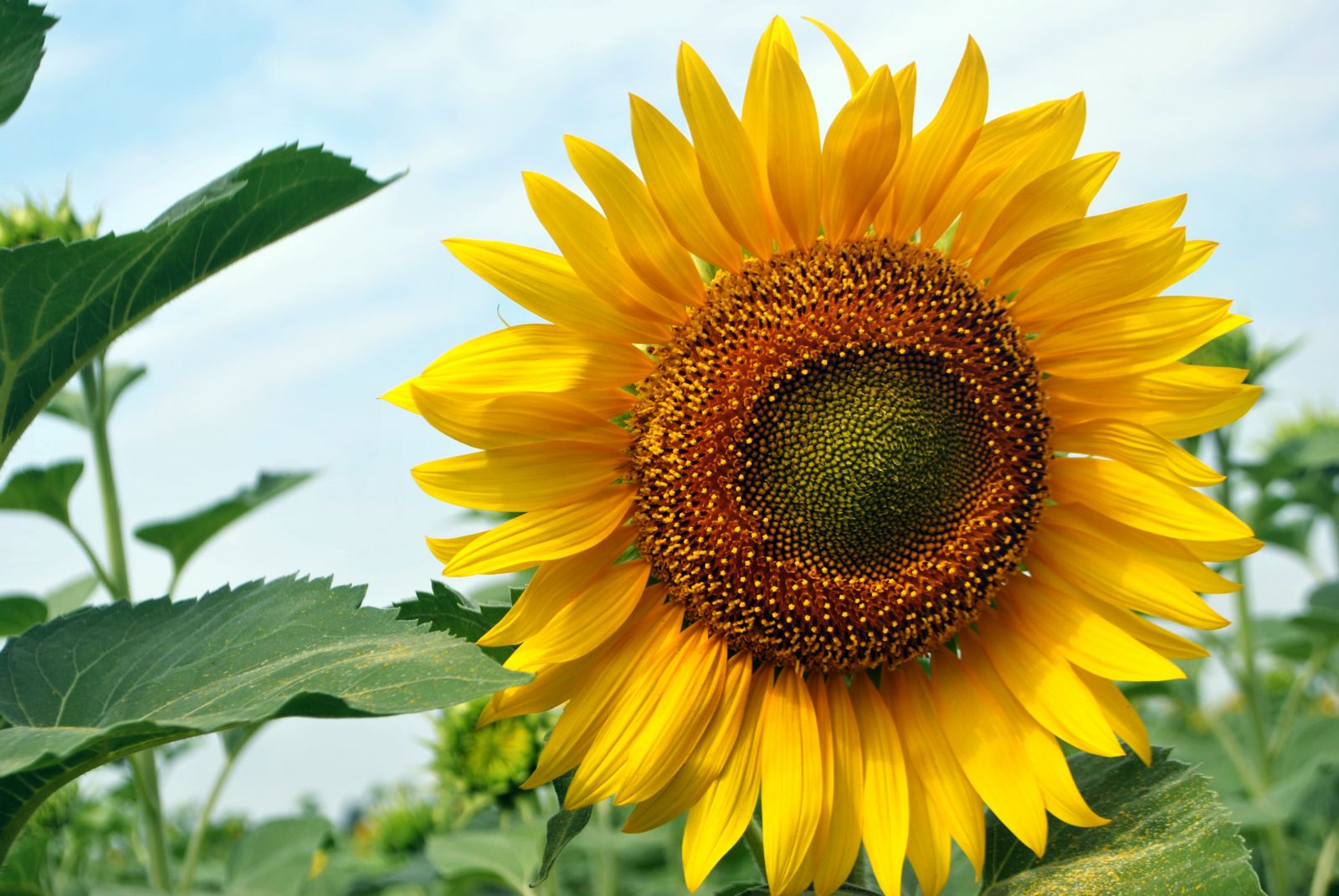
Varieties with smaller (5–15 cm) flowers and several heads per stem, from 60 cm dwarfs to 2–3 m giants. Pollen-free varieties are used for bouquets because they do not shed.
16. Rudbeckia (black-eyed Susan)
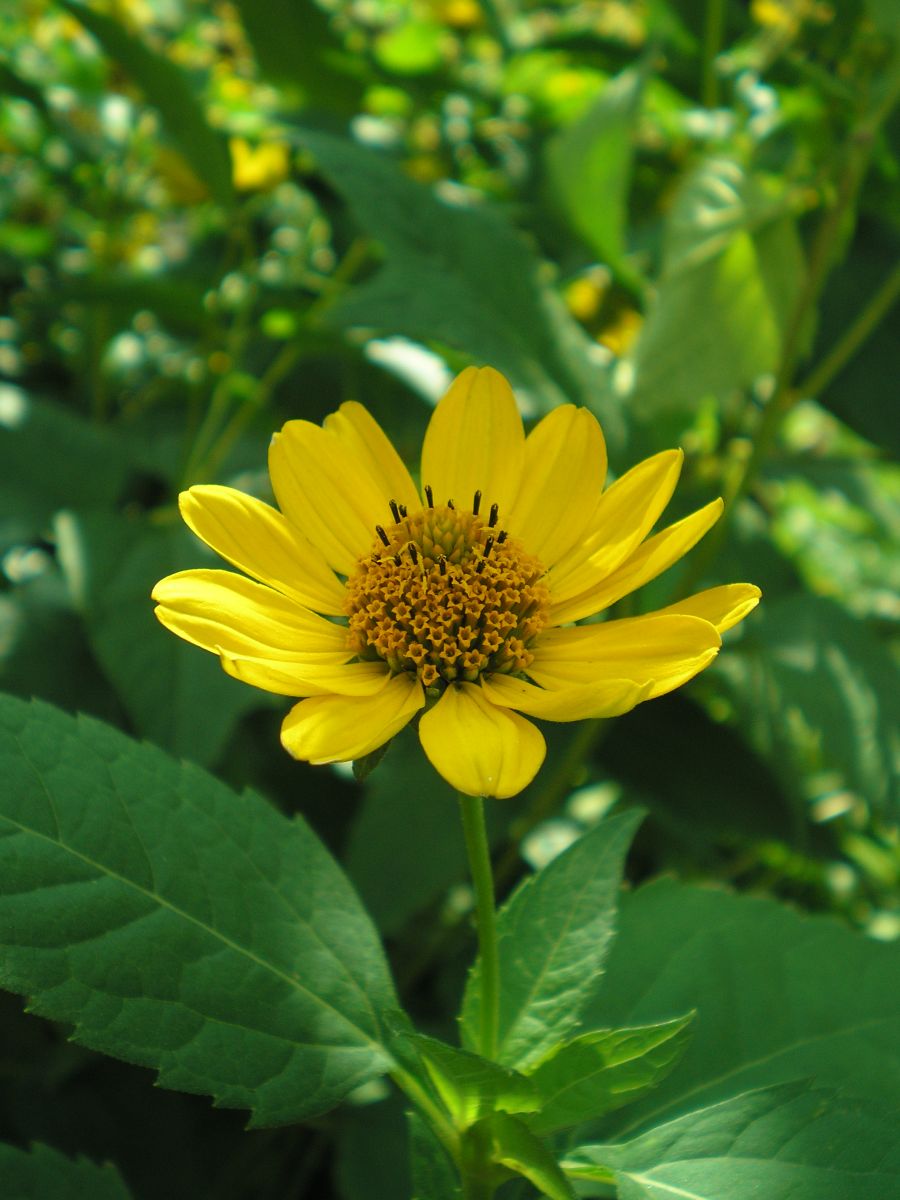
Yellow or orange petals around a dark brown domed centre. Plants reach 0.5–2 m, bloom July to September, are easy-going and last well in a vase.
17. Jerusalem artichoke
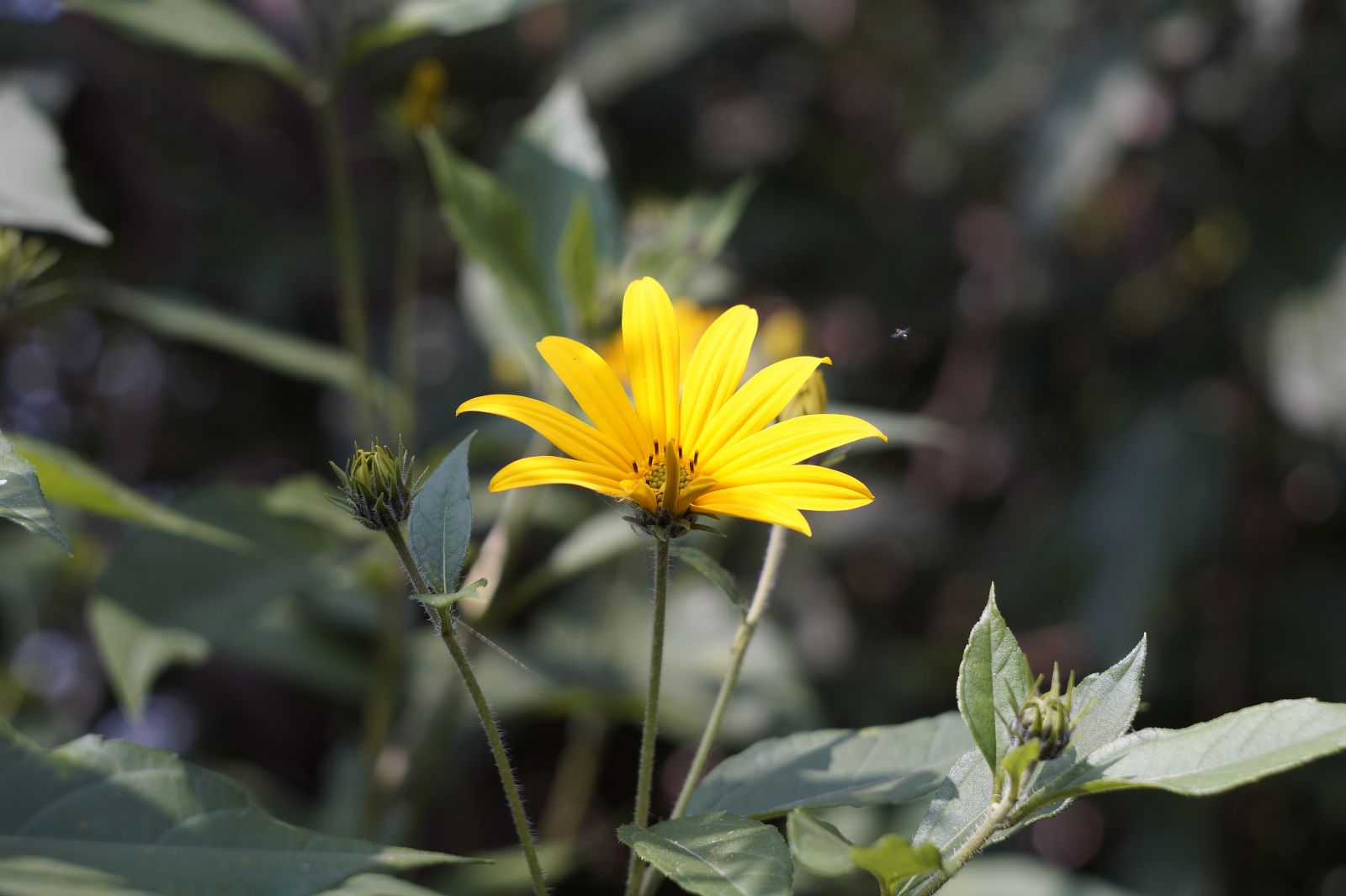
A perennial up to 3 m tall with 6–10 cm yellow flowers in August–September, known for its edible tubers. It spreads fast, so it is best planted along fences.
18. Ursinia
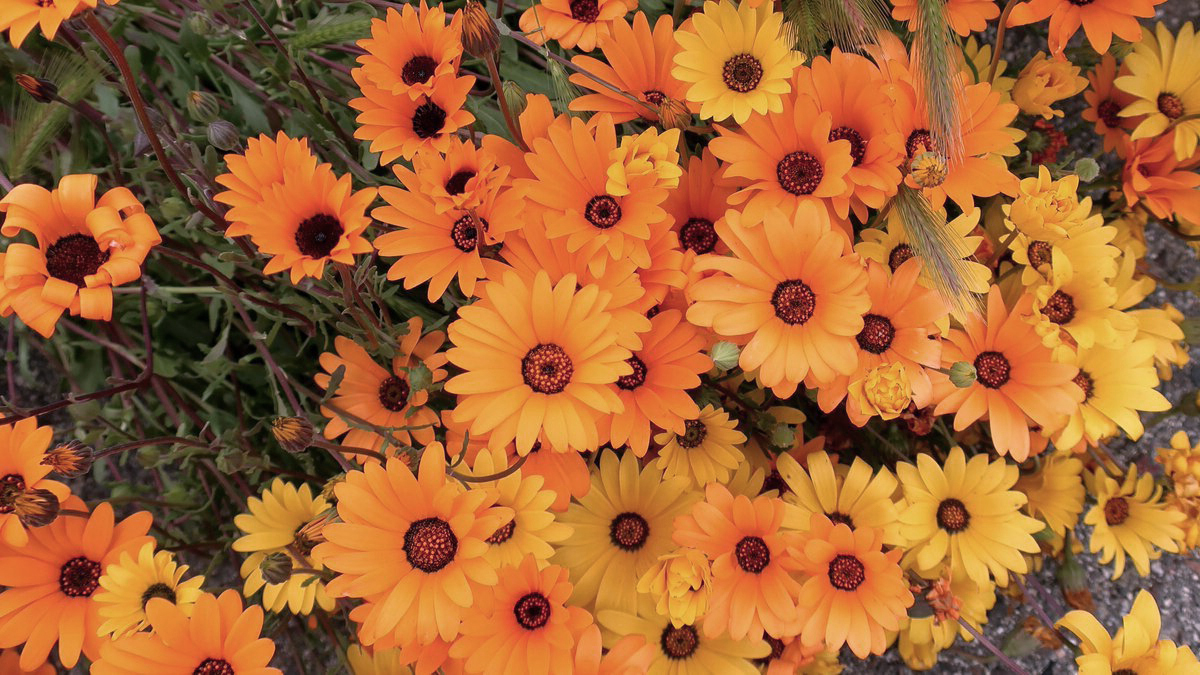
An annual 30–60 cm tall with 5–6 cm yellow or orange flowers, often ringed dark near the centre, and feathery leaves. Flowers until the first frosts.
19. Felicia (blue daisy)
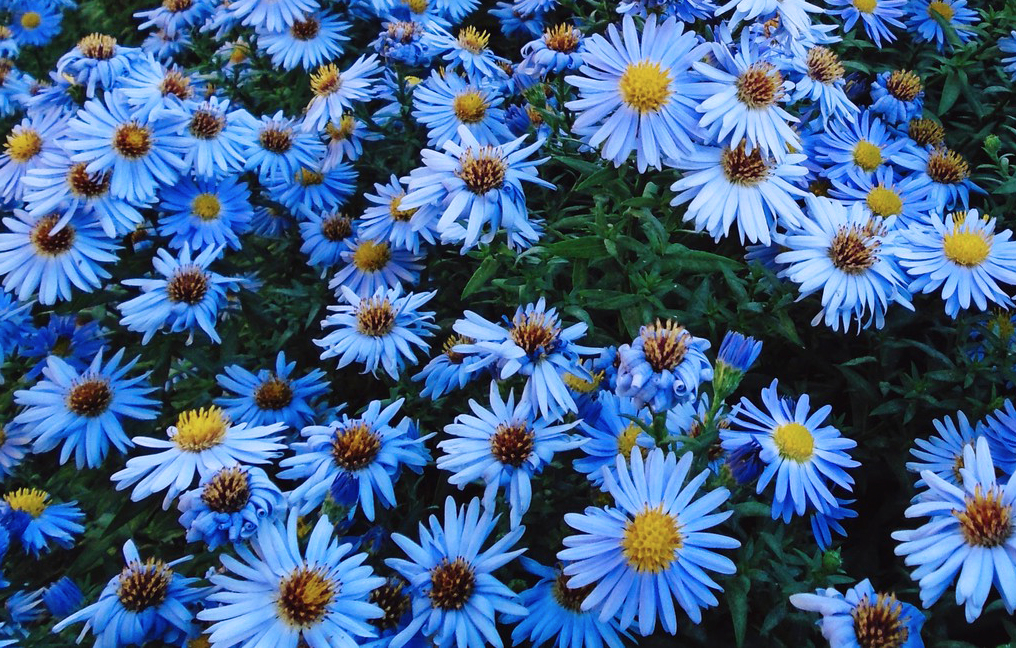
Sky-blue petals with a yellow centre — one of the few truly blue «daisies». 20–60 cm tall and not frost-hardy, so it is a one-season plant for balconies and beds.
20. Chrysanthemum
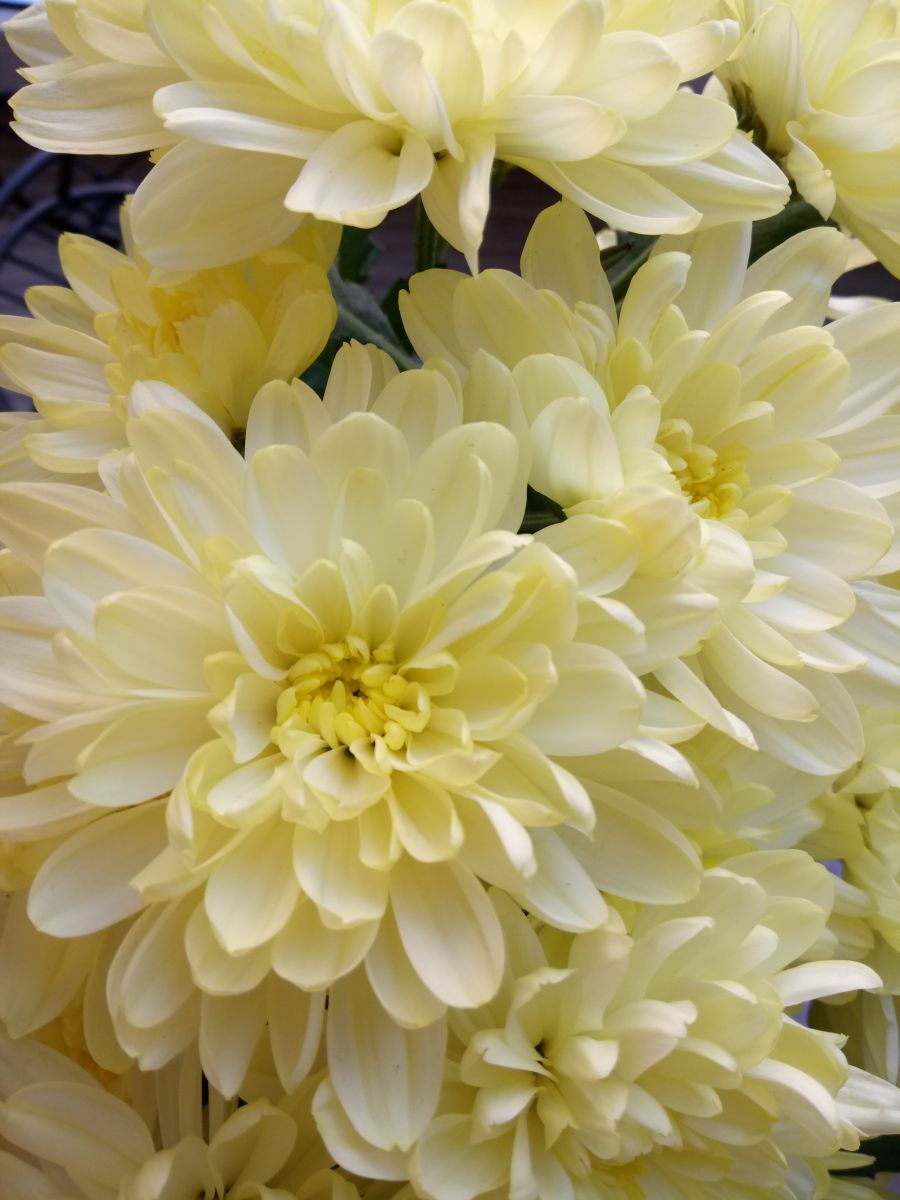
Single-flowered spray chrysanthemums are the most common «daisy» in bouquets and last 2–3 weeks in a vase. Daisy-like types include small-flowered Korean chrysanthemums and the 30 cm Arctic chrysanthemum that blooms until frost.
21. Zinnia
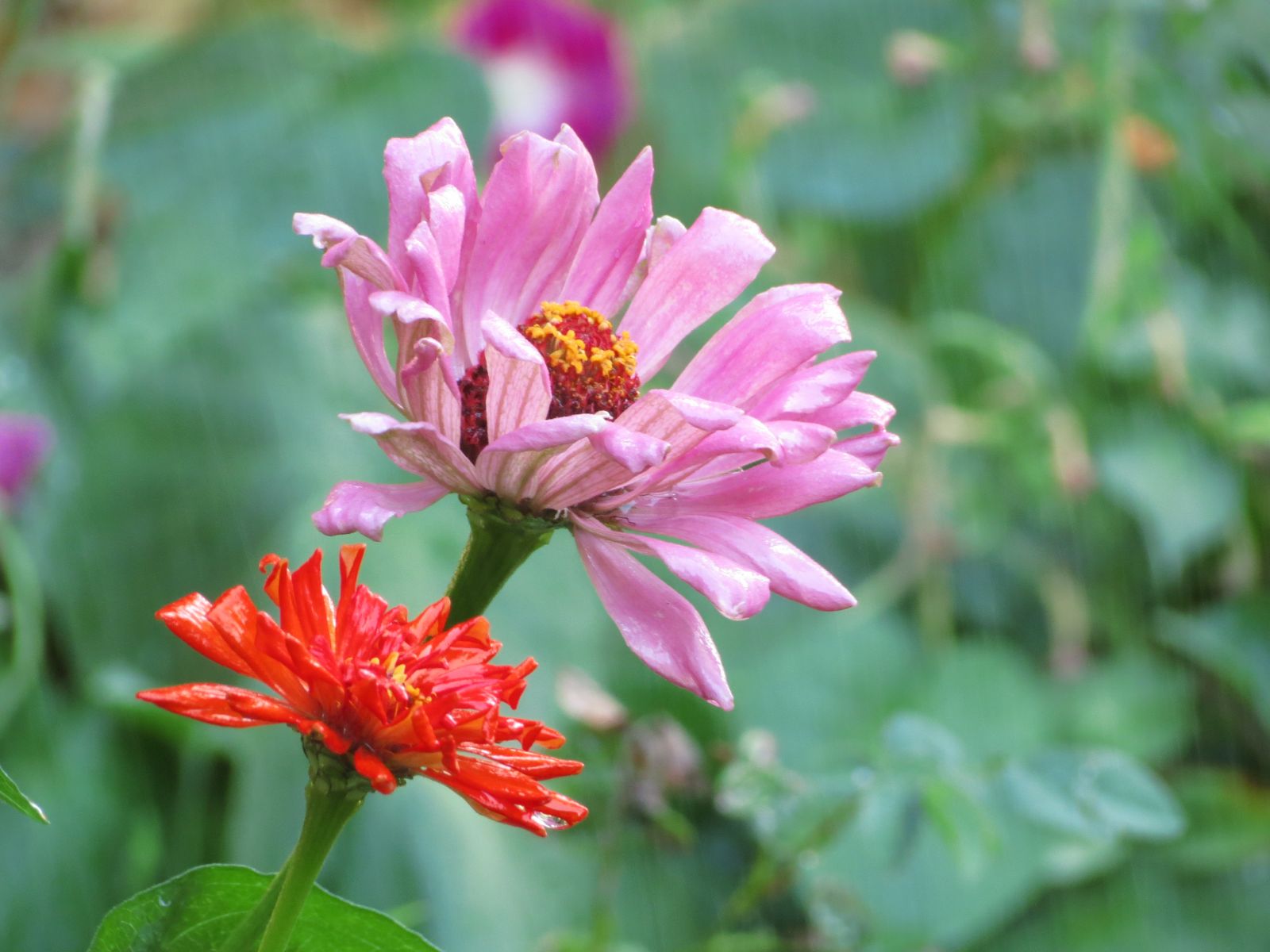
An annual 20–100 cm tall in every colour except blue; single forms look like daisies, doubles like dahlias. Loves heat and lasts well when cut.
22. Cineraria (Pericallis)
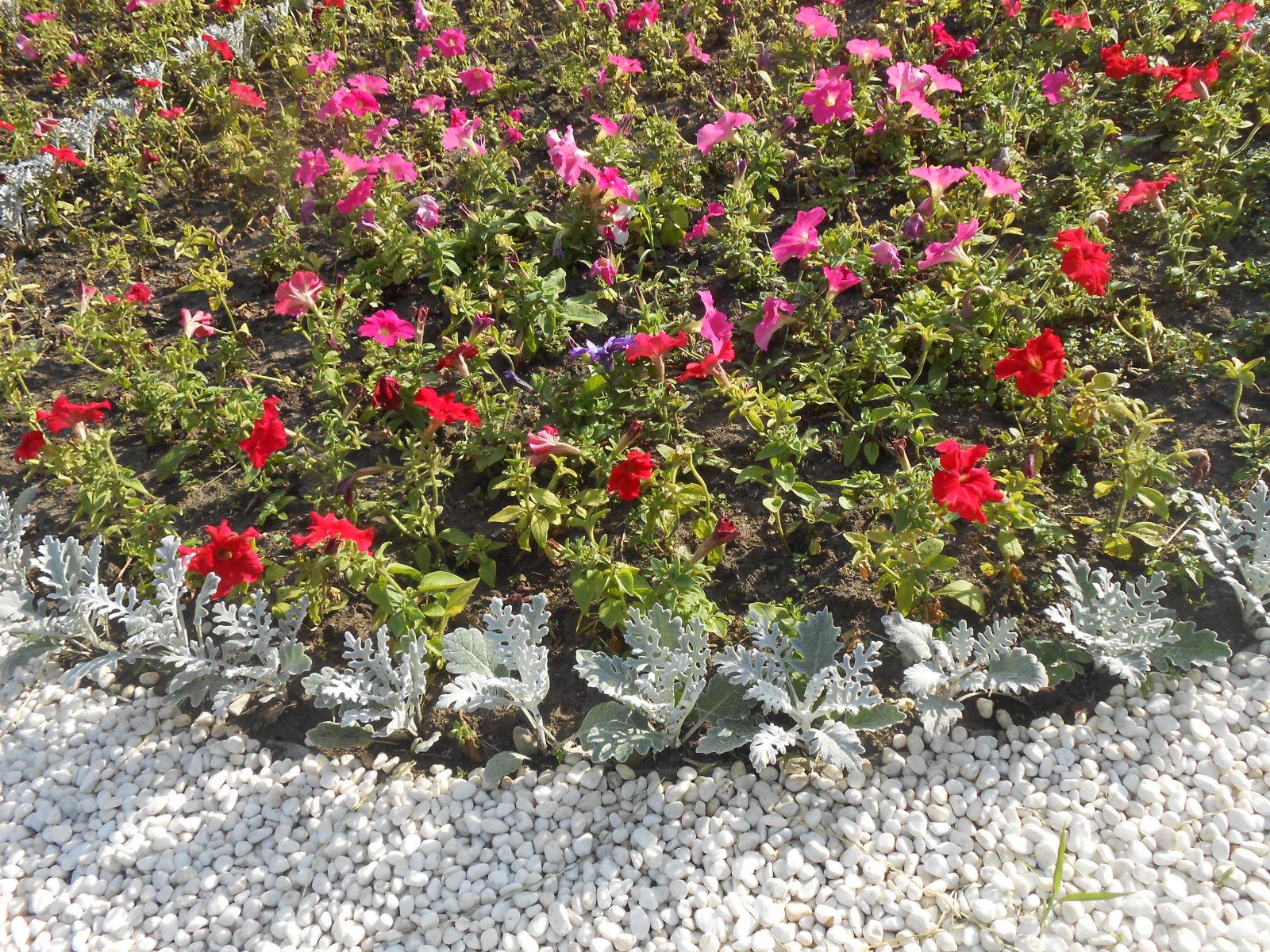
A pot plant 20–40 cm tall with a dome of small blue, purple, pink or bicoloured daisies. It blooms in winter and spring and likes cool conditions.
23. Erigeron (fleabane)
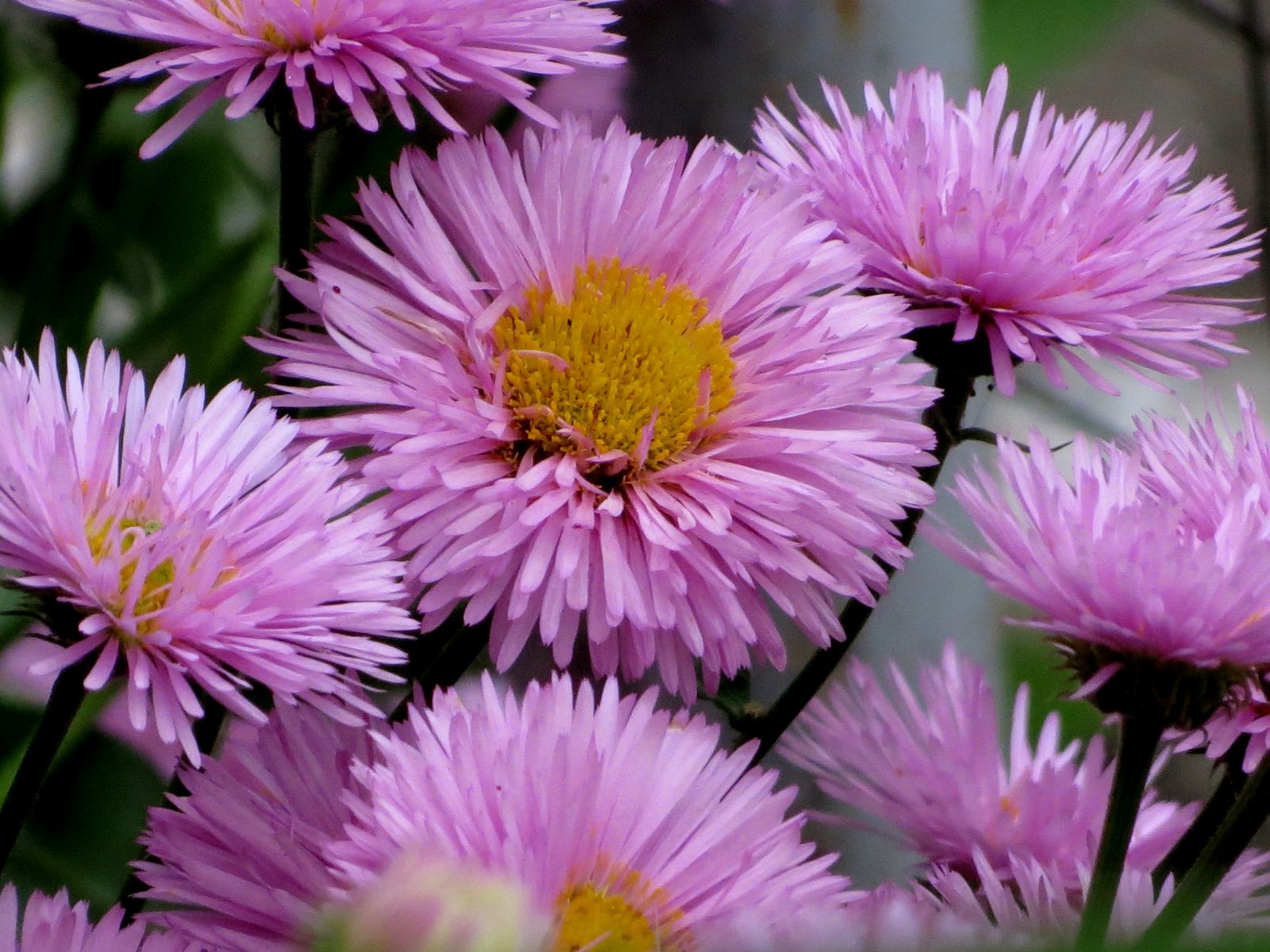
Many fine white, pink or lilac petals around a yellow centre, with flowers 2–4 cm across. A low perennial that blooms all summer.
24. Echinacea (coneflower)
.jpeg)
A domed, prickly centre and petals that droop downwards — purple, pink, white or orange. Plants 0.6–1.2 m, blooming July to September and loved by butterflies.
Daisy-like flowers by colour
- White: ox-eye daisy, Anacyclus, spray chrysanthemum, English daisy, Erigeron.
- Yellow and orange: Doronicum, rudbeckia, calendula, coreopsis, gazania, ursinia, ornamental sunflower.
- Pink and red: pyrethrum, echinacea, cosmos, zinnia, gerbera.
- Purple and blue: osteospermum, felicia, cineraria, Erigeron.

Gifting and care
Daisies stand for sincerity, youth and lightness, so a bouquet of daisies or daisy-like flowers suits almost anyone: a friend, mum, a colleague, a child or a first date. It has no strong scent and no thorns. Order daisy bouquets or spray chrysanthemums with delivery in Kyiv.
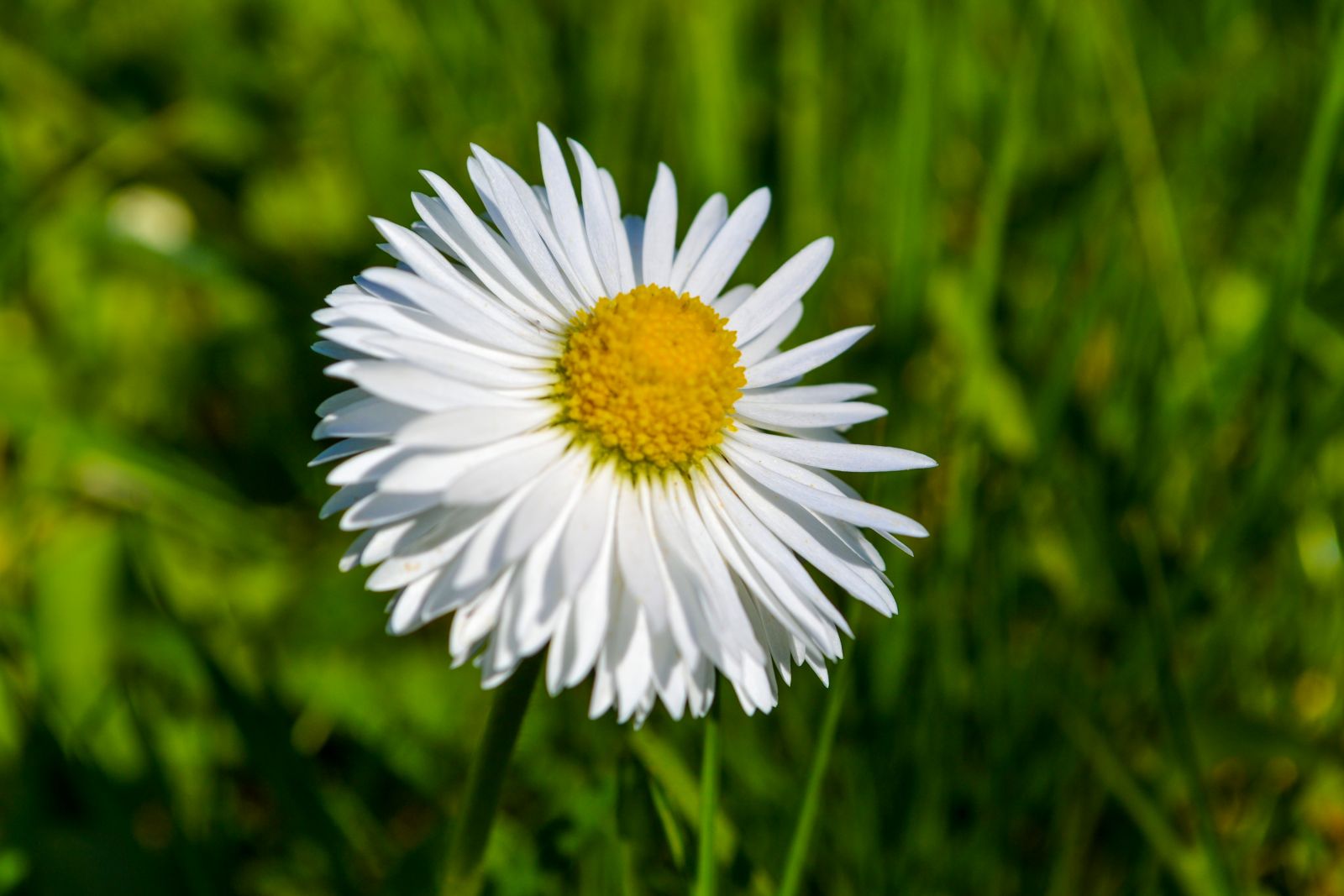
- In a vase, re-cut stems at an angle and change the water daily; chrysanthemums, rudbeckia and gerberas last longest.
- In the garden most of these plants like sun and free-draining soil; deadhead to prolong flowering.
- Tender types such as gazania, osteospermum, felicia and arctotis are grown as annuals in Ukraine.
FAQ
What is the big garden daisy called?
Usually an ox-eye or Shasta daisy (Leucanthemum). In bouquets, single-flowered spray chrysanthemums are also called daisies.
Are there blue daisies?
Not true chamomile. Blue «daisies» are felicia, cineraria or asters; purple ones are osteospermum.
How is chamomile different from ox-eye daisy?
Chamomile is small, smells herbal and has a hollow conical centre; ox-eye daisy is large, almost scentless and has a flat, solid centre.
Read also
- Wildflowers of Ukraine: 47 species
- The language of flowers: 50 meanings
- Types of flowers: names and photos

View full-size photo
Author: Maria Svitlovir
Graduated from Taras Shevchenko National University of Kyiv, Institute of Biology and Medicine (2001). BSc in Biology, MSc in Horticulture. Writes about plants, works at a garden centre selecting and repotting plants, and contributes to plant reference guides.