
 Birthday
 Hydrangeas
Goji berries became fashionable as a “superfood”, yet the plant that bears them has long grown in Ukraine too — it is the wolfberry. This undemanding thorny shrub is easy to grow in a garden. Here is how, and what science really says about the berries.
Gifts for a gardener: potted plants and flower baskets.
What the plant is
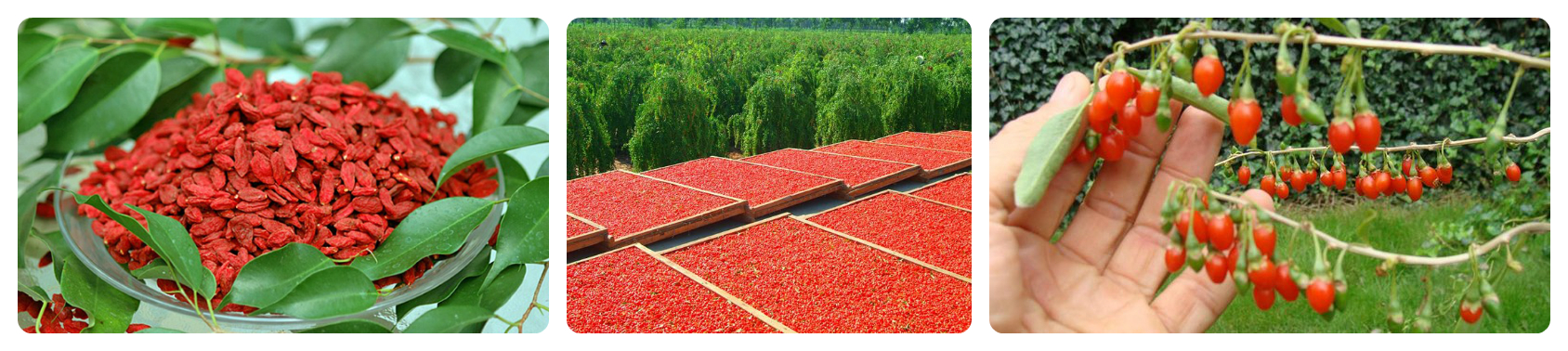
Wolfberry (Lycium barbarum) is a deciduous shrub in the nightshade family, up to 2–3 metres tall with arching, thorny shoots. In summer it bears small purple flowers, and from late summer elongated bright red berries ripen. It is drought-tolerant, frost-hardy and copes with poor soil; in Ukraine it often grows wild along roads and on slopes.
Seasonal calendar
.jpg)
Planting and care
- Site. Sun and light, well-drained soil; waterlogging is harmful.
- Planting. In spring or autumn, 1.5–2 m apart.
- Pruning. In early spring remove old and crowding branches and shorten shoots to encourage branching.
- Suckers. Goji spreads vigorously by root suckers — remove the extras or the shrub will take over.
- Propagation. Easy from cuttings or suckers.
.jpg)
The truth about the “superberry”
Goji berries are rich in carotenoids, notably zeaxanthin, and contain fibre and vitamin C. But claims of miraculous healing effects are not supported by science — they are simply a healthy berry like many others. Note that goji may interact with the anticoagulant warfarin, so anyone taking such medication should consult a doctor.
Harvesting and storage
Pick the berries when fully red, shaking them onto a cloth or cutting whole clusters to avoid crushing them. Eat them fresh or dry them in the shade at a low temperature.
.jpg)
Discover other unusual fruit plants in persimmon and coffee plant care, and gentle feeding in natural fertilisers.
FAQ
Does goji need a pollinator?
Most varieties are self-fertile, but several shrubs usually give a bigger crop.
When does goji start fruiting?
Usually in the second or third year after planting.

View full-size photo
Author: Maria Svitlovir
Graduated from Taras Shevchenko National University of Kyiv, Institute of Biology and Medicine (2001). BSc in Biology, MSc in Horticulture. Writes about plants, works at a garden centre selecting and repotting plants, and contributes to plant reference guides.


