
 Birthday
 Hydrangeas
This article was prepared with the support of UFL flower delivery. Avocado (Persea americana) is an evergreen tree of the laurel family native to Mexico and Central America. In the wild it reaches 15–20 m, while indoors a pit grows into an ornamental tree 1–2 m tall with large glossy leaves. Even a beginner can do it; the main thing is patience.
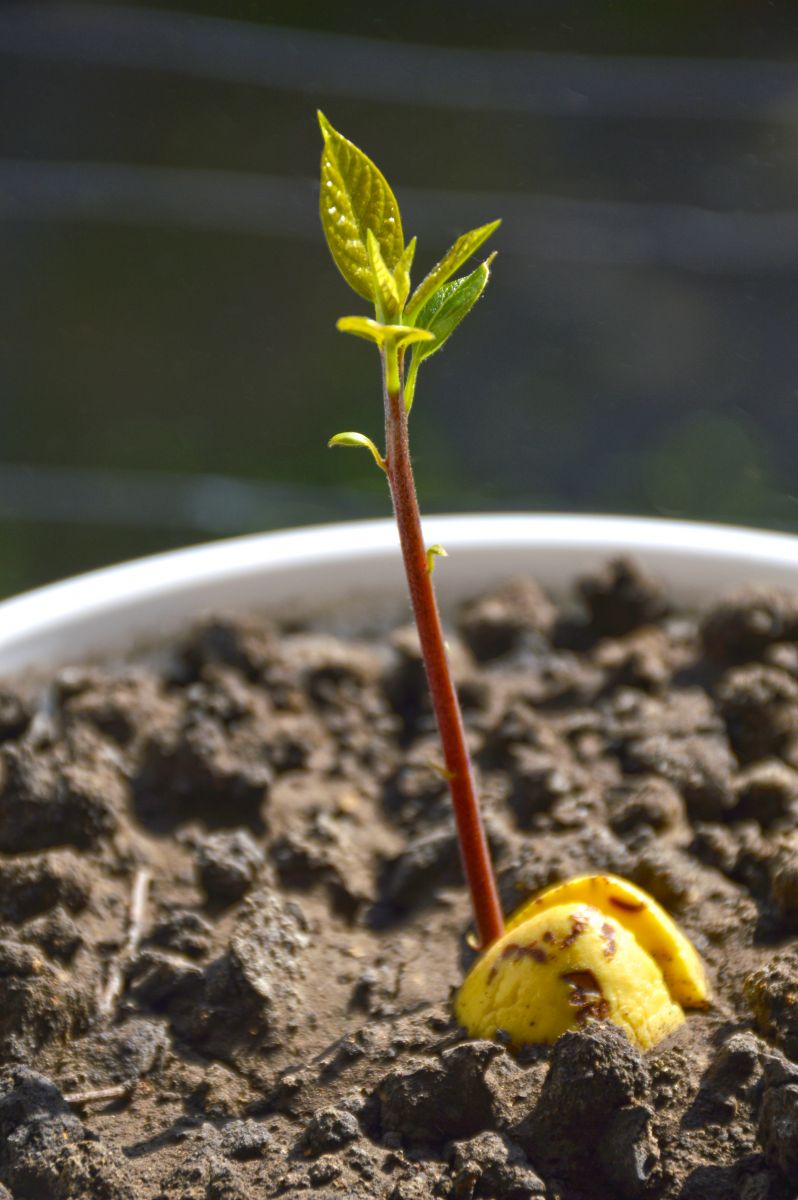
How to sprout an avocado pit
Method 1: in water
- Take the pit from a ripe fruit, rinse off the flesh and keep the brown seed coat intact (you do not have to peel it).
- Find the bottom, the broader and blunter end. Push 3 toothpicks into the sides, 3–5 mm deep.
- Rest the pit on a glass so that water covers the bottom third.
- Keep it warm (20–25 °C) and in bright light without direct sun, and change the water every 3–5 days.
- After 2–8 weeks the pit splits, a root appears at the bottom and then a shoot at the top.
Method 2: straight into soil
Plant the pit broad end down with the top third above the surface and keep the soil slightly moist. Sprouting takes about as long, but the plant avoids transplant stress. Spring is the best time to start, although a pit will sprout in warmth all year round.
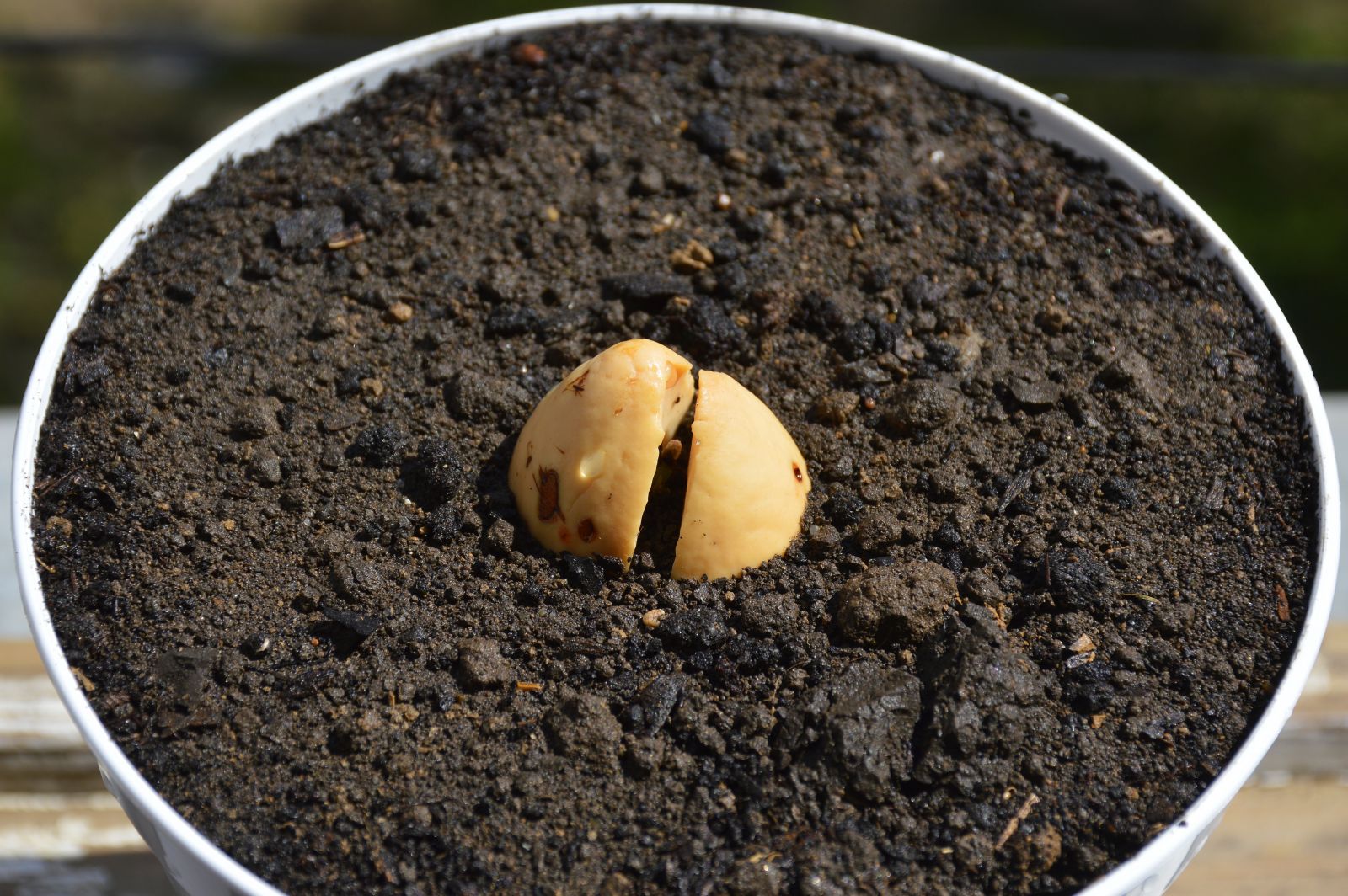
Potting and soil
When the root reaches 5–7 cm, move the pit to a 12–15 cm pot with drainage holes and a drainage layer. Use shop-bought houseplant compost with added perlite, or a mix of peat, leaf mould and sand. Leave one third of the pit above the surface. Do not keep it under plastic for long, because rot develops easily in stale air.
Avocado care at home
| Factor | What it needs |
|---|---|
| Light | Bright, indirect light for 10–12 hours; a grow light in winter. Direct midday sun scorches young leaves. |
| Temperature | 20–25 °C in summer, 16–20 °C in winter, not below 12 °C. No draughts or cold glass. |
| Watering | In spring and summer when the top 2 cm are dry, less in winter. Never leave water standing in the saucer. |
| Humidity | 50–60%: a tray of wet pebbles, a humidifier or misting with soft water. |
| Feeding | Every 2–3 weeks from March to September with a balanced fertiliser, none in winter. |
| Repotting | Every spring for the first 3–4 years into a pot 3–5 cm wider, then every 2–3 years. |
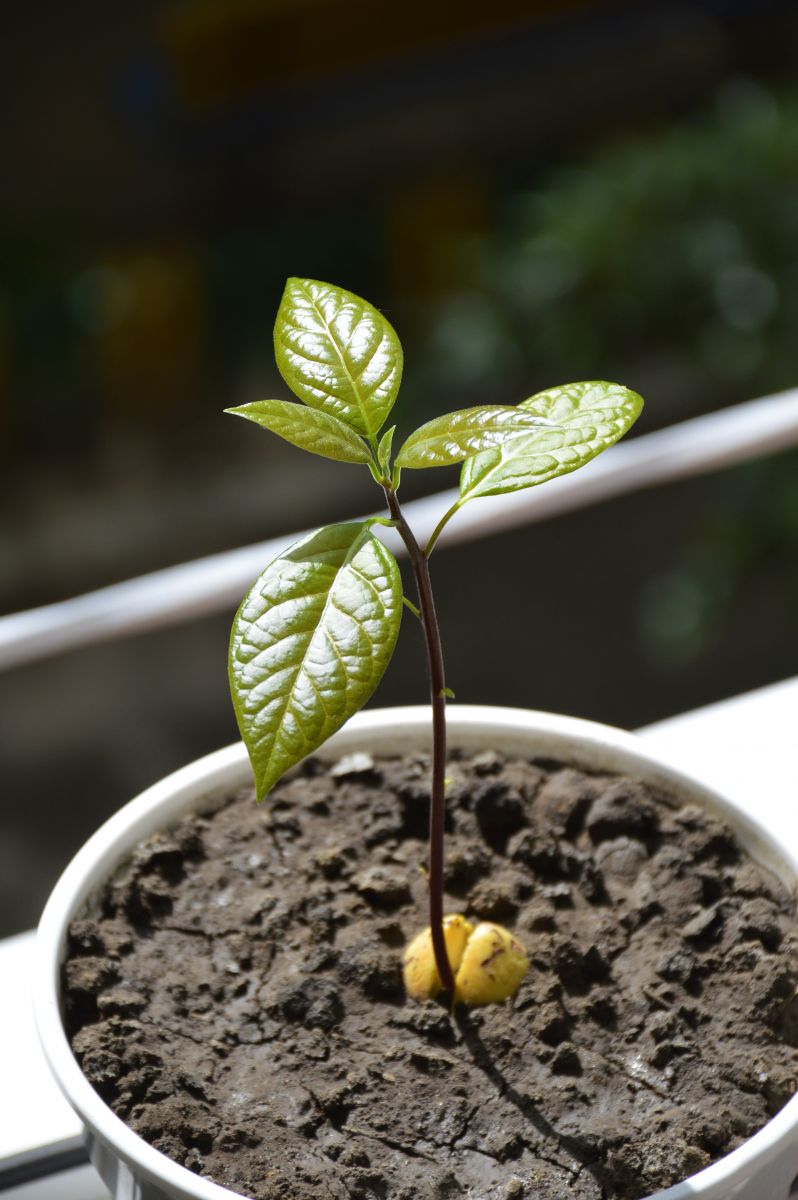
Shaping the tree
Without pruning an avocado grows up as a single bare stem. When it reaches 25–30 cm, pinch out the tip above 2–3 leaves to trigger side shoots, and pinch those after 5–6 leaves. You can also plant 2–3 seedlings in one pot and braid the stems.
Common problems
- Brown leaf tips: dry air, salts in the water or overwatering.
- Leaf drop: draughts, cold or a sudden move; the plant usually recovers.
- Pale leaves, leggy stem: not enough light.
- Pests: spider mites, scale insects, thrips. Check the undersides of leaves and treat with an insecticide if needed.
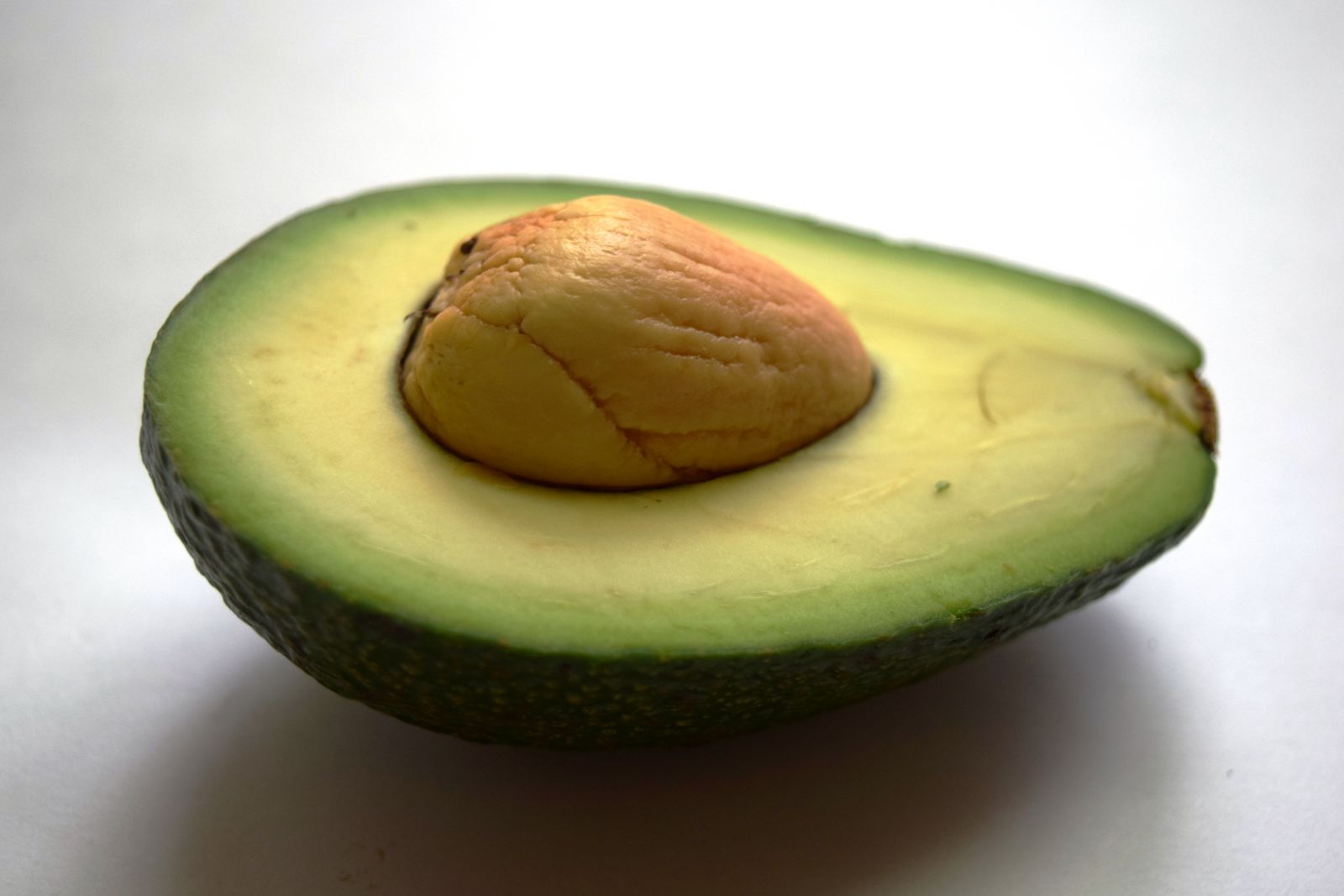
Will it bear fruit?
Honestly, almost never in a flat. A seedling flowers after 5–15 years, fruiting needs a big tree, lots of light and a cool winter, and fruit from a pit does not come true to the parent variety. Avocado flowering is also unusual: each flower opens twice, first as female and then as male, so orchards plant two flower types for a good crop. Grow your avocado as an ornamental plant, and treat any flowering as a bonus.
Important: the leaves, skin and pit contain persin, which is dangerous for birds, rodents, rabbits and horses. Cats and dogs should not chew the plant or the pit either.
Avocado nutrition: the facts
| Nutrition per 100 g of flesh (USDA) | |
|---|---|
| Energy | 160 kcal |
| Fat | 14.7 g (mostly monounsaturated, oleic acid) |
| Carbohydrate / fibre | 8.5 g / 6.7 g |
| Protein | 2 g |
| Potassium | 485 mg |
| Folate | 81 µg |
| Vitamin K | 21 µg |
| Vitamin E | 2.1 mg |
| Vitamin C | 10 mg |
Avocado is a nutritious food: healthy fats, fibre, potassium (more than a banana) and folate. Its fats help the body absorb fat-soluble nutrients such as carotenoids from a salad, and replacing saturated fats with monounsaturated ones supports healthy cholesterol levels. It is also high in calories, so a sensible portion is a third to half a fruit. Bold promises about curing cancer or preventing cataracts are not backed by research. People with a latex allergy should be careful because cross-reactions are possible.
FAQ
Why won't my pit sprout?
Pits from unripe or refrigerated fruit often fail to germinate. Try 2–3 pits at once and keep them warm.
Can I put my avocado outside?
For the summer, yes, in a pot on a terrace in partial shade. It cannot survive frost, so bring it indoors in autumn before nights drop to 10 °C.
How can I make it grow faster?
More light and warmth, regular feeding in spring and summer and timely repotting.
Love plants at home? Choose ready-made houseplants with delivery from UFL, a great gift for yourself or someone close.

View full-size photo
Author: Maria Svitlovir
Graduated from Taras Shevchenko National University of Kyiv, Institute of Biology and Medicine (2001). BSc in Biology, MSc in Horticulture. Writes about plants, works at a garden centre selecting and repotting plants, and contributes to plant reference guides.


