
 Birthday
 Hydrangeas
Even the freshest bouquet lasts noticeably longer if you prepare the flowers properly in the first few hours and then give them a couple of minutes a day. Here is a clear routine: what to do right after you get the bouquet, how to care for it daily and what the popular flowers need.
Fresh flowers delivered: chrysanthemums and red roses.
The first hours
- Do not rush to unwrap it if the bouquet comes with a water pack or floral foam: get it home first and then decide whether to keep the arrangement as it is.
- Prepare the vase. Wash it with detergent: bacteria left from the last bouquet clog the stems of new flowers.
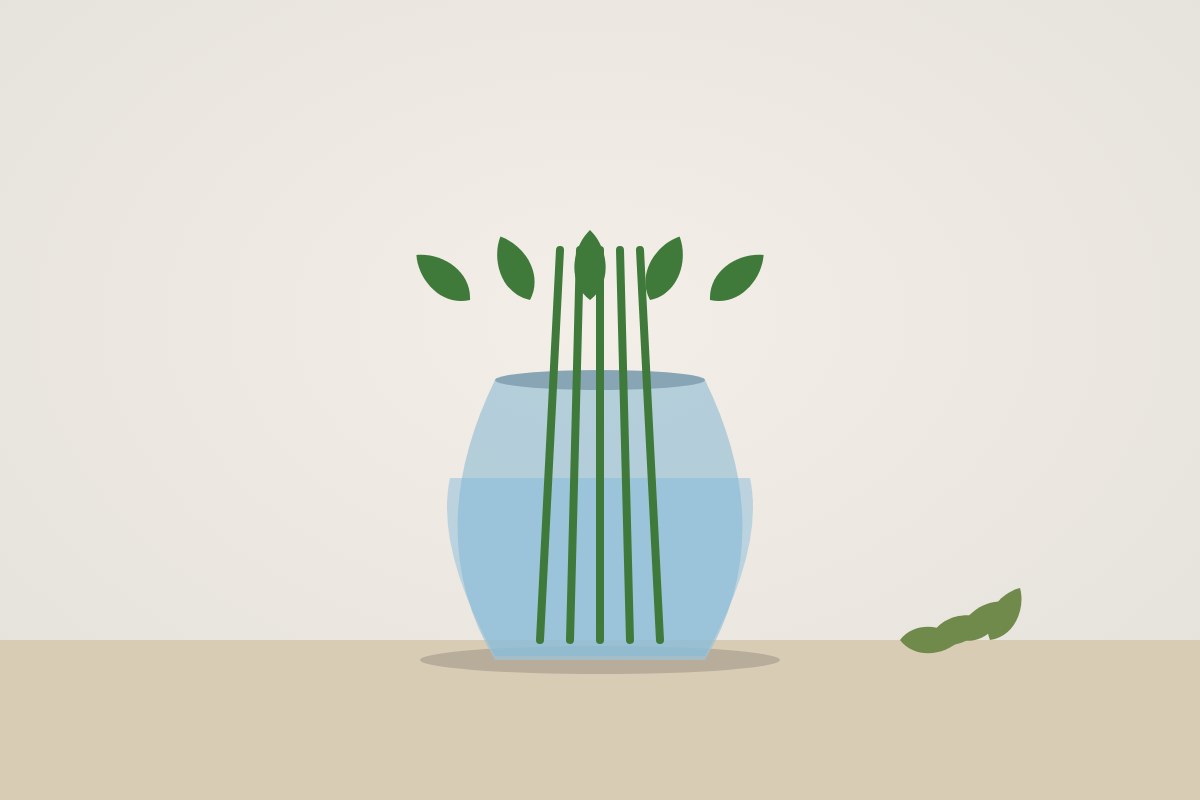
- Strip the lower leaves: anything below the waterline will rot.
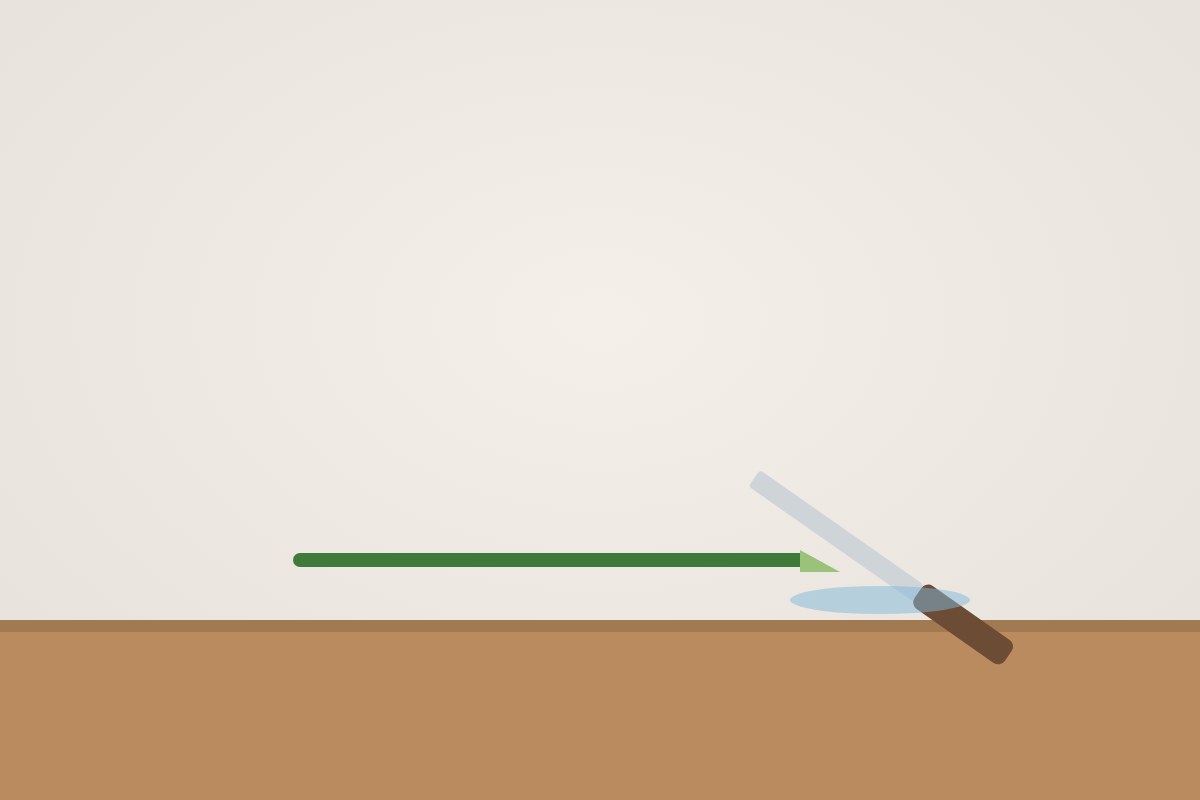
- Trim the stems by 2–3 cm at an angle with a sharp knife or secateurs. The cut surface is larger and the stem does not sit flat on the bottom.
- Straight into water. Most flowers like clean, room-temperature water; fill the vase half to two-thirds full.
Daily care
- Change the water every 1–2 days and rinse the vase.
- Re-trim the stems by 1–2 cm every 2–3 days.
- Use the cut-flower food that often comes with a bouquet: it feeds the flowers and keeps bacteria down. Home tricks such as aspirin or a coin are unreliable.
- Remove faded flowers and leaves before they spoil the water.
Where to keep a bouquet
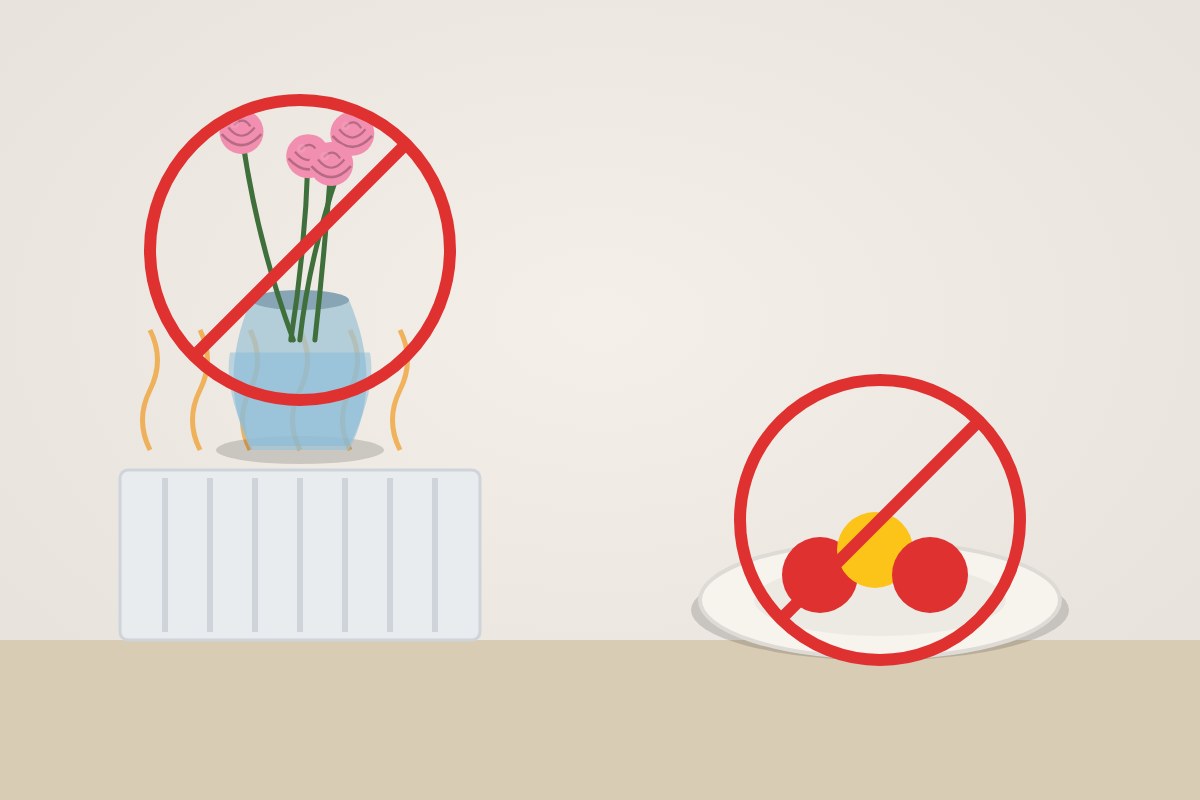
Place the vase away from direct sun, hot radiators and draughts. Keep it away from fruit: ripening apples, pears and bananas release ethylene, which makes many flowers fade faster. At night you can move the bouquet to a cooler room.
Tips for different flowers
- Roses. Remove the outer guard petals if they have darkened. A drooping rose can often be revived: recut the stem and stand it in deep, cool water for a few hours.
- Tulips. They keep growing in the vase and bend towards the light. They like cool water and a shorter vase; turn the vase to keep the stems straighter.
- Chrysanthemums. Among the longest-lasting flowers, often 2–3 weeks. Strip their leaves carefully, as they foul the water quickly.
- Hydrangeas. They lose water fast through the flower heads. If one wilts, submerge the whole head in cool water for an hour or two.
- Daffodils. Their sap harms other flowers, so condition them on their own first; see “Daffodils”.
- Branches and woody stems (lilac, hydrangea, cherry blossom). As well as an angled cut, split the end of the stem by 2–3 cm.
Arrangements in foam and baskets
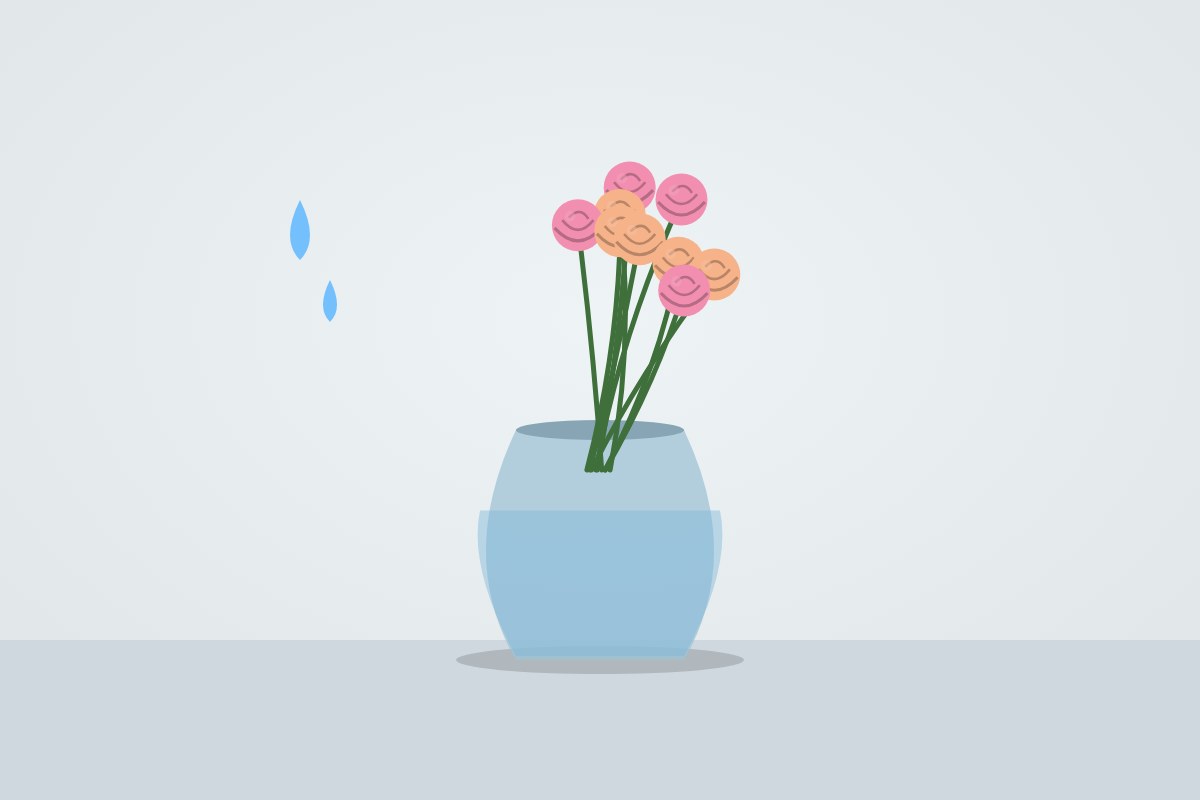
If the flowers are arranged in floral foam (in a basket, box or on a stand), do not replace the water, top it up: the foam must stay moist. Check it every day, especially in a warm room.

Common mistakes
- Using a dirty vase or old water from previous flowers.
- Snapping stems by hand or cutting them with blunt scissors, which crushes them.
- Leaving leaves in the water.
- Putting the vase on a sunny windowsill or next to a radiator.
FAQ
Should I add sugar to the water?
Without an antibacterial component, sugar mostly feeds bacteria. Ready-made cut-flower food works better.
How long do cut flowers last?
It depends on the type and freshness: chrysanthemums and alstroemerias up to 2–3 weeks, roses and carnations about a week or longer, tulips, freesias and gerberas 5–10 days. For freesia care see “Freesia”.

View full-size photo
Author: Maria Svitlovir
Graduated from Taras Shevchenko National University of Kyiv, Institute of Biology and Medicine (2001). BSc in Biology, MSc in Horticulture. Writes about plants, works at a garden centre selecting and repotting plants, and contributes to plant reference guides.


