
 Birthday
 Hydrangeas
We're used to admiring roses and tulips, but vegetable gardens have fascinating flowers too: big yellow pumpkin trumpets, delicate watermelon blossoms, lilac potato stars and corn tassels. How these crops flower also directly affects your harvest. Here's how watermelons, melons, cucumbers and courgettes flower, how male and female flowers differ, why you get lots of male flowers and how to help pollination.
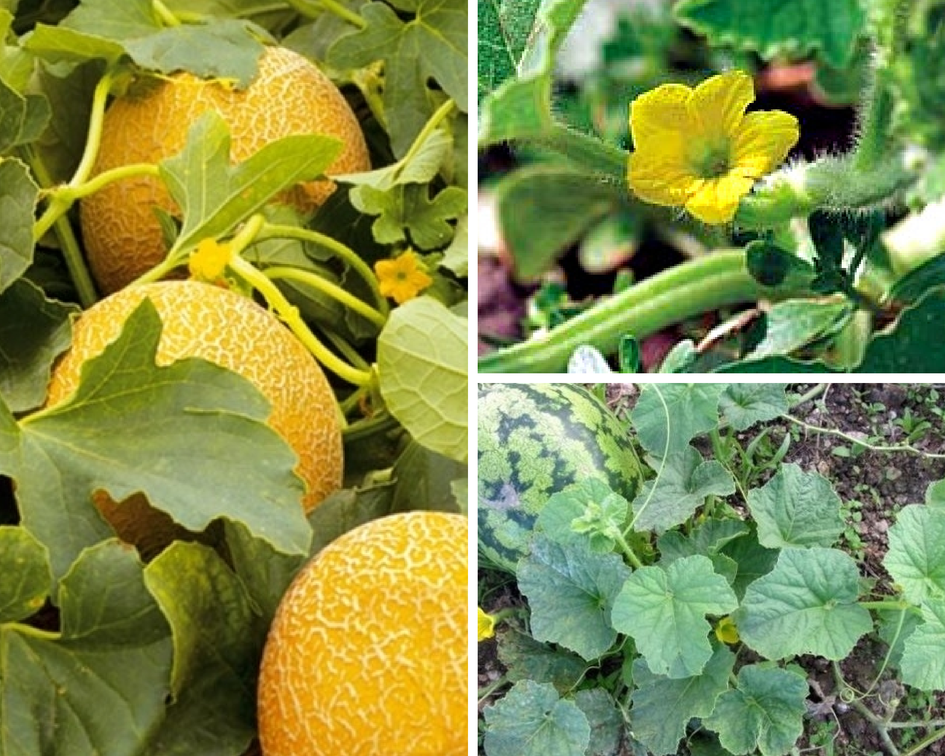
How watermelons, melons, cucumbers and courgettes flower
Watermelon, melon, cucumber, courgette and pumpkin all belong to the gourd family and flower in a similar way. Most varieties produce two types of flower on the same plant — male and female. Some watermelon and melon varieties also have bisexual flowers alongside the male ones.
- Male flowers appear first and in greater numbers. They sit on a thin stalk and carry pollen-bearing stamens. They don't produce fruit.
- Female flowers are easy to spot: right behind the petals there's an ovary — a tiny watermelon, melon or cucumber. In the centre is the stigma, which needs to receive pollen.
Watermelon flowers are pale or lemon yellow, 2–3 cm across; melon flowers are bright yellow; courgette and pumpkin flowers are huge orange-yellow bells. Each flower opens for just one day, usually in the morning, and closes by midday. If no pollen reaches the stigma in that time, the tiny fruit yellows and drops.
How to help pollination
- Attract bees by planting dill, phacelia, calendula, marigolds or borage nearby.
- Hand-pollinate if there are few insects or plants grow under cover: in the morning pick a male flower, remove its petals and touch the stamens to the stigma of a female flower. A soft brush works too.
- Choose parthenocarpic cucumber hybrids for greenhouses — they set fruit without pollination.
Why lots of male flowers and few female ones?
A few male-only flowers at the start are normal — male flowers always come first. If female flowers still don't appear, the usual reasons are:
- Heat above 30 °C or cold nights — pollen becomes sterile and female flowers don't form.
- Too much nitrogen — the plant grows leaves at the expense of flowers. Feed with phosphorus and potassium instead.
- Crowding and lack of light.
- Variety traits. Many melons and older cucumber varieties produce female flowers mainly on side shoots, so the main stem is pinched out after the 4th–5th leaf.
Male courgette and pumpkin flowers don't go to waste: they're edible — stuff them with cheese, fry them in batter or add them to salads. Pick them but leave a few for pollination.
How potatoes flower
A potato field in bloom is a pretty sight: clusters of white, pink or purple flowers with bright yellow centres rise above the leaves — potatoes are relatives of tomatoes and aubergines in the nightshade family. After flowering some varieties form green berries that look like tiny tomatoes. Don't eat them: they contain toxic solanine. Read about other plants that need care in our article on poisonous plants of Ukraine.
How corn flowers
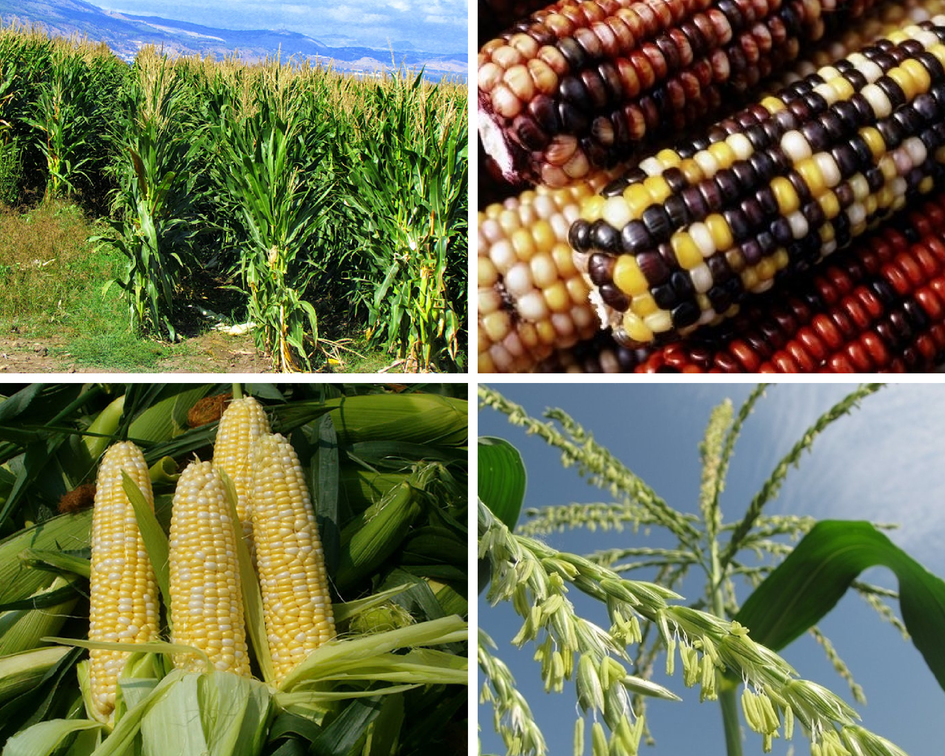
Corn has separate male and female flowers on the same plant. At the top is the male tassel, from which the wind carries pollen. Lower down, in the leaf axils, are the future cobs with long silks hanging out. Each silk leads to one kernel, and if it doesn't receive pollen the cob will have a gap. That's why corn is planted in a block of several short rows rather than one long row — wind pollination is more reliable.
Ornamental kale — for beds and bouquets
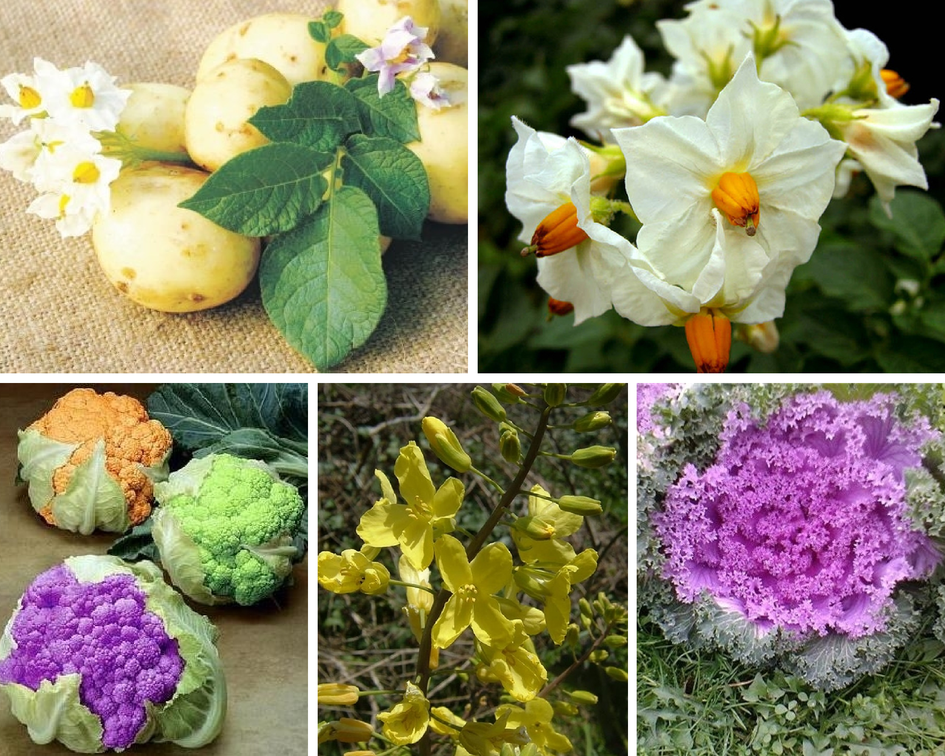
Ornamental kale isn't a flower in the botanical sense but a rosette of leaves — yet it looks like a giant rose or peony in white, cream, pink, magenta or purple, with smooth or frilly leaves. Its colours intensify after the first frosts, so it brightens beds until late autumn. Florists use it in autumn bouquets too, alongside chrysanthemums, dried flowers and berries.
Vegetables in bouquets
If your vegetable patch delights you as much as flowers do, try an edible gift — here's a step-by-step guide to making a DIY vegetable bouquet. And our article on fruit and vegetables by colour will help with a colour palette for the garden and the table.
FAQ
How can I tell a female watermelon flower from a male one?
The female flower has an ovary behind the petals — a small green ball that looks like a tiny watermelon. The male sits on a thin stalk without one.
Should I remove male flowers?
No — without male flowers there's no pollination. There's no need to remove them en masse, though you can pick some courgette flowers for the kitchen.
How long does a watermelon flower last?
Just one day — it opens in the morning and closes by midday.

View full-size photo
Author: Maria Svitlovir
Graduated from Taras Shevchenko National University of Kyiv, Institute of Biology and Medicine (2001). BSc in Biology, MSc in Horticulture. Writes about plants, works at a garden centre selecting and repotting plants, and contributes to plant reference guides.


