
 Birthday
 Hydrangeas
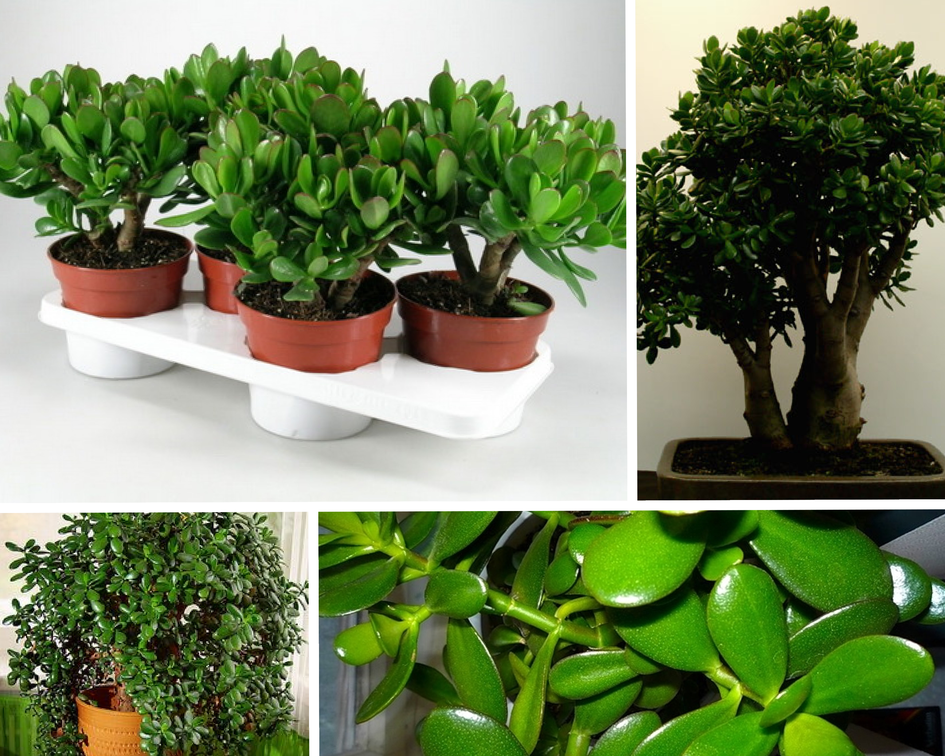
This article was prepared with the support of UFL flower delivery. The jade plant, or money tree (Crassula ovata), is one of the most popular houseplants. Its round, fleshy leaves look like coins, so it's seen as a symbol of prosperity. It's undemanding and lives for decades, but rarely flowers indoors — though with the right care it can.
About the plant
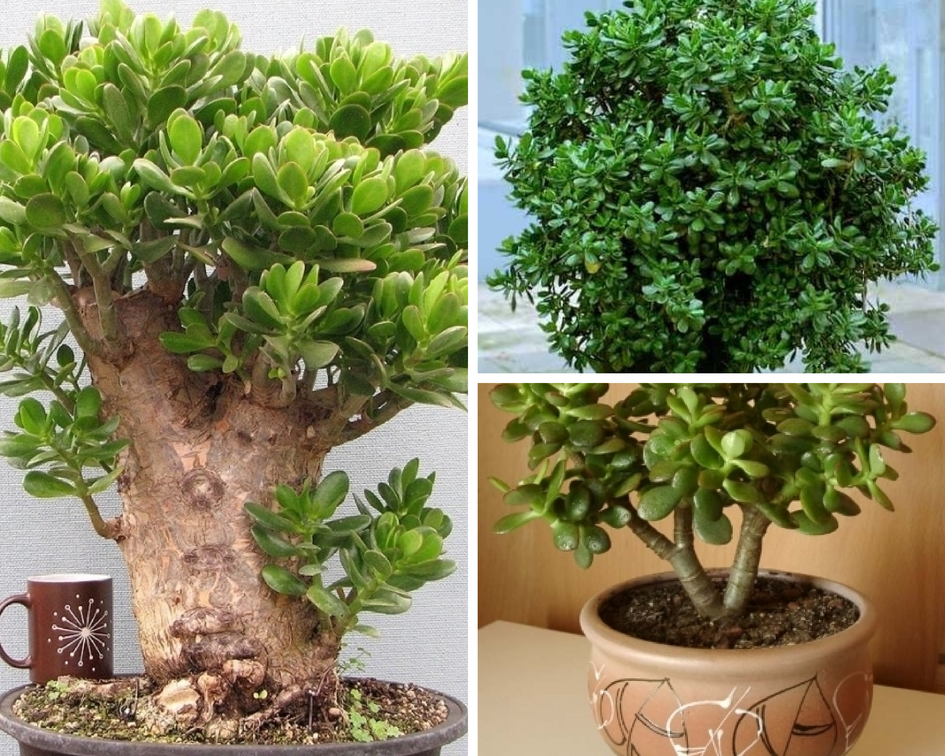
The jade plant is a succulent in the stonecrop family (Crassulaceae) from South Africa. In the wild it's a shrub up to 2–3 m tall with a thick woody trunk. Its leaves store water, so it copes easily with drought but suffers from overwatering. The roots are shallow and the crown heavy, so it needs a stable, preferably ceramic, pot.
Common varieties include Crassula ovata and its cultivars 'Hobbit' and 'Gollum' with tubular leaves, 'Sunset' with red edges and variegated forms, plus silver jade (C. arborescens) with blue-grey leaves.
How a jade plant flowers
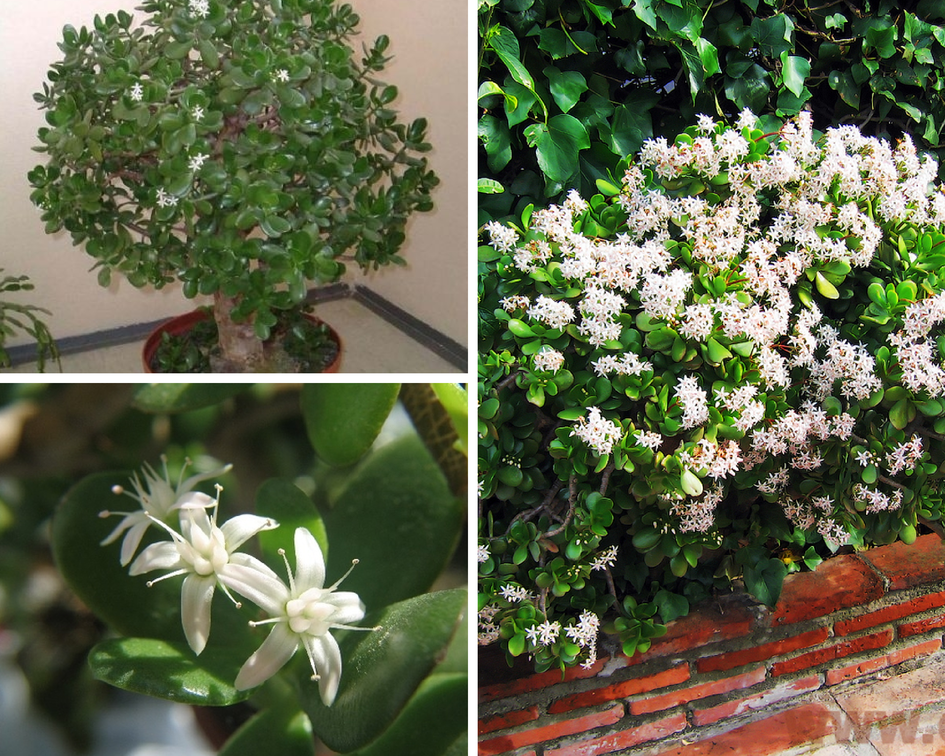
A mature plant flowers in late autumn or winter. Clusters of tiny star-shaped flowers — white or pale pink with a light sweet scent — appear at the tips of the stems. Flowering lasts 2–4 weeks, and the plant looks festive and completely transformed.
Care through the year
How to make a jade plant flower
- Maximum sun. In spring and summer keep it in a south or west window, and outdoors on a balcony or in the garden from May to September. Introduce it to strong sun gradually to avoid scorching.
- Correct watering. In summer, when the compost has dried out completely (usually every 7–10 days); in autumn and winter, every 3–4 weeks. Never leave water in the saucer.
- A cool autumn. From October keep it at 10–15 °C — on a glazed balcony or cool windowsill. Cool temperatures and short days trigger bud formation.
- No feeding in winter. Feed monthly from April to August with a cactus and succulent fertiliser, then stop.
- Don't move the plant once buds appear.
- Patience. A jade plant grown from a cutting usually flowers after 5–7 years at the earliest.
Basic care
| Factor | What it needs |
|---|---|
| Compost | Cactus and succulent mix with coarse sand or perlite; drainage is essential. |
| Pot | Wide, shallow and heavy so the tree doesn't topple. |
| Repotting | Every 2–3 years in spring, into a slightly larger pot. |
| Shaping | Pinch out tips in spring for a dense crown and thicker trunk. |
| Propagation | From a leaf or stem cutting: let the cut dry for 1–2 days, then plant in dry sandy compost. |
Folklore and feng shui
Folk belief links the money tree with wealth: it's placed in the "wealth corner" (the south-east of a room), coins are tucked under the pot, and it's said to work best grown from a cutting taken from a successful person. Flowering is seen as a sign of profit. None of this is scientific, but a healthy, lush plant certainly makes a home feel good.
Safety
Jade plant is considered mildly toxic to cats and dogs: eating the leaves can cause vomiting and lethargy. Keep it out of pets' reach.
FAQ
Why won't my money tree flower?
Usually because of a warm winter, too little light or its young age.
Why is my jade plant dropping leaves?
Mostly overwatering or cold water; less often drying out in summer or draughts.
What should I do after flowering?
Cut off the spent flower heads, resume normal watering in spring and repot if the pot is crowded.
A money tree makes a great housewarming or new-business gift. Browse houseplants with delivery from UFL.

View full-size photo
Author: Maria Svitlovir
Graduated from Taras Shevchenko National University of Kyiv, Institute of Biology and Medicine (2001). BSc in Biology, MSc in Horticulture. Writes about plants, works at a garden centre selecting and repotting plants, and contributes to plant reference guides.