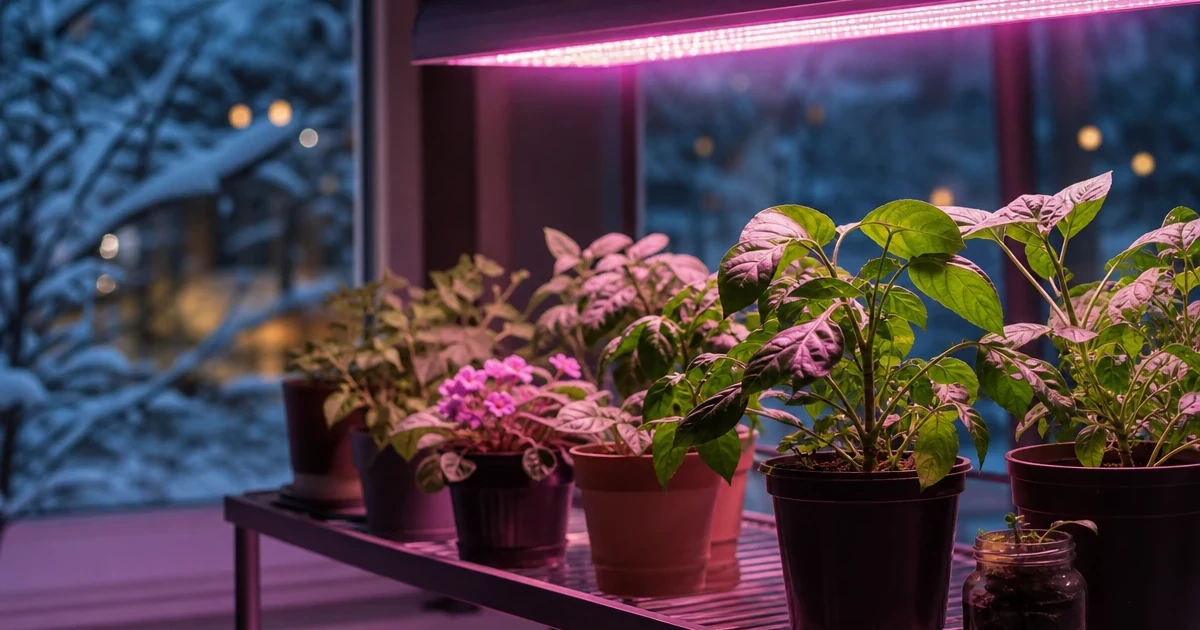
This article was prepared with the support of UFL flower delivery. We're usually told to protect houseplants from direct sun, and many of us have lost more than one plant on a scorching windowsill. But some plants languish without sun: they stretch, turn pale and refuse to flower. Here's which houseplants love the sun, how to recognise them and how to care for them on a south-facing window.
Sun lovers often give themselves away by their looks:
Thin, large, soft leaves, by contrast, usually point to a forest plant that will burn in direct sun.
| Plant | Notes |
|---|---|
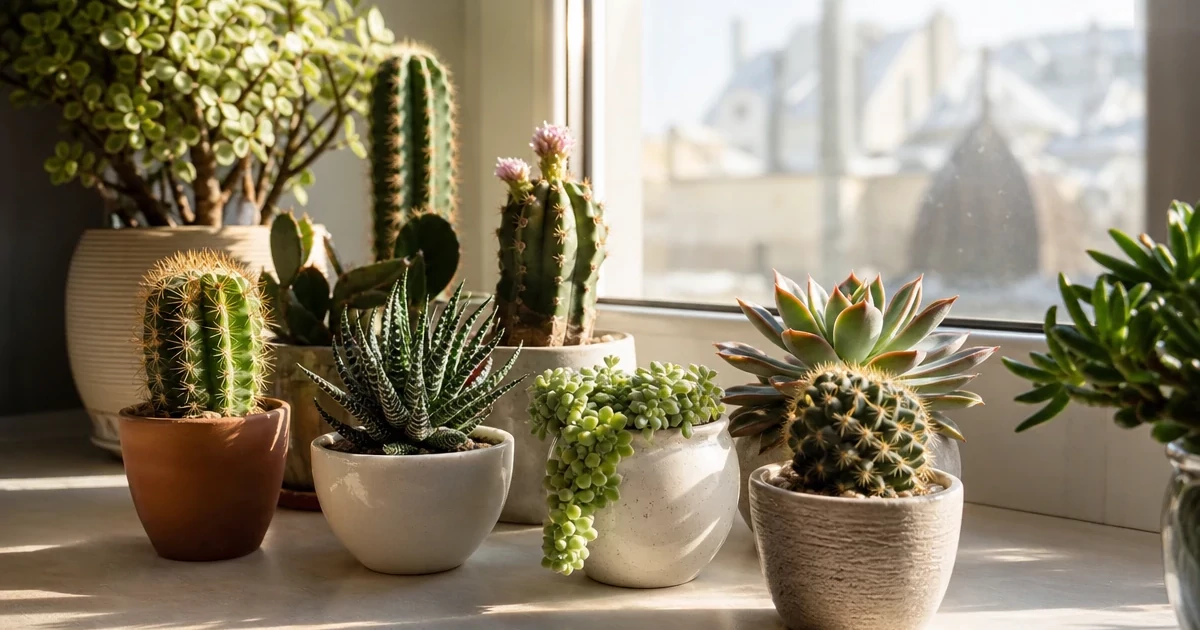
| Cacti | Champion sun lovers. With bright light and a cool winter, many flower profusely. |
| Aloe | Tolerates direct sun; water sparingly, once the soil has dried out completely. |
| Jade plant (Crassula, money tree) | In sun the leaf edges turn red and the plant stays compact. |
| Echeveria, sedum, kalanchoe | Succulents that stretch and lose colour in shade. |
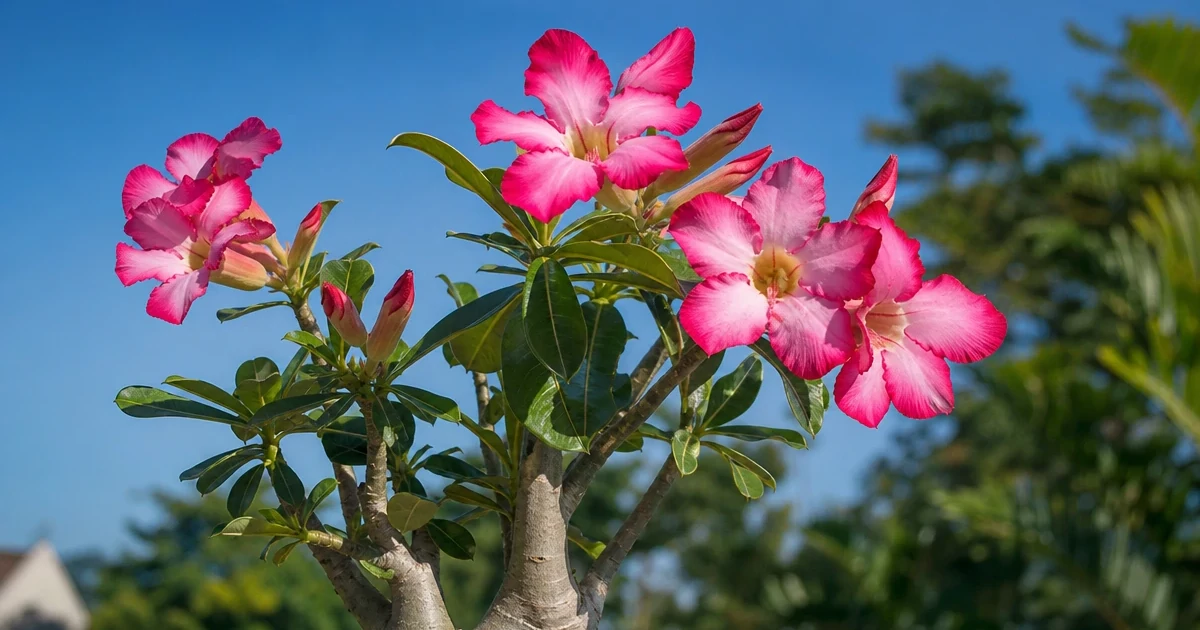
| Adenium | The "desert rose" flowers only with maximum sun and warmth. |
| Crown of thorns (Euphorbia milii) | A spiny shrub with bright bracts that flowers nearly all year. |
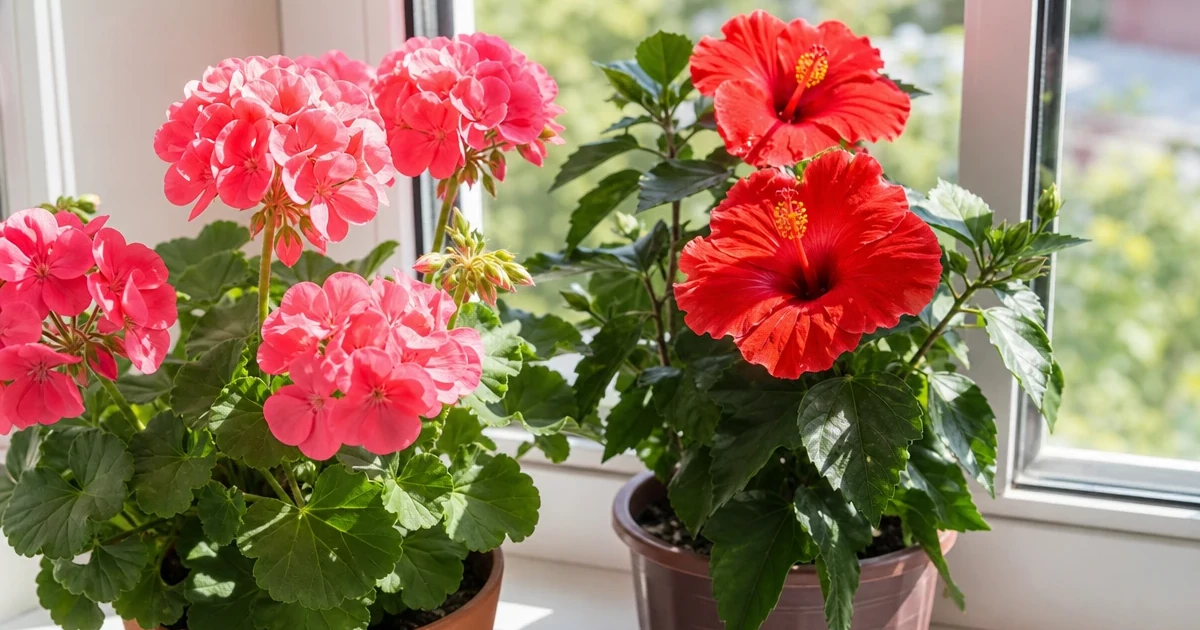
| Pelargonium (geranium) | On a sunny sill it flowers from spring to autumn. |
| Hibiscus (Chinese rose) | Loves bright light; shade it at midday in extreme heat. |
| Bougainvillea | Won't produce its bright bracts without direct sun. |
| Citrus (lemon, calamondin) | Needs lots of light and a cool winter. |
| Pomegranate | Dwarf forms flower all summer on a sunny window. |
| Bird of paradise | Needs bright sun and a cool winter to flower. |
| Croton (Codiaeum) | Its leaf colours are brighter in good light. |
| Oleander | A Mediterranean shrub; put it on the balcony in summer. Poisonous. |
| Rosemary and other herbs | A south window is your only chance to grow them indoors. |
The snake plant, weeping fig and spider plant also tolerate sun and are easy-going, though they're fine in part shade too. Indoor jasmine and Cattleya orchids love bright light but should be shaded from midday sun.
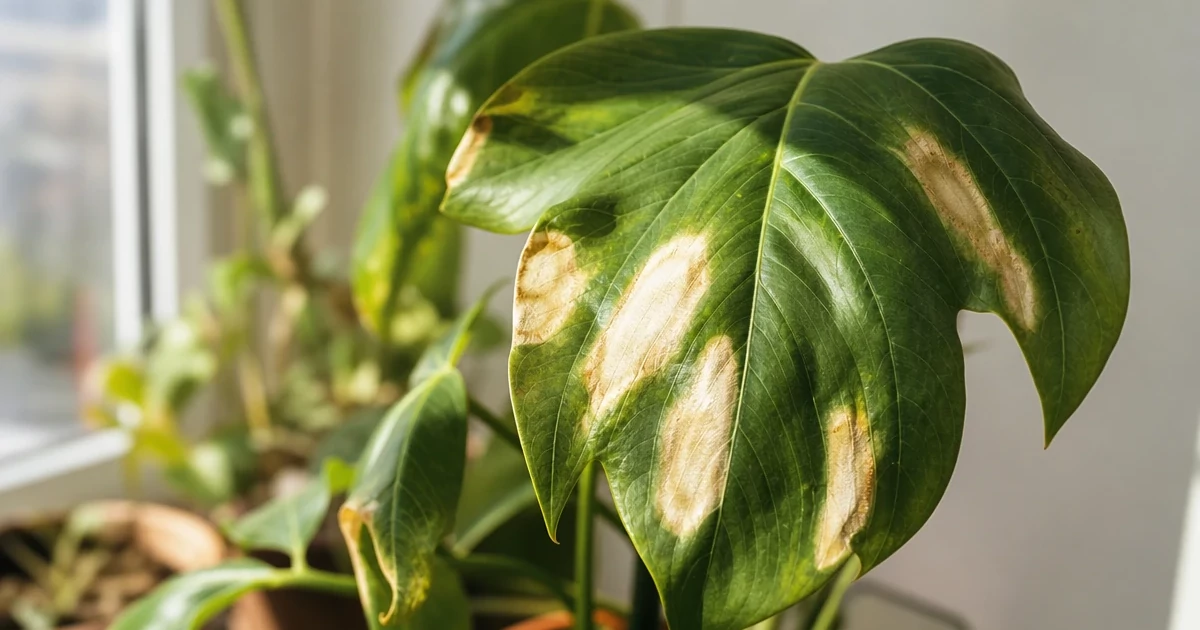
Even sun-loving plants scorch if they go straight into direct sun after winter or after purchase. Signs of sunburn are whitish, yellow or brown dry patches on the upper side of leaves, usually on the window side.
On a north-facing window or in winter, sun-lovers lack light: they stretch, turn pale and stop flowering. A full-spectrum LED grow light helps. Hang it 20–40 cm above the plant and run it so that, with daylight, the plant gets 12–14 hours. A plug-in timer makes this easy.
Choose plants for your real conditions. If trees or a neighbouring building shade your windows, even a south window may be only semi-shaded. On the upper floors of tower blocks, however, the sun can be so strong that it needs diffusing with sheer curtains, blinds or frosted film. Whitish or brown dry patches on leaves are sunburn — move the plant further from the glass.
If your windows face north or trees shade the room, choose rainforest plants that grow under the canopy in the wild. Direct sun harms them, while bright indirect light is ideal:
Cacti, aloe, jade plant, echeverias, adenium, crown of thorns and pelargoniums.
It may be sunburn or a lack of nutrients. Check the leaves aren't touching the glass and feed the plant.
Mature cacti don't, but young or newly bought plants should be introduced to full sun gradually.
Want to bring your interior to life? Choose houseplants with delivery from UFL — our florists will help you pick one for your window.

Author: Maria Svitlovir
Graduated from Taras Shevchenko National University of Kyiv, Institute of Biology and Medicine (2001). BSc in Biology, MSc in Horticulture. Writes about plants, works at a garden centre selecting and repotting plants, and contributes to plant reference guides.
© Kyiv 2026 UFL Flower Shop

Trademark UFL №191476 is used under license of the rights holder.
All rights reserved. Any use of materials without a link to the site is prohibited.


 Birthday
 Hydrangeas