
 Birthday
 Hydrangeas
Floristry looks romantic: flowers, beauty and happy customers. In reality it also means handwork in a cool room, early wholesale runs, plant knowledge and the ability to make a bouquet to order quickly. Here is what a beginner florist needs to learn, how to gain first experience and the mistakes most often made at the start.
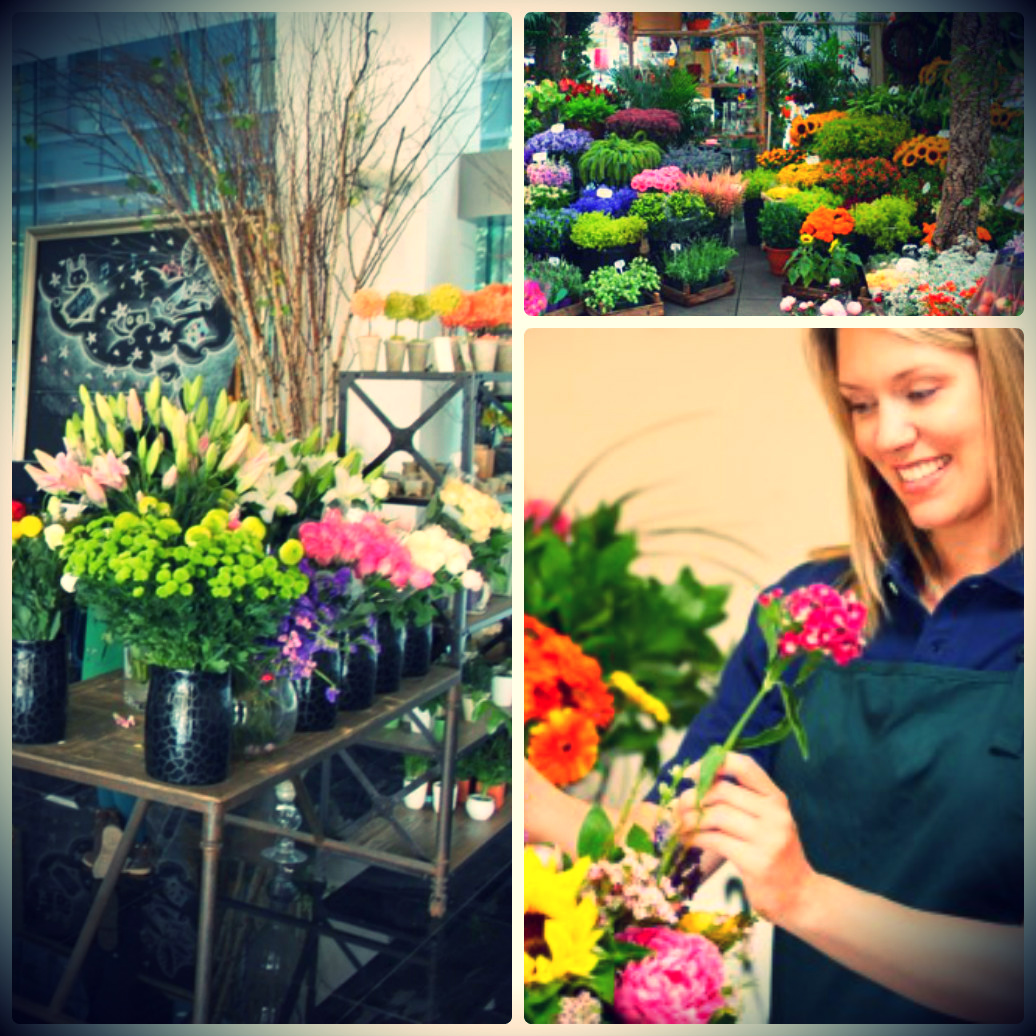
Our florists’ work: large rose bouquets and flower baskets.
Skills you need
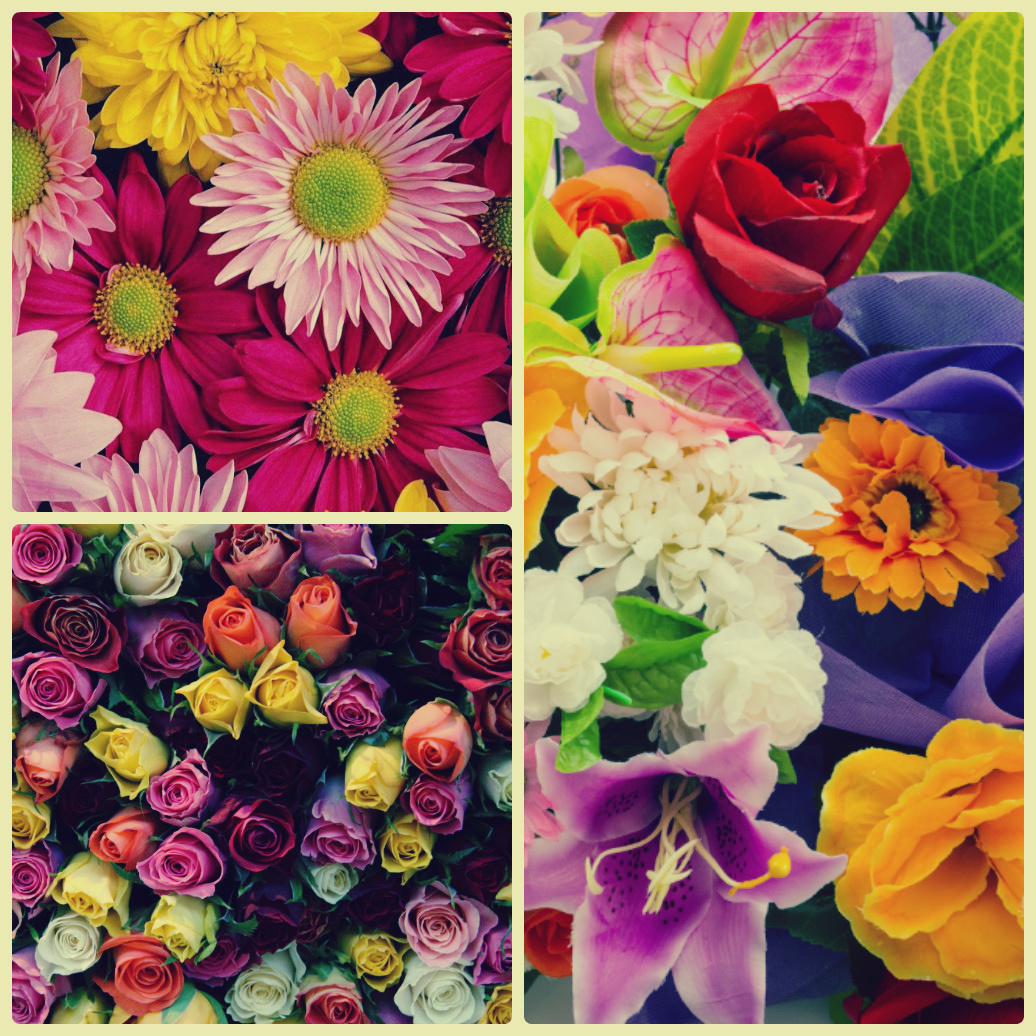
- Colour and design — the colour wheel, combining shades, proportions of bouquet and vase.
- Plant knowledge — varieties, seasons, vase life and how to condition flowers.
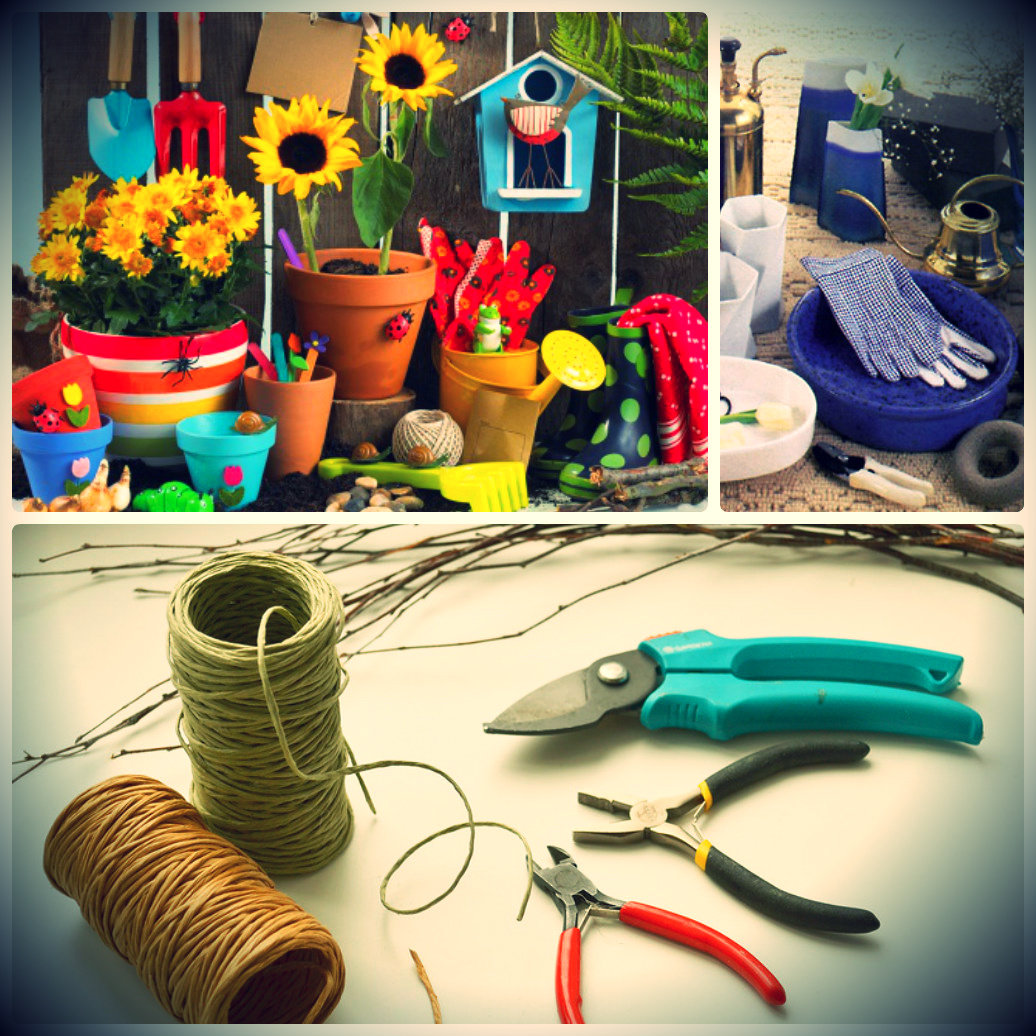
- Technique — spiral hand-tying, working with floral foam, wrapping.
- Communication — understanding what the client wants and meeting deadlines.
How to start
- Take a basic floristry course — in person or online — and practise a lot.
- Work as an assistant in a flower shop: you will see deliveries, conditioning and real orders.
- Keep a portfolio — photograph your work.
- Follow trends, but learn the classics: core techniques matter more than fashionable tricks.
.jpg)
What to expect from the job
- Cool rooms and wet hands: flowers are stored at low temperatures.
- Early wholesale runs and peak days — Valentine’s Day, 8 March, 1 September.
- Physical work: long hours on your feet, heavy buckets of water.
- If you are allergic to pollen or plant sap, talk to a doctor before choosing this career.
Common beginner mistakes
- Too many flower types and colours in one bouquet.
- Skipping conditioning — uncut, unhydrated stems wilt faster.
- Wrapping that shouts louder than the flowers.
Assembly basics: DIY bouquet for beginners; shapes: Types of bouquets; wrapping: Bouquet wrapping.
.jpg)
FAQ
Do I need an art education?
Not necessarily: a sense of colour and form can be developed through courses and practice, though an art background helps.
How long does it take to learn?
Basic techniques take a few months of practice; confidence and speed come with shop experience.

View full-size photo
Author: Maria Svitlovir
Graduated from Taras Shevchenko National University of Kyiv, Institute of Biology and Medicine (2001). BSc in Biology, MSc in Horticulture. Writes about plants, works at a garden centre selecting and repotting plants, and contributes to plant reference guides.