
 Birthday
 Hydrangeas
The roses in a flower shop are grown all over the world, from Ukrainian greenhouses to high-altitude farms in Ecuador and Kenya. Their origin affects head size, stem length, vase life and price. Here is how Ukrainian and imported roses differ, which to choose for different occasions and how to check a bouquet for freshness.
Choose roses in our imported roses, Kenyan roses and red roses sections.

Where roses come from
Ecuador, Colombia and Kenya grow roses high in the mountains near the equator: steady day length, sunshine and cool nights produce large heads and long stems all year round. The Netherlands is the world's largest flower-trading centre: roses from many countries pass through Dutch auctions, and some are grown in local greenhouses.
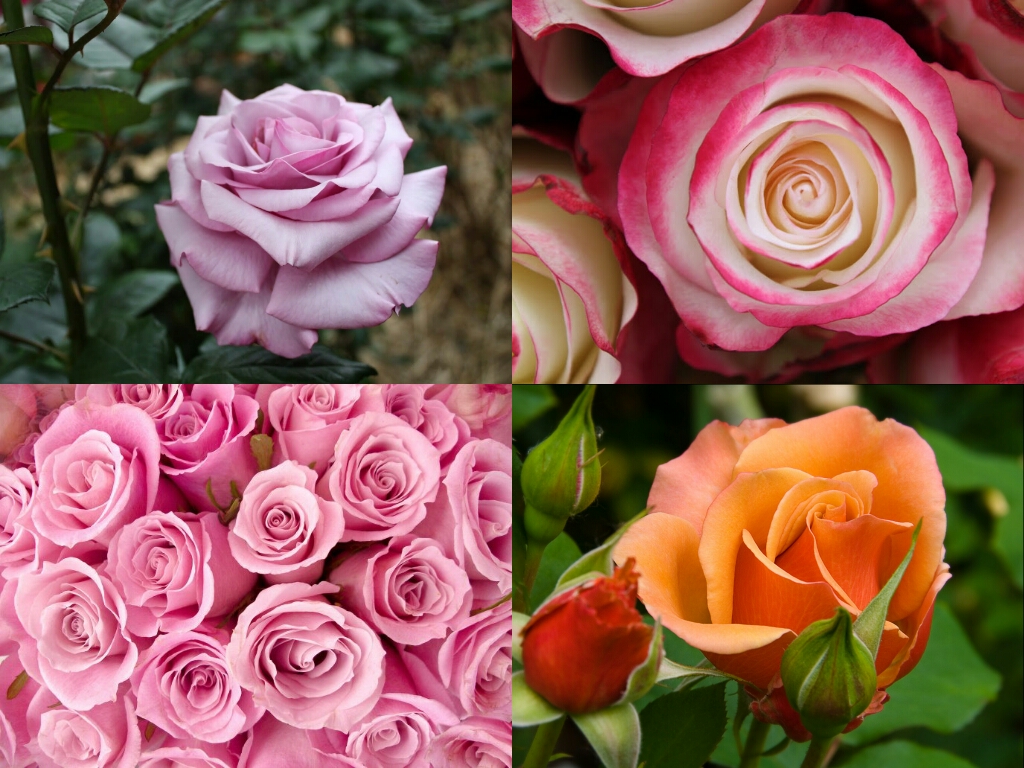
Ukrainian roses
- Freshness. A short journey from greenhouse to shop means a longer vase life.
- Size. Heads are usually smaller and stems medium length.
- Scent. Summer field roses are often more fragrant than greenhouse ones.
- Price. Usually more affordable than imported roses, especially in season.

Imported roses
- Ecuador — large, dense heads and long straight stems, chosen for statement bouquets and large arrangements such as "101 roses".
- Kenya — medium heads, a wide choice of varieties and colours and good value for money.
- Colombia — large roses in a wide palette.
- Spray roses with several heads per stem are grown in many countries; see "Spray roses bouquet".
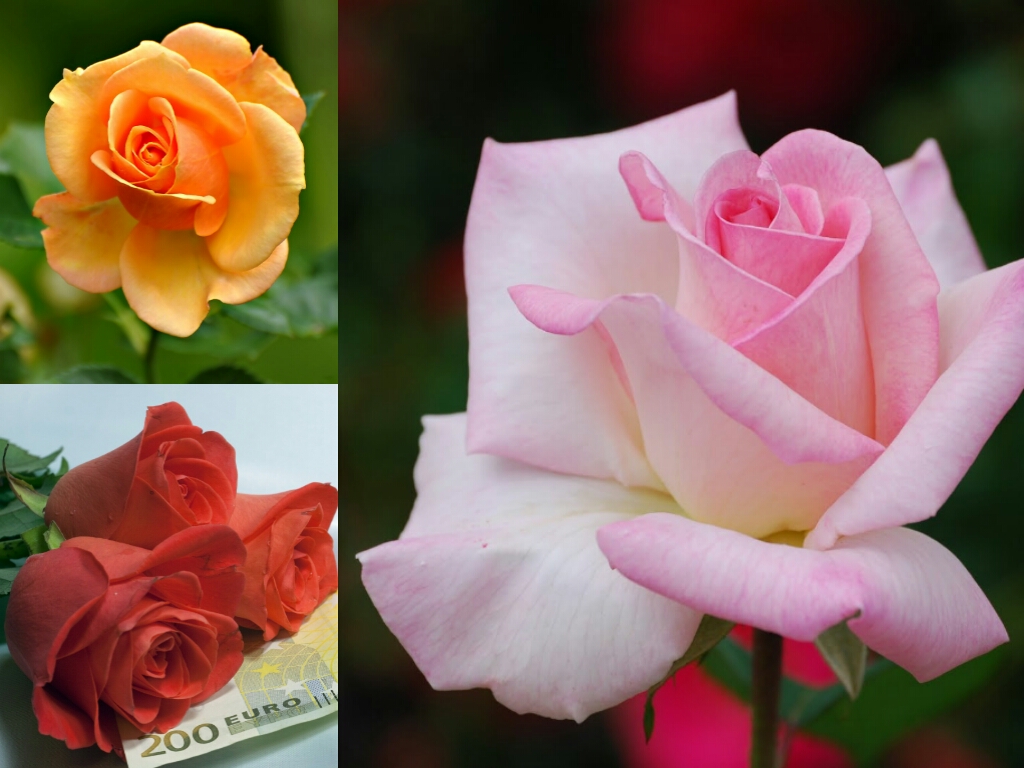

Which to choose
- For a large statement bouquet — Ecuadorian or Colombian long-stemmed roses.
- For an everyday bouquet — Ukrainian or Kenyan roses.
- For fragrance — garden and peony-shaped varieties.
- On a budget — seasonal Ukrainian roses or spray roses.
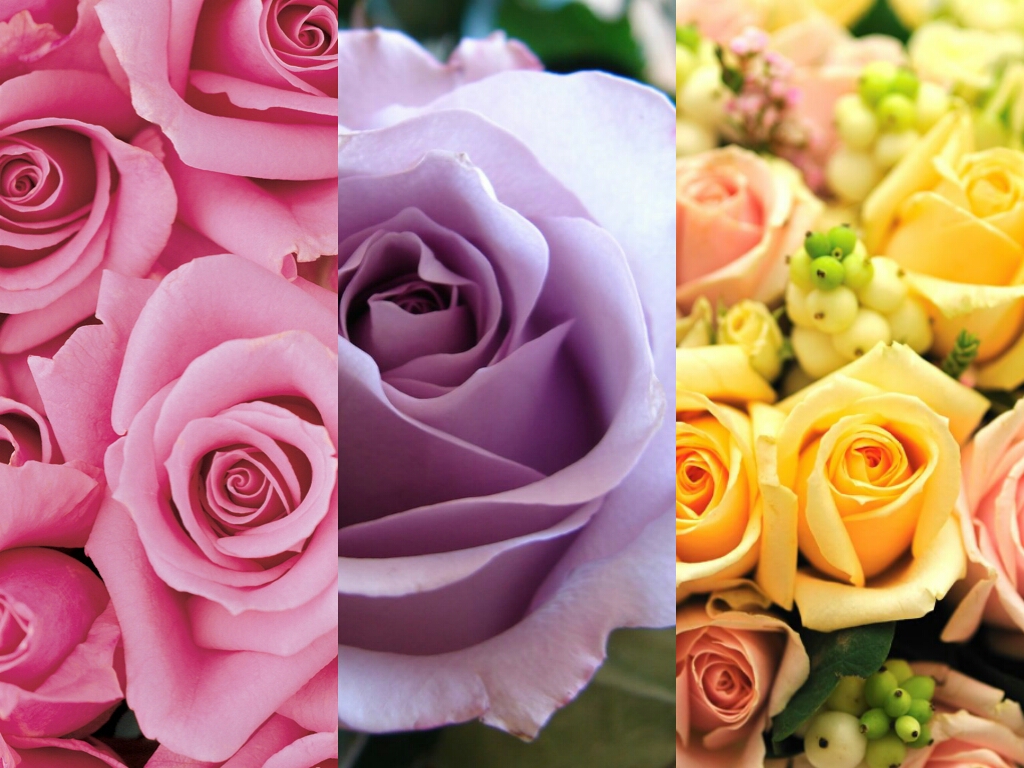
How to check freshness
- The head is firm and springy when gently pressed at the base.
- Outer "guard" petals may look battered — that is normal, and florists remove them.
- Leaves are green and firm; the stem has no dark spots and the cut is not slimy.
- The roses stand in clean water rather than lying on the counter without it.
.jpg)
What affects the price
- Stem length and head size.
- Variety: rare and peony-shaped roses cost more.
- Season: before 14 February and 8 March prices rise with demand.
- Logistics: imported roses travel a long way in a cold chain.


How to keep a bouquet fresh at home is covered in "Rose bouquet care".
FAQ
Which roses last longer?
Fresh roses of any origin last 7–14 days with proper care; freshness and the cold chain are what matter most.
Why do Ecuadorian roses have such large heads?
They are grown high in the mountains near the equator, where steady light and cool nights encourage large heads.
Is it normal for the outer petals to look damaged?
Yes, these are guard petals; florists remove them before making up a bouquet.

View full-size photo
Author: Maria Svitlovir
Graduated from Taras Shevchenko National University of Kyiv, Institute of Biology and Medicine (2001). BSc in Biology, MSc in Horticulture. Writes about plants, works at a garden centre selecting and repotting plants, and contributes to plant reference guides.


