
 Birthday
 Hydrangeas
This article was prepared with the support of UFL flower delivery. The art of carving shapes from fruit and vegetables is known as food carving. It is especially developed in Thailand and China, where carved watermelons and melons are a traditional festive decoration. At home you do not need years of practice: a sharp knife, fresh firm vegetables and 5–30 minutes are enough.
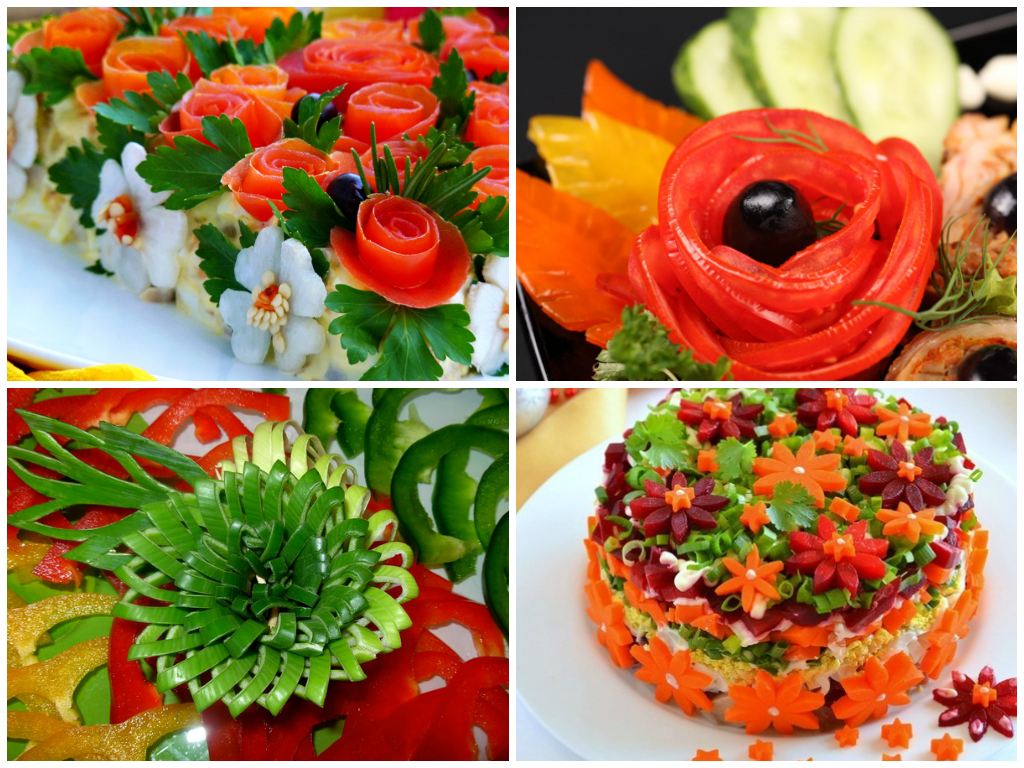
What you need
- Knives. A small sharp paring knife and, if you like, grooved carving tools (V- and U-shaped) and a Thai carving knife.
- Vegetables. Firm, fresh and unblemished: radishes, carrots, cucumbers, plum tomatoes, brown and red onions, Chinese cabbage and beetroot.
- A bowl of iced water. It makes the "petals" open up, stay crisp and not discolour.
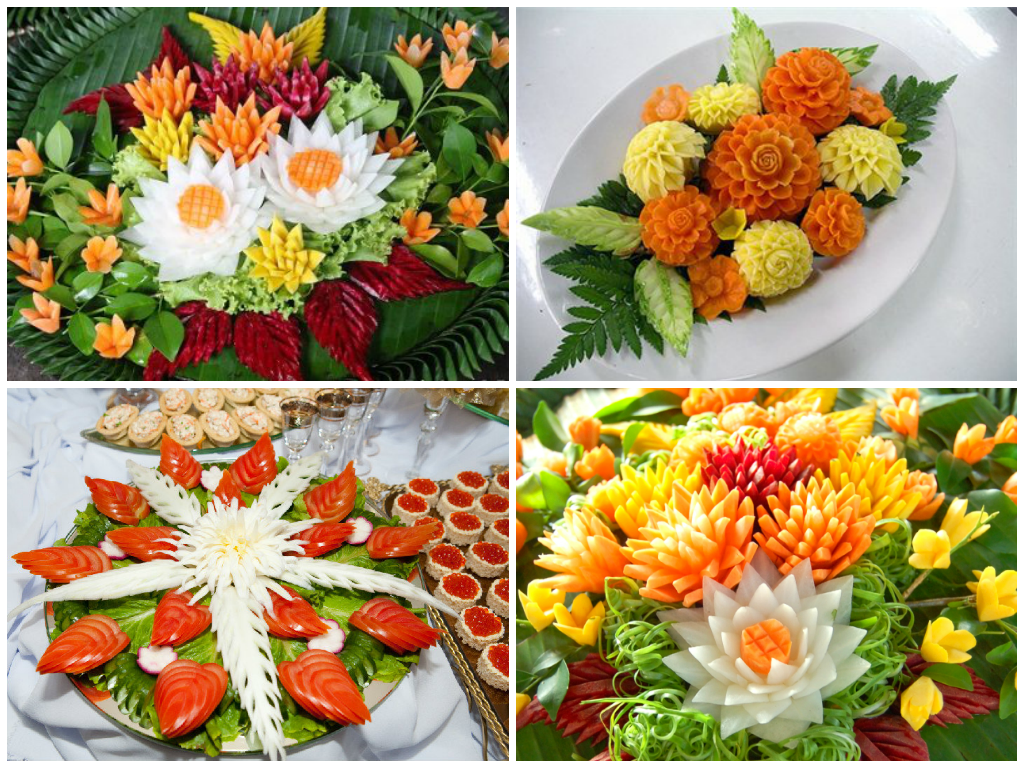
6 vegetable flowers
1. Radish rose
- Trim the root and leaves to leave a flat base.
- Make 4–5 thin petal cuts around the radish from top to bottom without cutting them off.
- Cut a second row of petals in between the first.
- Put the radish in iced water for 30–60 minutes and the petals will open.
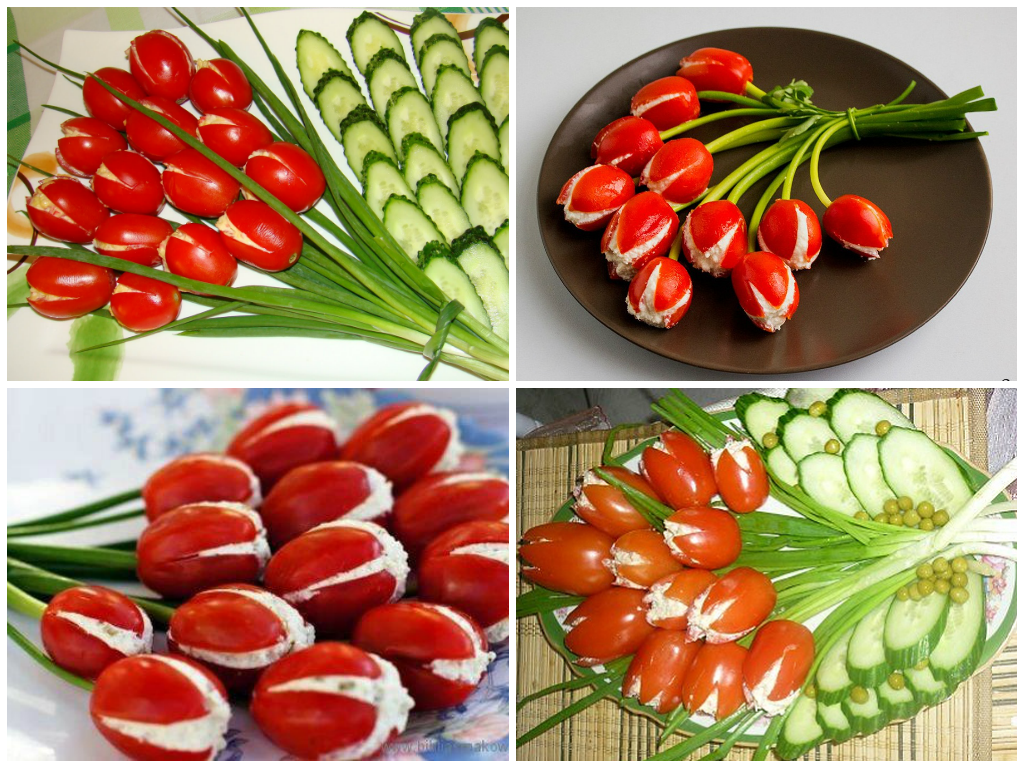
2. Tomato tulips
- Take firm plum tomatoes. Cut a cross into the top, stopping 1.5–2 cm from the base: 2 cuts give 4 petals, 3 cuts give six.
- Carefully scoop out the pulp and seeds with a teaspoon.
- Fill the "buds": cheese with garlic and mayonnaise, cottage cheese with herbs, or egg with crab sticks.
- Arrange them on a platter like a bouquet, using spring onion for stems and parsley or rocket for leaves.
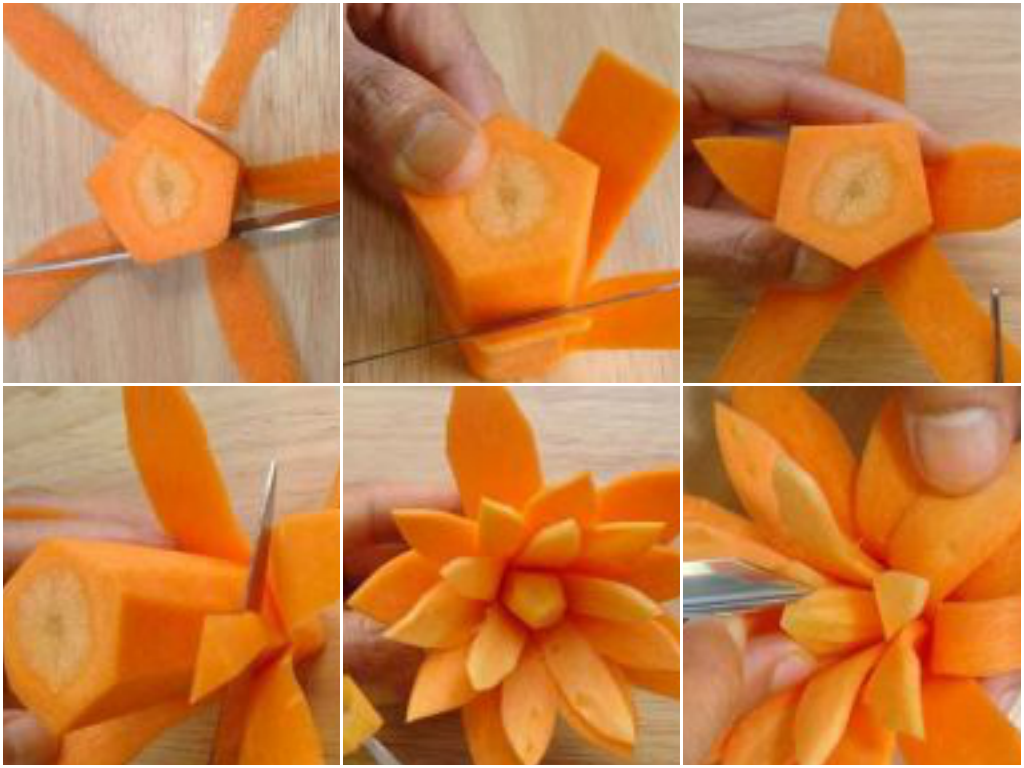
3. Carrot star
- Peel a medium carrot and cut 5 faces on its top so it becomes a pentagon.
- From each face, slice a thin layer without cutting it off and shape it into a point: these are the petals.
- Trim the corners under the first row and repeat so the second row sits in between.
- Shape the centre to a point and release the "star" from the carrot.
4. Tomato peel rose
Peel a tomato in one long spiral strip 2–3 cm wide, with a thin layer of flesh. Roll the strip up tightly from one end, skin side out, to form a bud. The same technique works with cucumber or apple peel and thin slices of smoked salmon.
5. Onion chrysanthemum
Peel an onion, cut off the top and keep the root end. Make close criss-cross cuts down to the root to get 8–16 segments. Put the onion in iced water for 30 minutes and it will open. For bright colour use a red onion or tint a white one with beetroot juice.
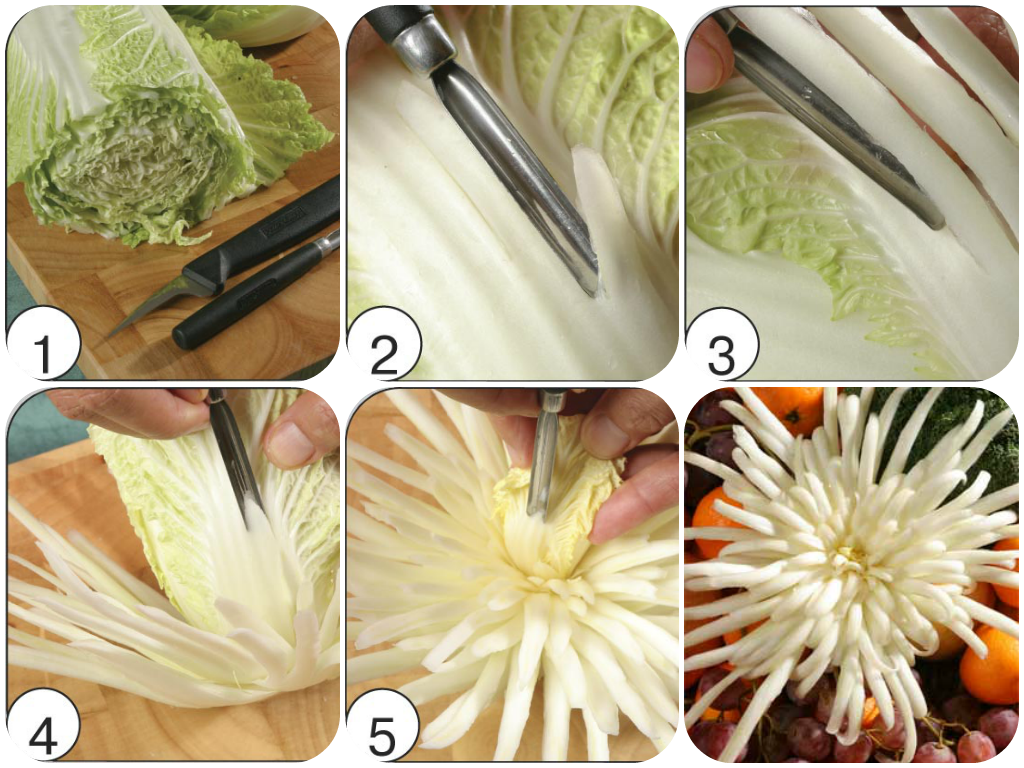
6. Chinese cabbage chrysanthemum
- Take a head of about 500 g and cut off the top, leaving a base about 15 cm tall.
- With a grooved tool, cut strips down the thick leaf ribs from top to bottom, stopping 2 cm from the base: thin at the top, thicker at the base.
- Remove the rest of the leaf to reveal the first row of petals. Repeat with the other leaves, making the petals gradually shorter.
- Remove the small leaves from the centre and put the flower in iced water for 30 minutes so the petals curl beautifully.
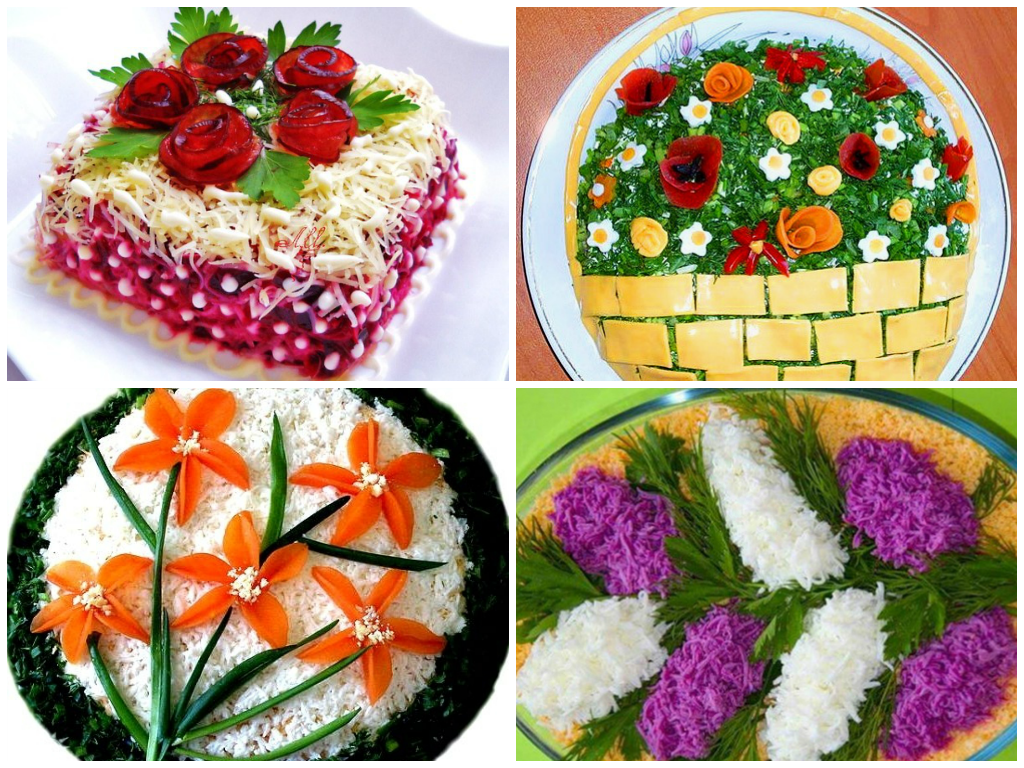
Lilac, daisies and other egg ideas
Daisies with a yolk centre can be cut from boiled egg white, and grated egg white tinted with beetroot juice can be piled onto a salad as a cluster of lilac. Make the leaves from cucumber or parsley. Grated yolk or sweetcorn works for yellow flowers.
Tips and food safety
- Carve garnishes no more than 2–3 hours before serving and keep them in cold water or covered in the fridge.
- Wash vegetables before cutting and keep boards and knives separate from raw meat.
- Only use real flowers that are edible and grown without pesticides, such as violas, nasturtiums, calendula and borage. Shop and bouquet flowers are not suitable for eating because they are treated with preservatives. Lily of the valley, daffodils, hydrangea and oleander are poisonous.
FAQ
How do I stop garnishes drying out?
Keep them in iced water and add them to the salad just before serving. Brush apples and pears with lemon juice.
Which knife does a beginner need?
A small sharp knife is enough for your first shapes. If you enjoy it, buy a set of grooved carving tools.
Can I make garnishes in advance?
Carrots and beetroot keep their shape for up to a day in cold water in the fridge; carve tomatoes and cucumbers on the day.
For a real floral touch on your festive table, order a fresh arrangement: chrysanthemums, tulips or any other bouquet with flower delivery in Kyiv.

View full-size photo
Author: Maria Svitlovir
Graduated from Taras Shevchenko National University of Kyiv, Institute of Biology and Medicine (2001). BSc in Biology, MSc in Horticulture. Writes about plants, works at a garden centre selecting and repotting plants, and contributes to plant reference guides.