UFL logo

Zhytomyr Botanical Garden: hours, entry, bloom, black swans

ID:
9754
Total views:
1
Category:
Published:
Updated:


Zhytomyr Botanical Garden: What to See and When to Visit
View full-size photo

The Botanical Garden of Polissia National University in Zhytomyr is the city’s largest green research site: 36.5 hectares, hundreds of tree and shrub species, peony, lilac and rhododendron collections, and four lakes where black swans live in the warm months. Here is its history, what to see, what blooms when and how to visit.

More on this topic: botanical gardens of Ukraine, when peonies bloom, when lilac blooms, Hryshko Botanical Garden.

Zhytomyr garden: from 1933 to today1933Founded,2 hectares1941–1944War: 126 speciessurvivedPost-warCollections rebuiltand expandedToday36.5 ha, lakes,black swans
History of the Polissia University garden

History: from two hectares to 36.5

The garden was founded in 1933 as a teaching and research base of the Zhytomyr Agricultural Institute. At first it covered just 2 hectares of food, industrial, medicinal and fodder crops. It later grew to 6 hectares, with an alley of Amur cork trees and, in 1938–1940, a small arboretum. Botany head O. L. Baranovskyi developed it further, adding a collection of several dozen grape varieties, a dwarf-rootstock nursery and hazelnuts. Before the war the arboretum held about 300 species and forms.

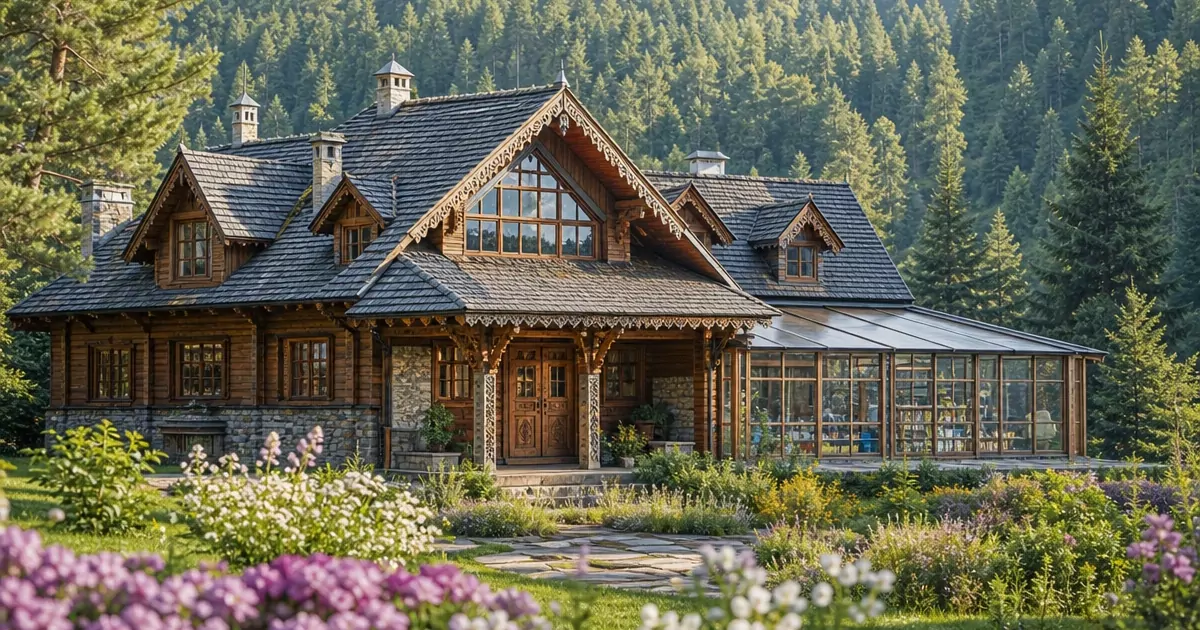
In 1941–1944 the collections, seed bank and most trees were destroyed, and the garden had to be rebuilt from 126 surviving species and forms. In 1983–1993, under V. T. Kharchyshyn, a three-storey Hutsul-style building with laboratories and a lecture hall was built, and about 40 plant groupings were planted in the arboretum — lilac, rhododendron, iris, Siberian pine, beech, box and Japanese quince. Research here underpins four doctoral and about 30 candidate dissertations.

Today the garden covers 36.5 hectares, belongs to Polissia National University and is part of Ukraine’s nature reserve fund.

What to see: arboretum, collections and lakes

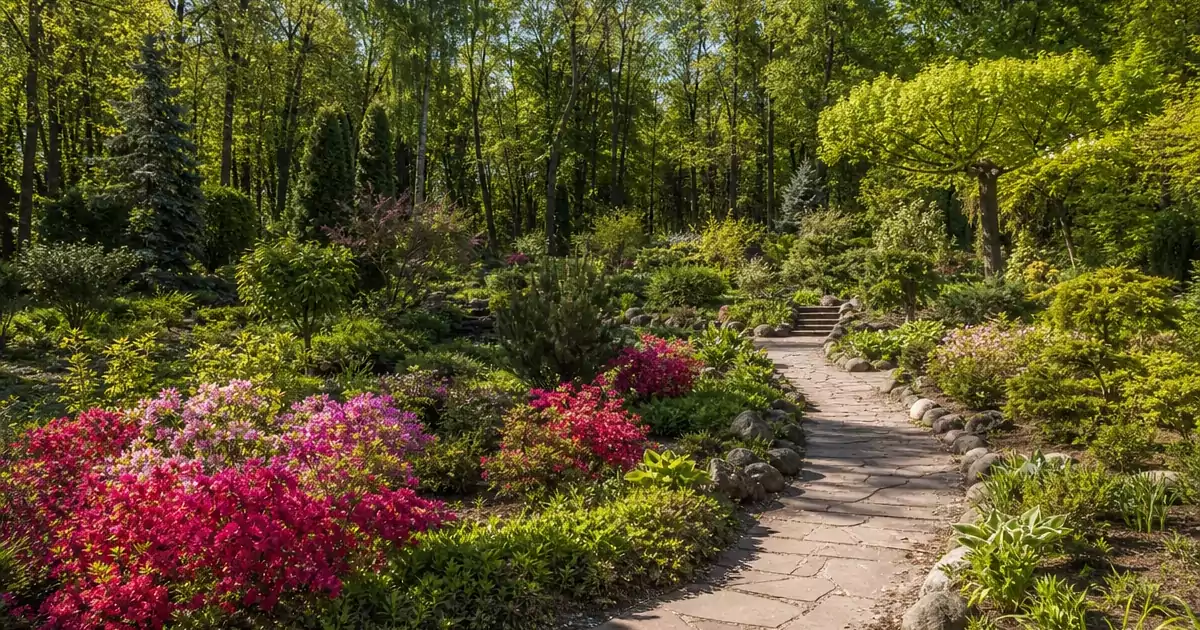
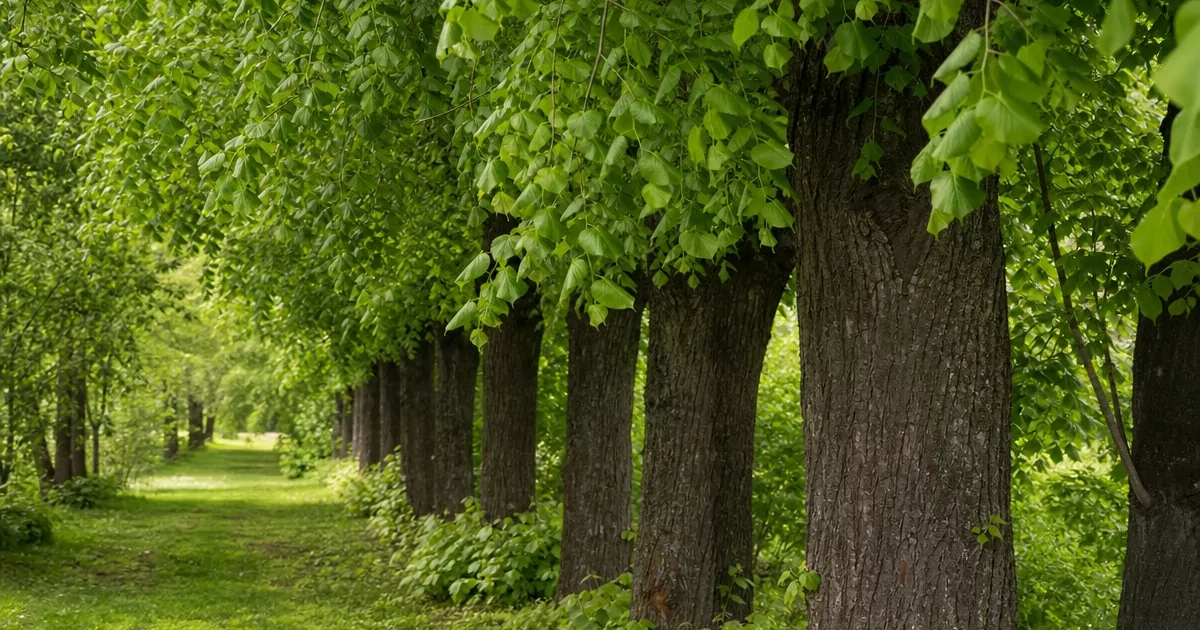
The arboretum holds over 350 tree and shrub species, and the garden as a whole has hundreds of woody and more than a thousand herbaceous species. Look out for:

  • Trees rare for Polissia — ginkgo, sweet chestnut, black walnut, Kobus magnolia, eucommia, Siberian pine, London plane, yew, wingnut, cherry birch and Turkish hazel.
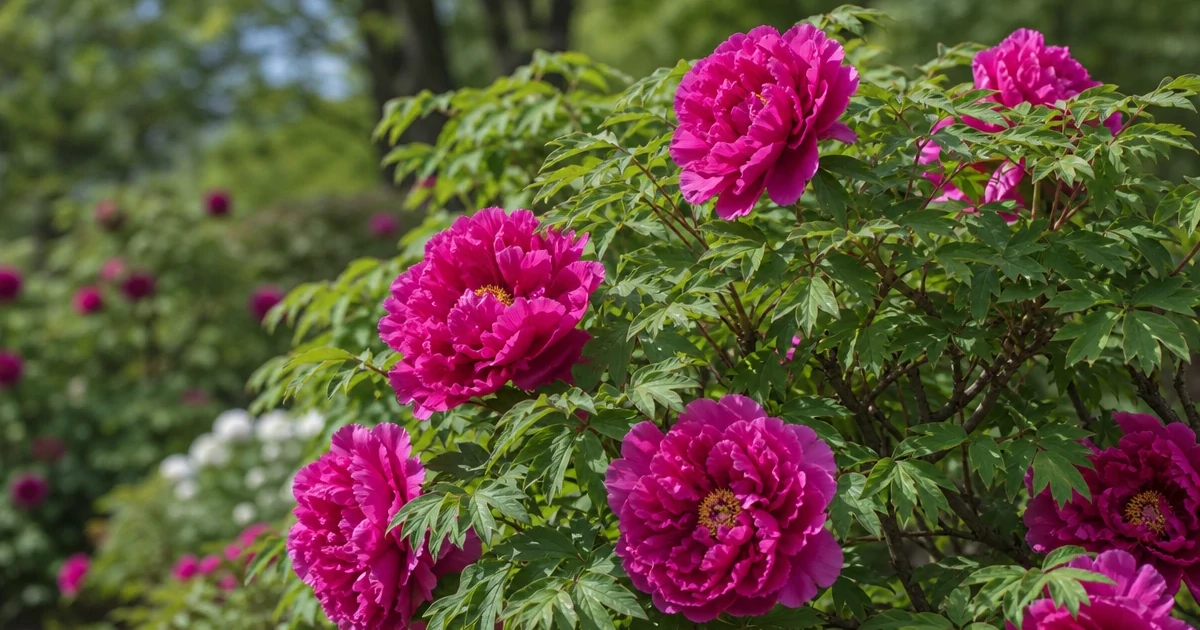
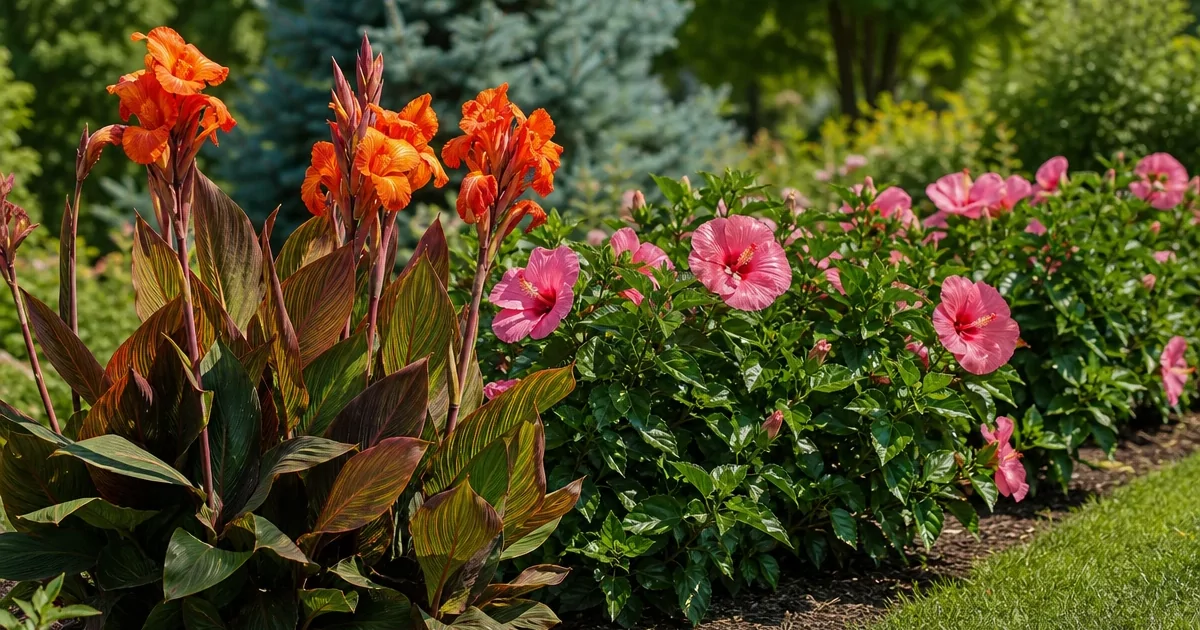
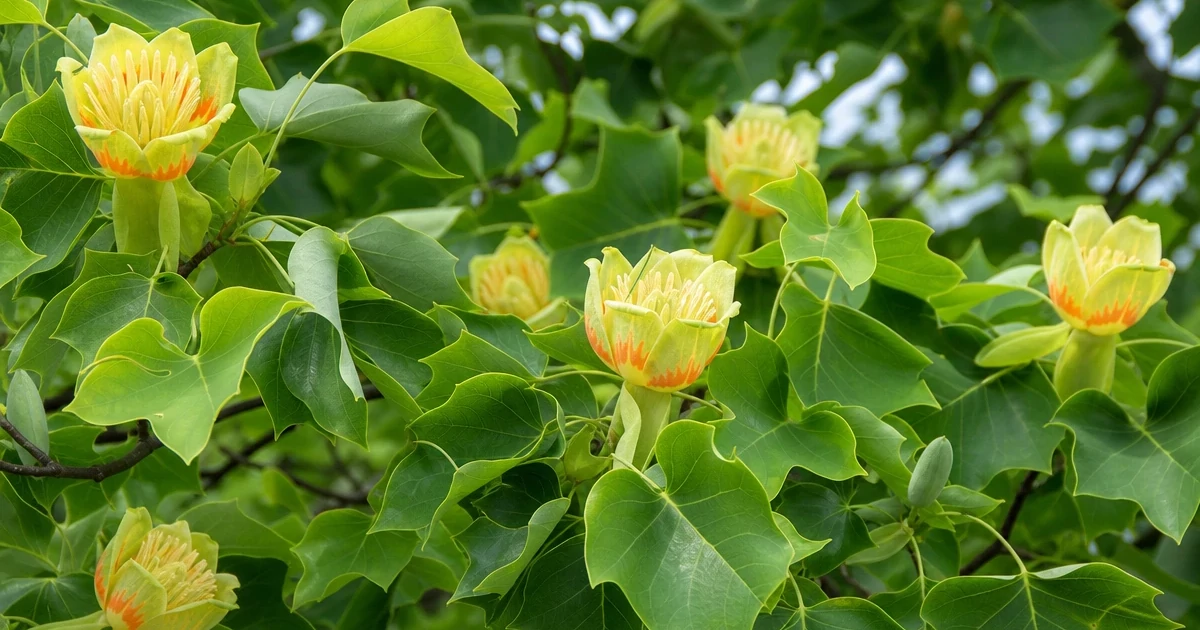
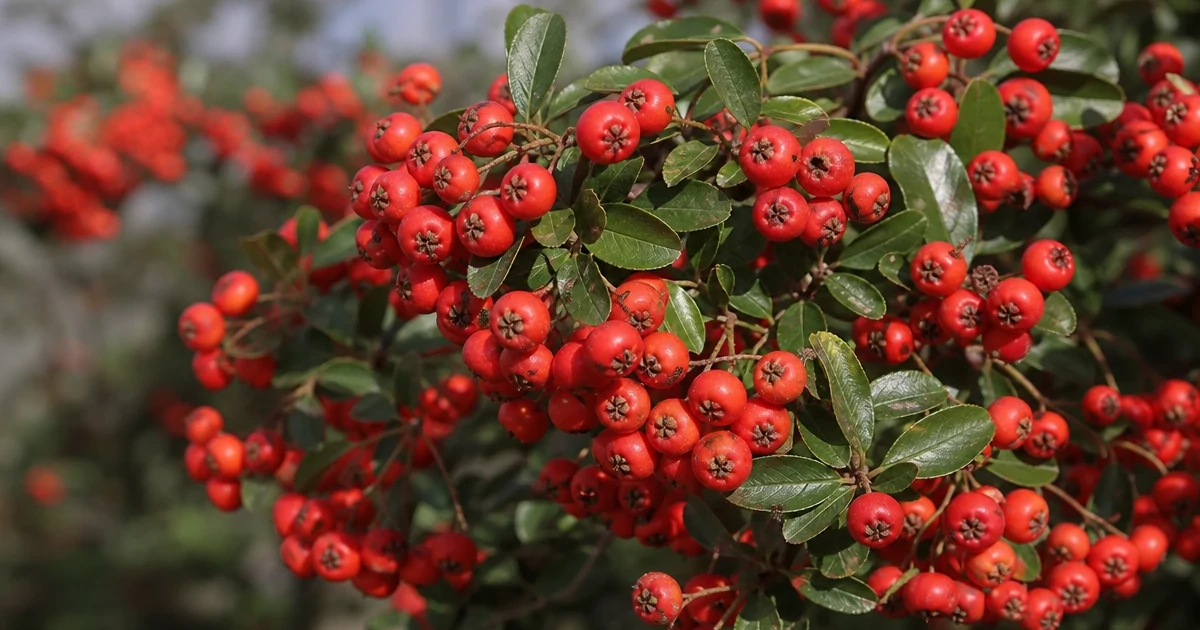
  • Ornamental displays — tree peonies, red and yellow cannas, hibiscus, hydrangeas, roses, sakura, tulip tree and firethorn with red and yellow berries.
  • Shrub collections — barberry, mock orange, cotoneaster, weigela, spiraea, flowering quince, lilac and rhododendron.
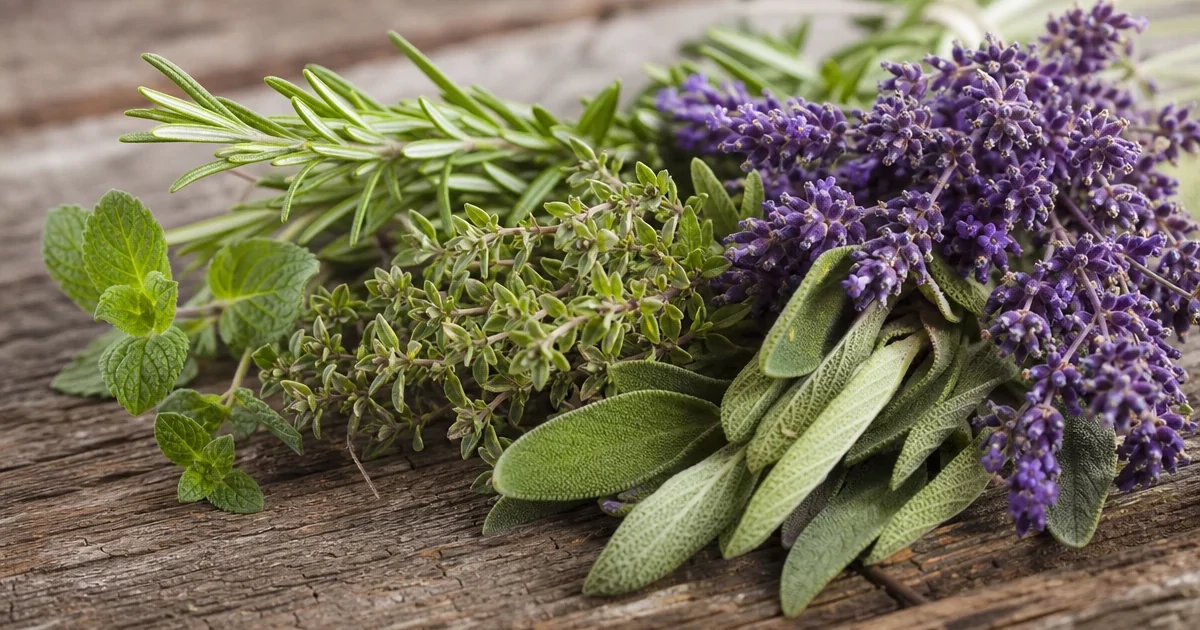
  • Medicinal and aromatic plants — almost 100 species: hyssop, catmint, dragonhead, savory, sage, lavender, anise hyssop, bergamot and eleuthero.
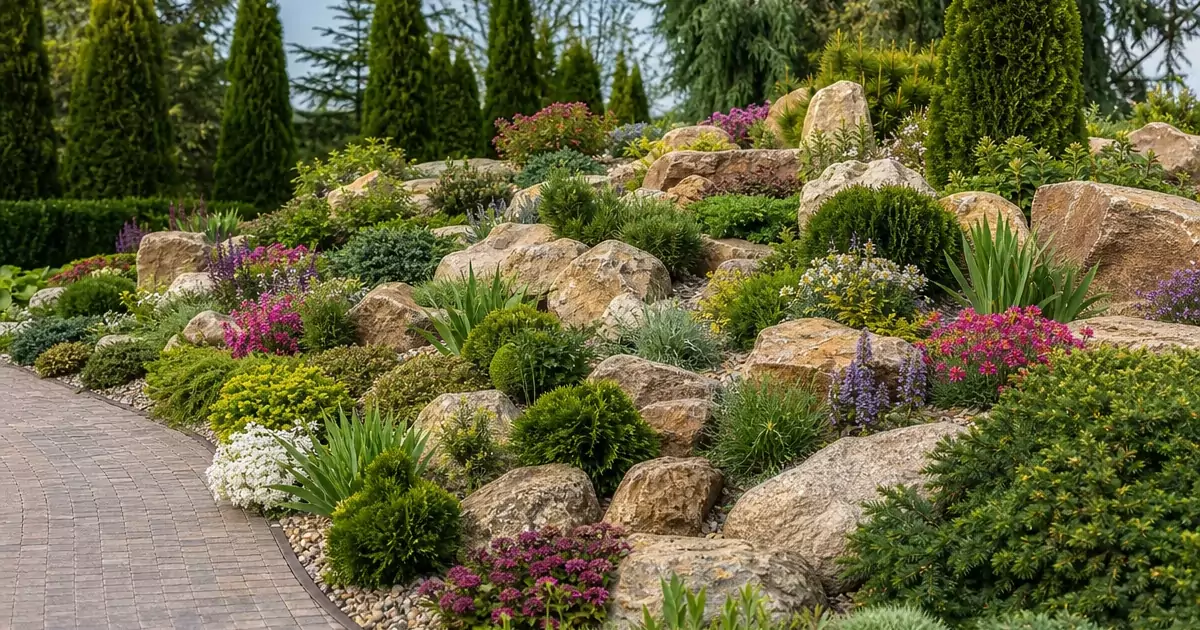
  • The alpine hill, the parterre with flower beds, and the lower and upper arboretum.
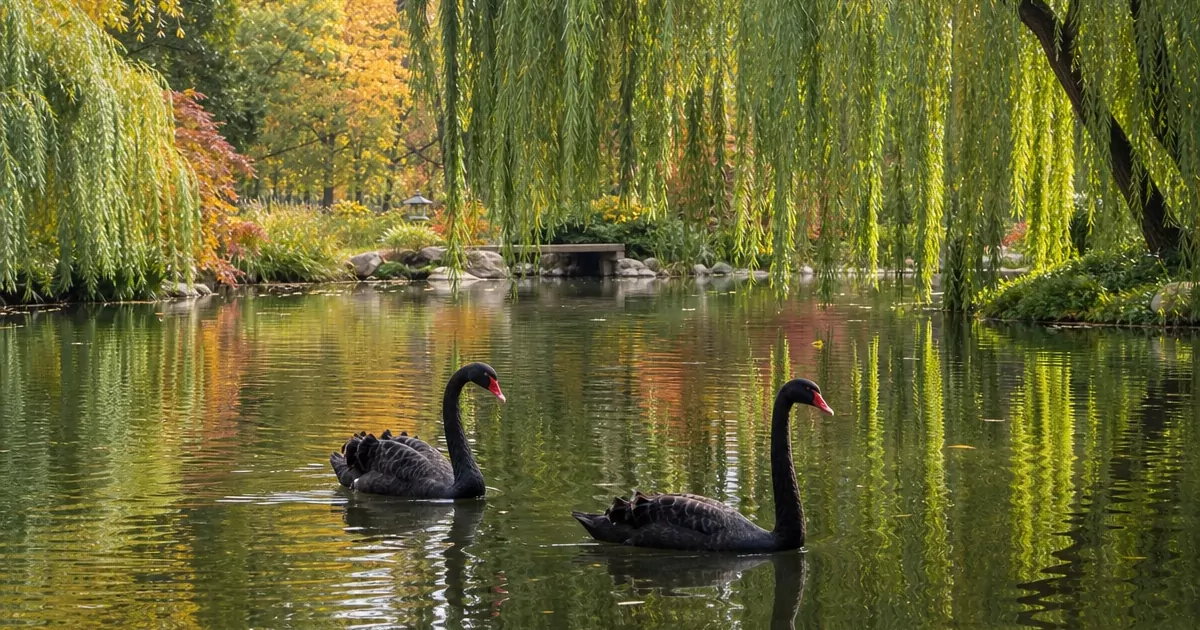
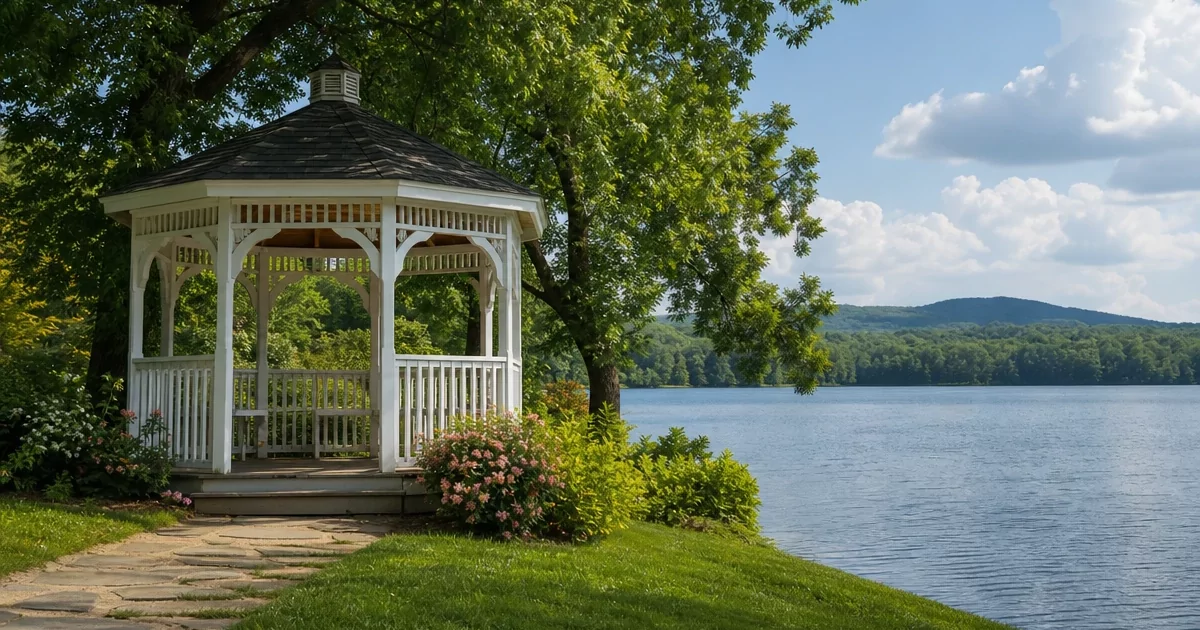
  • Four lakes with reinforced banks, terraces and gazebos — black swans live there in the warm months.

Research plots include giant miscanthus, studied as an energy crop, and a collection of rare Polissia plants.

What blooms when at Zhytomyr Botanical Garden: month by month

Dates are approximate and depend on the weather.

  • April: early spring flowers as the arboretum wakes up.
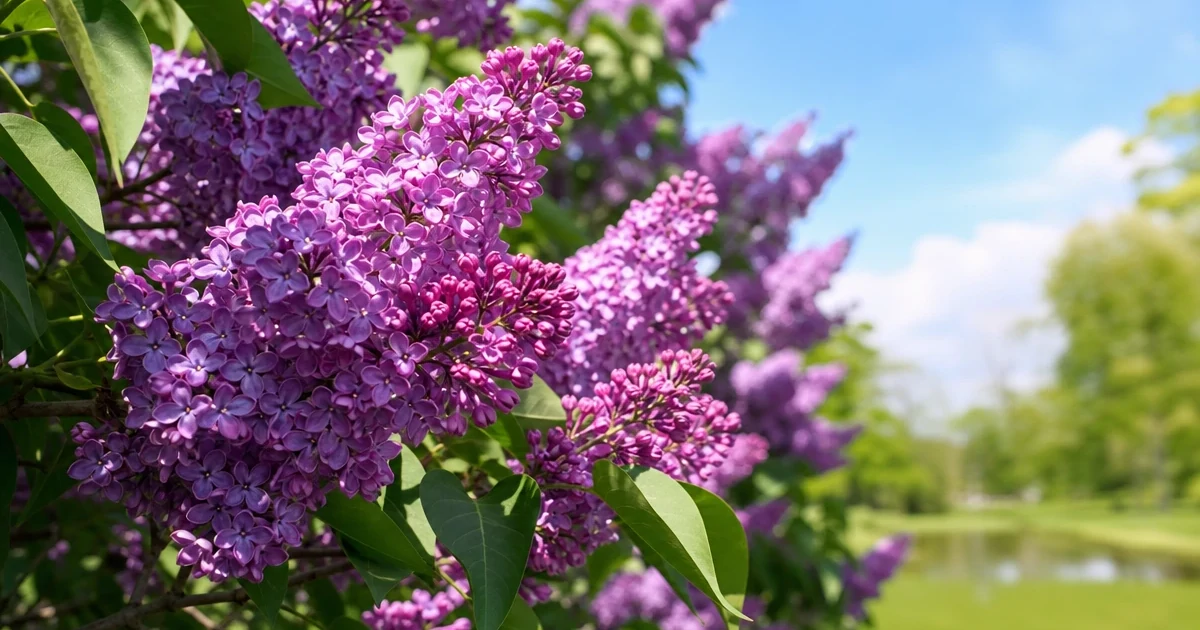
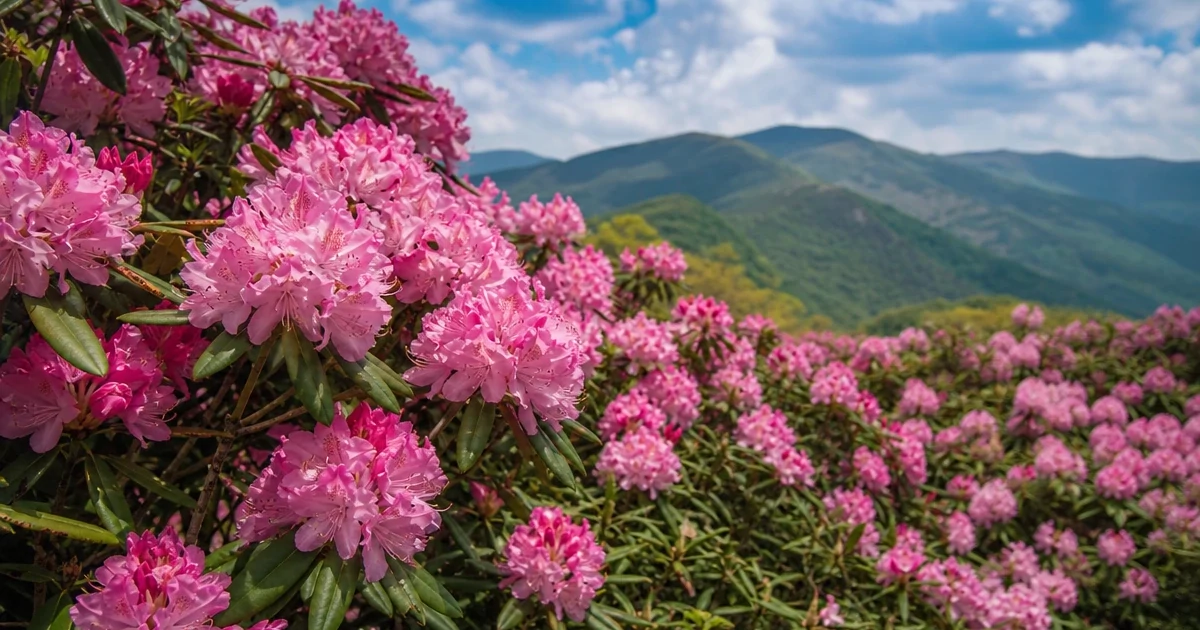
  • May: lilacs and rhododendrons — details in when lilac blooms.
  • Late May to June: peonies; timing is covered in when peonies bloom.
  • July–August: roses, hydrangeas, cannas and lavender; black swans on the lakes.
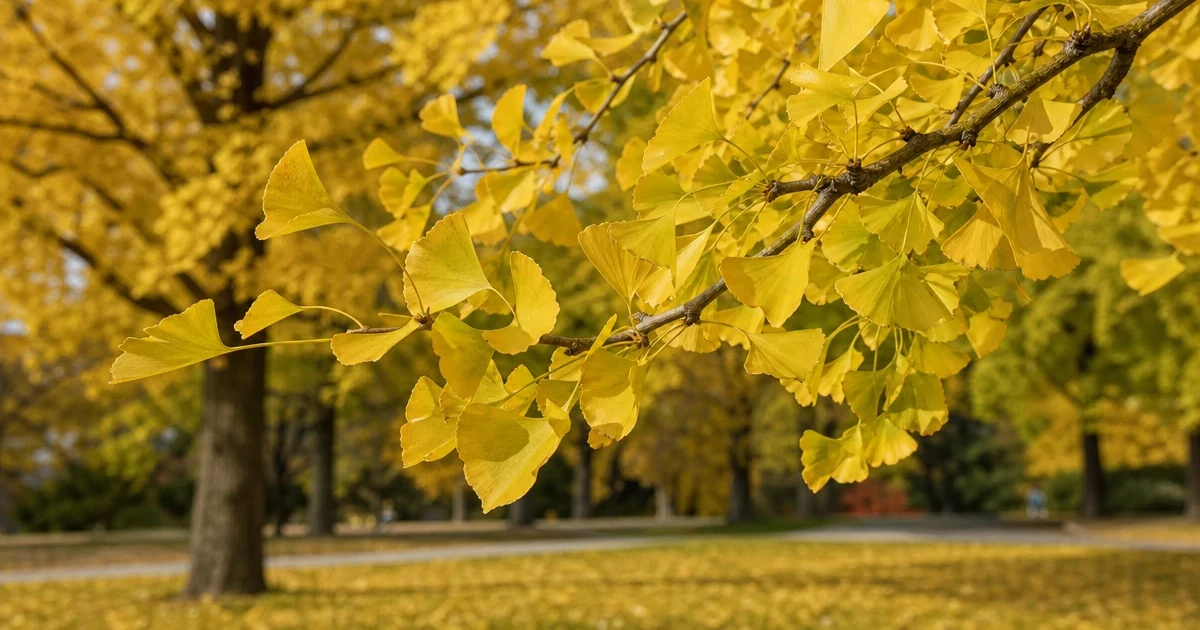
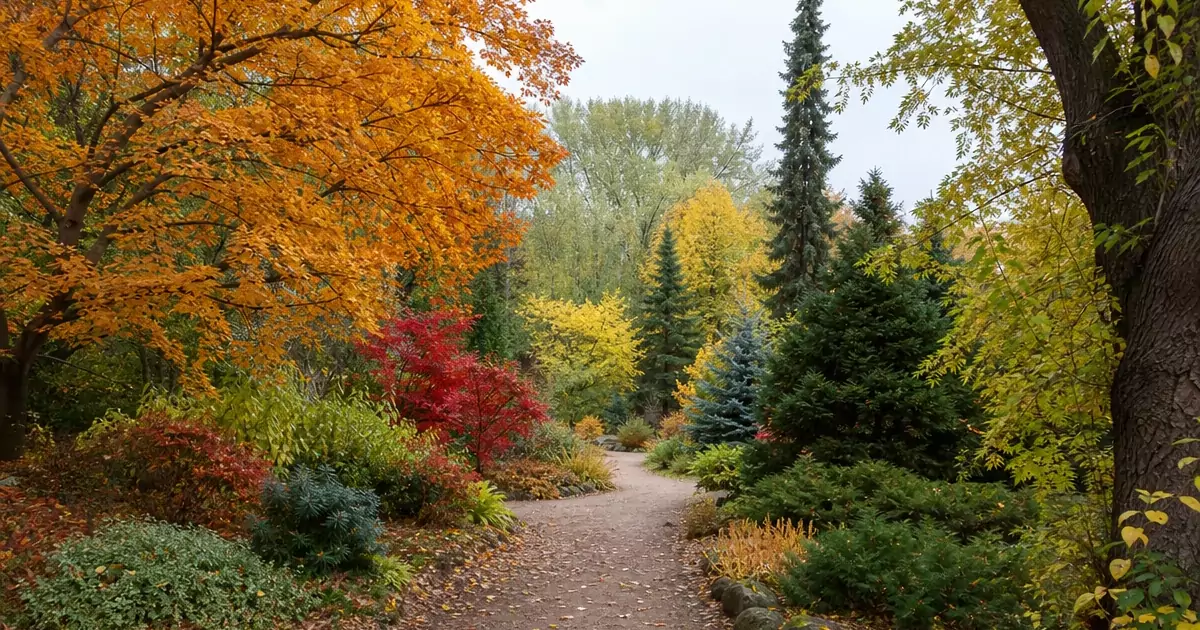
  • September–October: autumn colour in the arboretum — ginkgo, Amur cork tree, chestnuts and walnuts.

Opening hours, entry and address

  • Address: 39 Korolova St, Zhytomyr; enter through the main gate of the Polissia University botanical garden.
  • Hours: since spring 2024 the garden has been open for free walks every Saturday and Sunday, 10:00–16:00.
  • Entry: free at weekends; on weekdays tours and photo shoots are arranged with the university.
  • Rules: this is a protected area, not a park — do not damage plants and avoid touching unfamiliar ones (some are poisonous); CCTV is in operation.

Hours can change — check the university’s announcements before you go. Other gardens in Ukraine are covered in botanical gardens of Ukraine.

The lakes and black swans

The garden’s jewels are its four lakes. The university dredged them, reinforced the banks and added terraces, gazebos, benches and paved paths along the water. In the warm months black swans live here — the visitors’ favourite photo subject. Do not feed them bread: it harms the birds and pollutes the water. The garden is considering adding aquatic and marginal plants — water lilies, reedmace, water plantain — to turn the lakes into a living display.

A two-hour walking route

The garden is large, so to see the highlights follow roughly this route:

  • The parterre by the entrance — seasonal beds, cannas and hibiscus, and the Hutsul-style laboratory building.
  • The lower arboretum — the cork tree alley, ginkgo, sweet chestnut and black walnut.
  • The lilac and rhododendron groups — the prettiest part of the garden in May.
  • The alpine hill and herb collection — lavender, sage, hyssop.
  • The lakes — gazebos, terraces and black swans; a good place to rest on a bench.
  • The upper arboretum — Siberian pine, yew, plane trees and quiet.

Allow 1.5–2 hours at an easy pace.

What the garden does: research and teaching

The Polissia University garden is first of all a research and teaching base. It acclimatises trees and shrubs suitable for greening towns and forestry in Polissia, studies aromatic and medicinal plants and conserves the region’s rare and endangered species. Agronomy and veterinary students hold practical classes on the research plots, and a plant-health plot grows cereals, vegetables, berries and ornamentals.

The research plots are a working area for scientists, and on weekdays the garden serves mainly students. That is why it opens for free walks at weekends, while weekday tours are agreed with the university in advance.

The garden’s rare trees: interesting facts

  • Ginkgo — a “living fossil” whose genus is over 200 million years old. Its leaves turn bright yellow in autumn and are used in medicines for brain circulation.
  • Amur cork tree — its thick soft bark really feels like cork. The alley of these trees is one of the oldest in the garden.
  • Sweet chestnut — unlike the familiar horse chestnut, it bears edible nuts; a rarity in Polissia.
  • Siberian pine — the “cedar” known for its pine nuts, studied here as promising for the region.
  • Eleuthero — a Far Eastern shrub whose roots are used in tonics.

There are few labels by the plants, so a tour with a scientist is the best way to get to know the collection.

What visitors value most

Zhytomyr media reports about the garden most often mention:

  • Black swans — on the garden’s four lakes in the warm season
  • Space — 36.5 hectares — the city’s largest green research site
  • Spring bloom — lilacs, rhododendrons and peonies
  • Free weekend entry — after years of restricted access
  • Unusual trees — ginkgo, cork tree, sweet chestnut and black walnut

The main tip is to come on a weekend morning and behave as you would in a nature reserve — in the first days after opening some visitors damaged plants.

Zhytomyr Botanical Garden: photos

What to photograph through the seasons:

Zhytomyr Botanical Garden: photos
View full-size photo

Zhytomyr Botanical Garden: photos
View full-size photo

Zhytomyr Botanical Garden: photos
View full-size photo

Zhytomyr Botanical Garden: photos
View full-size photo

Zhytomyr Botanical Garden: photos
View full-size photo

Zhytomyr Botanical Garden: photos
View full-size photo

Zhytomyr Botanical Garden: photos
View full-size photo

Zhytomyr Botanical Garden: photos
View full-size photo

Zhytomyr Botanical Garden: photos
View full-size photo

Zhytomyr Botanical Garden: photos
View full-size photo

Zhytomyr Botanical Garden: photos
View full-size photo

Zhytomyr Botanical Garden: photos
View full-size photo

Zhytomyr Botanical Garden: photos
View full-size photo

Zhytomyr Botanical Garden: photos
View full-size photo

Tips

  • Watch for open-day announcements; there are usually more in spring.
  • Best in May and June: lilac, rhododendrons, peonies.
  • Do not feed the swans or pick plants.

Flowers in Zhytomyr

Peonies, roses or hydrangeas like those in the garden can be given without visiting: flower delivery in Zhytomyr, for family and friends in the city.

5 blue hydrangeas
View full-size photo
Hydrangeas, as in the Zhytomyr garden

See roses and flowers in a box.

35 pink peony roses
View full-size photo
Peony roses, a soft bouquet

FAQ

Where is the Zhytomyr botanical garden?

39 Korolova Street; it belongs to Polissia National University.

Can I visit it?

Yes: every Saturday and Sunday 10:00–16:00 with free entry, and on weekdays by tour arrangement. Check the university’s announcements.

Are there swans?

Yes, black swans live on its lakes in the warm months.

How much is entry?

Free at weekends; weekday tours and photo shoots by arrangement with the university.

What are the highlights?

Black swans on the lakes, tree peonies, spring lilacs and rhododendrons, and rare trees such as ginkgo, sweet chestnut and Siberian pine.

When is the best time to go?

May–June, when lilacs, rhododendrons and peonies bloom and the swans are on the lakes; in autumn, for golden ginkgo.

Author: Maria Svitlovir

Graduated from Taras Shevchenko National University of Kyiv, Institute of Biology and Medicine (2001). BSc in Biology, MSc in Horticulture. Writes about plants, works at a garden centre selecting and repotting plants, and contributes to plant reference guides.